Denmark’s leading universities have launched a DKK 1 billion research programme to accelerate innovation in green construction technologies and sustainable building materials.
The initiative brings together Aalborg University, Aarhus University, the Technical University of Denmark and the University of Southern Denmark in one of Europe’s most ambitious academic collaborations on climate-friendly construction.
Researchers say the programme could help transform how buildings are designed, built and maintained in a low-carbon future.
Danish Universities Unite For Green Construction
Four of Denmark’s leading universities have joined forces to launch a DKK 1 billion research programme focused on sustainable construction, signalling a major push to reduce the environmental footprint of the global building sector.
The collaboration between Aalborg University, Aarhus University, the Technical University of Denmark (DTU), and the University of Southern Denmark aims to accelerate research into climate-friendly building materials, circular construction systems and low-carbon infrastructure.
The initiative reflects growing recognition that the construction sector plays a central role in global climate mitigation efforts. Buildings account for a significant share of global carbon emissions through both construction processes and operational energy use.
By combining expertise in engineering, architecture and environmental science, the programme seeks to develop scalable solutions that can transform the construction industry.
Collaborative Research Driving Green Innovation
The programme represents an unprecedented academic collaboration in Denmark’s research landscape.
By pooling resources and expertise across institutions, the universities aim to address the complex challenges associated with decarbonising construction.
Researchers will explore areas including:
- low-carbon building materials
- energy-efficient building systems
- circular economy construction models
- digital technologies for sustainable design
The programme also aims to strengthen partnerships with industry stakeholders to ensure that research innovations translate into practical applications.
Experts say such collaborations are increasingly critical as the construction sector faces pressure to align with global climate targets.
Core Research Focus Areas
Research Area | Strategic Objective |
|---|---|
Low-carbon materials | Reduce embodied carbon in building structures |
Energy-efficient systems | Improve the operational efficiency of buildings |
Circular construction | Promote the reuse and recycling of materials |
Digital design tools | Enable smarter, sustainable building planning |
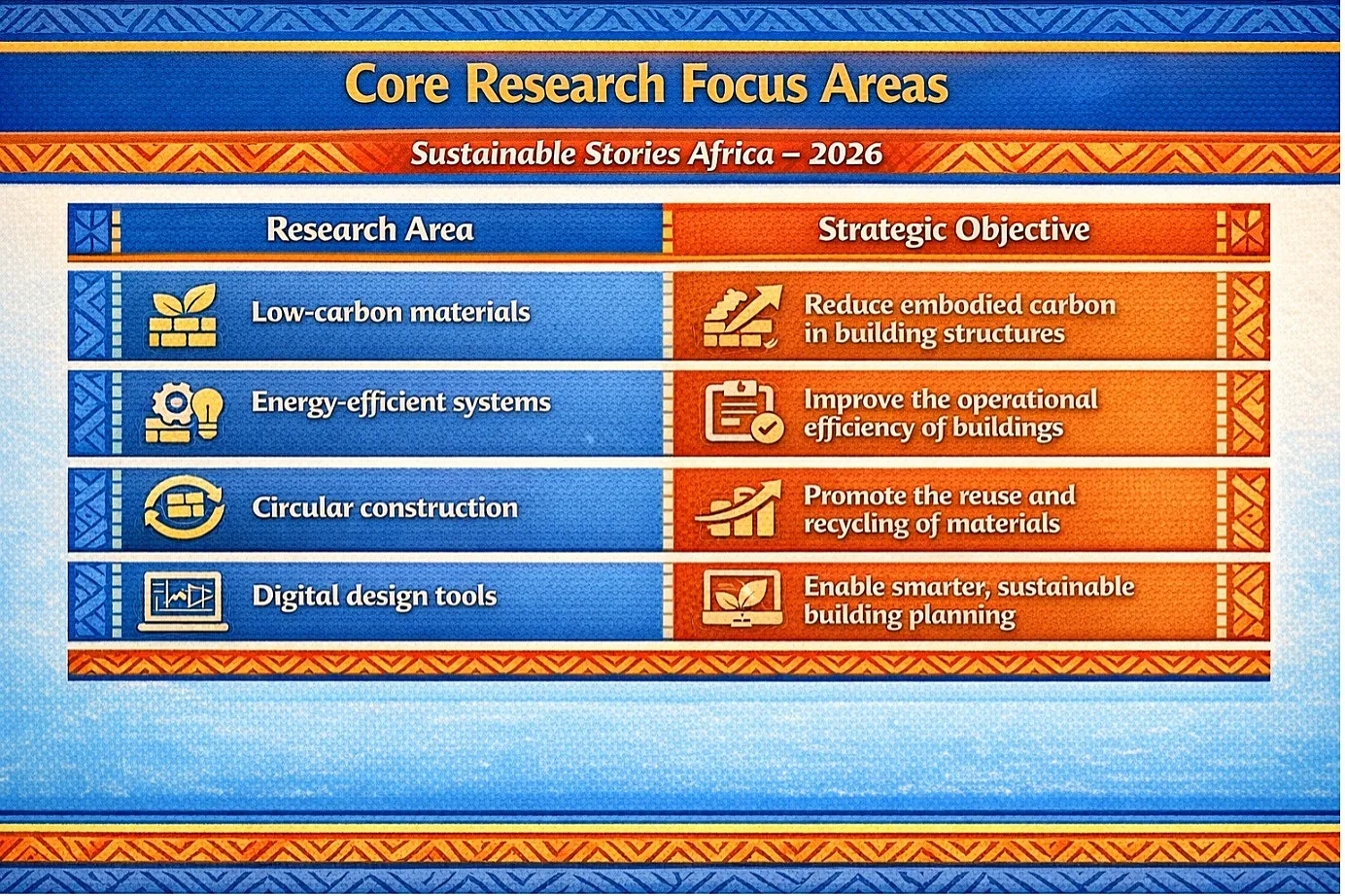
These areas reflect the growing emphasis on systemic innovation rather than isolated technological improvements.
Construction Sector Central To Climate Goals
Globally, the construction sector is responsible for a substantial portion of greenhouse gas emissions, making it a key focus area for climate action.
As governments tighten climate policies and investors increase scrutiny of sustainability performance, the demand for greener building solutions is rising rapidly.
Denmark has positioned itself as a leader in sustainable construction innovation, with strong research institutions and a policy environment supportive of green technologies.
The new programme is expected to strengthen this leadership by accelerating research breakthroughs and training a new generation of engineers and architects equipped to design low-carbon buildings.
Strategic Outcomes Expected From Programme
Outcome | Long-Term Impact |
|---|---|
Advanced green materials | Lower emissions from construction processes |
Sustainable building design | Reduced lifetime carbon footprint |
Industry-academic partnerships | Faster adoption of research innovations |
Skilled workforce development | Strengthens green construction expertise |
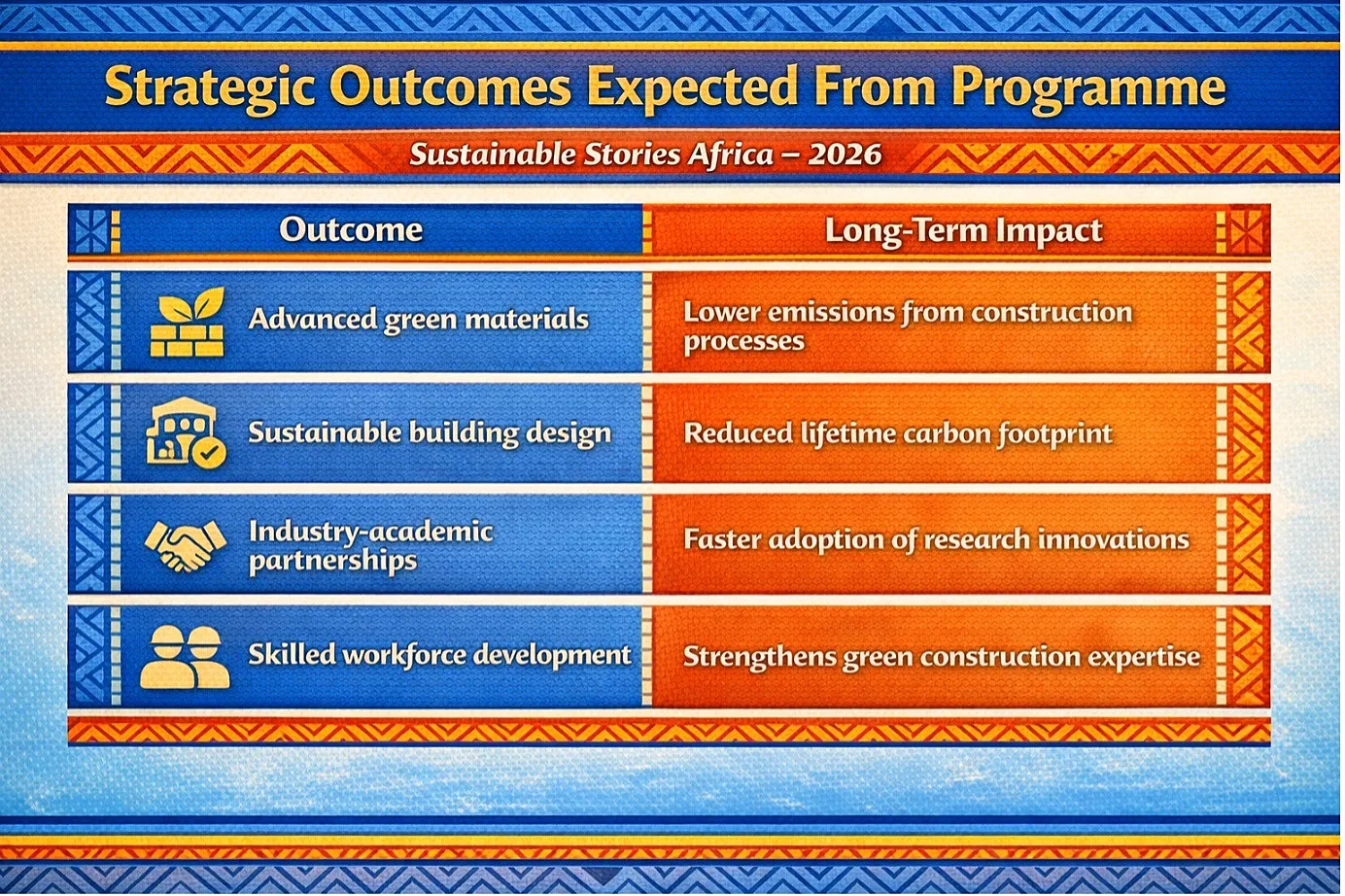
Researchers believe these innovations could influence construction practices across Europe and beyond.
Research Partnerships Accelerating Climate Solutions
Beyond academic research, the programme aims to strengthen collaboration between universities, industry and policymakers.
By connecting research institutions with construction firms and technology companies, the initiative seeks to accelerate the commercialisation of sustainable building solutions.
Experts say that translating research into practical industry applications will be critical to achieving meaningful emissions reductions.
As global demand for sustainable infrastructure grows, initiatives like Denmark’s green construction programme could play a crucial role in shaping the future of the built environment.
Path Forward – Research Collaboration To Decarbonise Construction
The DKK 1 billion programme signals a strategic commitment to transforming how buildings are designed and constructed in a low-carbon economy.
By combining academic research, industry collaboration and technological innovation, Denmark’s universities aim to develop scalable solutions to accelerate the global transition toward sustainable construction systems.