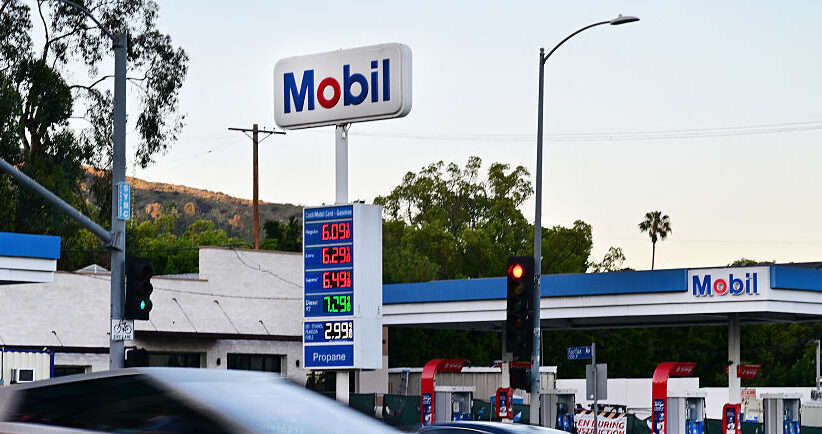
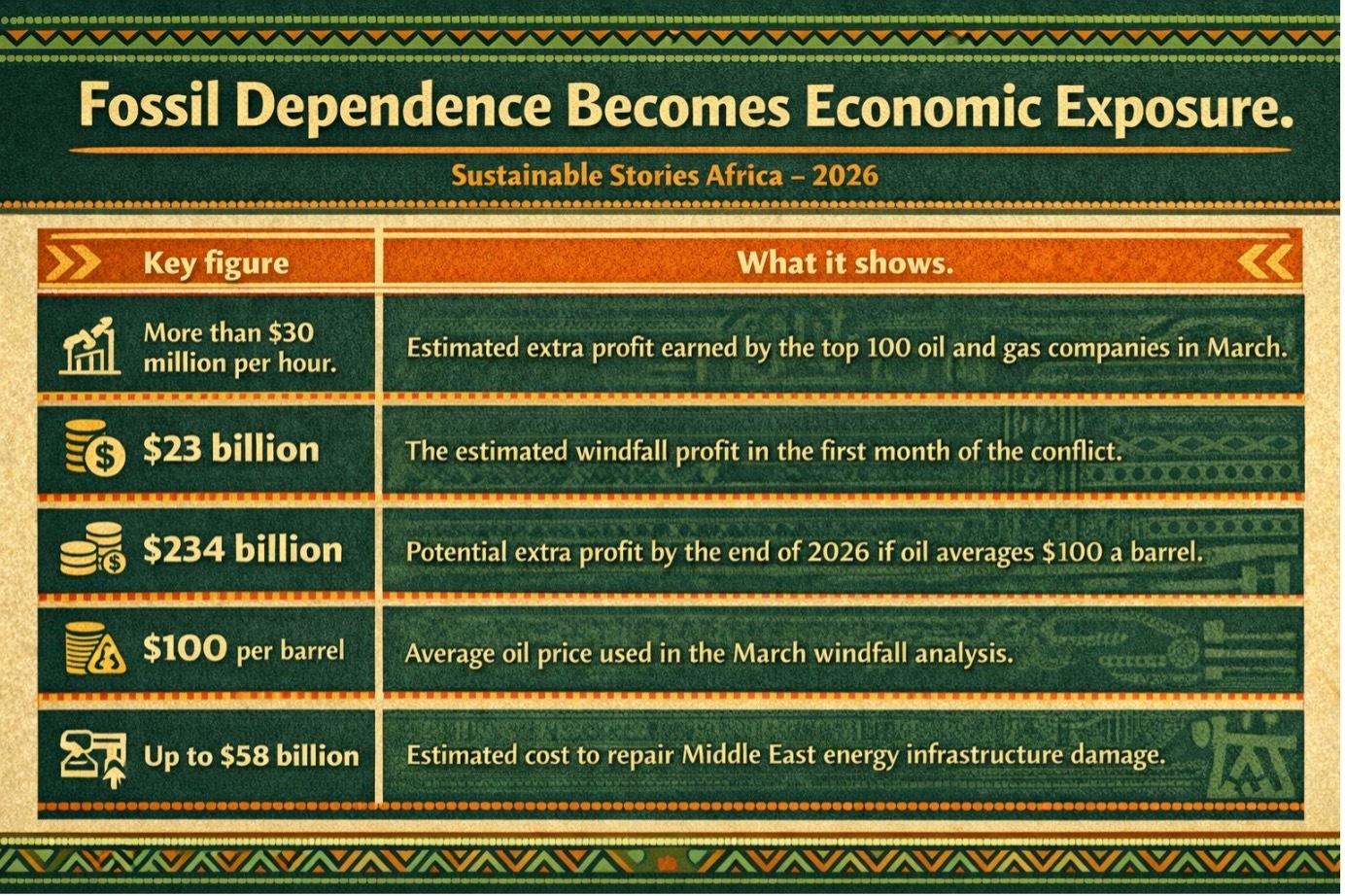
A Guardian analysis says the world’s top 100 oil and gas companies earned more than $30 million an hour in extra profits during the first month of the US-Israeli war in Iran.
The findings matter because consumers, businesses and governments are absorbing higher fuel and energy costs while fossil fuel producers benefit from market disruption.
For African economies, the lesson is urgent: energy security cannot remain tied to imported price shocks.
War Profits Are Paid By Consumers
The world’s biggest oil and gas companies are capturing a fresh war-driven windfall as energy prices spike following the US-Israeli war in Iran, according to new analysis reported by The Guardian.
Global Witness, using Rystad Energy data, estimates that the top 100 oil and gas firms earned more than $30 million an hour in “unearned” profits during the conflict’s first month, as oil prices averaged about $100 a barrel.
That translated into approximately $23 billion in extra monthly profits, with as much as $234 billion possible by the end of 2026 if prices stay elevated.
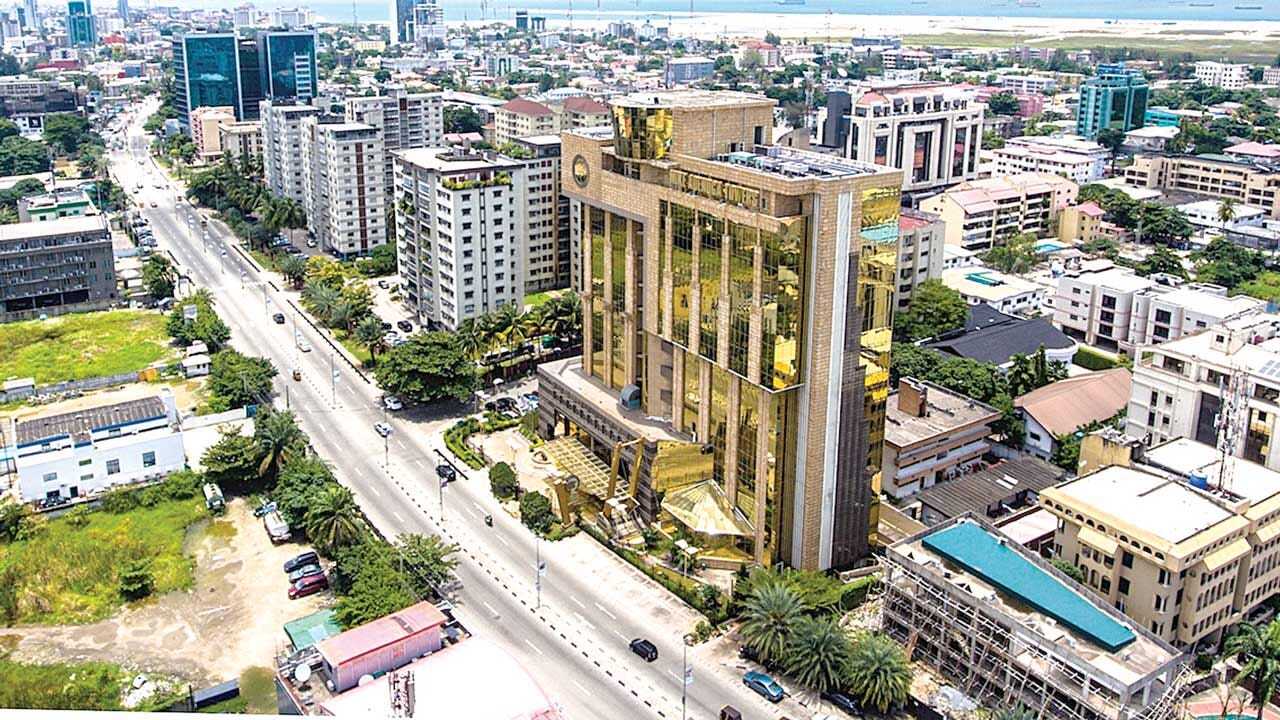
For households, the impact is immediate and local. The windfall filters through petrol pumps, diesel generators, transport fares, food prices and electricity bills, long before any policy relief reaches consumers in cities like Lagos, Accra or Nairobi.
Fossil Dependence Becomes Economic Exposure
The Guardian reports that Saudi Aramco, Gazprom, ExxonMobil, Chevron and other major producers are among the biggest winners from the latest crisis-driven oil price surge.
The analysis suggests companies from Saudi Arabia, Russia, the United States and other fossil-fuel economies are profiting from the same geopolitical instability that is pushing costs higher for consumers.
The wider energy system is also under strain. Rystad Energy estimates that war damage to Middle East energy infrastructure could cost up to $58 billion to repair, mostly for oil and gas facilities, money that restores assets rather than adds new capacity and may delay projects while stoking inflation.
For African economies that import fuel, depend on diesel and have limited fiscal buffers, such shocks quickly translate into higher prices, subsidy pressures and tough choices for small businesses, transport operators and governments balancing tariffs, budgets and public anger.
Desire: Clean Energy Can Cut Crisis Exposure
The positive pathway is not simply to punish oil companies. It is to reduce the power of oil shocks over daily life.
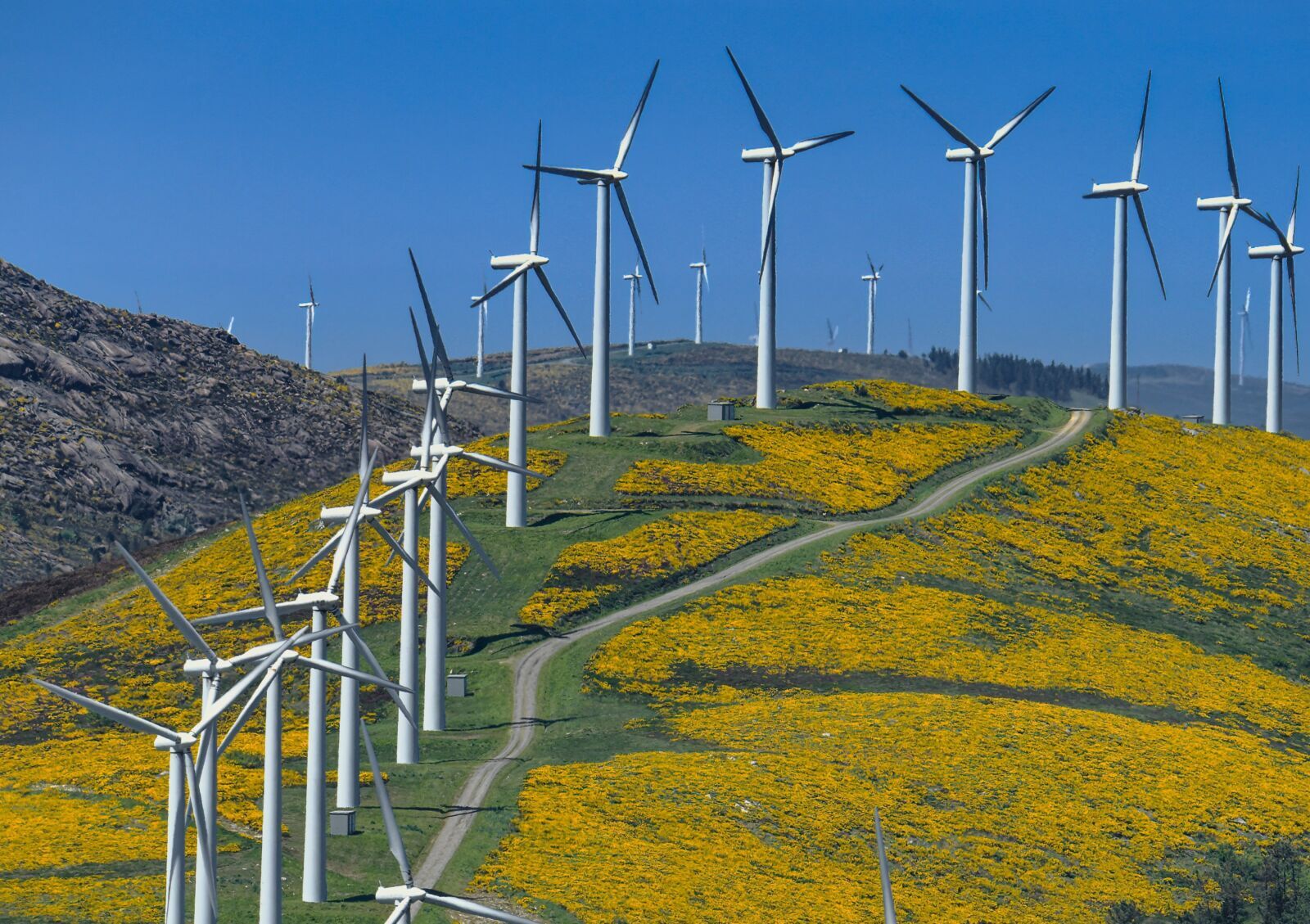
Distributed solar, battery storage, cleaner public transport, stronger grids, local refining where appropriate, and energy-efficiency programmes can reduce exposure to volatile fossil fuel markets.
For African cities, that means less dependence on diesel generators. For farmers, it means solar irrigation and cold storage. For small businesses, it means predictable power costs and fewer production losses.
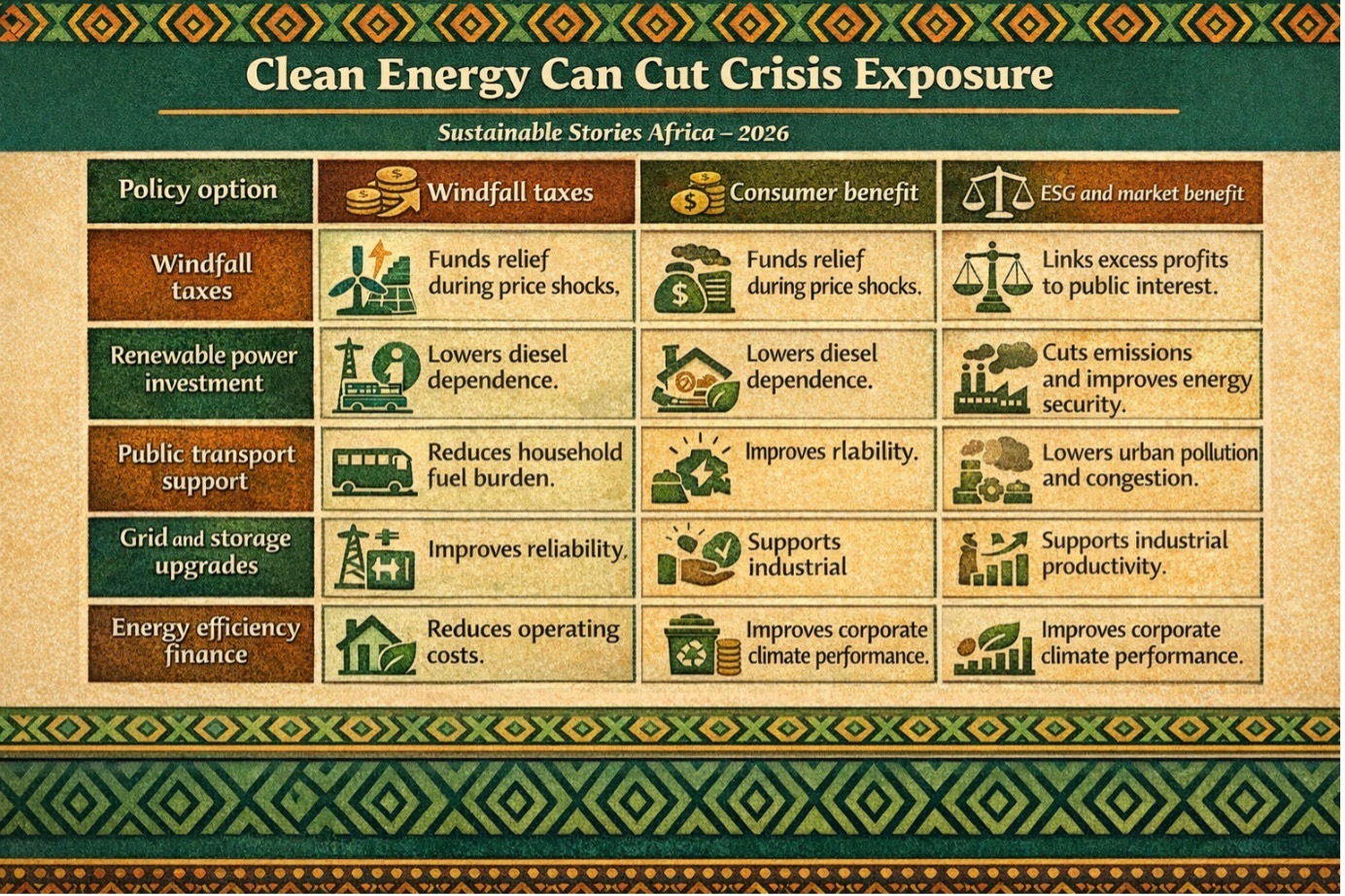
The political question is whether crisis profits should help finance resilience. Windfall taxes have gained attention because they offer governments a way to redirect extraordinary profits into public relief, clean energy investment or targeted support for vulnerable households.
Critics warn that poorly designed taxes can discourage investment, but supporters argue that war-driven gains are not the same as productivity-led earnings.
Redirect Windfalls Into Energy Security
African policymakers should treat the Guardian findings as a warning about structural vulnerability.
Fossil fuel dependence is not only a climate issue; it is an economic sovereignty issue. When conflict, sanctions or shipping disruption raise global prices, importing countries can be forced to spend scarce foreign exchange defending energy access.
The response should be practical.
- Governments need transparent fuel-pricing systems, targeted relief for the poorest households, stronger public transport planning and accelerated investment in renewables, storage and grid reliability.
- Regulators should require clearer disclosure of how energy companies manage price shocks, emissions risks and transition plans.
- Investors also have work to do. Capital should flow into projects that reduce imported fuel exposure: mini-grids, commercial and industrial solar, clean cooking, electric mobility, waste-to-energy, where viable, and local manufacturing for energy components.
- For banks, this is no longer only climate finance. It is macro-risk management.
Path Forward – Tax Windfalls, Build Energy Resilience
The priority is to convert crisis lessons into durable policy. Windfall profits should trigger stronger debate on targeted taxation, consumer protection and clean-energy investment.
For African markets, the route is clear: reduce diesel dependence, expand reliable power, protect vulnerable households and finance transition assets that make economies less exposed to the next oil shock.
That is energy security with an ESG dividend.
Culled From: $30m an hour: big oil reaping huge war windfall from consumers, analysis finds | Oil | The Guardian