Climate & Capital Media has spotlighted patient capital as a critical tool for Africa’s climate transition.
The argument matters because many African climate ventures need time, advisory support and flexible finance before they can attract commercial investors.
For rural entrepreneurs, women-led businesses and clean-energy innovators, finance that waits can determine whether local solutions scale or disappear.
Africa’s Climate Solutions Need Time
Africa’s climate transition will not be financed by short-term capital alone. It will depend on investors willing to wait, de-risk early ventures and back entrepreneurs long before their ideas look “bankable”.
That is the core message of a 5 February 2026 Climate & Capital Media profile of Victoria Sabula, chief executive of the Africa Enterprise Challenge Fund, which presents patient capital, local ownership and African-led enterprise building as central to climate resilience.
Sabula’s own journey, from a tea-growing community in Kericho, Kenya, underscores the human stakes.
Raised by a widowed mother who relied on community support and loans to educate nine children, she has seen how a lack of finances constrains potential.
Her challenge to investors is simple: if big businesses scale because they can access capital, why should rural smallholders and local entrepreneurs be left out?
The Gap Is Not Ideas, But Finance
Africa’s climate transition is quietly shifting toward local hands. Since taking charge of AECF in 2019, Victoria Sabula has pushed the fund towards locally led and owned businesses, with the share of AECF-supported firms in this category rising from about one-third to more than 90%, a deliberate move away from externally driven solutions to African enterprise ownership.
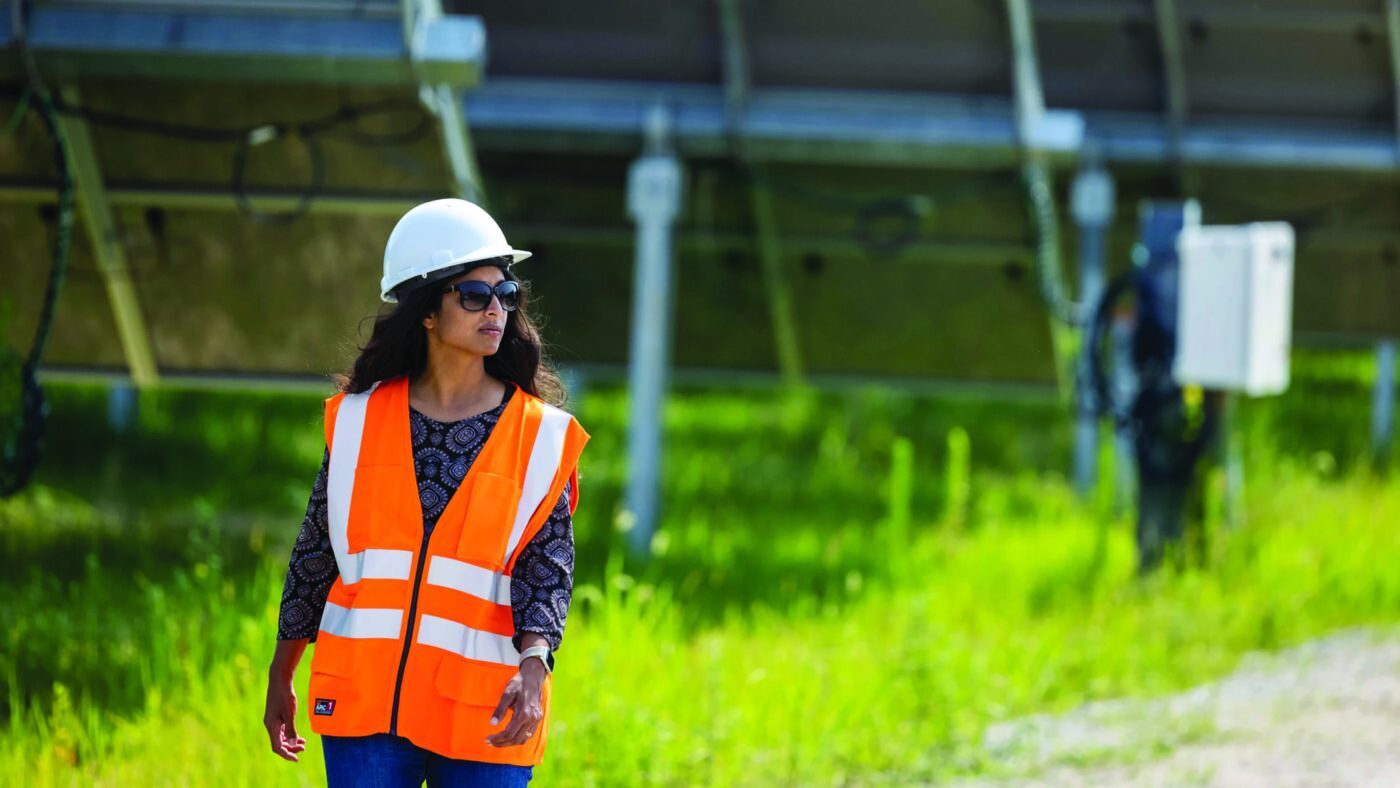
Patient capital underpins this shift. Many climate-smart ventures, from solar mini-grids and clean cooking to biofuels, climate‑smart agriculture and rural energy platforms, cannot mature on short commercial timelines.
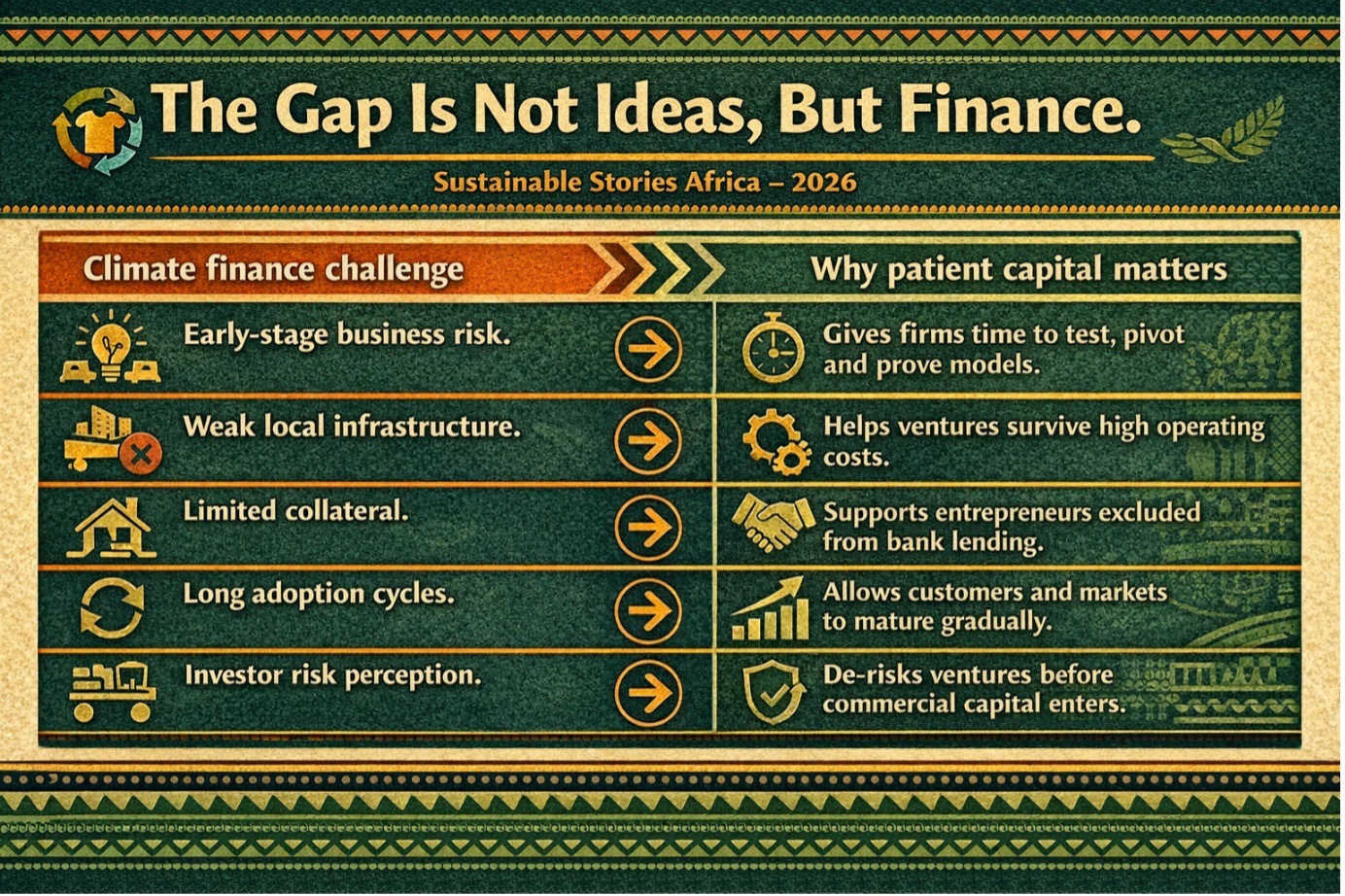
Sabula argues it can take up to seven years to show tangible results, making long-term, flexible finance essential.
The wider investment gap is stark: OECD analysis suggests clean energy investment must more than double in North Africa and nearly double in Sub‑Saharan Africa from 2024 levels to meet near‑term climate targets.
Local Ownership Can Build Trust
The promise of patient capital is not only financial. It can strengthen economic sovereignty by allowing African entrepreneurs to own the solutions that serve African communities.
Sabula argues that Africa has vast renewable energy potential, but technologies developed by African innovators often struggle to access funding because of regulatory barriers, weak tenure security and the need to create markets rather than merely serve existing ones.
She also says stronger public-sector openness and accountability would encourage more private-sector investment.
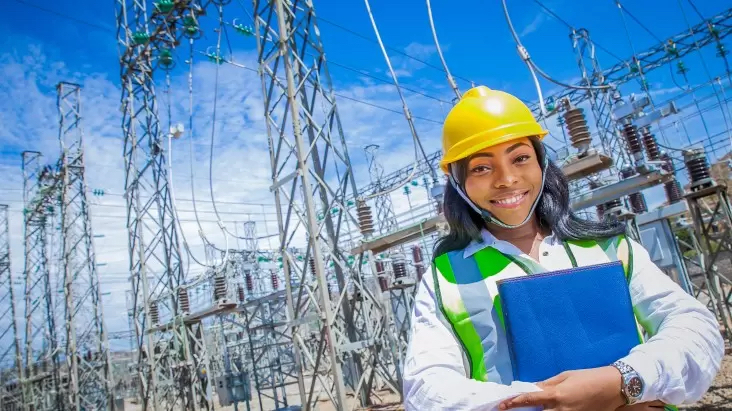
This matters for a solar company serving low-income households in Somalia, a biofuel enterprise in Mozambique or a women-led agribusiness building climate-resilient supply chains.
These businesses may not deliver quick returns, but they can reduce diesel dependence, improve livelihoods, support food security and build local capacity.
AFC and the Green Climate Fund offer a wider example of this logic at the infrastructure scale. The GCF committed $240 million in equity and $13.7 million in grants to AFC’s Infrastructure Climate Resilient Fund for Africa, a vehicle targeting climate-resilient transport, logistics, energy, economic zones and digital infrastructure across 19 countries.
The fund is designed to use concessional first-loss capital to attract pension funds, sovereign wealth funds and insurers into climate-resilient infrastructure.
De-Risk Local Climate Enterprise Now
The next priority is to build the financial infrastructure that allows patient capital to work. That means stronger project preparation, clearer regulation, better local data, technical assistance and investment vehicles that match the realities of African entrepreneurs.
- Governments should treat patient capital as part of industrial policy, not charity.
- Development finance institutions should support local fund managers and women-led climate enterprises.
- Banks should build products that combine flexible repayment, advisory support and climate-risk assessment.
- Pension funds and insurers should be enabled, with guardrails, to allocate more long-term capital into resilient infrastructure and productive green businesses.
Investors also need to change how they judge African opportunities. A company serving rural households may require more time to show returns; however, it may also build durable demand, social trust and climate resilience that conventional finance often undervalues.
Path Forward – Finance Locally, Wait Patiently, Scale
Africa’s climate finance challenge is now a market-design challenge. Patient capital should support locally owned enterprises, de-risk innovation and help businesses mature before commercial investors demand full proof.
The priority is clear: build pipelines, strengthen local capital markets, reform enabling policies and back African entrepreneurs with finance that understands time.
Culled From: Patient financing for a greener Africa - Climate and Capital Media