British International Investment has launched a five-year strategy targeting £15 billion for developing economies, including a £1.1 billion climate initiative.
The move comes as aid budgets tighten and private capital becomes central to development finance.
For Africa, the test is whether this capital reaches power, jobs, small businesses and climate resilience where financing gaps remain deepest.
Development Finance Enters A Harder Era
British International Investment is targeting £15 billion in total investment across developing economies between 2026 and 2031, combining up to £8 billion of its own capital with private finance from insurers, pension funds and asset managers.
The UK development finance institution aims to attract £1 in private investment for every £1 it deploys, a 40% improvement on its previous mobilisation rate.
The strategy sets clear commitments: climate finance rising to at least 40% of new investments, and a minimum 30% of core investments directed toward improving economic opportunities for women.
The announcement arrives as rich-country aid budgets contract and emerging markets face mounting capital shortfalls across electricity, food systems, trade and digital infrastructure.
For African economies, the real measure of this strategy lies beyond the headline figures.
The test is whether development capital moves from pledges into factories, farms, mini-grids, ports and small businesses, and whether mobilisation targets hold when commercial conditions tighten.
Africa Sits At The Centre
Africa remains a central focus of BII's new five-year strategy. Africa Global Funds reports that the institution is targeting £9 billion for the continent, nearly £5 billion from BII directly, with the remainder mobilised from private investors.
Priority sectors include financial services, power, transport, trade, digital infrastructure and sustainable industries.
The capital gap this strategy addresses is tangible.
A manufacturer in Aba waiting for reliable power, a woman-owned agribusiness in Lusaka seeking working capital, or a logistics company in Nairobi attempting to decarbonise its fleet all share one structural barrier: capital that is too scarce, too expensive or too short-term.
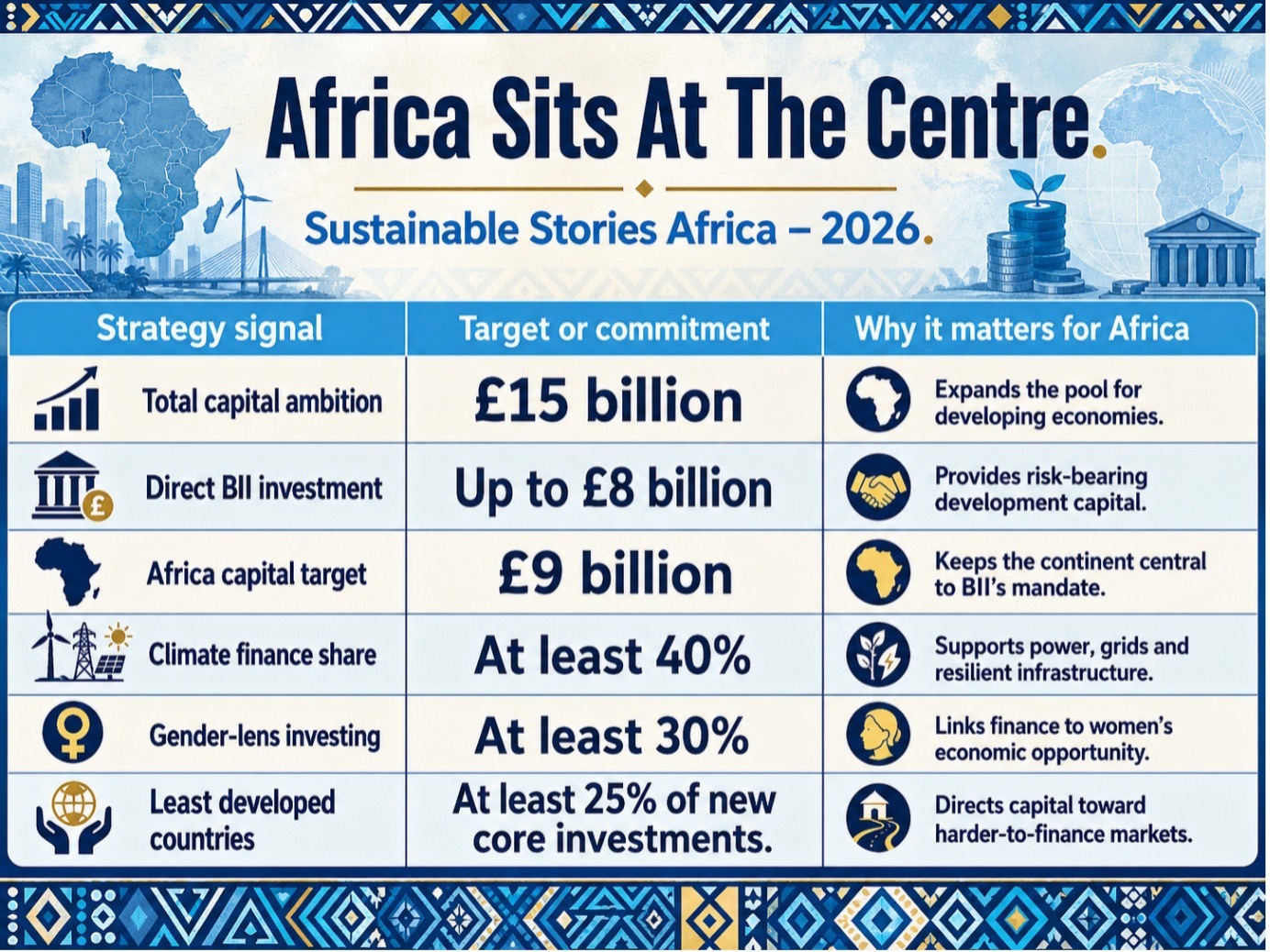
BII has also sharpened its commitment to least developed countries, committing at least 25% of new core investments to LDCs, with early focus markets including Sierra Leone and Zambia.
If the institution can make frontier markets genuinely investable, it could help redirect private finance toward economies where the development return is greatest.
Climate Capital Can Build Resilience
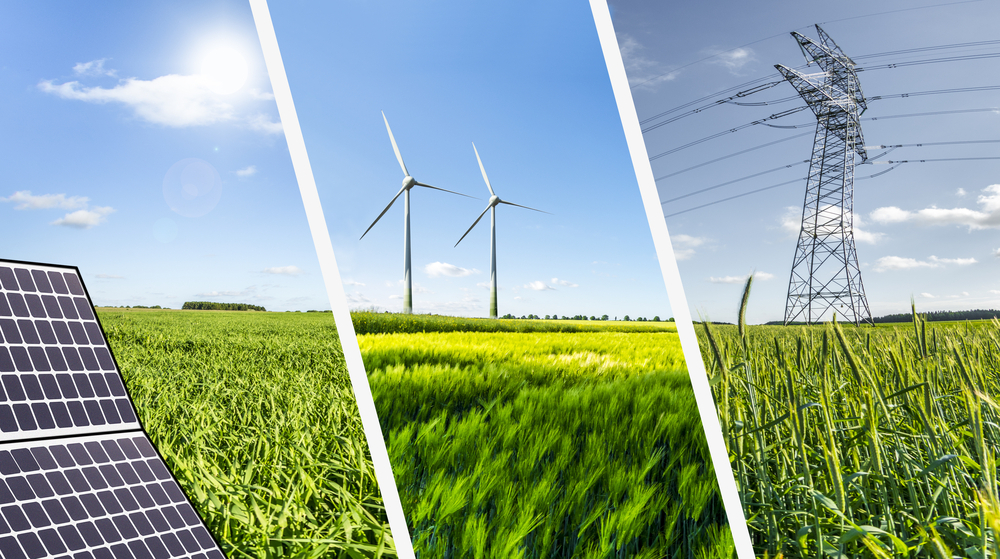
BII's climate ambitions are anchored by British Climate Partners, a £1.1 billion initiative mobilising private capital into clean-energy projects across India and Southeast Asia, where coal remains dominant.
The programme deploys equity platforms and mezzanine financing to scale renewable and low-carbon projects in partnership with private investors.
Although focused on Asia, its model carries direct lessons for Africa. The continent needs patient capital that reduces risk, builds project pipelines and moves clean-energy investments from feasibility into construction.
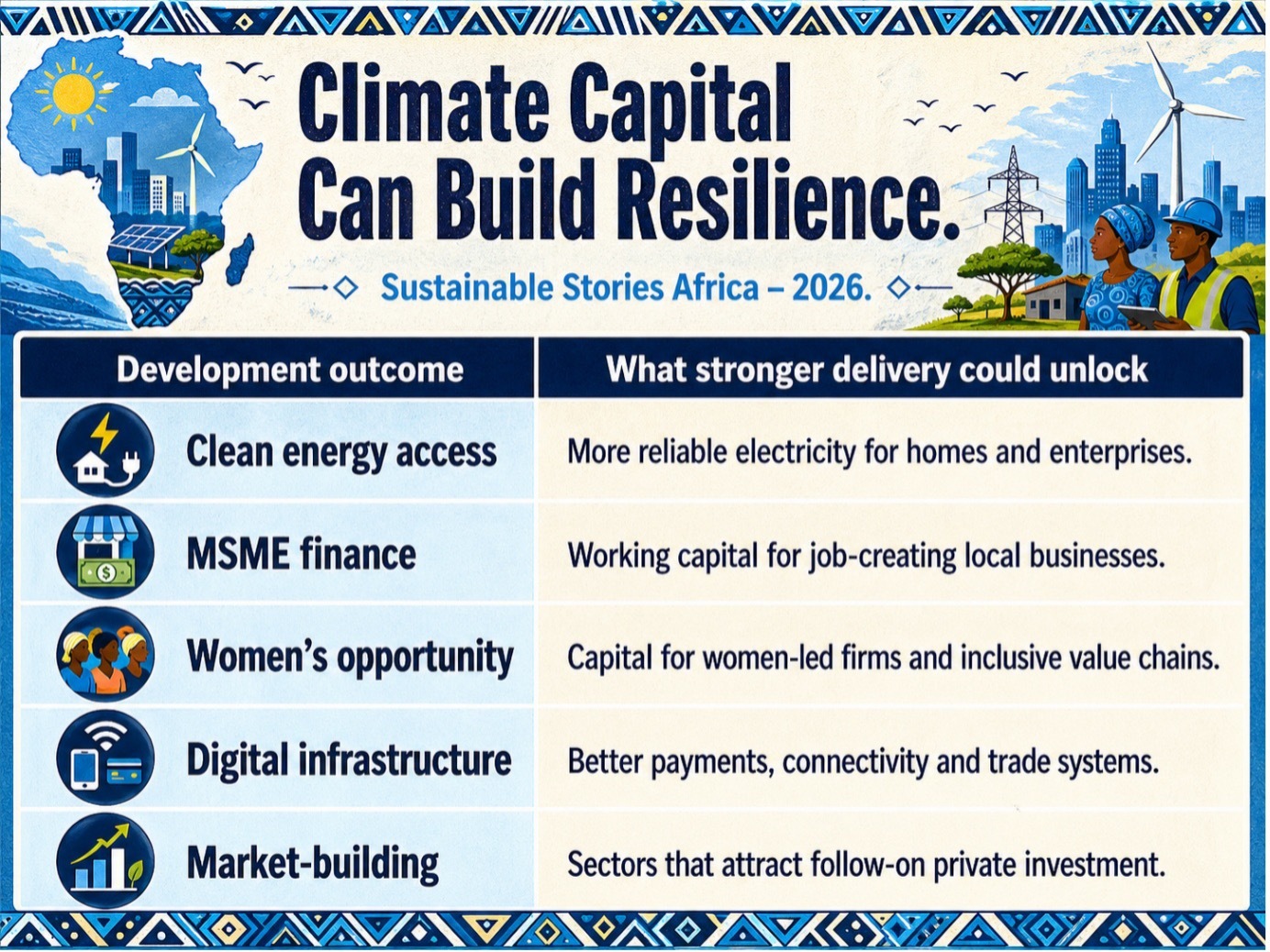
BII's Parliament commitments reflect this, targeting clean energy for 10 million households, support for 10 million micro and small businesses, and economic opportunities for 10 million people across Africa.
The potential is substantial. Lower energy costs improve business competitiveness. Capital reaching women-led firms strengthens household and community resilience. Expanded power and digital infrastructure open larger markets for local entrepreneurs.
The risk, however, is that mobilisation targets prioritise deal volume over local transformation. Development finance works best when it builds markets that endure long after the first investor exits.
Make Capital Reach Real Economies
BII’s strategy should now be judged by its delivery in African markets.
Governments need to improve project preparation, regulation, procurement transparency and currency risk management so that long-term capital can flow into productive sectors.
Development finance institutions should publish clear evidence on who benefits, where jobs are created, how emissions are reduced and whether capital is reaching underserved markets.
Private investors also have a role. Pension funds, insurers and asset managers should not treat African infrastructure as too difficult by default. With blended finance, guarantees, local partnerships and better project pipelines, risk can be shared rather than avoided.
For African entrepreneurs and civil society, the task is to insist that climate and development finance remain accountable.
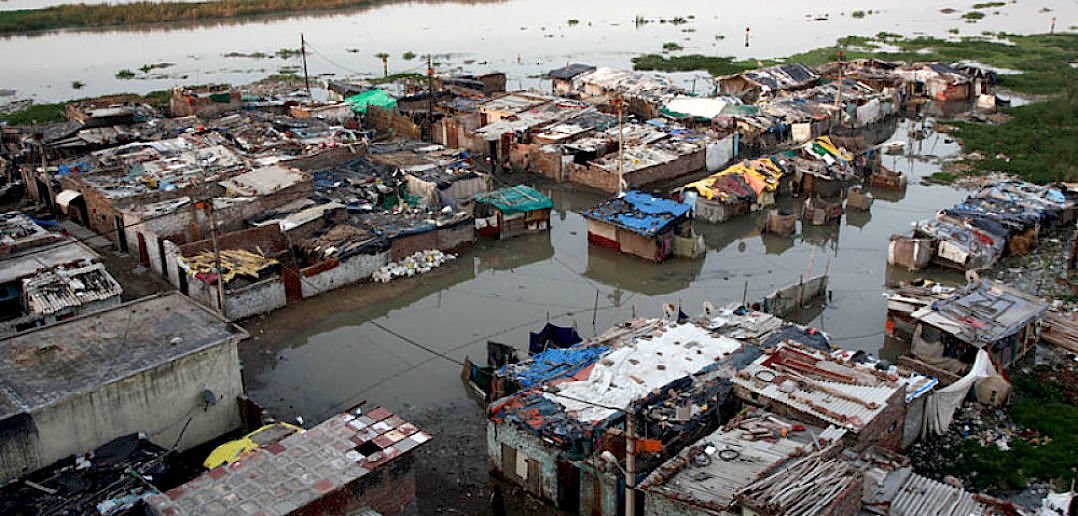
Capital should reach the communities that need it most: households without electricity, SMEs without credit, farmers exposed to climate shocks and young people’s employment in decent work.
Path Forward – Put Capital Where Impact Lives
BII’s new strategy should be measured by jobs, clean power, women’s opportunity and stronger African markets, not headline finance alone.
The priority is execution: transparent pipelines, local partnerships, risk-sharing tools and measurable ESG outcomes
If the capital reaches real economies, the £15 billion strategy could help turn development finance into practical resilience for Africa.