Green bonds are no longer judged by labels alone. As sustainable debt markets expand, investors are demanding clearer proof that proceeds are financing credible climate and environmental outcomes.
The shift comes as global labelled debt faces slower issuance, tighter scrutiny, and rising concern over greenwashing.
For African markets, the question is practical: can green bonds finance clean power, resilient infrastructure, and jobs while proving real impact?
Green Finance Faces Its Proof Moment
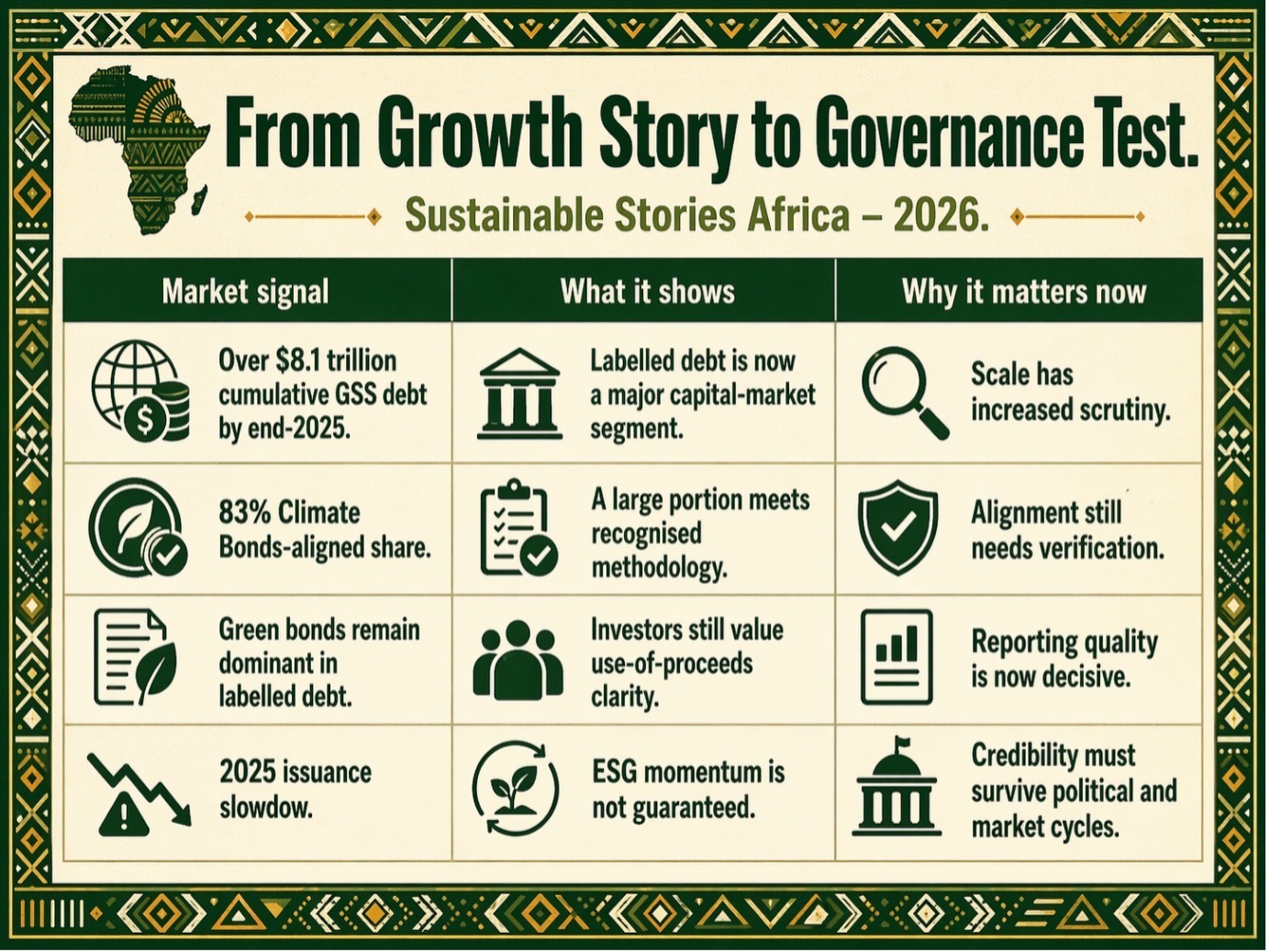
The green bond market is maturing, and the bar is rising. Cumulative green, social, and sustainability-linked debt reached $8.1 trillion globally by the end of 2025, with 83% considered aligned under the Climate Bonds Initiative methodology.
However, the gap between labelled bonds and those meeting stricter climate-finance standards remains significant.
For African issuers, this credibility test arrives at a critical moment.
Governments, banks, and development institutions urgently need affordable, long-term capital for renewable energy, climate-smart agriculture, and resilient infrastructure; however, investors are demanding clearer answers on where proceeds went and what measurably changed.
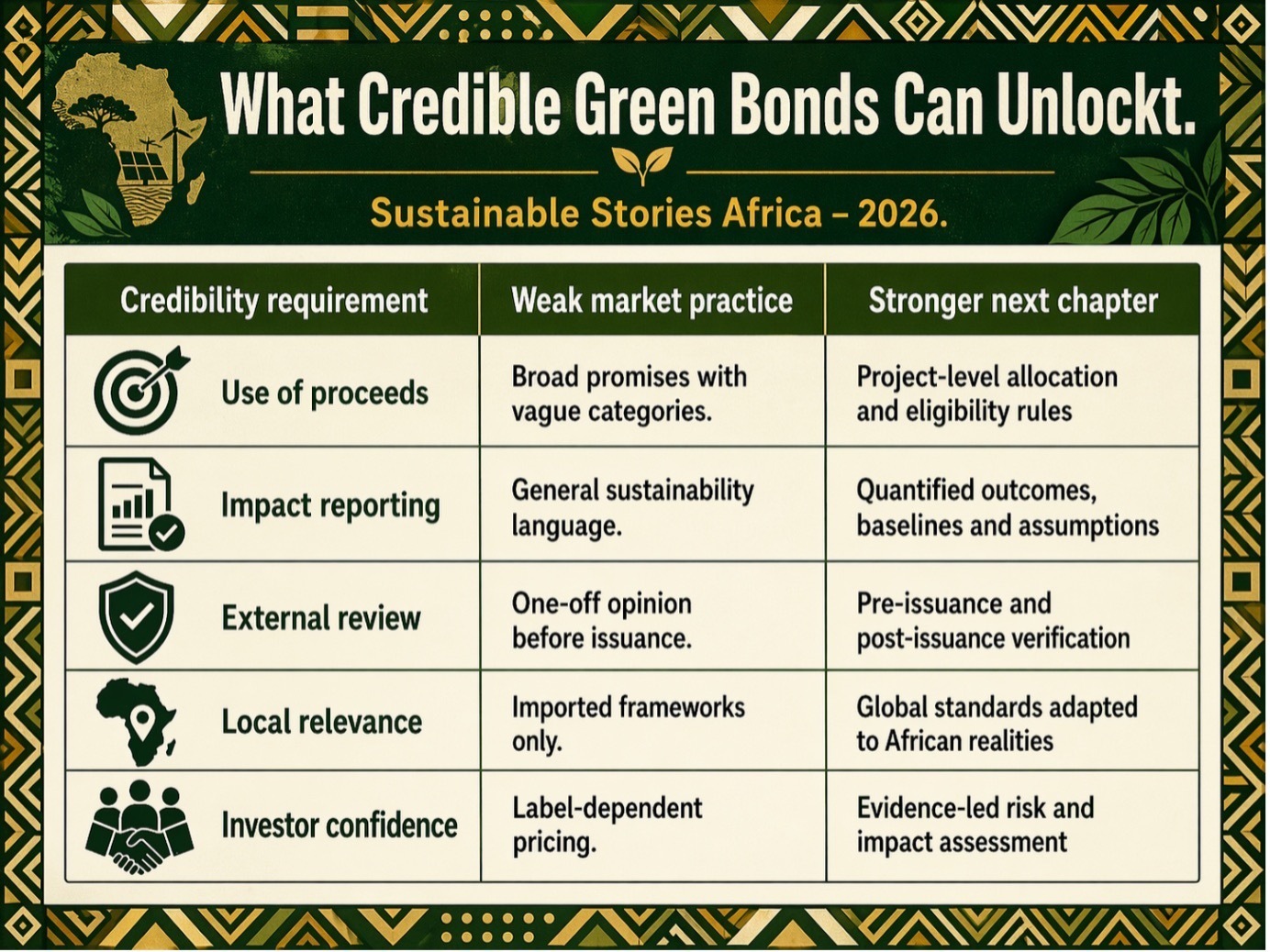
The green bond label can still unlock finance, but only when backed by transparent use of proceeds, rigorous project selection, disciplined reporting, and independent review.
From Growth Story to Governance Test
Green bonds were designed to connect capital markets with climate action through a straightforward commitment: raise debt, deploy proceeds exclusively to eligible green projects.
The 2025 Green Bond Principles formalised that architecture around four core components: use of proceeds
- Project evaluation
- Project selection
- Project Management of proceeds
- Project reporting, with external reviews recommended as essential transparency tools.
But the market faced headwinds in 2025. Policy uncertainty, anti-ESG politics, and weakening investor confidence pushed green bond issuance down nearly 32% year-on-year by mid-2025.
Overall, labelled bond issuance fell 25% to $440 billion, according to Sustainable Fitch data.
Nigeria remains an African pioneer, with the Debt Management Office listing a Series III sovereign green bond in 2025.
However, the broader lesson holds for a Lagos commuter: green bonds can mean cleaner transport and reliable power.
For investors, those outcomes must be traceable through transparent allocation, credible performance data, and independently verified impact.
What Credible Green Bonds Can Unlock
If green bonds mature properly, they can become one of the most practical bridges between climate ambition and real-world delivery.
For African markets, the upside is significant. Credible labelled debt can help reduce the financing gap for infrastructure that ordinary budgets cannot carry alone.
- It can attract institutional investors seeking transparent climate exposure.
- It can also give governments and companies a disciplined way to connect ESG commitments with bankable projects.
The difference between a strong green bond and a weak one often lies in governance.
The best green bonds can turn capital into visible public value:
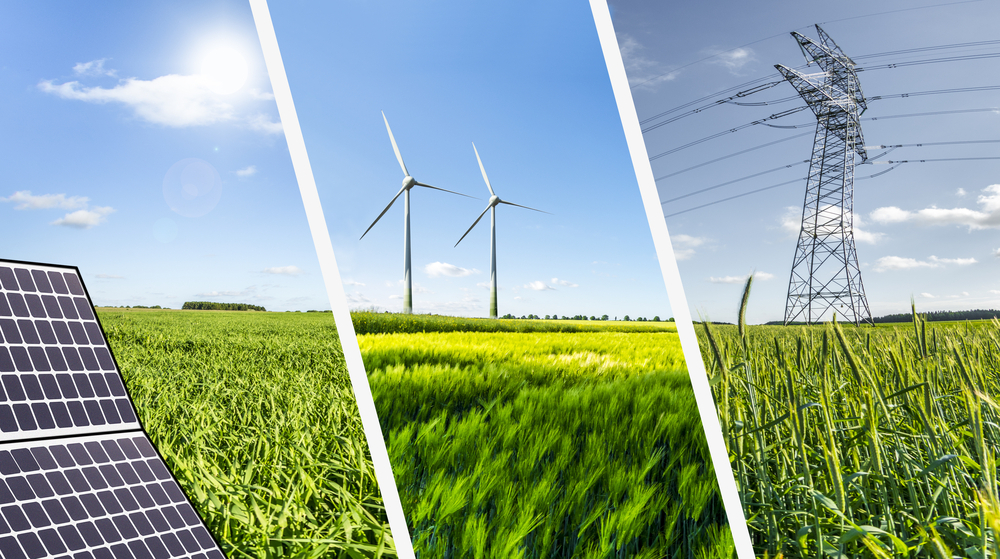
- Megawatts of renewable energy added
- Tonnes of emissions avoided
- Hectares restored
- Water saved
- Buildings retrofitted
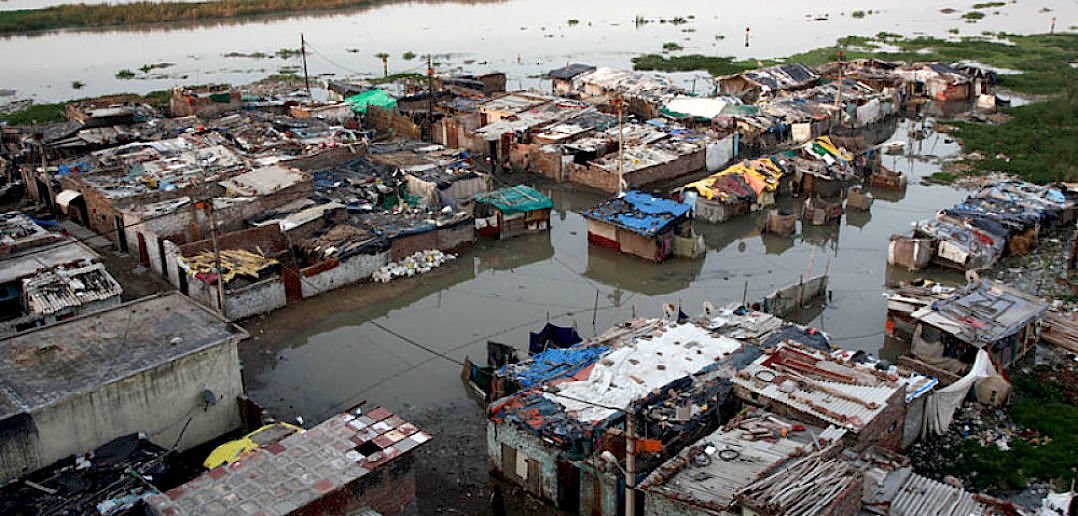
- Communities better protected from floods or heat.
The risk is equally clear. If issuers treat green bonds as branding tools, the market could lose trust.
Investors may demand a premium, regulators may tighten rules abruptly, and citizens may see sustainable finance as another elite promise that does not reach communities.
Make the Label Earn Trust
The next chapter for labelled debt should be built around a simple principle: no impact claim without evidence.
- Regulators should require clearer disclosure on eligible project categories, proceeds tracking and post-issuance reporting.
- Issuers should publish accessible annual impact reports that explain assumptions, methodologies and delays.
- External reviewers should be independent, technically competent and transparent about the scope of their work.
- Development finance institutions can also help by supporting local verifiers, municipal issuers, project-preparation facilities and blended-finance structures.
This is especially important for African sub-sovereigns and corporates that may have strong green projects but weak access to capital-market expertise.
For investors, the message is also changing.
- Buying a green bond should not end at subscription.
- Stewardship now requires asking whether the issuer delivered the projects, whether the metrics are comparable, and whether communities saw real benefits.
Path Forward – Prove Impact, Then Scale Finance
Africa’s green bond opportunity depends on turning compliance into confidence.
Issuers must move from label-first fundraising to evidence-led financing, where every naira, dollar or euro raised can be linked to credible projects and measurable outcomes.
The priority now is stronger local capacity: taxonomies, verifiers, disclosure systems, project pipelines and investor education.
If these foundations hold, green bonds can finance climate resilience while deepening Africa’s sustainable capital markets.
Culled From: Green Bonds at a Crossroads: Impact, Compliance, and the Next Chapter for Labelled Debt