A new energy shock linked to Hormuz has rattled fuel markets and supply chains.
It matters because another fossil chokepoint crisis is raising costs and policy risk.
For African markets, the disruption underscores why domestic, cleaner energy systems matter.
Another Chokepoint, Another Global Warning
The latest disruption around the Strait of Hormuz is doing more than fuelling oil and gas market anxiety. It is reviving a broader argument gaining traction among investors and policy analysts: that recurring fossil fuel shocks are strategic signals to accelerate the energy transition.
A recent The Asset analysis frames the “Hormuz shock” as an inflexion point toward more resilient, domestic and lower-risk energy systems. This perspective comes amid significant market stress.
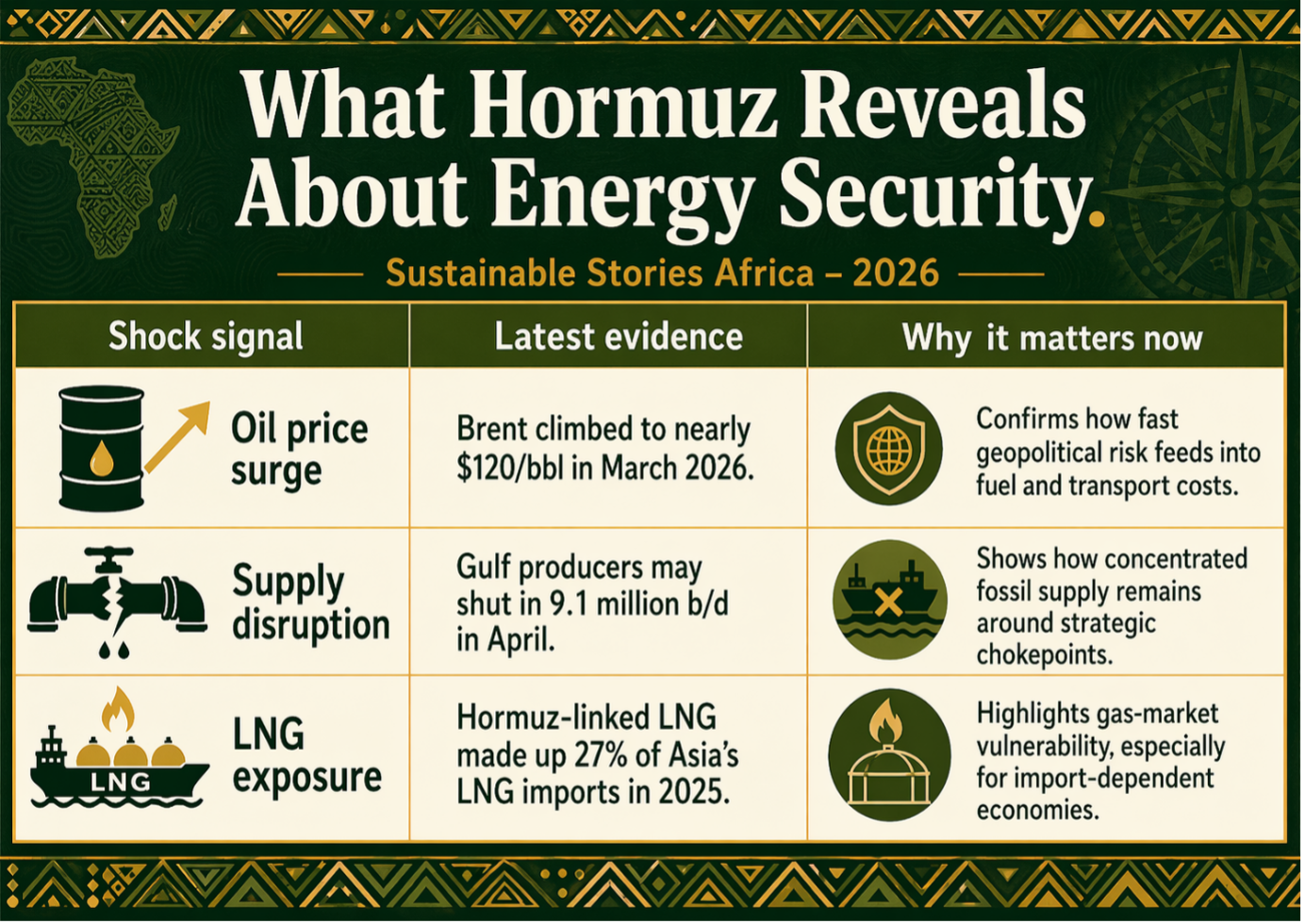
The International Energy Agency reported that disruptions in the Middle Eastern supply of Brent crude pushed prices towards $120 per barrel in March before easing, while the OECD noted prices had surged by more than 70% between late February and March 31, 2026.
The U.S. Energy Information Administration also estimated production shut-ins could rise from 7.5 million to 9.1 million barrels per day.
For African economies, this reinforces a persistent reality: dependence on imported fuel remains a macroeconomic risk.
What Hormuz Reveals About Energy Security
The Strait of Hormuz remains one of the world’s most critical energy chokepoints, with far-reaching implications for global markets.
The International Energy Agency estimates that LNG shipments through the strait accounted for about 27% of Asia’s total imports in 2025, while nearly 90% of LNG exported via Hormuz was destined for the region.
Recent disruptions have already begun to reshape trade flows, with Reuters reporting a sharp decline in Asian LNG shipments in April 2026.
The effects extend well beyond the Gulf. According to The Asset, energy and fertiliser prices have risen, shipping routes have become more volatile, and financing conditions have tightened unevenly. Reuters also noted renewed pressure on the Strait of Malacca, which carries 29% of maritime oil and nearly 22% of global trade.
For African economies, the consequences are immediate, translating into higher production costs, rising food prices, and increasing fiscal strain on governments.
Why This Shock Could Still Be Useful
The strongest argument emerging from this episode is not that fossil markets will disappear quickly, but that countries now have more alternatives than they did during earlier oil shocks.
Sustainable Energy for All said this month that scaling in solar, wind, electric vehicles and heat pumps could allow fossil-fuel importers to cut import bills by 70%.
Solar panel prices have halved since 2022, and battery costs have fallen by 36%. It also noted that the global EV fleet already avoids oil use equivalent to about 70% of Iran’s exports.
That matters for African markets because the transition case is no longer purely environmental. It is industrial, fiscal and strategic.
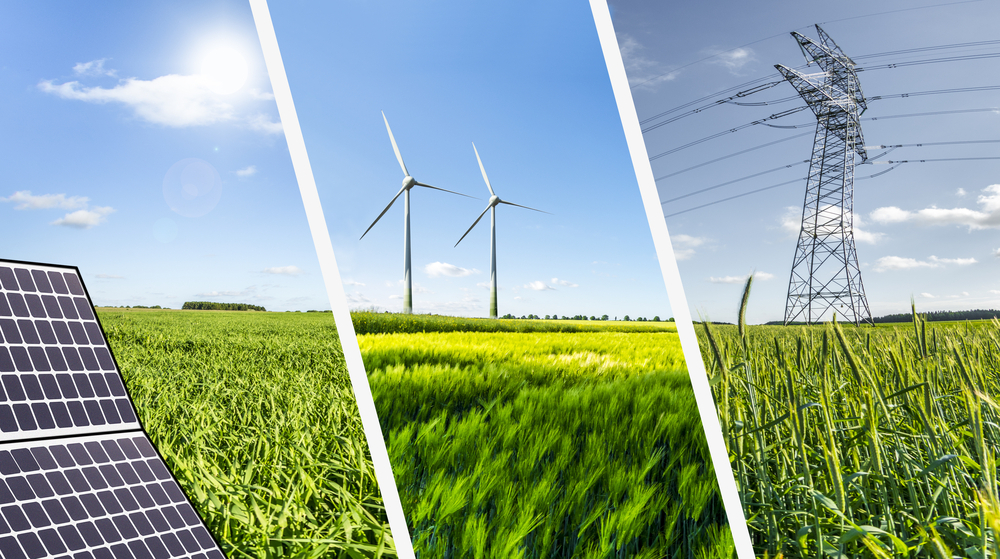
A stronger domestic mix of solar, storage, grids and productive-use electricity can reduce exposure to imported price shocks, improve energy access and make economies less hostage to distant geopolitical events. The Asset’s framing is compelling precisely because it treats the transition as that of resilience rather than symbolism.
Nigeria is one example of how this logic is already spreading. The Asset recently argued that India and Nigeria are showing the way for electrifying the Global South, suggesting that large emerging markets can pursue access and transition goals together rather than in sequence.
Turn Energy Insecurity Into Reform Momentum
The real opportunity now is policy discipline.
- Governments should use this moment to accelerate grid investment, distributed renewables, storage, efficiency and cleaner industrial electrification.
- Development financiers should treat energy transition projects as macroeconomic stabilisers, not just climate assets.
- Businesses should revisit energy sourcing, backup power strategies and exposure to imported fossil volatility.
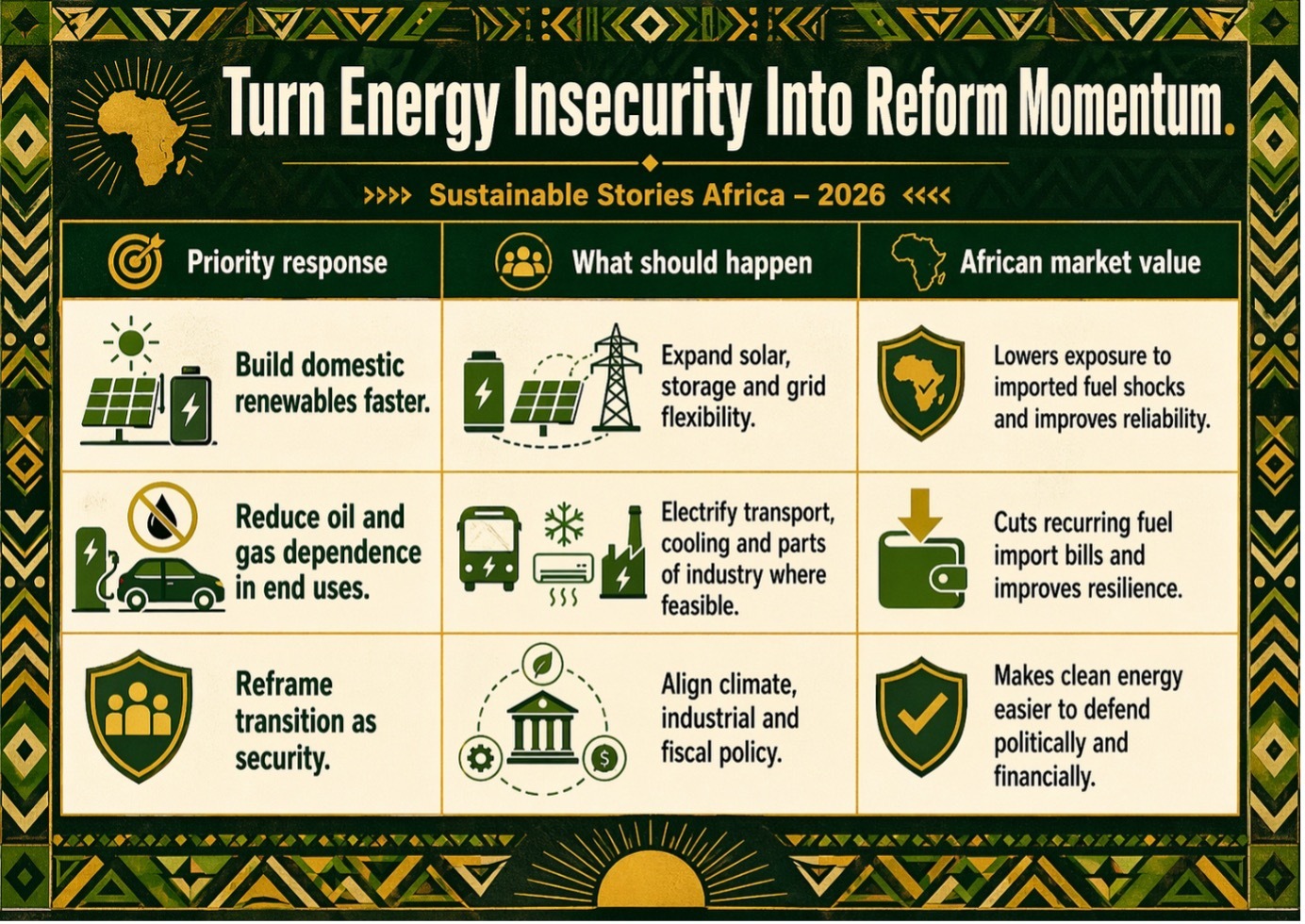
The deeper lesson is simple: every new fossil shock weakens the argument for delay. Clean energy is increasingly cheaper, more modular and locally deployable; sticking with volatile import dependence starts to look less like prudence and more like policy inertia.
Path Forward – Resilience Requires Faster Domestic Energy
African markets do not need to wait for the next external shock to prove the point again.
The smarter move is to treat this disruption as a policy signal to build more domestic, cleaner and flexible energy systems now.
That path advances both ESG and development goals: lower exposure to imported volatility, stronger energy access, and more durable economic resilience in a more disorderly world.
Culled From: ‘Hormuz shock’ opportunity to accelerate energy transition | The Asset