The United States is pressing the World Bank to let its climate plan expire.
That matters because the plan has shaped how development finance supports resilience, energy and adaptation.
For African markets, the fight could affect which projects get funded, and why.
A Climate Mandate Nears a Cliff
A quiet policy battle at the World Bank is fast becoming a defining test of development finance priorities.
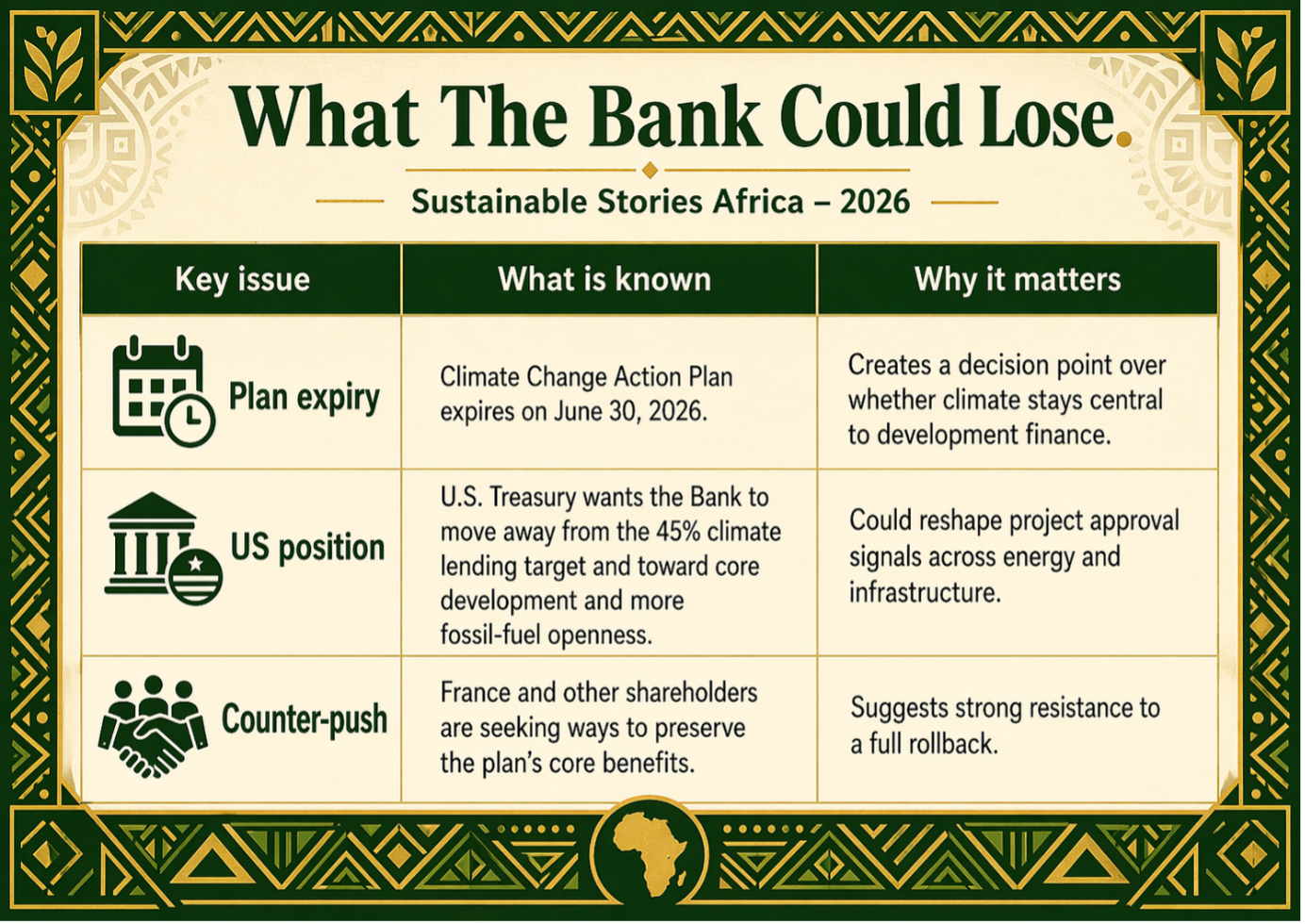
With its Climate Change Action Plan set to expire on June 30, 2026, the Trump administration is pushing to scrap the Bank’s target of allocating 45% of annual financing to climate-related projects, instead advocating a return to what it terms “core development” lending, including greater openness to fossil fuel investments.
Other shareholders, led publicly by France, are resisting, seeking to preserve elements of the existing framework. The stakes extend well beyond Washington.
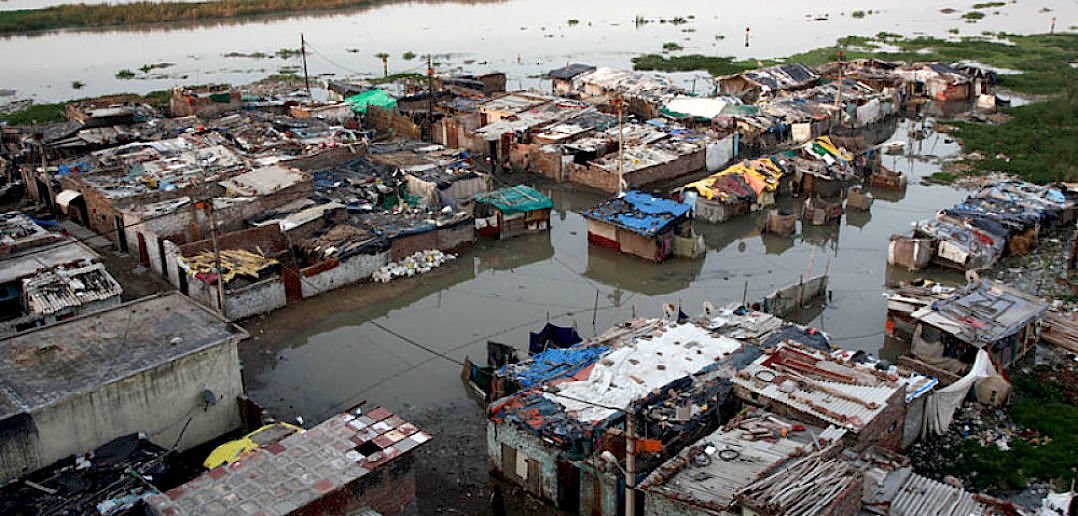
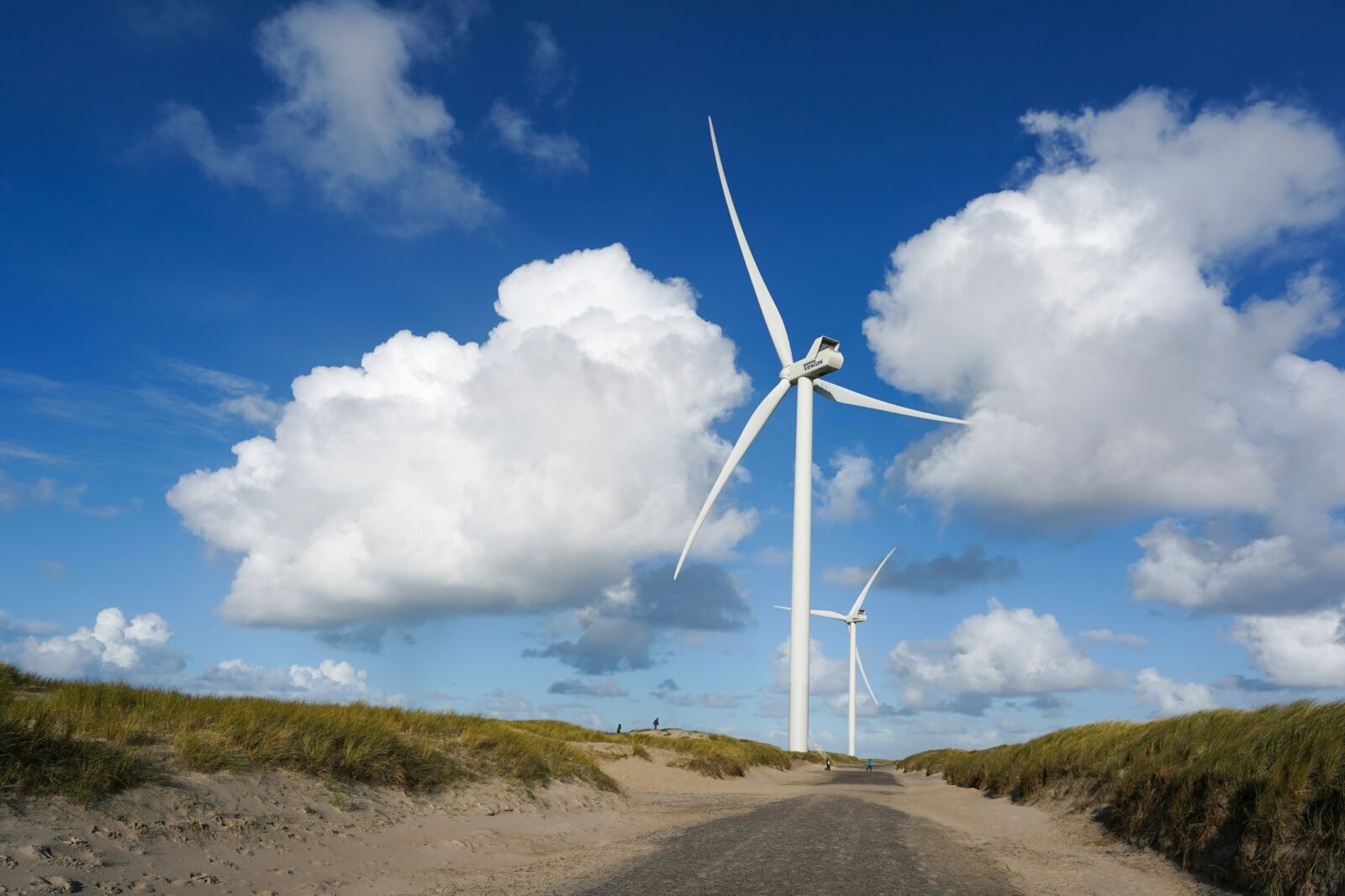
The climate plan has shaped global development priorities, from flood-resilient infrastructure to renewable energy and adaptation finance.
French minister Éléonore Caroit has warned against letting the plan lapse, while U.S. Treasury Secretary Scott Bessent has dismissed its targets as “distortionary.”
For African economies facing overlapping climate and energy challenges, the outcome will determine whether resilience remains central or optional in development finance.
What The Bank Could Lose
The World Bank’s 2021–2025 Climate Change Action Plan was designed to align development finance with the Paris Agreement while scaling support for adaptation and mitigation across developing economies.
Framed as a pathway to “green, resilient and inclusive development,” the Bank increased its ambition to allocate 45% of annual financing to climate-related projects by FY2025.
By 2025, President Ajay Banga had recast this approach as “smart development,” positioning climate investments as integral to protecting livelihoods, infrastructure and economic stability.
World Bank data shows that 48% of financing carried climate co-benefits, while resilience accounted for 43% of the public-sector portfolio, up from about one-third two years earlier.
This framing underscores the stakes of current tensions. Reuters reports that letting the plan lapse could signal weakening political commitment, with projects like solar energy facing greater scrutiny, even as directors representing just over half of voting power continue to back climate engagement.
For African borrowers, the practical implications are easy to picture. A transport corridor built to withstand heavier floods, a mini-grid that cuts diesel dependence, or irrigation that saves water in drought-prone zones may still look like “development” in any ordinary sense.
However, the internal rules that help prioritise and defend such projects matter when financing is scarce and political attention shifts.
Why Preserving The Strategy Still Matters
There is a better path than a blunt rollback. The strongest case for keeping the climate strategy alive is that it has already blurred the false line between development and climate action.
When roads are built to survive floods, when water systems are designed for hotter conditions, or when solar and wind reduce exposure to imported fuel shocks, the gains are economic as much as environmental. Developing countries were still showing strong demand for wind, solar and adaptation projects regardless of how they were labelled.
For African markets, that matters because resilience is increasingly a competitiveness issue. Climate-smart infrastructure can lower long-run losses, reduce fiscal shocks and make capital more durable.
A lending strategy that treats adaptation as core development, not a niche climate add-on, is more aligned with the realities most low- and middle-income countries face.
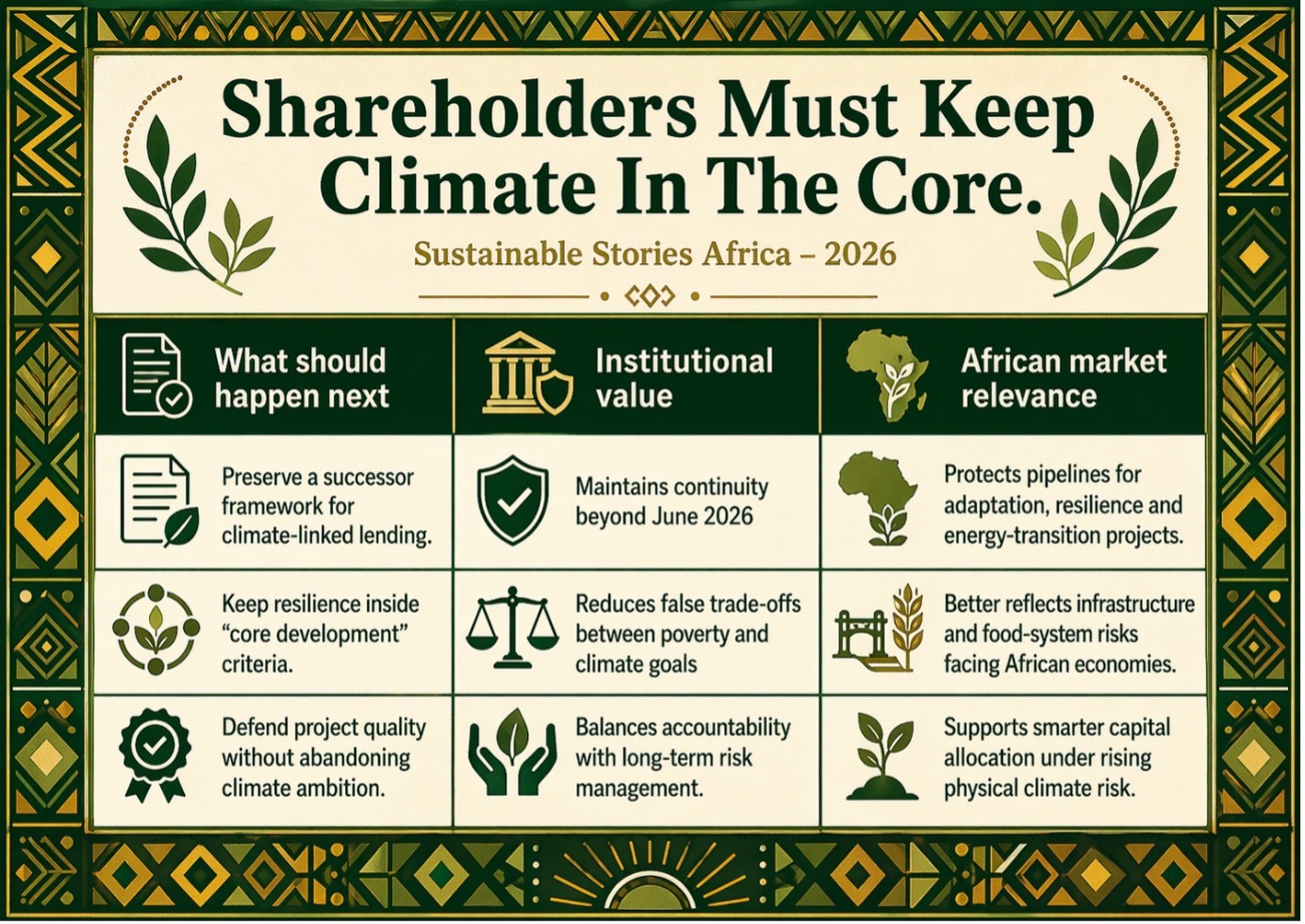
Shareholders Must Keep Climate In The Core
The next move belongs to shareholders and Bank leadership. They do not need to preserve every phrase of the current plan to preserve its substance.
However, they do need to prevent climate resilience, adaptation, and clean energy from becoming politically expendable categories within one of the world’s most important development lenders.
The real test is whether the World Bank continues financing the future people are actually heading into, not the past some shareholders still prefer.
Path Forward – Keep Resilience Inside Development
The clearest compromise is a successor framework that preserves climate resilience, adaptation and clean-energy financing while tightening project quality and delivery standards.
For African markets, the priority is simple: keep development finance aligned with real-world risk.
That is how ESG objectives become economically credible and socially protective at the same time.
Culled From: US pressure puts World Bank's climate plan at risk