Botswana has advanced a 30-year power purchase agreement for a 500MW solar photovoltaic plant with 500MWh battery storage in Maun.
The project matters because Botswana wants to lift renewables from about 8% of its energy mix to 50% by 2030.
If delivered well, the plant could reduce import dependence, stabilise supply and position Botswana as a regional clean-energy player.
Botswana Turns Sunshine Into Strategy
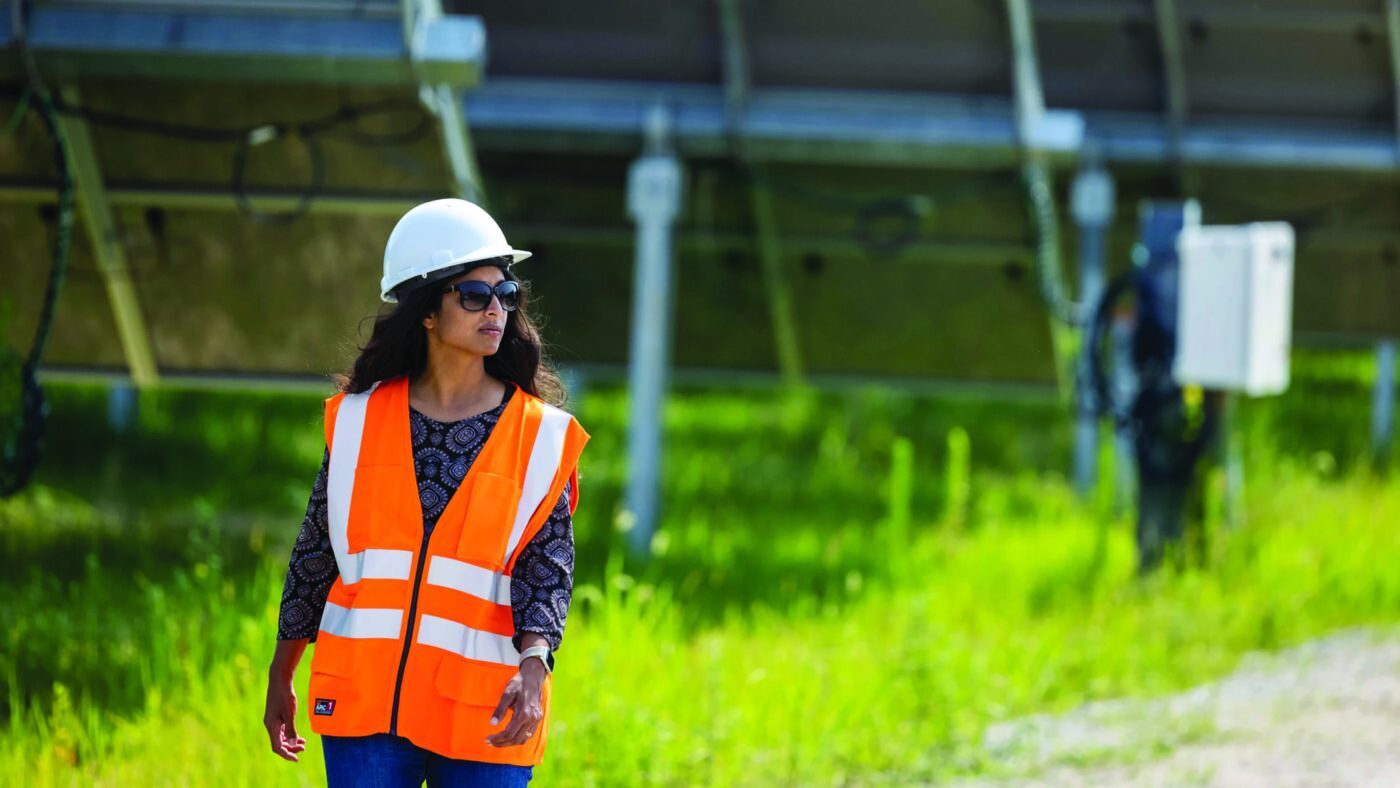
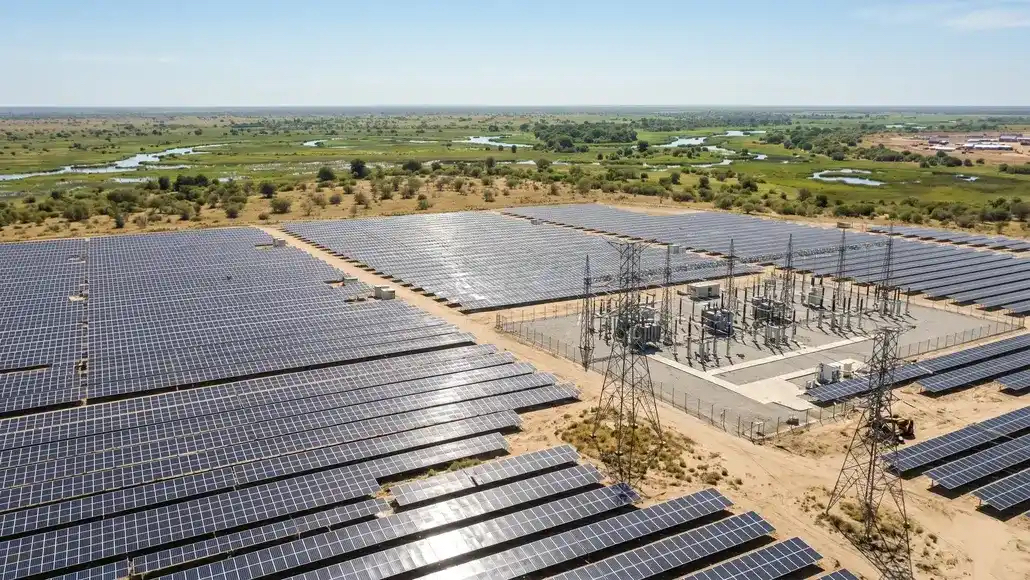
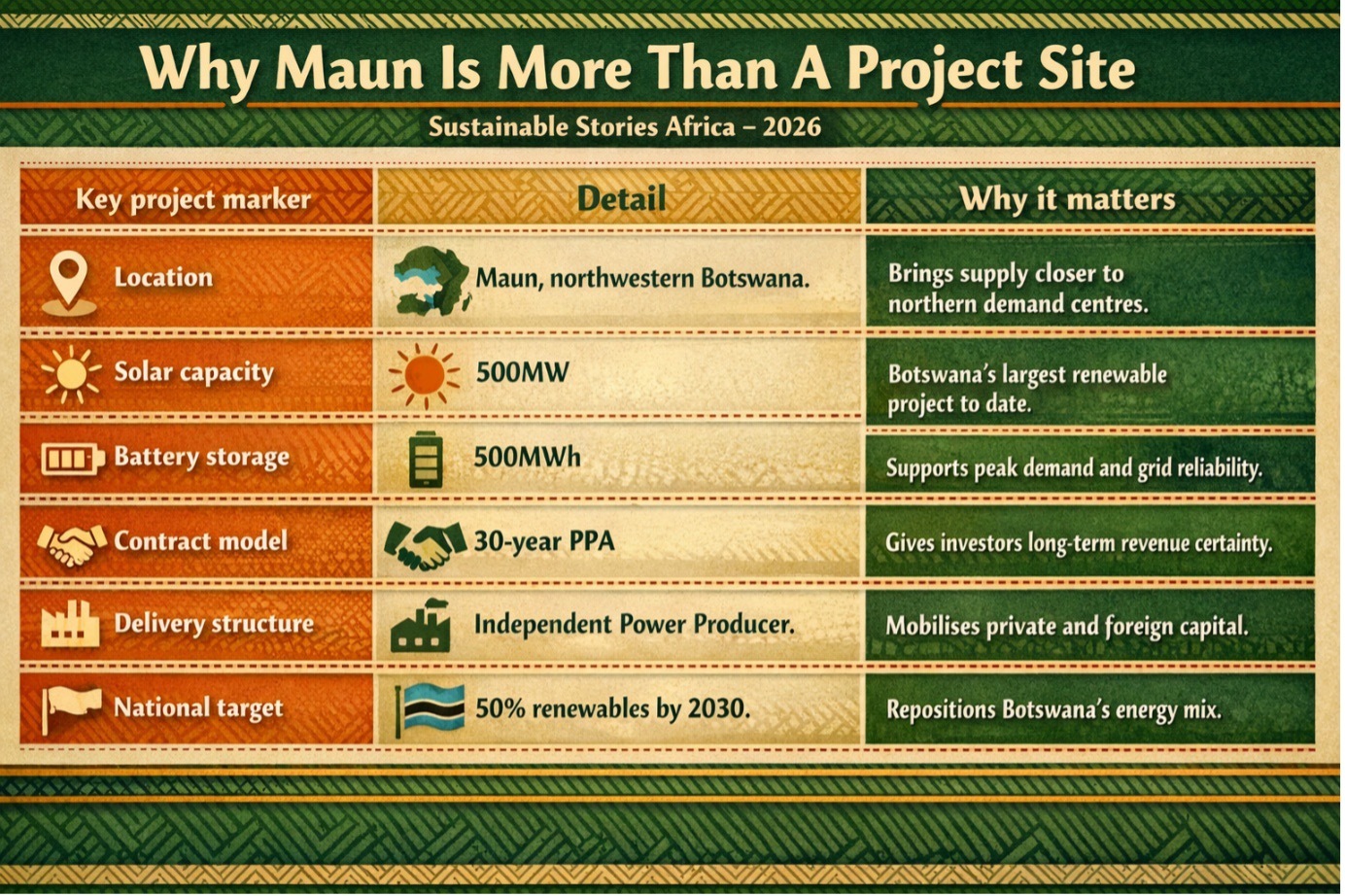
Botswana has broken ground on what is set to become its largest renewable energy project to date: a 500MW solar photovoltaic plant in Maun, backed by 500MWh of battery storage and structured under a 30-year power purchase agreement.
The project, to be developed under an independent power producer model, is tied to Botswana’s wider energy partnership with Oman and will supply clean electricity into the national grid while storing power for peak-demand periods.
The Government says the Maun project forms part of Botswana’s plan to increase the share of renewable energy in its national generation mix to 50% by 2030, up from about 8% today.
For a country long associated with diamonds, coal-fired power and exposure to imported electricity, the deal signals a sharper turn: Botswana is no longer treating solar as an auxiliary technology.
It is moving solar into the centre of national energy security, industrial planning and economic diversification.
President Duma Boko framed the project as evidence that Botswana is shifting “from planning to execution.” The government described the project as a step toward climate action, sustainable development and economic transformation.
Why Maun Is More Than A Project Site
Maun, gateway to the Okavango Delta and an emerging northern load centre, reflects Botswana’s strategy to align energy infrastructure with regional development.
The planned 500MW solar plant will feed the national grid, ease peak demand, and reduce reliance on costly electricity imports, leveraging over 3,200 annual sunshine hours and strong solar irradiation for domestic supply and potential exports. Implemented by O-Green, a subsidiary of the Oman Investment Authority, in partnership with Botswana Power Corporation, the project marks the first step in a broader Oman-Botswana energy collaboration targeting up to 3,000MW.
It also sits within a broader package to cover renewable energy, mineral exploration, and fuel infrastructure, supporting Botswana’s push to diversify beyond diamonds amid declining revenues.
For households and businesses, the impact is immediate: more reliable power for clinics, schools, tourism operators, and small enterprises, alongside reducing diesel dependence and improving service delivery in the Maun region.
The Gains Go Beyond Megawatts
If delivered on schedule and at scale, Botswana’s Maun solar project offers more than new capacity; it establishes a platform for lower-carbon growth.
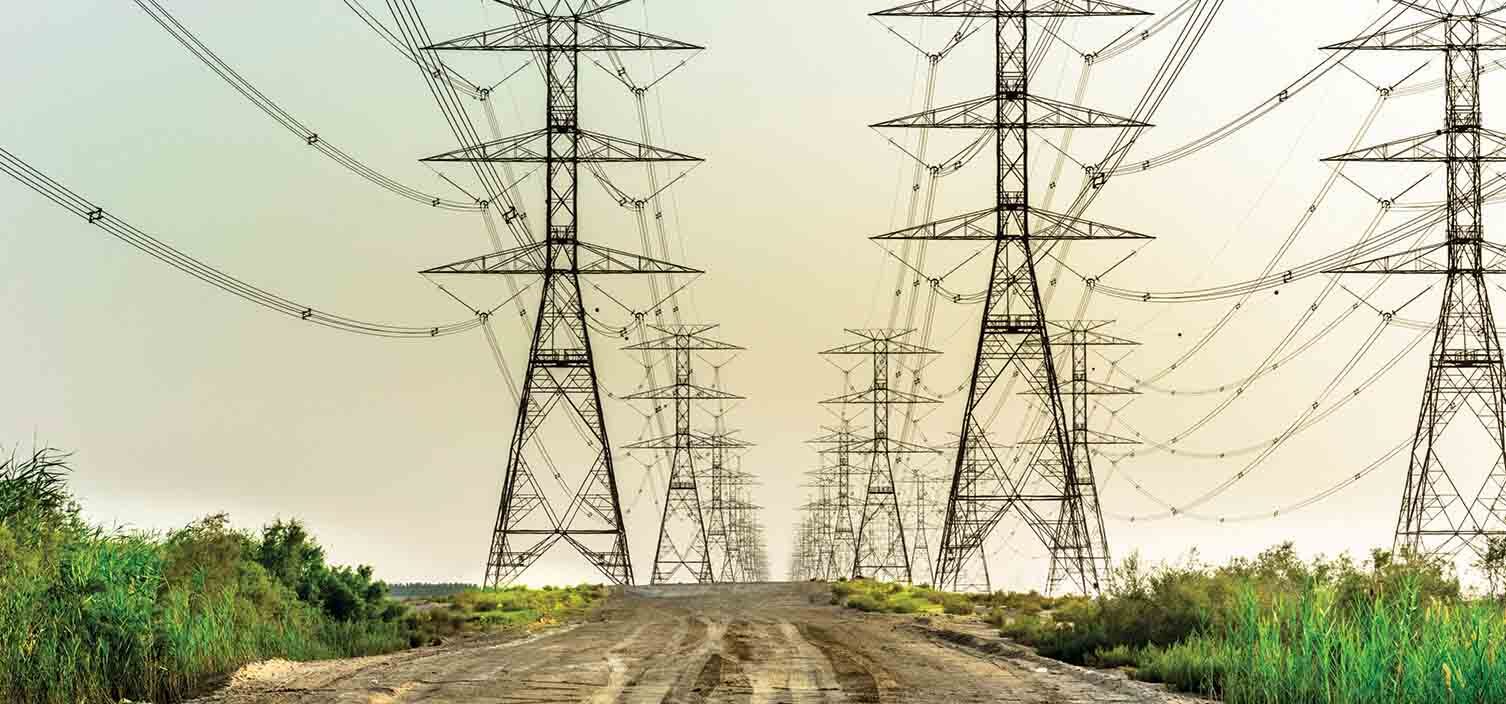
It strengthens energy security by reducing import dependence, particularly during regional supply shocks, while a 30-year power purchase agreement enhances investment credibility by providing a bankable structure for long-term capital.
The project also advances ESG alignment through lower emissions, cleaner electricity, and stronger climate positioning for export-oriented industries.
Beyond this, it signals regional ambition, with capacity expected to more than double national generation and battery storage improving grid reliability.
At 500MW, the project represents core system infrastructure. With supporting transmission upgrades, transparent tariffs and credible planning, positioning Botswana to shift from energy vulnerability to energy optionality.
Execution Must Now Carry The Deal
The next test is not the announcement; it is delivery.
Botswana will need clear commissioning timelines, credible financial close, grid-connection readiness, environmental safeguards and transparent public reporting.
- Solar generation without transmission capacity can become a stranded ambition.
- Battery storage without operational discipline can underperform.
- A long-term PPA without tariff clarity can create future fiscal strain.
For policymakers, the lesson is direct:
- Renewable energy is now an industrial competitiveness tool.
For financiers:
- Botswana’s deal shows why African clean-power markets need bankable contracts, sovereign coordination and credible offtakers.
For citizens:
The accountability question is simpler: will this project make electricity cleaner, steadier and more affordable?
The Maun solar deal should therefore be treated as a national delivery contract, not a ceremonial milestone.
Its success will depend on whether Botswana can convert sunshine, diplomacy and investor interest into dependable power.
Path Forward – Build Solar, Strengthen Grid Confidence
Botswana’s priority is disciplined execution: financial close, construction milestones, storage integration, grid upgrades and transparent public updates.
The project can advance energy security only if delivery keeps pace with ambition.
For African markets, Maun offers a wider lesson. Clean-energy leadership now depends on bankable projects, regional partnerships, strong offtakers and infrastructure that turns renewable potential into real electricity for people, firms and communities.
Culled From: Botswana signs 30-year deal for 500MW solar plant, its largest renewable project yet - Energy in Africa