Namibia and Angola have signed agreements to advance the Angola-Namibia Power Interconnection Project, creating the first grid link between the two neighbours.
The deal matters because Namibia remains exposed to risks associated with imported electricity, while Angola wants to monetise surplus generation.
If delivered by 2029, ANNA could strengthen industrial supply, regional power trade and Southern Africa’s climate-resilient infrastructure agenda.
A Border Line Becomes Power Infrastructure
Namibia and Angola have moved from ambition to execution on a cross-border electricity link that could reshape power security in Southern Africa, signing agreements in Luanda for the Angola-Namibia Power Interconnection Project, known as ANNA.
The deal brings together Namibia Power Corporation, NamPower, and Angola’s Rede Nacional de Transporte de Electricidade, RNT-EP, under a joint development agreement and a power purchase agreement.
The project is designed to connect the two national grids for the first time and link Angola more directly to the Southern African Power Pool, opening a new corridor for electricity trade, supply diversification and regional resilience.
The interconnector component has been reported at N$941 million, approximately between $52 million and $57.5 million
Namibia has approved about N$4 billion in broader funding support for NamPower’s capital contribution and associated network infrastructure.
That broader capital envelope explains why the project is being framed in some market reporting as a roughly $244 million strategic grid deal.
Why This Grid Link Matters Now
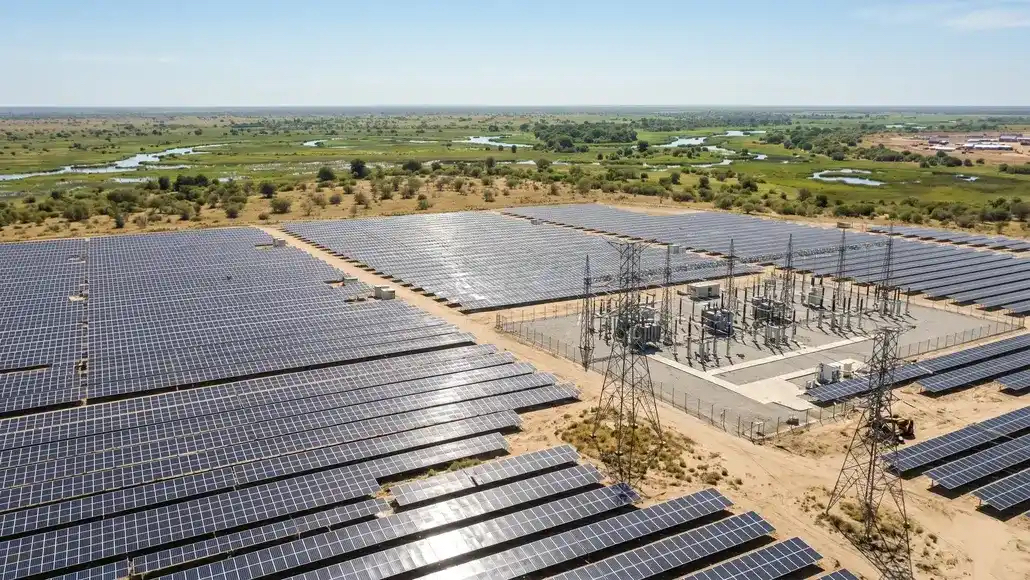
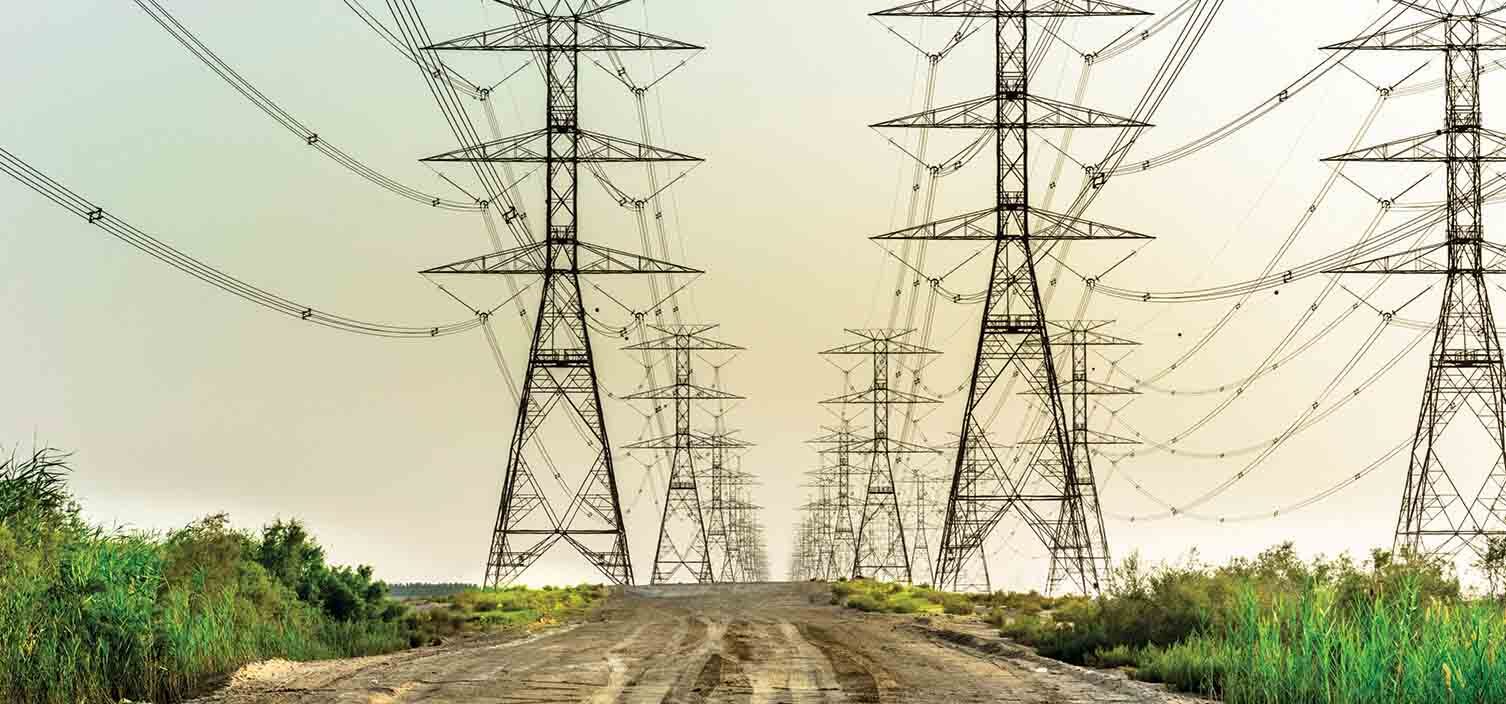
At the centre of ANNA is a 166kilometre, 400kV transmission line linking Namibia’s Kunene substation to Cahama in Angola, including about 30 kilometres on the Namibian side.
The package also includes transformers, substation equipment, a static VAR compensator and a second 270-kilometre line between Omatando and Otjikoto.
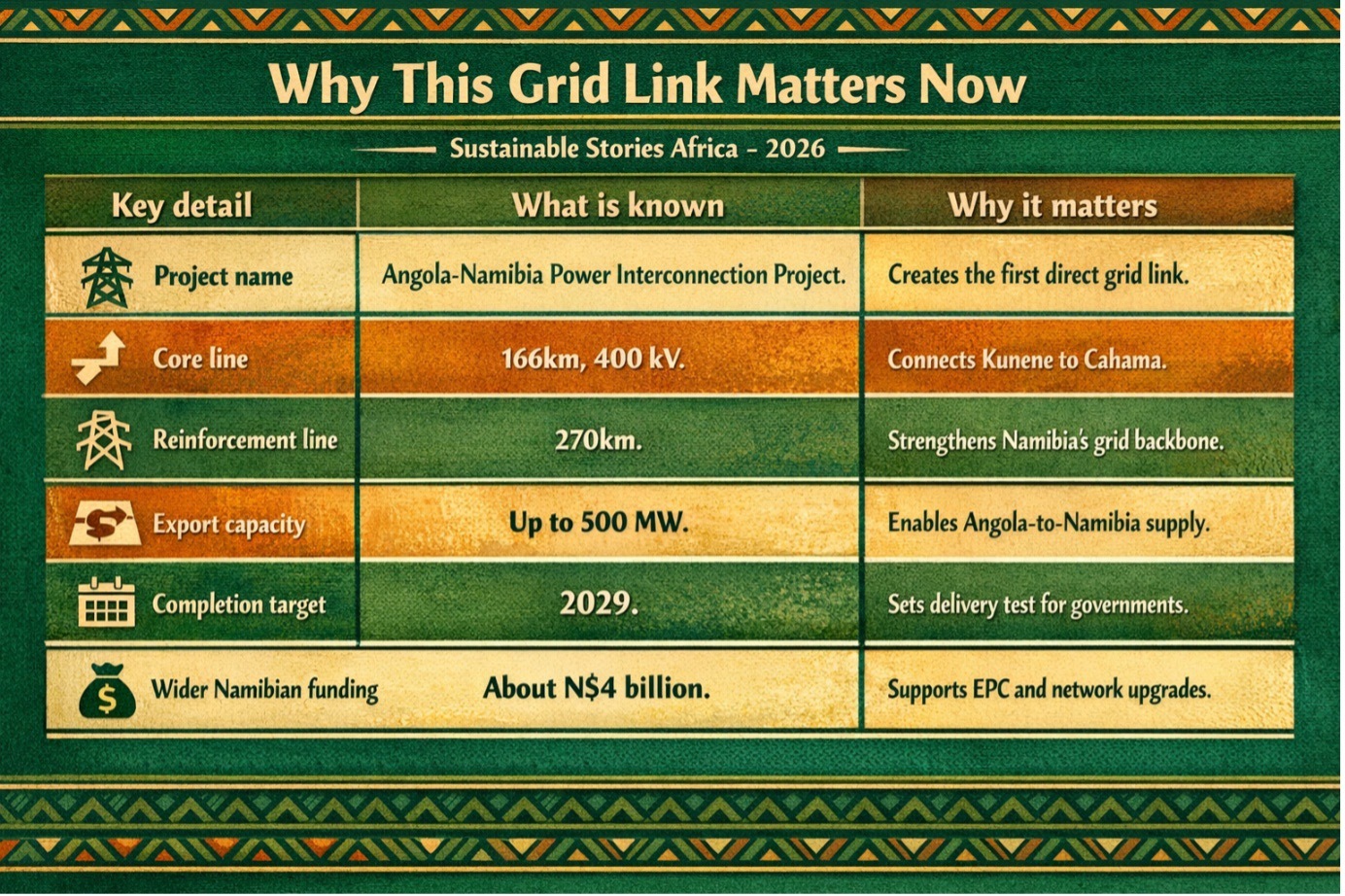
Angola says the project could enable electricity exports of up to 500M, with 300MW secured under a take-or-pay arrangement and the remainder available to wider SADC markets.
- For Namibia, the logic is practical. More reliable electricity supports industry, from cold-chain operations and mining services to border-town workshops and hospitals, reducing diesel use, lowering operating risk and improving the economics of local production.
- For Angola, the opportunity is strategic: converting hydro and renewable capacity into an export product. As Minister Modestus Amutse said, the project is more than a transmission line; it is a strategic instrument connecting economies, institutions and people.
Desire: What Reliable Regional Power Can Unlock
If delivered well, ANNA could do three things at once:
- Improve Namibia’s energy security
- Create a commercial route for Angola’s surplus power
- Deepen the Southern African Power Pool as a real market rather than a policy aspiration.
That matters in a region where drought, ageing infrastructure, delayed investment and demand growth have exposed the limits of national power systems.
Cross-border grids allow countries to share resources, smooth supply shocks, and reduce the need for expensive emergency generation.
NamPower managing director Kahenge Haulofu said the project creates an opportunity to optimise and share energy resources while supporting the evolving needs of the Southern African Power Pool.
The ESG implications are also significant. Regional power trade can support cleaner electricity use where imports displace diesel generation.
It can improve governance if procurement, tariffs and power purchase agreements are transparent.
It can also strengthen social outcomes if grid investments translate into more reliable electricity for households, SMEs, clinics and schools.
Execution Must Now Match Ambition
The signing ceremony is the easy part. The harder work begins with procurement, construction discipline, tariff clarity, environmental safeguards and public accountability.
The project has already passed feasibility work covering technical, economic, financial and environmental assessments, according to local reporting.
The next phase includes contracting construction works, supervision and eventual commissioning for commercial operations.
- For investors and policymakers, the message is clear: Africa’s energy transition will not be built only through generation projects. It also needs transmission corridors, voltage support, credible offtake arrangements, regional trading rules and institutions capable of coordinating across borders.
- For citizens, the measure of success will be simpler. Does the power arrive? Is it affordable? Does it help businesses operate longer, farmers process more produce, and communities rely less on costly backup systems?
Path Forward – Build, Govern, Trade, Deliver Power
ANNA now needs disciplined delivery: bankable contracts, transparent funding, environmental management and firm timelines.
The 2029 target gives Namibia and Angola a clear window to convert political cooperation into functional infrastructure.
For African markets, the bigger promise is regional. If ANNA works, it automatically shows how cross-border grids advance energy security, industrial competitiveness, climate resilience and ESG-aligned infrastructure.
Culled From: Namibia, Angola seal $244 million deal to link power grids - Energy in Africa