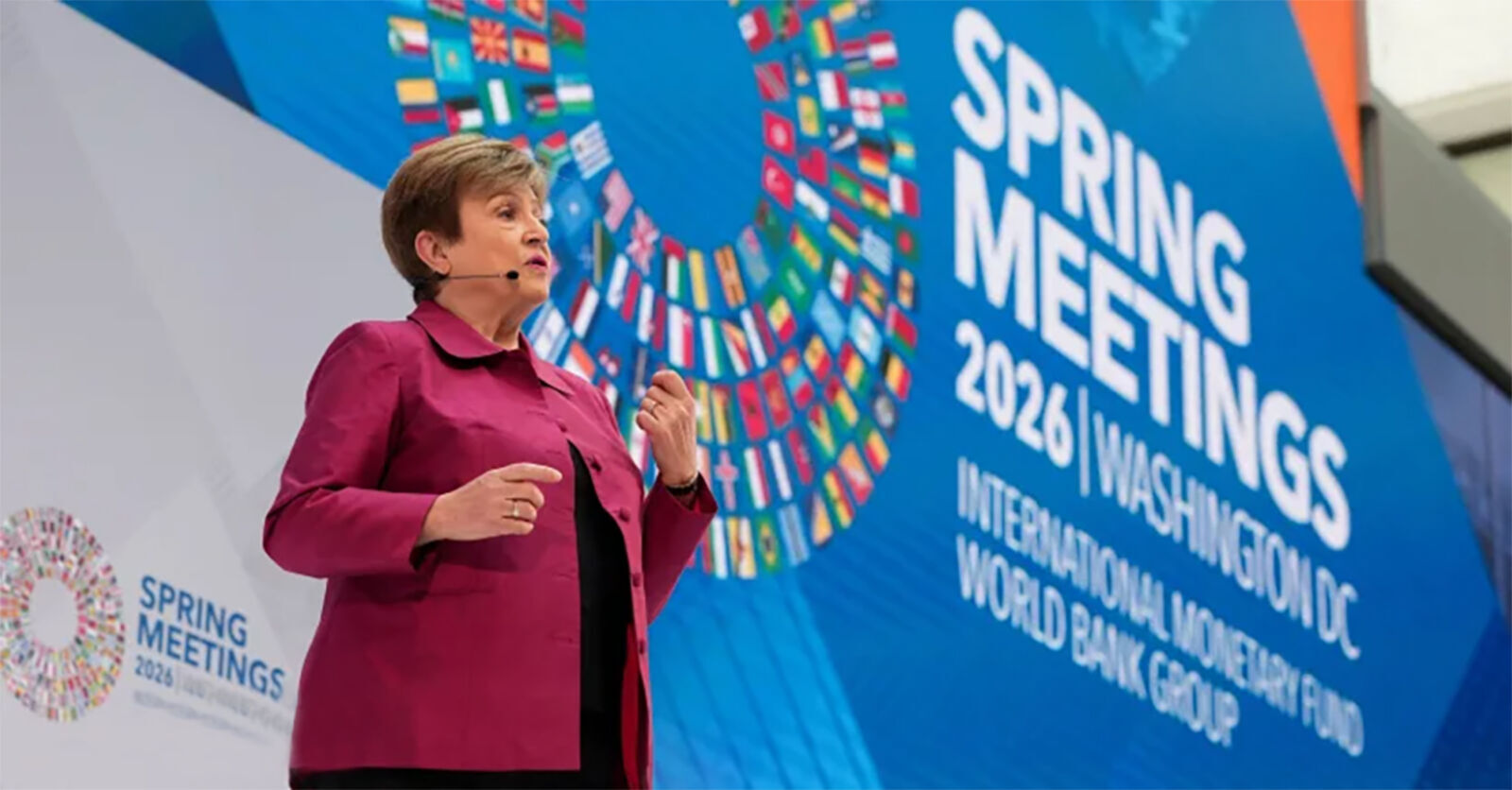
The World Bank Group used its 2026 Spring Meetings to frame access to electricity as central to jobs and growth strategy, not only an infrastructure challenge.
The April 15 session highlighted reliable, affordable energy as a foundation for businesses, productivity, services and private investment.
For Africa and other emerging markets, the stakes are immediate: without power, job promises remain trapped in policy speeches.
Power Is Now A Jobs Question
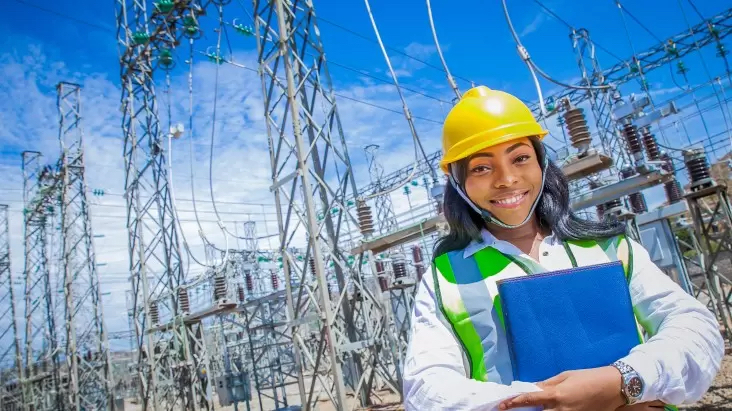
Reliable electricity has moved from the margins of development debate to the centre of the jobs conversation, after the World Bank Group used its 2026 Spring Meetings to argue that affordable power is one of the strongest foundations for business growth, productivity and employment.
The April 15 session, “Driving Growth and Jobs through Energy,” highlighted how access is being scaled through modernised grids, diversified technologies and country-led solutions that balance reliability, cost and emissions under the wider theme of “building prosperity through policy.”
The numbers underscored the stakes: 215 million people have already gained new or improved access to electricity through current World Bank Group programmes, to reach 575 million.
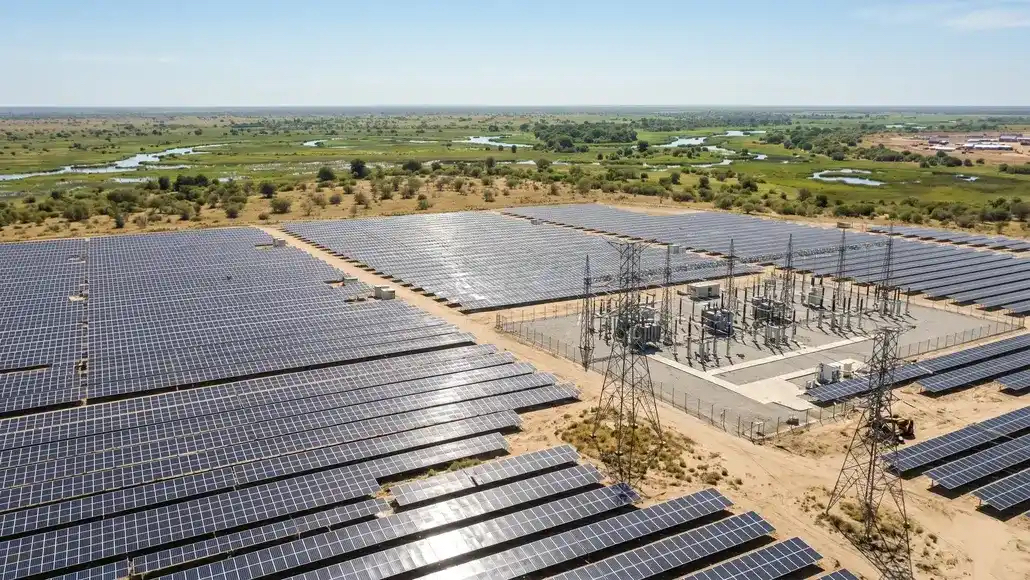
In Africa, the Bank’s Mission 300 initiative with the African Development Bank and partners aims to connect 300 million people by 2030, a shift measured in longer trading hours, preserved produce and clinics able to deliver care beyond the life of a generator.
Interest: Access, Productivity, and Industry Connect
The World Bank Group’s message is that electricity access is about productive power, not just household lighting.
It is the energy that keeps workshops open, enables refrigeration, powers irrigation, supports digital tools and allows small businesses to become employers.
Jessica Stiefler of MIGA called energy “a foundation for jobs, productivity, and growth,” and World Bank energy specialist Ashish Shrestha warned that electricity demand could double over the next decade, making speed and scale critical.
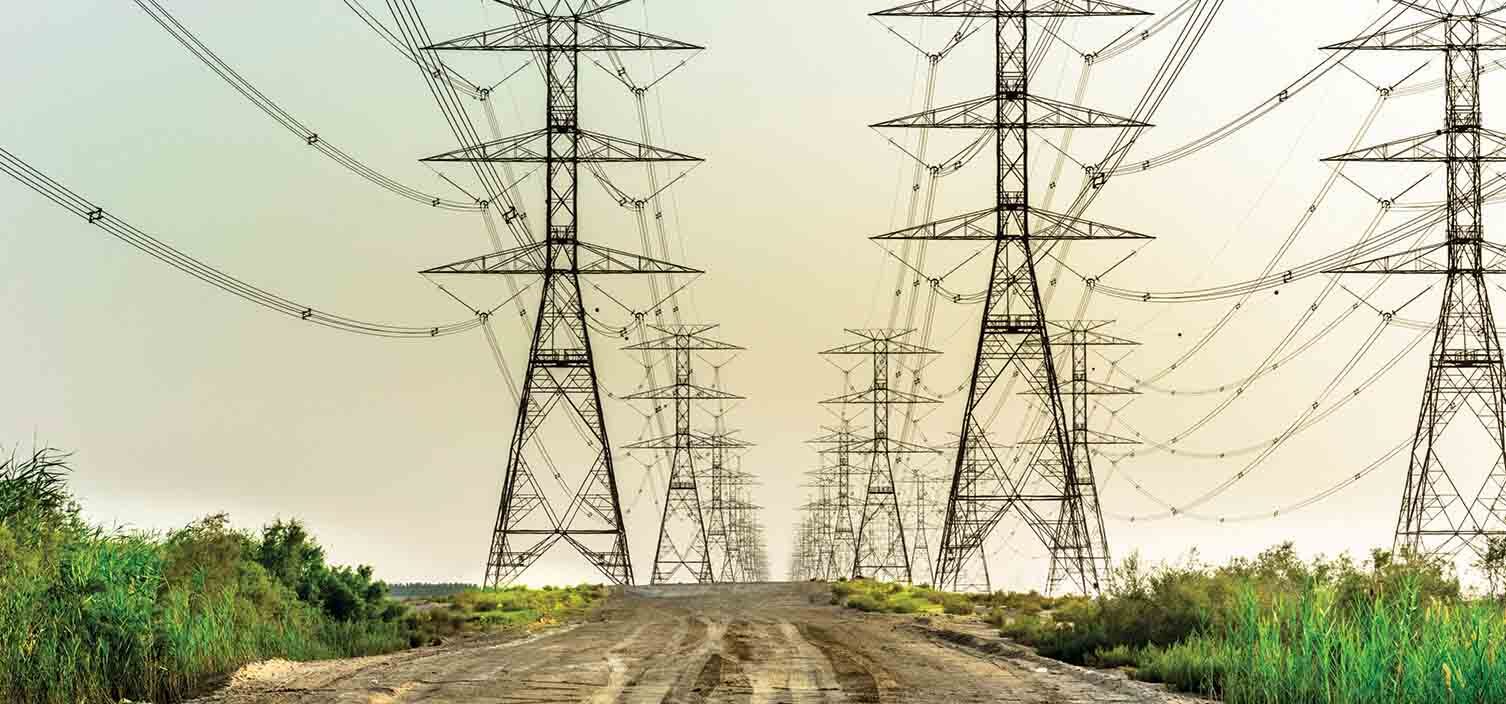
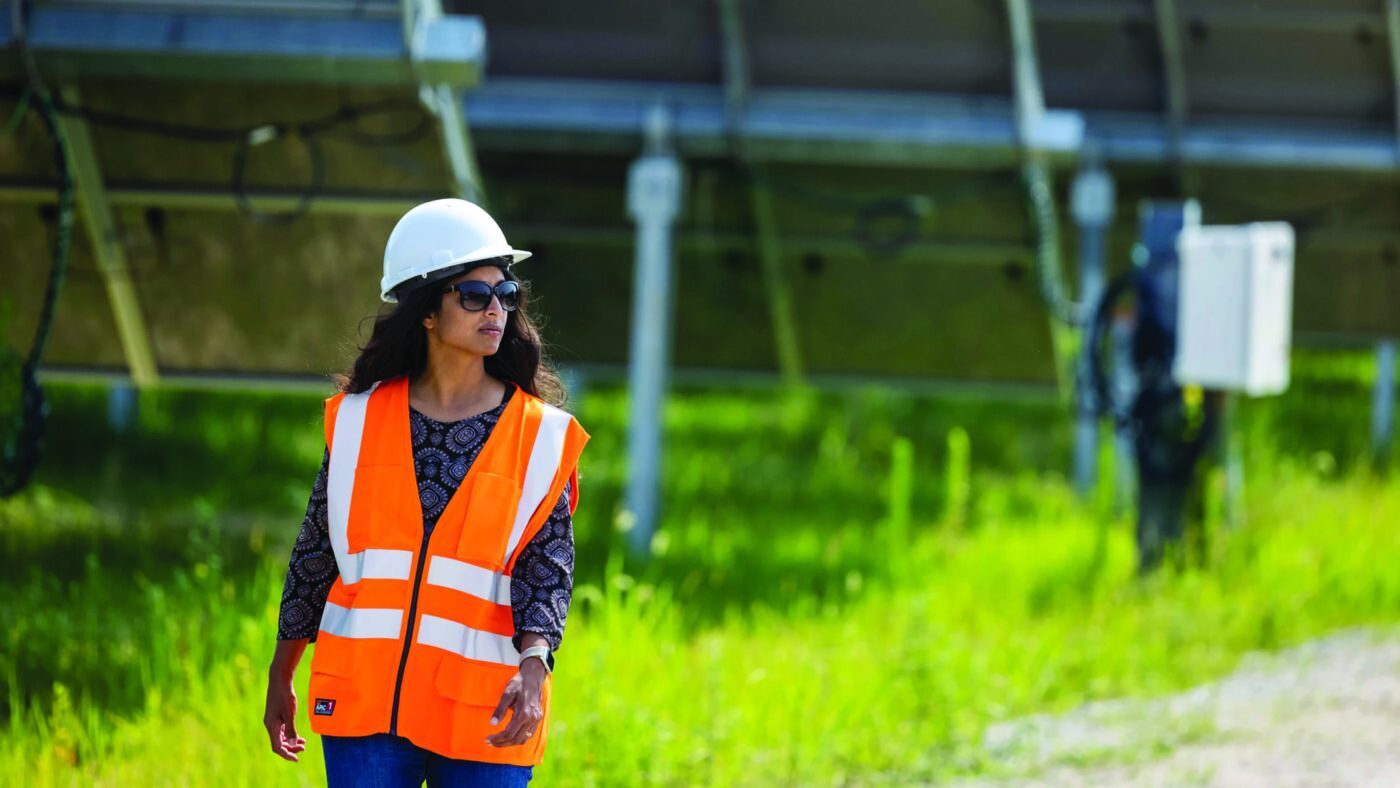
The Bank’s approach is pragmatic: strengthen grids and utilities, add more supply, and use replicable investment models that bundle projects, reduce risk and mobilise private capital without overloading public debt.
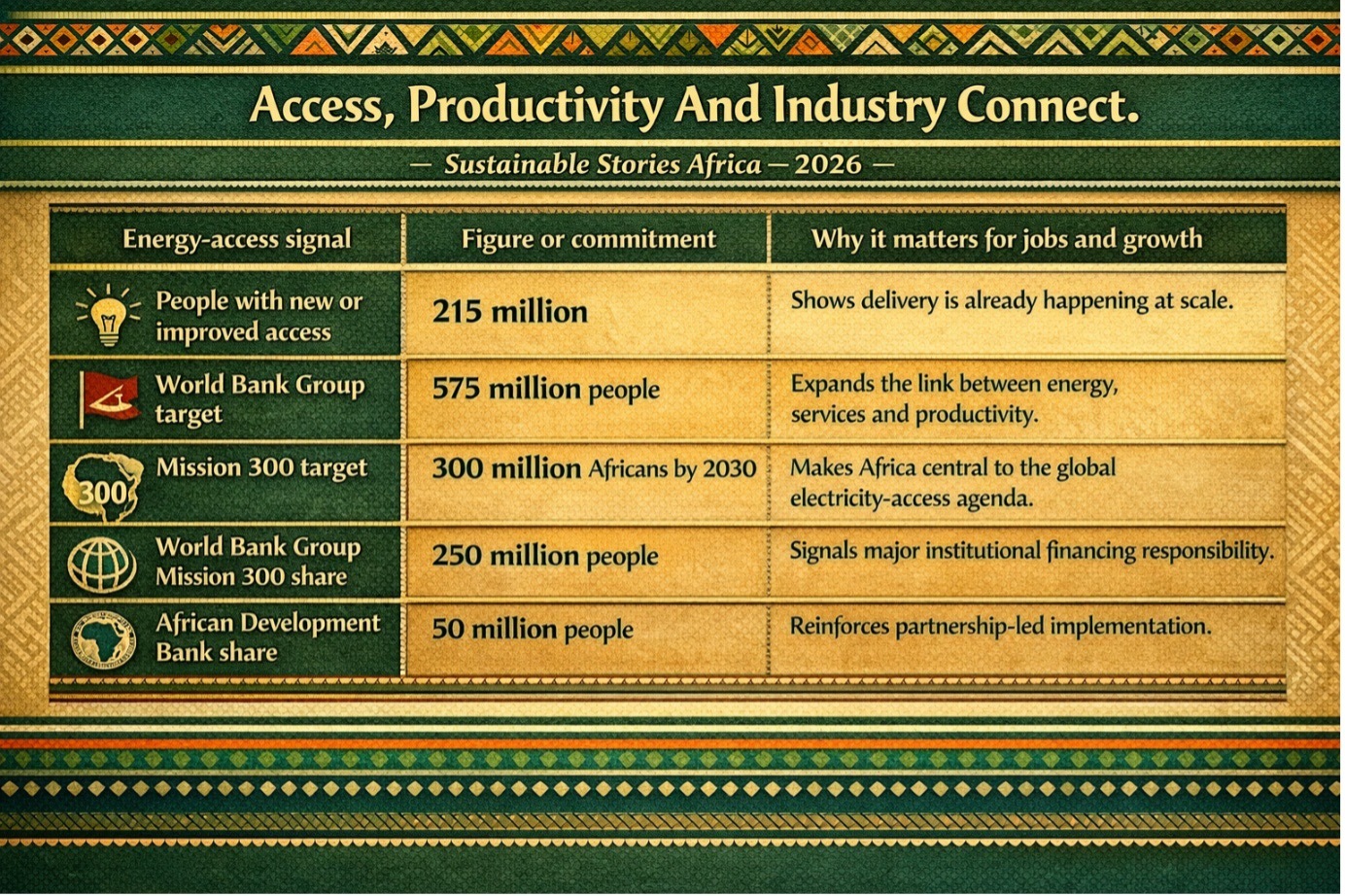
The Rockefeller Foundation, a Mission 300 partner, similarly frames electricity as an accelerator for jobs, noting a looming gap between 1.2 billion new workers and only about 400 million projected jobs.
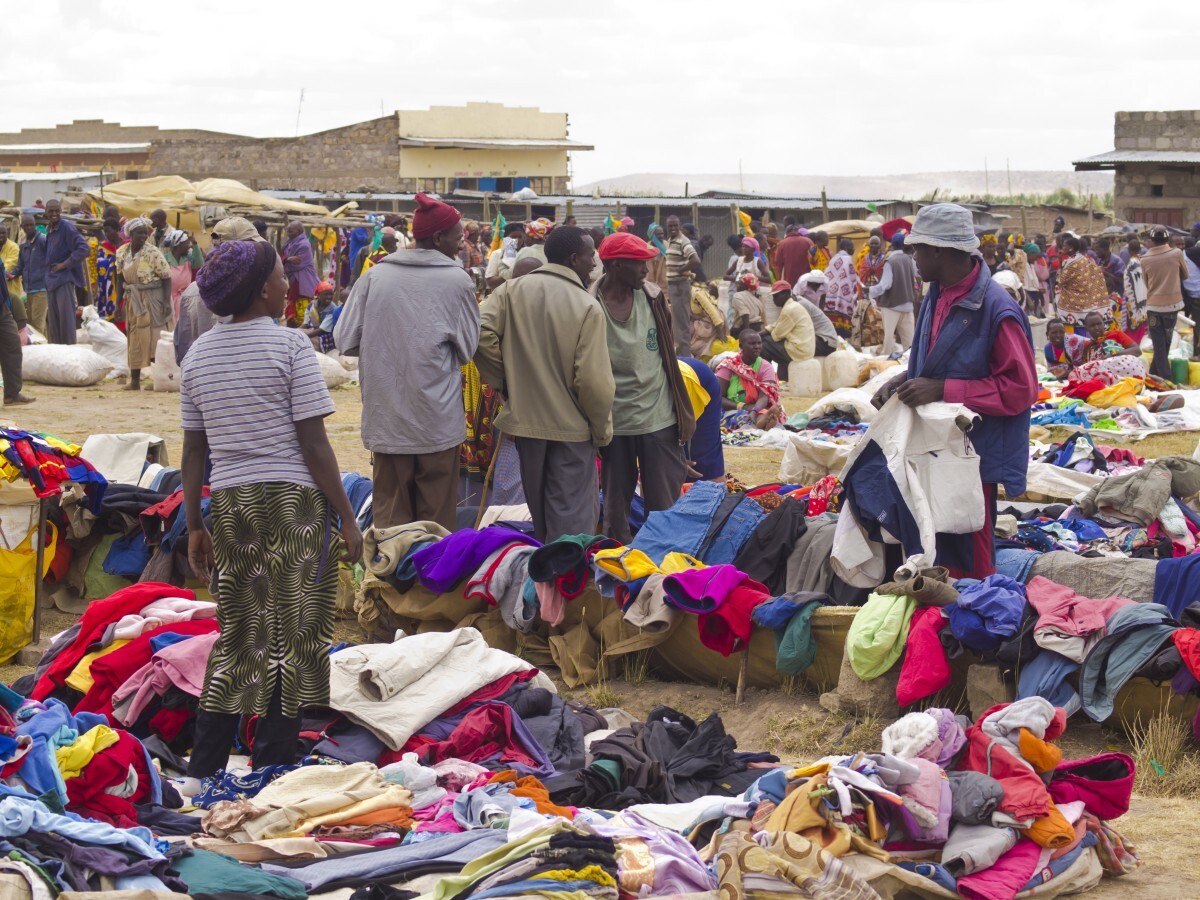
For Africa, this is also an industrialisation gap, visible in farms without cold storage, workshops without reliable power, schools and hospitals constrained by diesel.
What Reliable Electricity Can Unlock
When electricity becomes reliable and affordable, the economic story changes. Small shops can refrigerate drinks and medicines.
Farmers can irrigate during dry spells. Women-led enterprises can extend trading hours.
Young people can work in solar installation, mini-grid operations, appliance repair, digital services and small manufacturing.
The opportunity is not only new jobs in the power sector. There are better jobs across the economy.
The Rockefeller Foundation highlighted examples in which mini-grid connections supported higher income for a vendor in Zambia, irrigation for farmers, grain milling, refrigeration and reduced post-harvest losses.
In Kenya, it said farmers using solar-powered cold rooms reduced post-harvest losses from highs of 40% to under 5%.
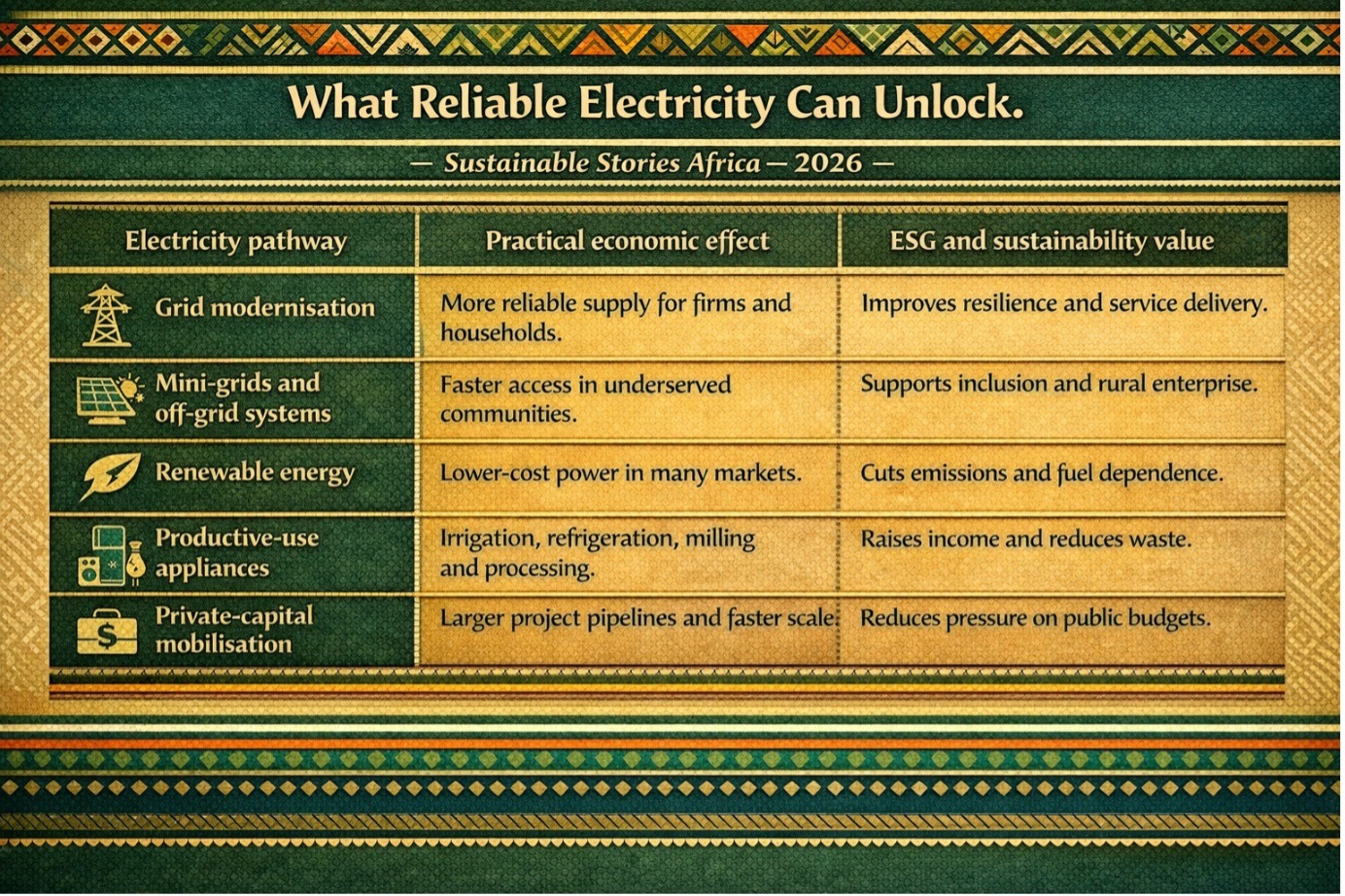
The upside is therefore systemic. Reliable power supports education, health, food security, digital inclusion and local manufacturing.
It also strengthens ESG outcomes by reducing diesel dependence, improving resilience and creating measurable development impact.
Energy Reform Must Become Investable
The challenge now is execution.
- Governments need cost-reflective but socially responsible power markets, stronger utilities, transparent procurement and policies that encourage private capital without abandoning affordability.
- Development finance institutions need to reduce risk, support bankable pipelines and help countries choose the least-cost energy mixes suited to national realities.
For African markets, the priorities are clear: accelerate grid investment, expand decentralised renewable energy, support productive-use appliances, strengthen regulation, and connect electricity access to jobs strategies.
Power projects should not end at connection numbers; they should measure business creation, income growth, service reliability and emissions impact.
Path Forward – Make Power Productive And Inclusive
Electricity access must be planned around jobs, firms and community productivity.
That means pairing generation and grids with finance, appliances, skills, digital access and reliable regulation.
For ESG and sustainability, the next test is measurable impact: cleaner power, stronger livelihoods, lower waste, resilient services and growth that reaches underserved communities.
Without electricity, development slows. With it, markets can finally move.