France Moves to Keep World Bank Climate Finance on the Table
France and other World Bank shareholders are seeking a way to preserve the lender’s climate finance strategy after its current plan expires at the end of June.
The debate matters because the World Bank has become a central financier of climate-resilient development across emerging markets.
For African economies, the outcome could shape future funding for energy access, adaptation, food systems and disaster resilience.
A June Deadline Tests Climate Finance
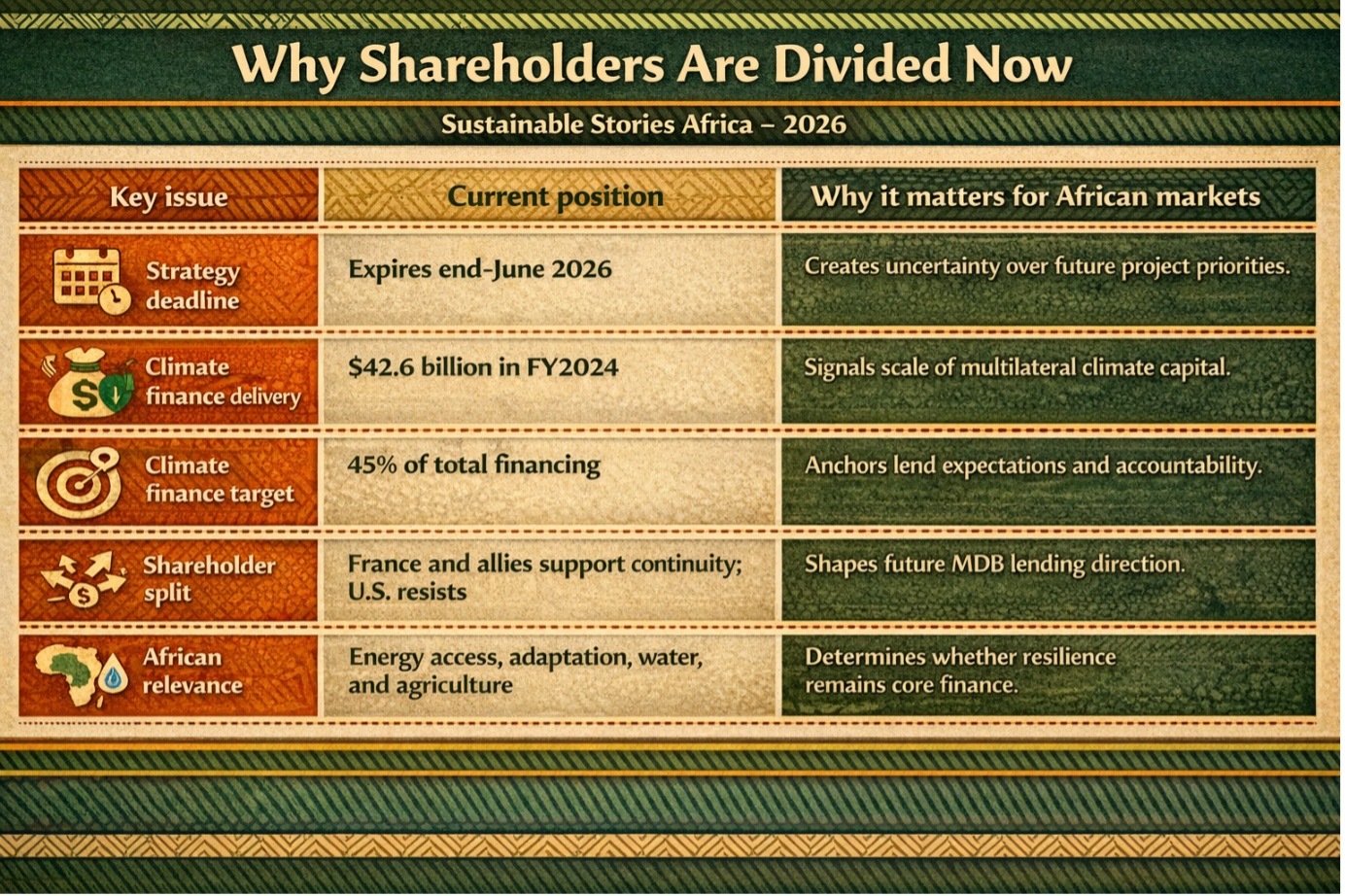
France is pushing to keep the World Bank’s climate finance strategy alive after the lender’s current Climate Change Action Plan expires at the end of June 2026, setting up a shareholder debate over whether climate should remain central to development finance or be folded into a broader post-June framework.
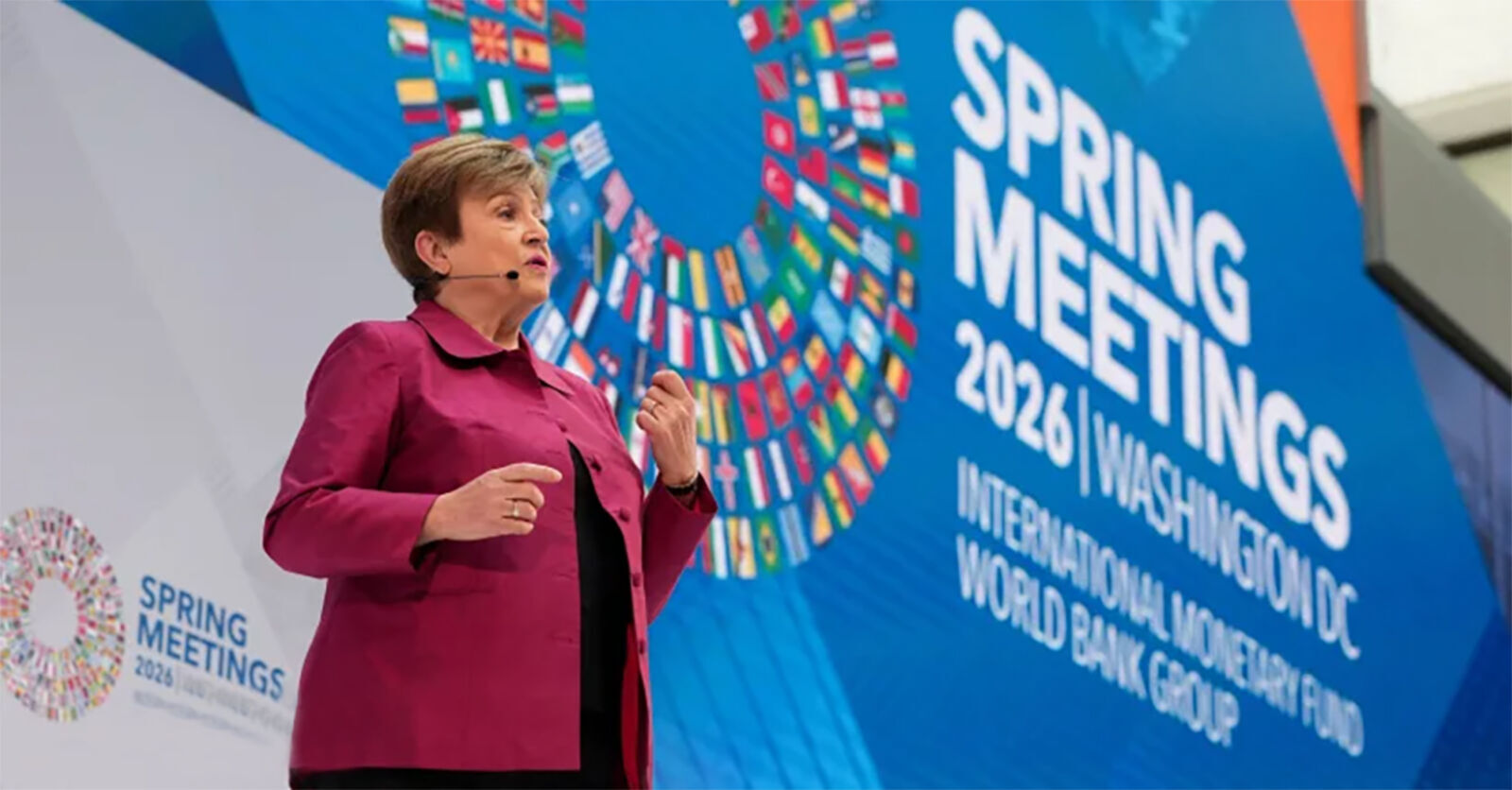
Speaking at the IMF and World Bank Spring Meetings in Washington, French Development Minister Éléonore Caroit said shareholders were discussing how to preserve the core benefits of the World Bank’s climate strategy, even as the United States has pressed for a shift away from climate-focused lending toward traditional development priorities and fossil fuel projects.
The issue is bigger than one policy document. It is a contest over how the world’s largest development lender defines poverty reduction in an era of floods, droughts, energy shocks, food insecurity and rising debt pressure.
For African markets, the answer could shape whether future World Bank financing treats climate resilience as a development essential or a negotiable add-on.
Why Shareholders Are Divided Now
The World Bank’s current climate strategy embeds climate action into its lending model through Paris alignment, climate targets and its Green, Resilient and Inclusive Development approach.
In fiscal year 2024, it delivered a record $42.6 billion in climate finance.
That strategy is now under pressure. U.S. Treasury Secretary Scott Bessent criticised climate targets as ineffective and backed a shift toward critical minerals and traditional poverty reduction priorities.
France has pushed back, insisting the Bank should retain its climate finance target and arguing that climate action remains central to development, jobs and resilience.
For vulnerable communities and utilities across Africa, the outcome matters. It will shape access to concessional finance for irrigation, power, resilient roads, water systems and disaster preparedness.
What Continuity Could Protect
If France and like-minded shareholders succeed, the World Bank could retain climate as a visible organising principle while adapting the language and mechanics of its next financing framework.
That matters because climate finance is now a delivery tool for development outcomes. Adaptation investments can reduce losses from floods and drought.
Clean-energy finance can support electricity access without locking countries into volatile fuel costs.
Resilient infrastructure can protect schools, hospitals, transport corridors and small businesses from climate shocks.
World Bank President Ajay Banga has increasingly framed climate-linked work as “smart development,” integrating resilience, jobs, energy and poverty reduction into a single narrative rather than treating climate as a standalone agenda.
For Africa, that framing could be useful if it keeps money flowing while reducing ideological gridlock.
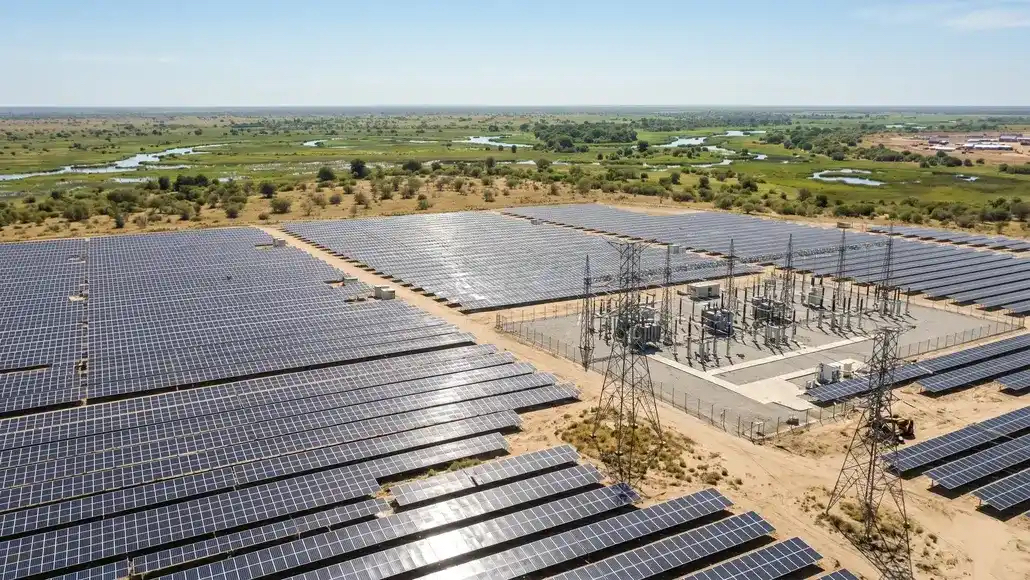
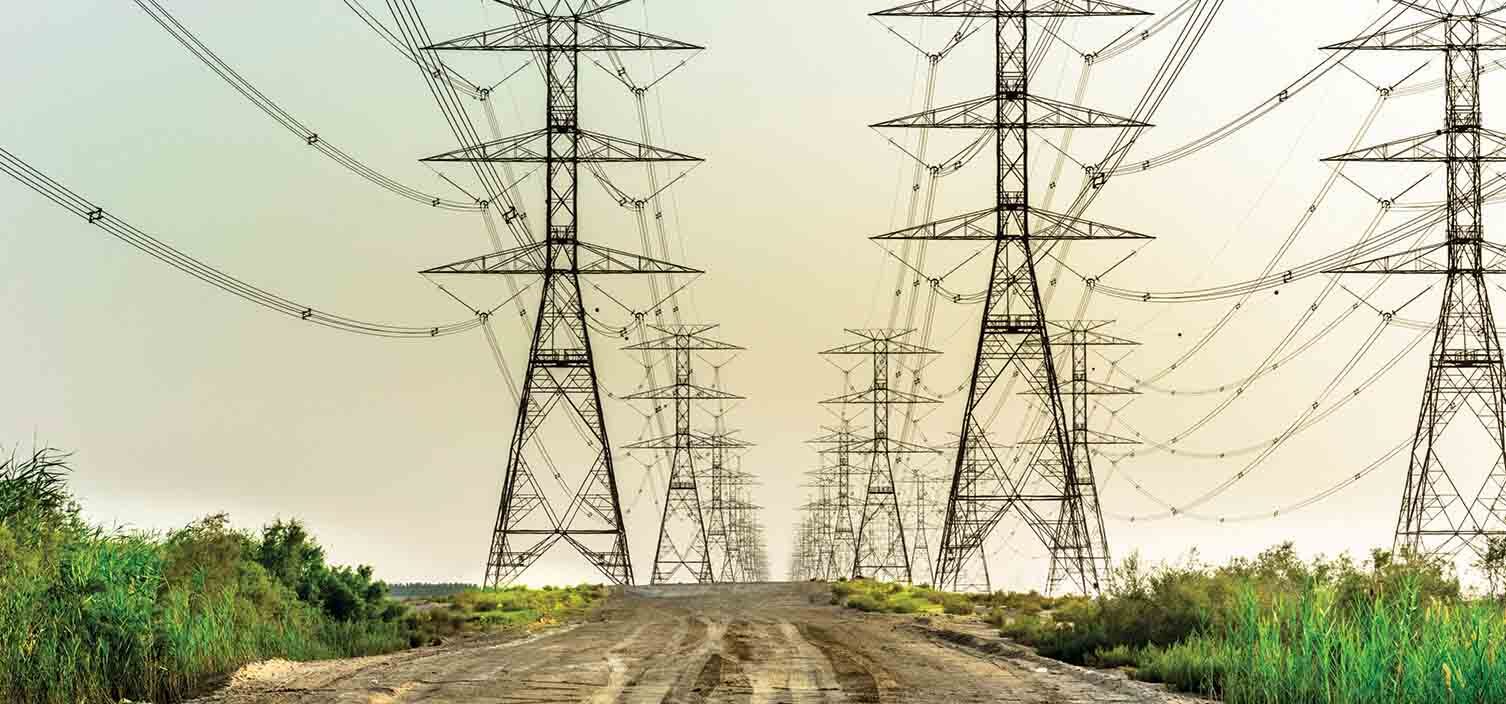
The region needs practical capital, not slogans: transmission lines, mini-grids, drought-resilient agriculture, flood control, early-warning systems, urban drainage and cleaner cooking.
The danger is that a softer label could weaken measurable targets unless shareholders preserve transparency and accountability.
The Next Framework Must Be Measurable
For World Bank shareholders, the immediate task is to avoid a policy vacuum after June.
Any successor framework should protect climate finance volumes, ensure Paris-aligned project screening, and resilient adaptation financing for vulnerable economies.
It must also show how jobs, minerals, energy security and infrastructure can be financed without weakening climate safeguards.
Critical minerals may support clean-energy supply chains, but projects still need environmental standards, community protections and transparent benefit-sharing.
For African policymakers, this is the moment to shape the outcome, not absorb shareholder compromise.
Governments, development banks, civil society and financiers should back bankable local projects with credible metrics, public reporting, adaptation results, and clear protections against climate and debt risks, linking finance to household, business and infrastructure resilience outcomes.
Path Forward – Preserve Targets, Fund Resilient Development
The post-June World Bank framework should keep climate finance measurable, development-focused and accountable.
France’s push matters because losing targets could weaken market confidence and reduce pressure to fund resilience where it is most needed.
For Africa, the priority is practical: more capital for energy access, adaptation, food security, water systems and climate-resilient infrastructure.
The test is whether shareholders can protect climate ambition while establishing development finance that is faster, fairer and more usable.
Culled From: France Pushes to Preserve World Bank Climate Strategy as Shareholders Seek Post-June Financing Framework