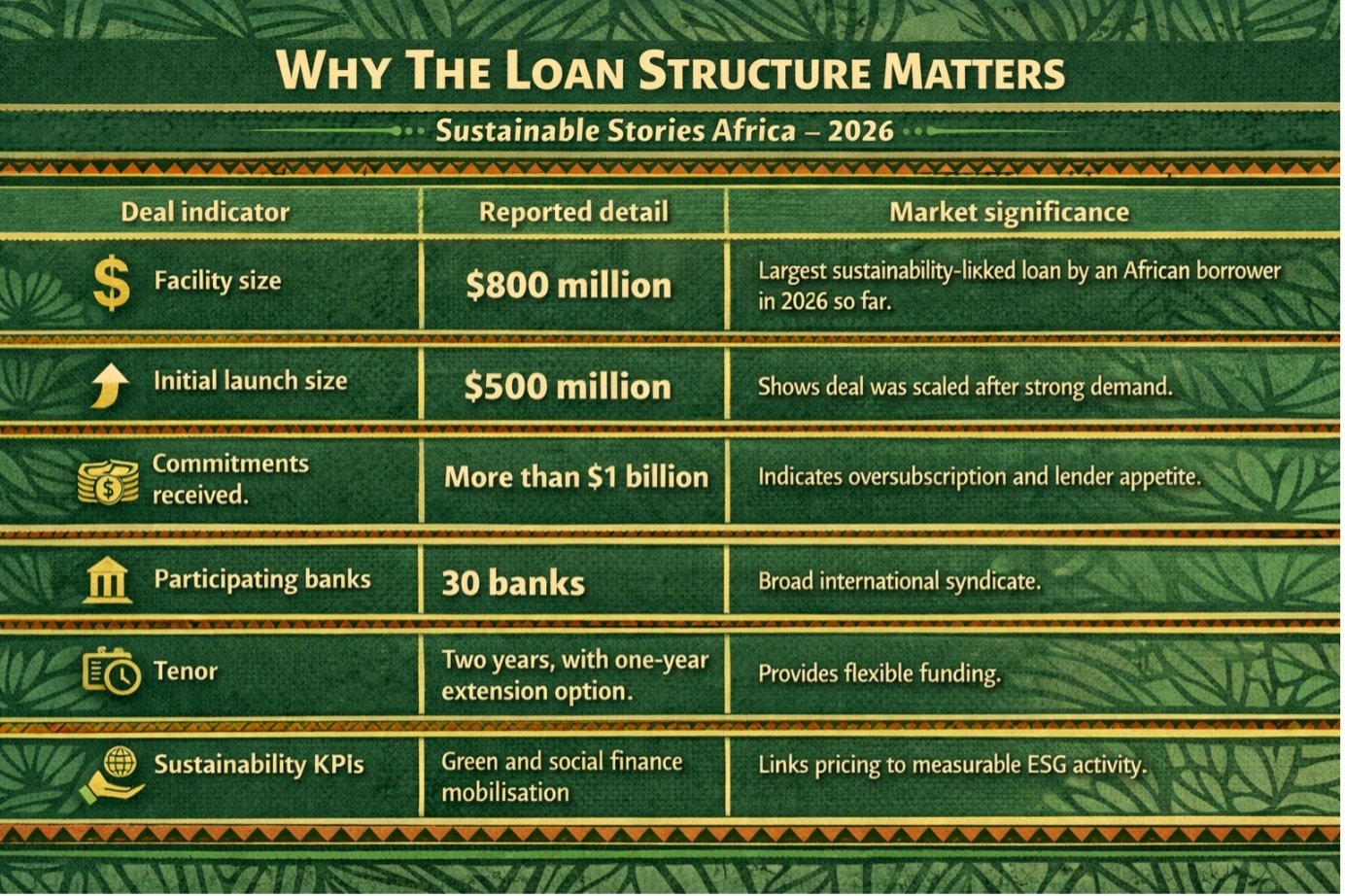
Standard Bank has closed an $800 million sustainability-linked syndicated loan, the largest such facility by an African borrower so far in 2026.
The deal was launched at $500 million but attracted more than $1 billion in commitments from 30 banks globally.
Its pricing is tied to green and social finance mobilisation, making sustainability performance part of the bank’s funding economics.
Sustainable Finance Moves Into Core Banking
Standard Bank has secured an $800 million sustainability-linked syndicated loan, making green and social finance targets central to one of Africa’s most closely watched banking deals this year.
Announced on April 16, 2026, the facility was arranged for The Standard Bank of South Africa Limited, which the lender describes as Africa’s largest bank by assets.
Bank of America Europe DAC, ICBC’s London branch and Standard Chartered coordinated the deal.
Originally launched at $500 million, the transaction drew commitments of more than $1 billion, allowing Standard Bank to close at $800 million.
A syndicate of 30 banks across North America, Europe, the Middle East, Asia and Australia backed the facility.
For Africa’s sustainable finance market, the message is clear: ESG-linked borrowing is moving into the mainstream, shaping how major financial institutions raise capital, strengthen investor confidence and position growth within global capital markets and regional sustainability financing strategies for the continent.
Why The Loan Structure Matters
The most important feature of Standard Bank’s $800 million facility is not its size alone but its structure.
The loan’s interest rate is tied to performance against two sustainability KPIs: green finance mobilisation and social finance mobilisation.
In other words, the deal is not merely branded sustainable; its funding cost depends on delivery against measurable targets.
That gives the transaction added significance in a market where investors increasingly want evidence of ESG performance, not broad commitments.
As Luvuyo Masinda noted, the deal also signals confidence in Standard Bank’s Africa growth strategy.
That matters because African financial institutions are under pressure to mobilise capital for growth while aligning with climate, inclusion and governance expectations.
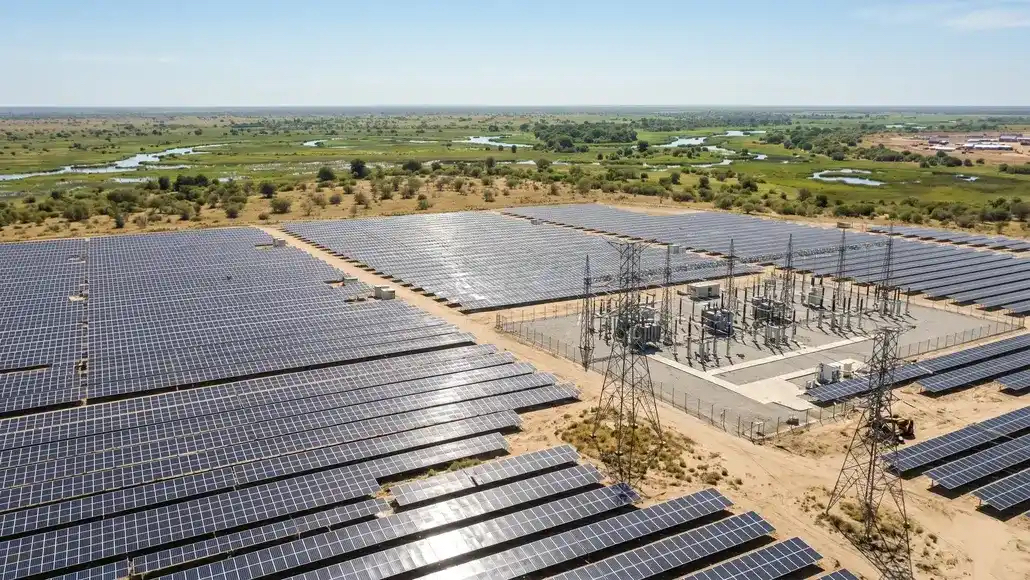
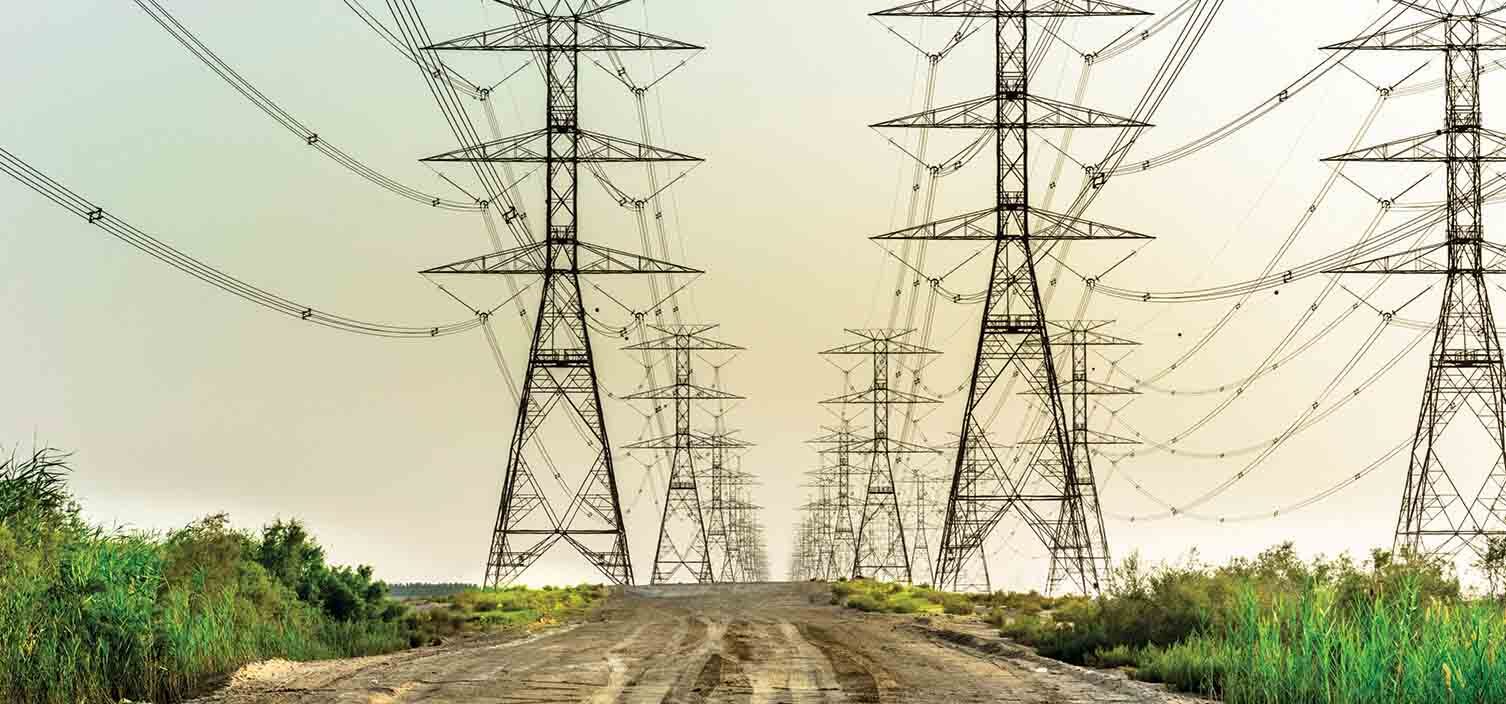
In practice, such financing can support renewable energy, resilient infrastructure, inclusive finance and SME expansion.
For businesses, structures shape the cost, availability and direction of capital that determine which projects move from pipeline to execution.
What Africa Gains If Targets Deliver
If Standard Bank meets its sustainability-linked targets, the benefits could reach beyond its balance sheet.
- First, the deal strengthens market credibility, showing that international lenders will back African borrowers when credit quality, sustainability frameworks and institutional track records are strong.
- Second, it imposes strategic discipline by linking ESG commitments to financial outcomes. Strong performance can improve funding economics, while missed targets can carry both financial and reputational costs.
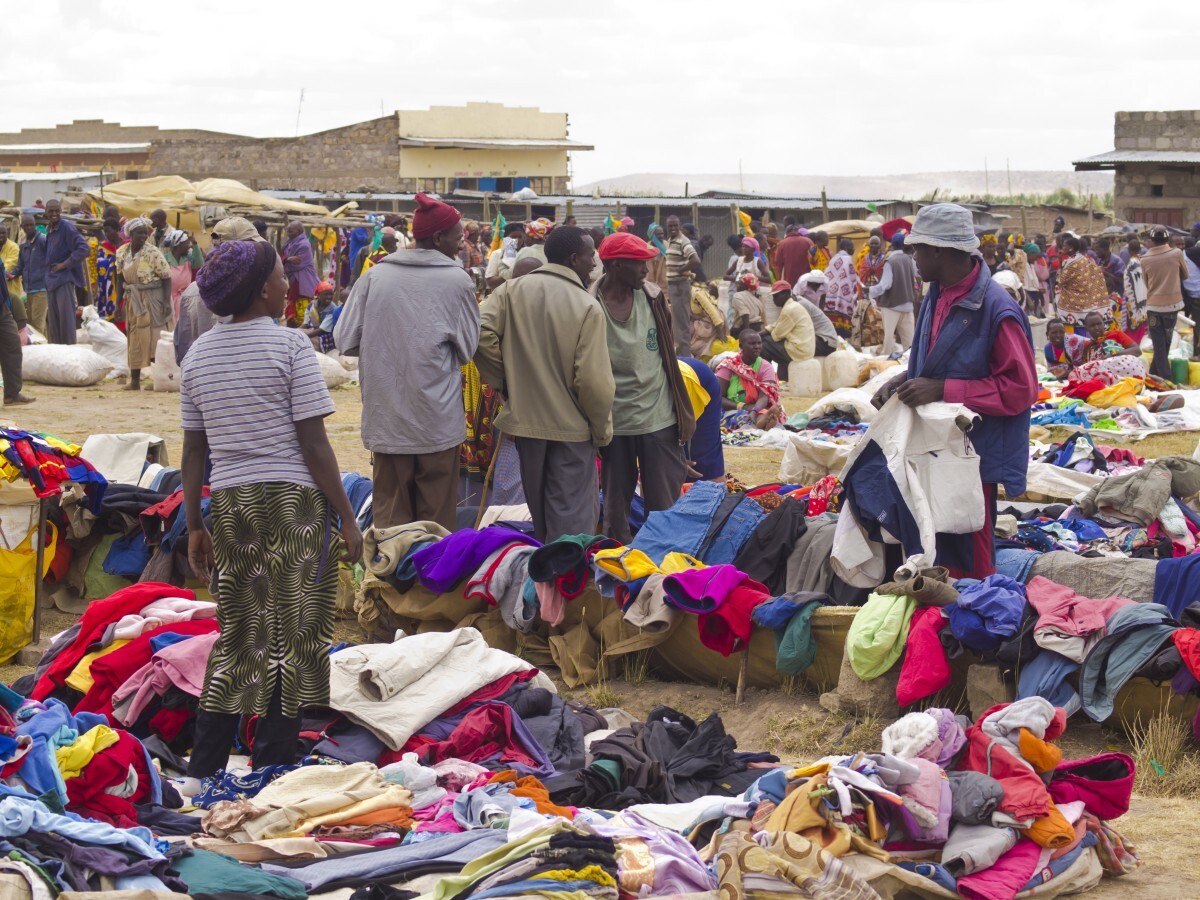
- Third, it has developmental value. Green finance can support renewable energy, energy efficiency and lower-carbon infrastructure, while social finance can expand inclusion, enterprise development and access to essential services.
The risk is equally clear: without transparent, ambitious and well-reported KPIs, sustainability-linked finance could slide into label-driven transactions with limited real impact.
Stronger Disclosure Must Follow The Money
Standard Bank’s loan should now be reviewed not only as a successful fundraising exercise, but as a delivery test for sustainable finance in African banking.
- Regulators, investors and civil society should pay close attention to how green and social finance mobilisation is defined, measured and reported.
The market needs clarity on eligible activities, baselines, verification, annual progress and whether the KPIs are ambitious enough to influence real-world financing decisions.
- For African banks, the message is urgent. The next phase of ESG finance will reward institutions that can combine scale, credible targets, strong governance and transparent reporting.
- For borrowers, it means sustainability can no longer be treated as a communications layer. It is becoming part of the treasury strategy, pricing and access to global capital.
- For policymakers, the opportunity is to build enabling rules that deepen sustainable finance without weakening scrutiny.
Africa needs more capital, but it also needs better capital: patient, transparent, measurable and aligned with development priorities.
Path Forward – Link Capital To Measurable Impact
Standard Bank’s $800 million facility shows that African sustainable finance can attract global demand when targets are bankable and strategically clear.
The next priority is credible disclosure that proves mobilisation targets are translating into real green and social outcomes.
For African markets, the deal raises the bar. Sustainable finance must now move from landmark announcements to measurable delivery, stronger verification and capital flows that support inclusive, low-carbon growth.