Climate change is quietly reshaping Tanzania’s public health landscape, with warming temperatures and changing rainfall patterns expanding the spread of infectious diseases.
Health experts warn that diseases once confined to specific ecological zones are now appearing in new regions.
The shift is forcing governments, researchers and communities to rethink disease surveillance, climate adaptation and healthcare infrastructure across East Africa.
Climate Is Rewriting Tanzania’s Health Map
In Tanzania, the effects of climate change are no longer confined to droughts, floods or crop failures.
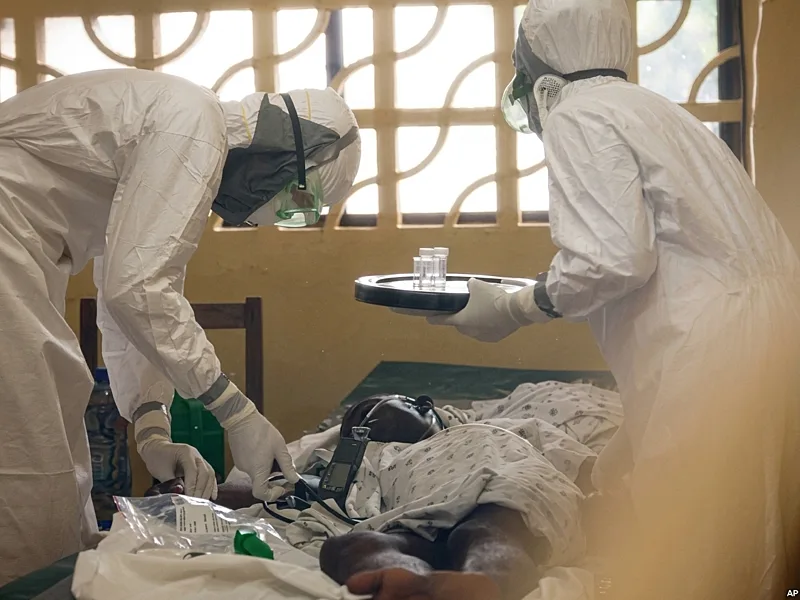
Increasingly, these effects are being observed across hospitals, clinics and rural health posts, where doctors are observing changes in the geographic spread of diseases.
Health experts say rising temperatures, shifting rainfall patterns, and extreme weather events are altering the habitats of disease-carrying organisms such as mosquitoes and parasites.
The result is a subtle yet significant transformation: diseases once limited to certain ecological zones are appearing in new communities.
Malaria, dengue fever and other climate-sensitive illnesses are now being reported in areas where they were historically rare, particularly in highland regions previously considered low risk.
Public health researchers say the change reflects a broader trend across Africa, where climate change is reshaping environmental conditions that influence disease transmission.
“Climate variability is affecting where vectors live and how diseases spread,” a Tanzanian public health expert noted. “That means the disease map itself is changing.”
Shifting Weather Patterns Expand Disease Risk
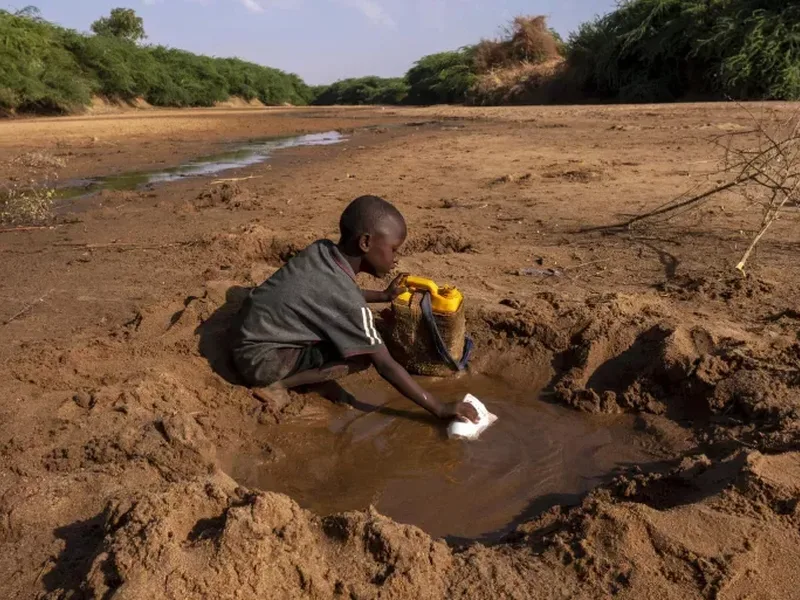
Climate influences the spread of many infectious diseases by affecting temperature, humidity, water availability and ecosystems that support disease vectors.
In Tanzania, rising temperatures and increased rainfall variability are creating conditions that allow disease-carrying mosquitoes to survive in new areas.
For communities living in the country’s highlands, regions once considered less vulnerable to malaria, the shift is particularly concerning.
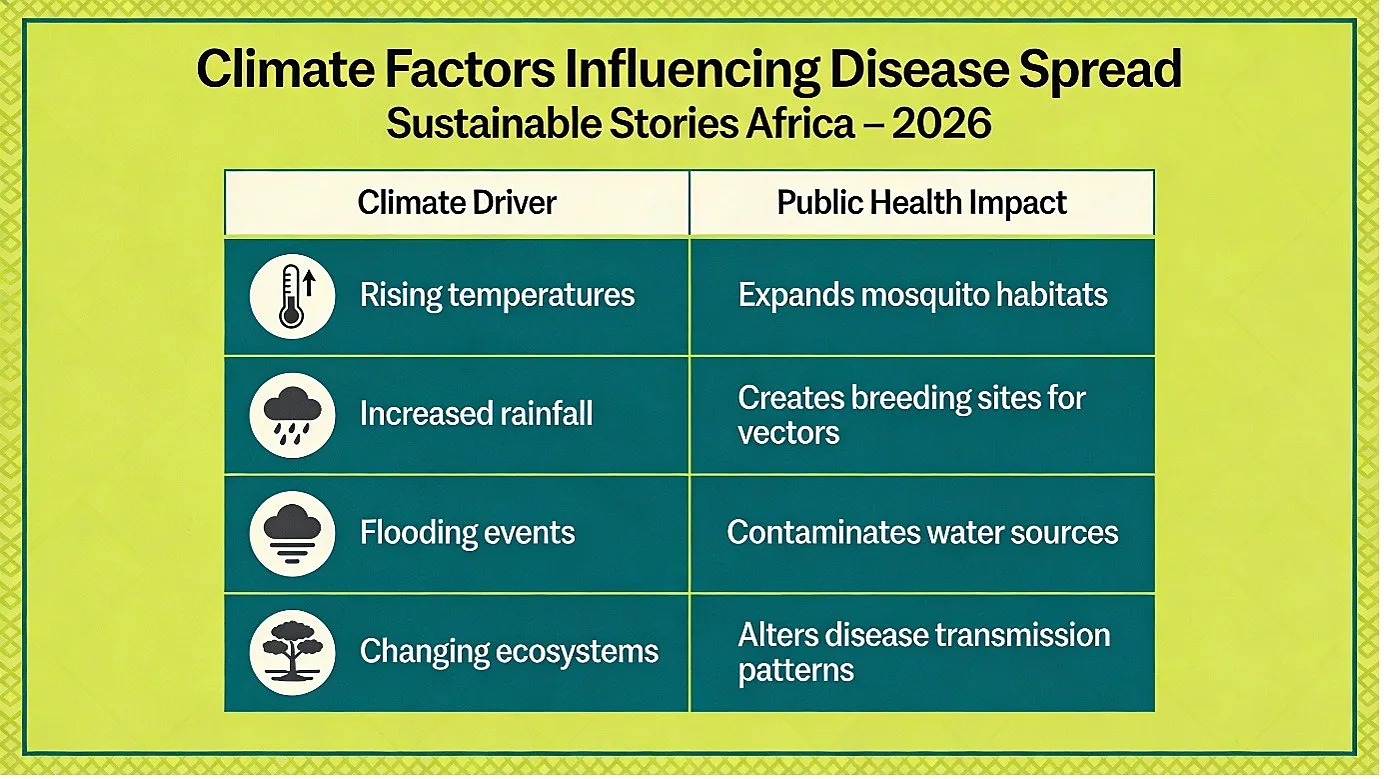
Climate Factors Influencing Disease Spread
Climate Driver | Public Health Impact |
|---|---|
Rising temperatures | Expands mosquito habitats |
Increased rainfall | Creates breeding sites for vectors |
Flooding events | Contaminates water sources |
Changing ecosystems | Alters disease transmission patterns |
Health experts argue that climate change is also increasing the risk of waterborne diseases, particularly following floods that disrupt sanitation infrastructure.
In some rural areas, communities report seasonal disease outbreaks that coincide with unusually intense rainfall or prolonged warm periods.
Researchers studying climate-health interactions in East Africa warn that such patterns could intensify as temperatures continue to rise.
Beyond Tanzania, similar trends have been observed in parts of Kenya, Ethiopia and Uganda, where changing climate conditions are influencing disease dynamics.
Climate-Smart Health Systems Could Protect Communities
While the risks are growing, health experts emphasise that climate-informed public health strategies can significantly reduce vulnerability.
Improved disease surveillance systems, early-warning climate monitoring and targeted healthcare interventions could help governments anticipate outbreaks before they spread widely.
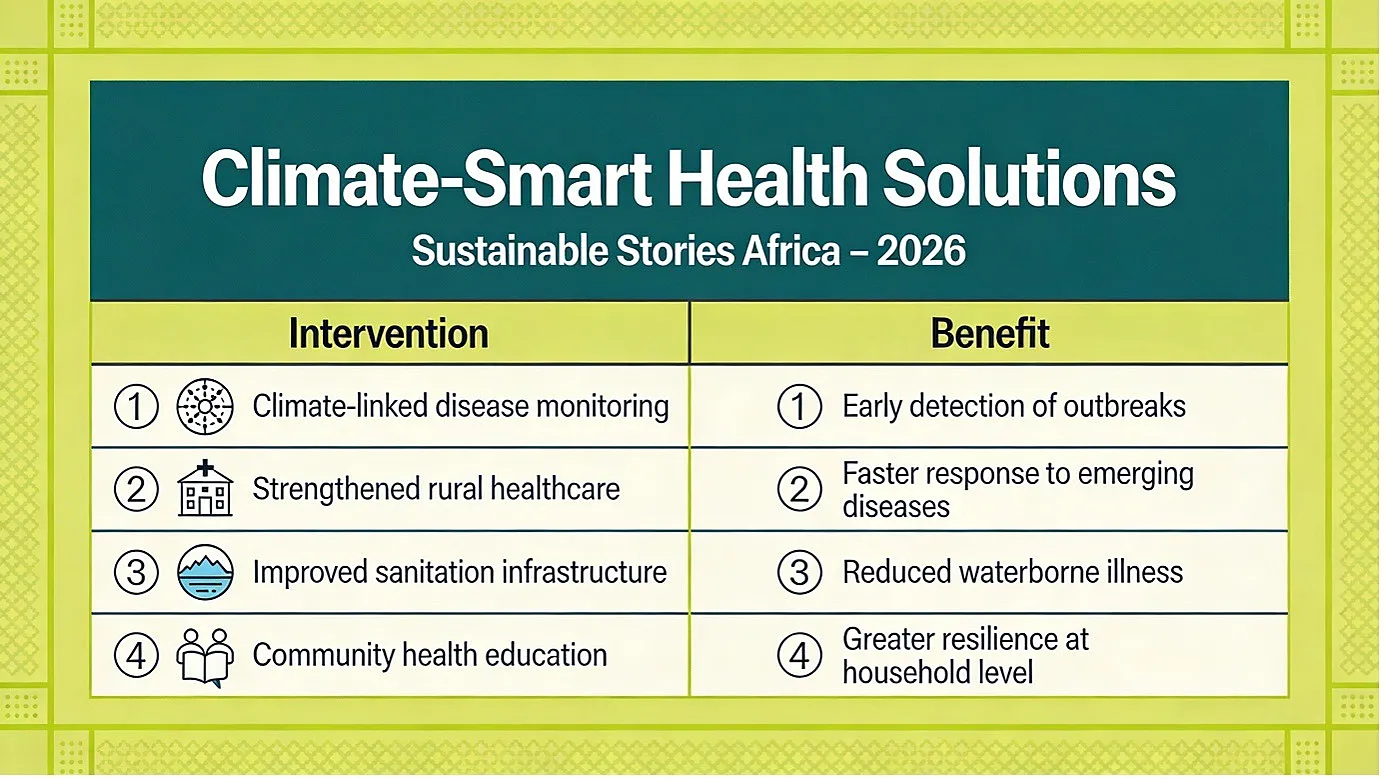
Climate-Smart Health Solutions
Intervention | Benefit |
|---|---|
Climate-linked disease monitoring | Early detection of outbreaks |
Strengthened rural healthcare | Faster response to emerging diseases |
Improved sanitation infrastructure | Reduced waterborne illness |
Community health education | Greater resilience at household level |
Investments in climate-resilient health systems could also improve broader development outcomes.
For rural families dependent on agriculture, better disease prevention reduces healthcare costs, protects labour productivity and improves overall community well-being.
In this sense, addressing climate-linked health risks is not only a public health priority, but also a development and economic stability issue.
Integrating Climate Science Into Public Health Policy
Experts say governments across Africa must now integrate climate science into national health planning.
This includes strengthening collaboration among meteorological agencies, health ministries and research institutions in understanding how environmental changes affect disease patterns.
Key priorities include:
- Expanding climate-health research and disease surveillance systems
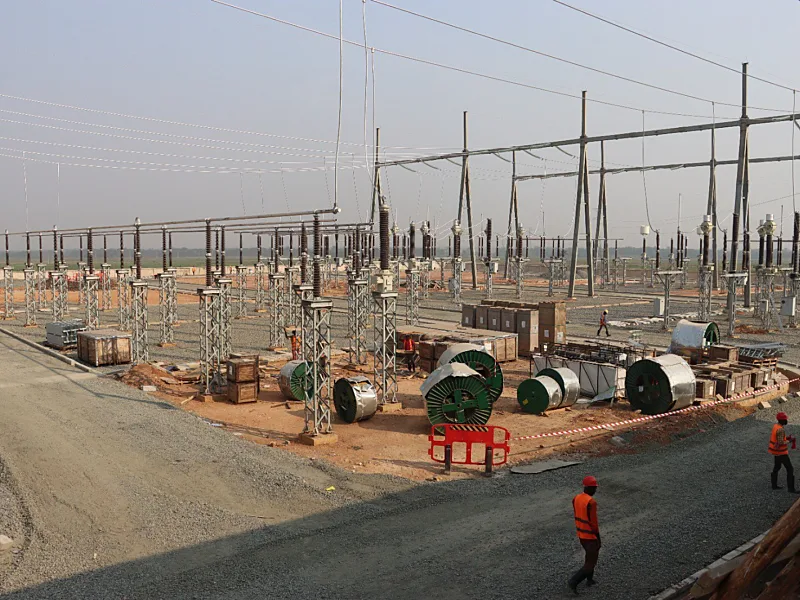
- Strengthening healthcare infrastructure in vulnerable rural areas
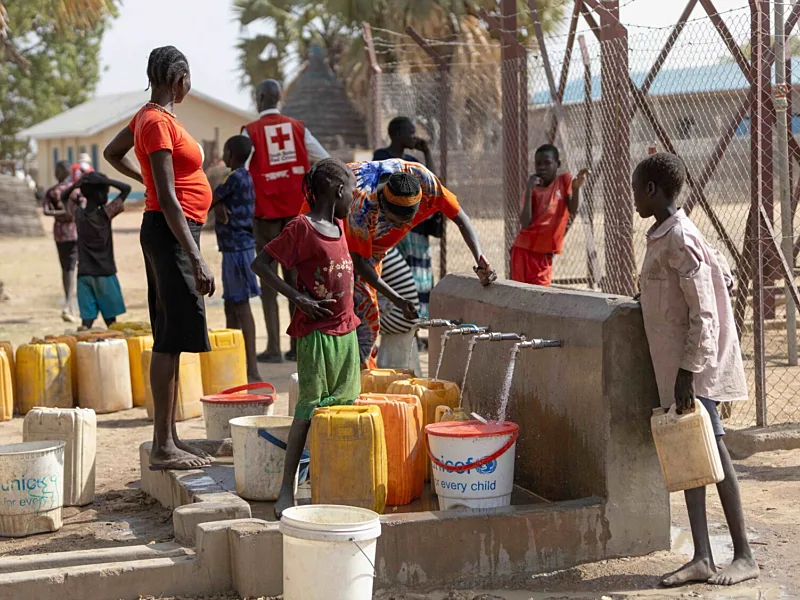
- Investing in climate-resilient water and sanitation systems
- Improving public awareness of climate-related health risks
International organisations and development partners are also increasingly focusing on climate-health initiatives across Africa.
Without proactive action, health experts warn that climate change could intensify disease burdens in vulnerable regions with already limited healthcare resources.
However, with stronger planning and investment, countries like Tanzania can build health systems capable of responding to emerging climate risks.
Path Forward – Climate And Health Systems Converge
Tanzania’s shifting disease patterns highlight the urgent need to integrate climate science into public health planning.
By strengthening surveillance systems, investing in resilient healthcare infrastructure and improving climate forecasting, governments can reduce emerging health risks while protecting vulnerable communities.