Kenya has listed East Africa’s first infrastructure-focused investment fund on the Nairobi Securities Exchange.
The Spearhead Africa Infrastructure Fund unlocks local-currency capital for energy and infrastructure projects.
For developers, pension funds and citizens, the listing could reduce reliance on dollar debt while supporting jobs, power access and long-term growth.
Local Capital Enters Infrastructure Finance
Kenya’s capital markets have opened a new chapter after the Spearhead Africa Infrastructure Fund, or SAIF, listed on the Nairobi Securities Exchange, marking the first infrastructure fund of its kind on the exchange.
The UK government said the listing enables KSh3.4 billion in investment for local infrastructure, supporting jobs, services and long-term growth.
The listing, supported by the UK government’s MOBILIST programme and Kenya’s CPF Financial Services, comes as African infrastructure still depends heavily on concessional finance, multilateral lenders and dollar-denominated debt.
Renewables Rising described the move as a shift toward cheaper local capital for renewable energy and infrastructure projects.
For a solar developer waiting for affordable finance, or a community still dealing with unreliable power, this is more than a market event.
It is a test of whether domestic savings can help build infrastructure in Africa.
A New Asset Class Takes Shape
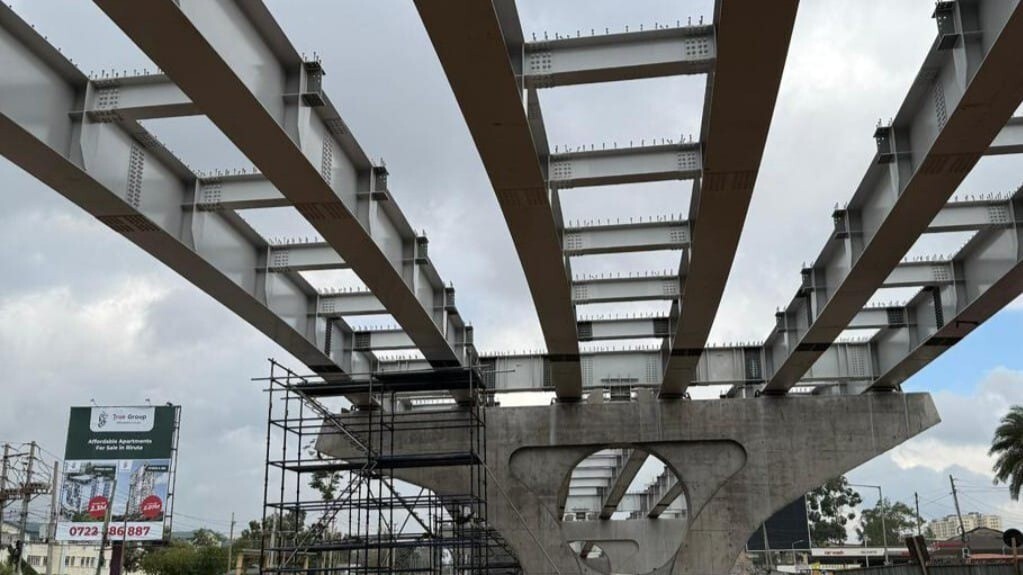
SAIF will invest in a diversified portfolio of senior debt across private-sector-led infrastructure projects in East Africa, according to Africa Private Equity News.
That structure matters because infrastructure projects often require long-term capital, while many African developers face short loan tenors, high interest rates and currency mismatch.
The Nairobi listing also gives institutional investors a new way to access infrastructure as an asset class.

- For pension funds and long-term savers, infrastructure debt can offer predictable income.
- For project owners, it can provide financing that is closer to the currency in which revenues are earned.
Kenya has been moving toward alternative financing models as debt pressures limit the government’s ability to fund major projects directly.
Reuters reported in December 2025 that Kenya’s Cabinet had approved infrastructure and sovereign wealth funds to help finance roads, power plants and other strategic projects without further stretching public borrowing.
Infrastructure Finance Can Become Inclusive
If the SAIF model works, it could reshape how East Africa funds development.
Instead of waiting for foreign lenders, countries can use domestic capital markets to connect long-term savers with productive infrastructure.
The impact could be felt across the economy.
- Better power systems support factories.
- Renewable energy projects reduce diesel dependence.
- Stronger infrastructure lowers costs for businesses and improves services for households.
The UK government said the listing is its second UK-backed listing in Kenya in 2026, signalling growing support for capital-market solutions.
For East Africa, the lesson is clear: development finance is expanding beyond grants, loans and sovereign borrowing into tradable, locally anchored instruments.
Replicate The Model Carefully
The priority now is execution. SAIF must prove that local-currency infrastructure finance can deliver returns for investors while financing real projects that create jobs, services and climate-aligned growth.
- Regulators, fund managers and policymakers should focus on transparency, project quality, risk disclosure and investor education.
- Pension funds and insurers need confidence that infrastructure assets are well governed, properly priced and professionally managed.
For other African markets, including Nigeria, Ghana and South Africa, the Kenyan experiment offers a practical signal.
Countries with growing pension sectors can use capital markets to finance infrastructure, but only where regulation, project pipelines and governance are strong enough to protect savers.
Path Forward – Make Capital Build Real Infrastructure
East Africa’s first listed infrastructure fund should now prove delivery through bankable projects, transparent reporting and measurable social impact.
If successful, SAIF can advance ESG goals by financing cleaner energy, reducing currency risk, mobilising domestic savings and expanding infrastructure that supports jobs, services and resilient growth.
Culled From: East Africa’s first infra fund goes live