Egypt will invest $565 million in the 2025 Fiscal Year (FY) to upgrade and expand its national electricity transmission network. The deal alleviates grid stability and renewable energy integration.
The allocation targets substations, high-voltage lines and control systems, part of a broader strategy to reinforce energy security and support industrial growth.
Officials say the investment is essential, as Egypt scales its renewable generation and positions itself as a regional energy hub linking Africa, Europe and the Middle East.
Grid First, Growth Follows
Egypt’s energy transition is no longer focused solely on generation. As the capacity of renewable energy expands and cross-border interconnections advance, transmission infrastructure has emerged as the critical bottleneck.
The Ministry of Electricity confirmed that $565 million has been earmarked in FY2025 to modernise substations, reinforce high-voltage transmission corridors and deploy advanced grid-control technologies.
Without transmission expansion, new megawatts risk congestion and curtailment. The message from Cairo is clear: generation gains must be matched by grid resilience.
Where the Investment Will Flow
The allocation supports several strategic priorities:
- Expansion of extra-high-voltage transmission lines.
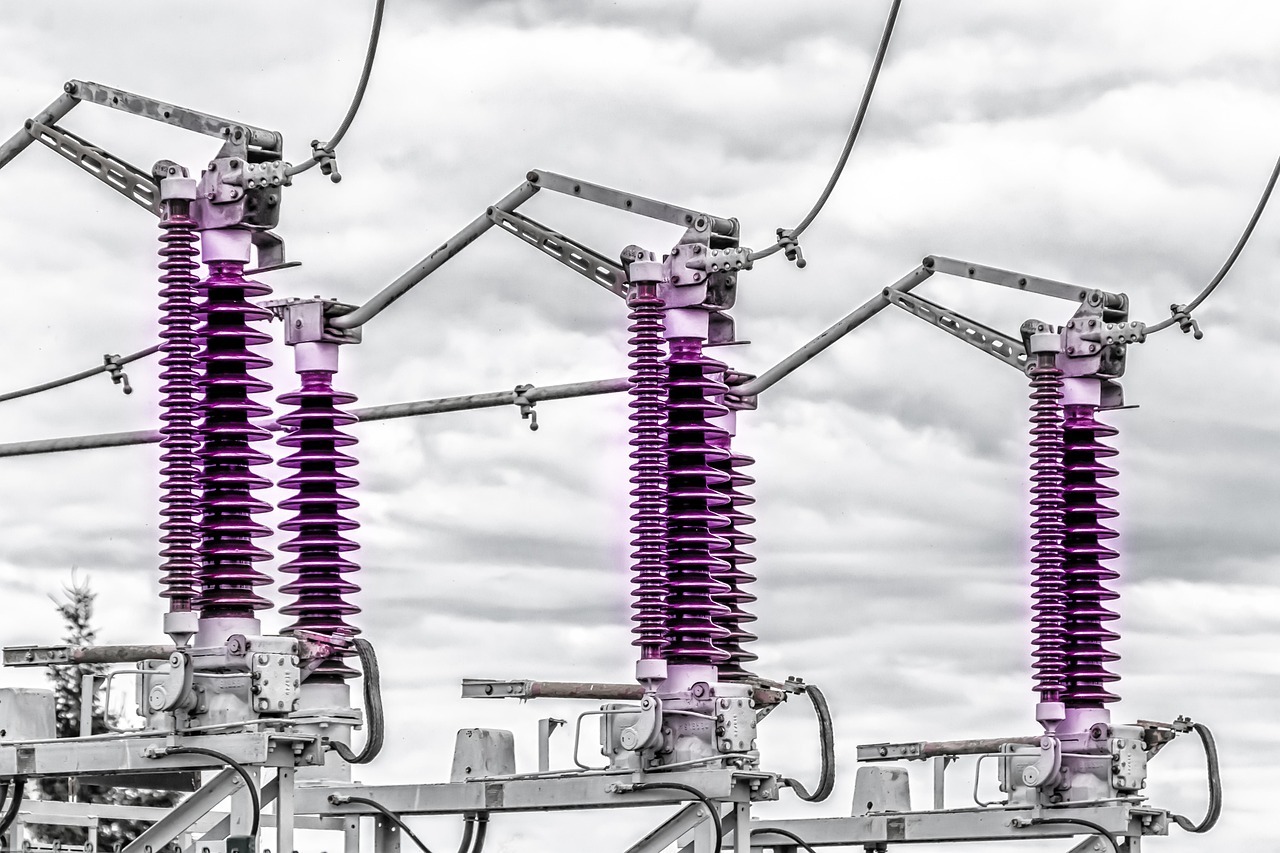
- Upgrade of ageing substations.
- Deployment of digital monitoring and control systems.
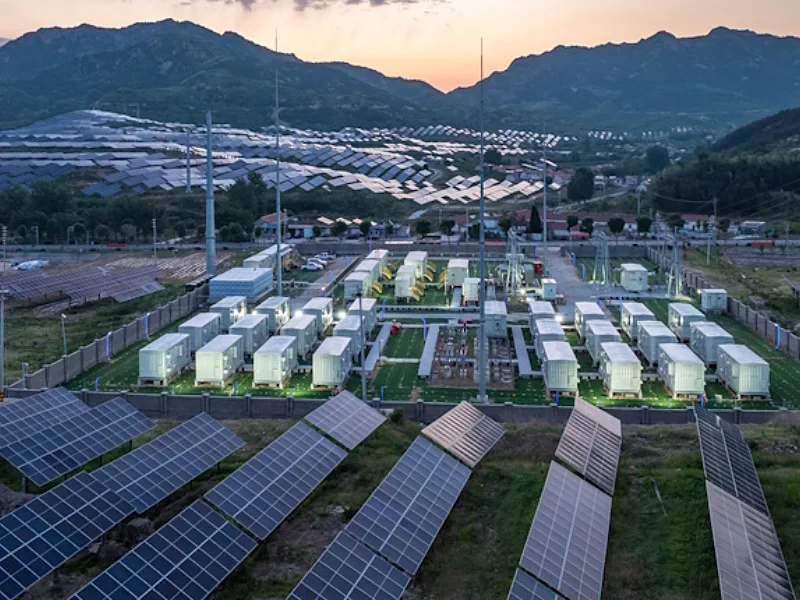
- Strengthening links to renewable energy clusters.
Egypt has rapidly expanded its renewable capacity in recent years, particularly solar and wind. However, grid stability requires synchronised investment in dispatch flexibility and transmission reliability.
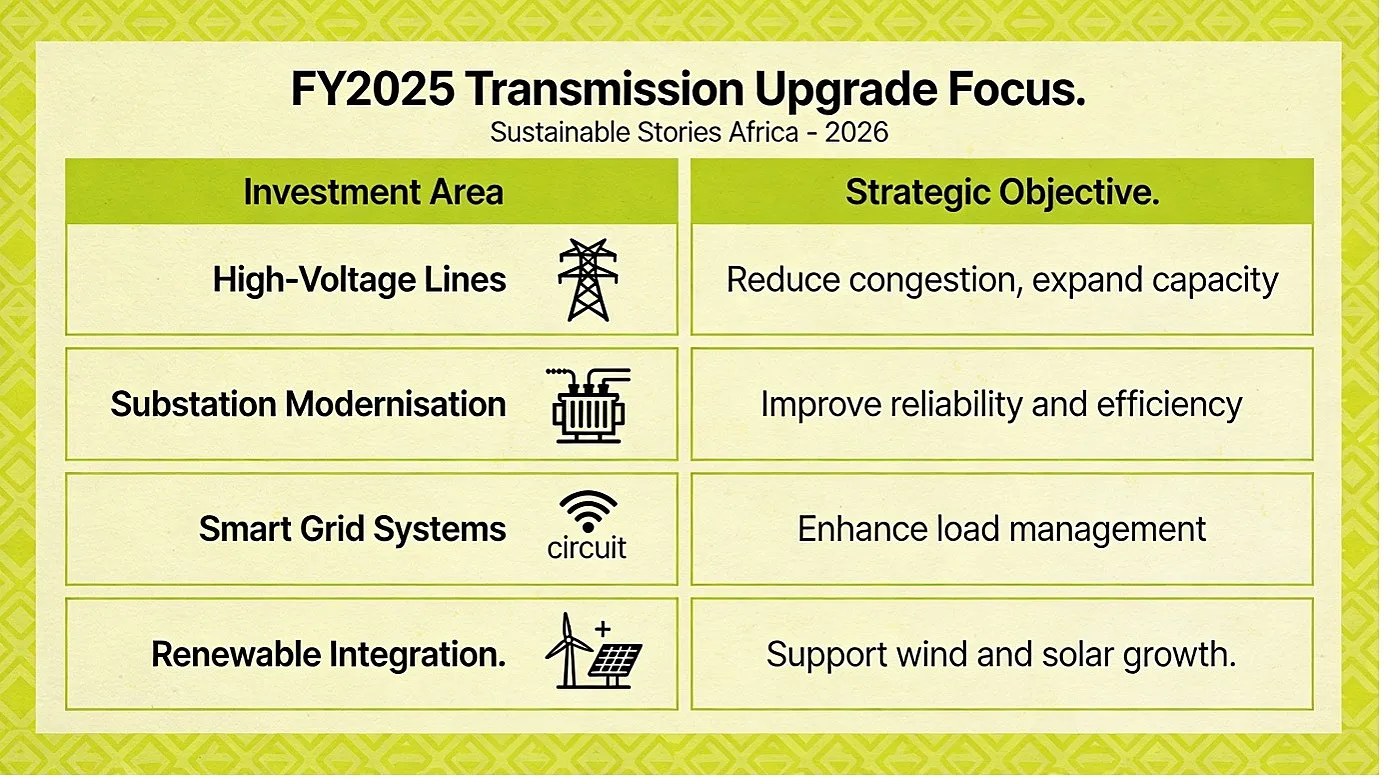
FY2025 Transmission Upgrade Focus
Investment Area | Strategic Objective |
|---|---|
High-Voltage Lines | Reduce congestion, expand capacity |
Substation Modernisation | Improve reliability and efficiency |
Smart Grid Systems | Enhance load management |
Renewable Integration | Support wind and solar growth |
The investment also aligns with Egypt’s ambition to act as a regional energy bridge, including electricity interconnection projects linking North Africa to Europe and neighbouring states.
Transmission strength is not merely domestic policy; it is regional strategy.
The Economic Multiplier Effect
A modernised transmission network delivers measurable economic returns.
Reliable grid infrastructure:
- Reduces transmission losses.
- Enhances industrial productivity.
- Supports foreign direct investment.
- Enables higher renewable penetration without instability.
Egypt’s industrial zones and export-oriented sectors depend on a consistent power supply. Investors increasingly evaluate grid resilience when making location decisions.
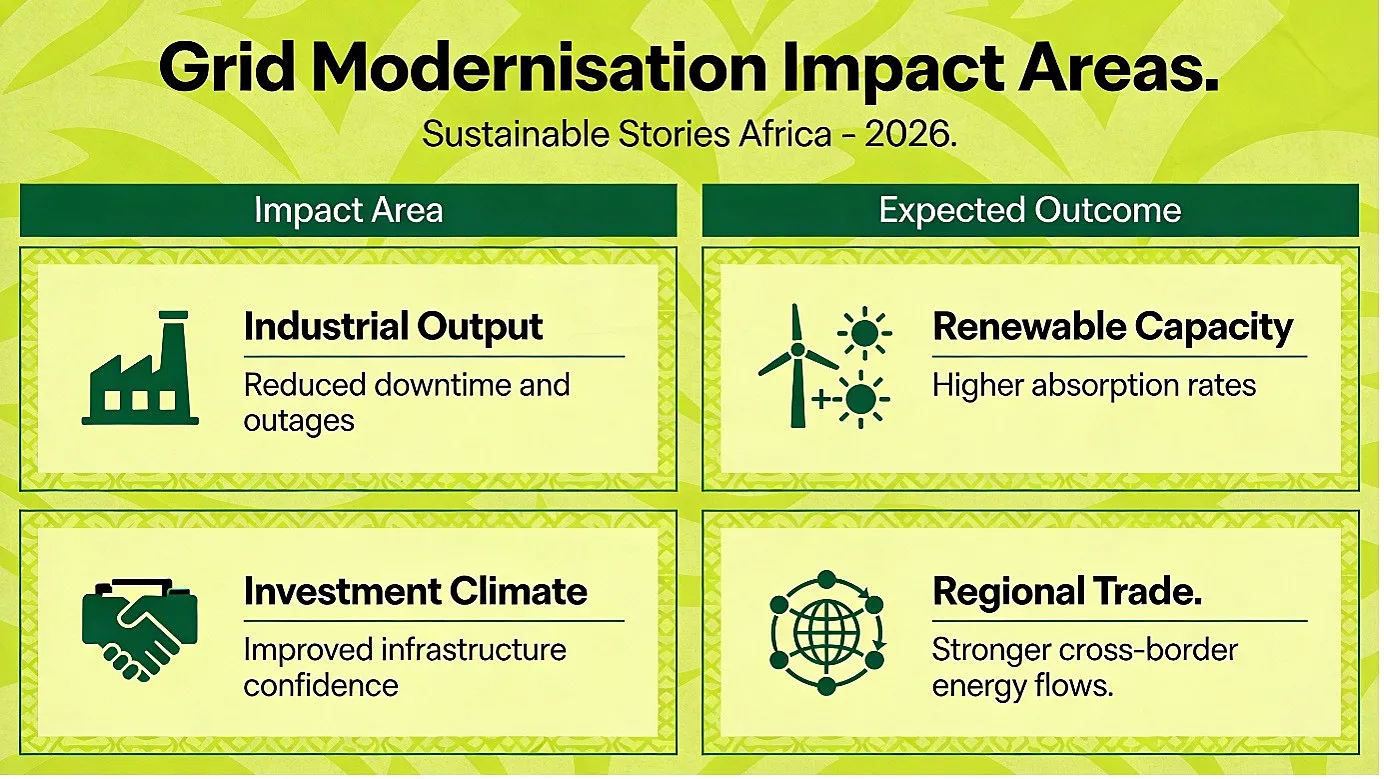
Grid Modernisation Impact Areas
Impact Area | Expected Outcome |
|---|---|
Industrial Output | Reduced downtime and outages |
Renewable Capacity | Higher absorption rates |
Investment Climate | Improved infrastructure confidence |
Regional Trade | Stronger cross-border energy flows |
Analysts note that while generation attracts headlines, transmission determines scalability. Every megawatt transmitted reliably expands economic output.
Financing the Energy Backbone
Energy economists emphasise three priorities to maximise impact:
- Maintain transparent procurement frameworks.
- Integrate grid upgrades with renewable expansion planning.
- Leverage multilateral and climate finance to reduce fiscal strain.
Egypt’s allocation signals fiscal commitment, but long-term financing may require blended structures that combine sovereign funds, development bank lending and private participation.
The transition narrative is shifting. Infrastructure, not just ambition, is becoming the benchmark of energy leadership.
As renewable targets rise, transmission capacity becomes the silent enabler of industrial and climate strategy deliverables.
PATH FORWARD – Modernise Networks, Power Economic Resilience
Egypt’s FY2025 grid investment highlights a structural shift from generation expansion to transmission resilience. Strengthening substations, digital control systems and interconnections will enable the integration of renewables and industrial reliability.
If execution matches ambition, Egypt could consolidate its role as a regional energy hub. Grid stability, not installed capacity, will determine long-term energy competitiveness.
Culled From: Egypt invests $565mln to upgrade power transmission network in FY2025