Greenpeace Africa has asked the African Court to recognise climate destruction as a human rights violation.
The filing matters because it could widen legal duties on governments to regulate harmful projects and protect communities.
For African markets, the implications could go beyond advocacy to licensing, due diligence, disclosure and investor risk.
When climate damage enters the courtroom
Greenpeace Africa is seeking to recast the climate crisis in Africa as a matter of enforceable rights rather than distant diplomacy.
In an amicus curiae submission to the African Court on Human and Peoples’ Rights, the organisation urged judges to recognise climate destruction as a violation of fundamental human rights in the context of Request for Advisory Opinion No. 001 of 2025, a case examining African states’ obligations questioning the climate crisis.
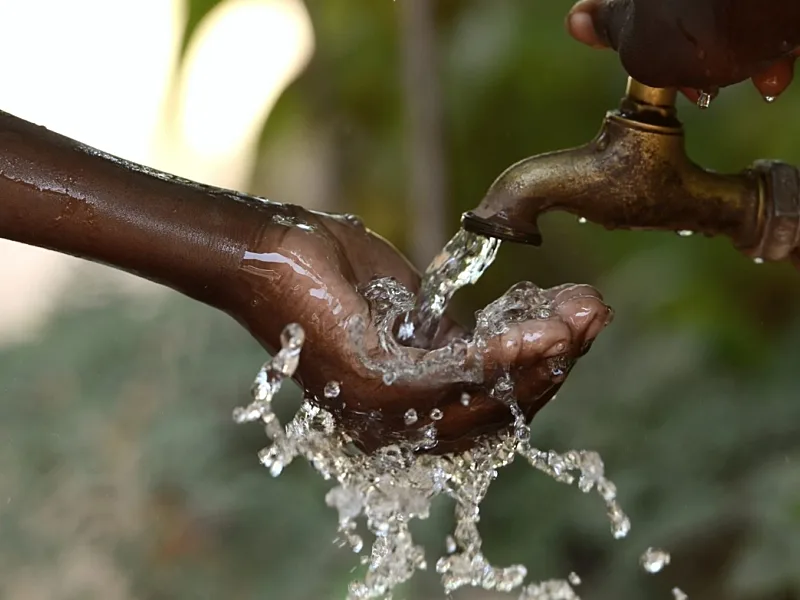
That marks a significant shift in framing. The submission argues that climate change is not only an environmental or policy issue, but also a direct threat to rights, including health, water, food and a safe living environment.
Greenpeace Africa says these harms are being worsened by weak regulation, extractive business models and decisions taken without meaningful public consent.
The argument carries force in Africa, which contributes only a small share of global greenhouse gas emissions, but faces some of the harshest climate impacts. In that context, the filing pushes for legal recognition that climate harm is also a human rights issue.
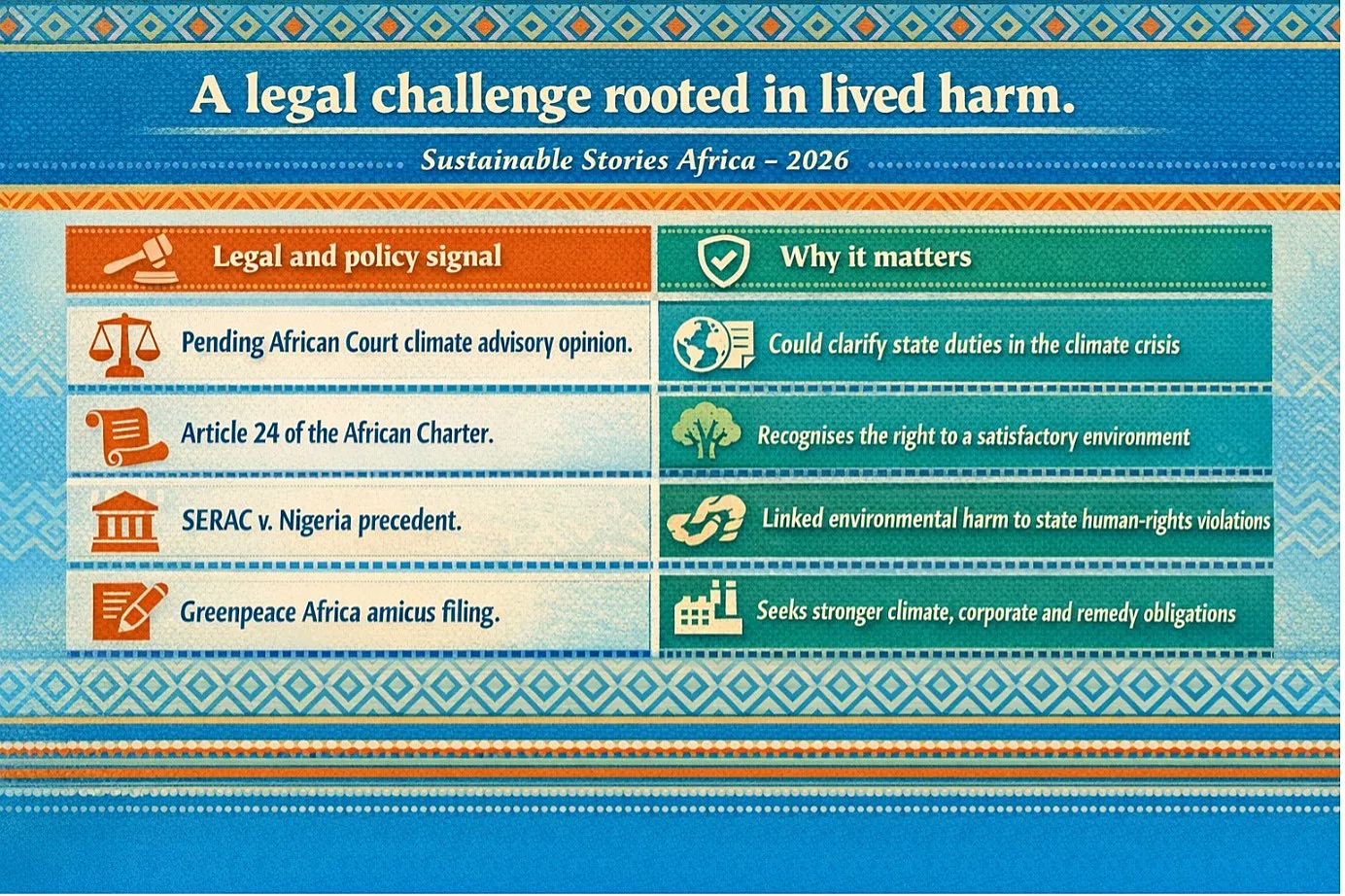
A legal challenge rooted in lived harm
At the centre of Greenpeace Africa’s argument is a clear proposition: climate harm in Africa is no longer theoretical.
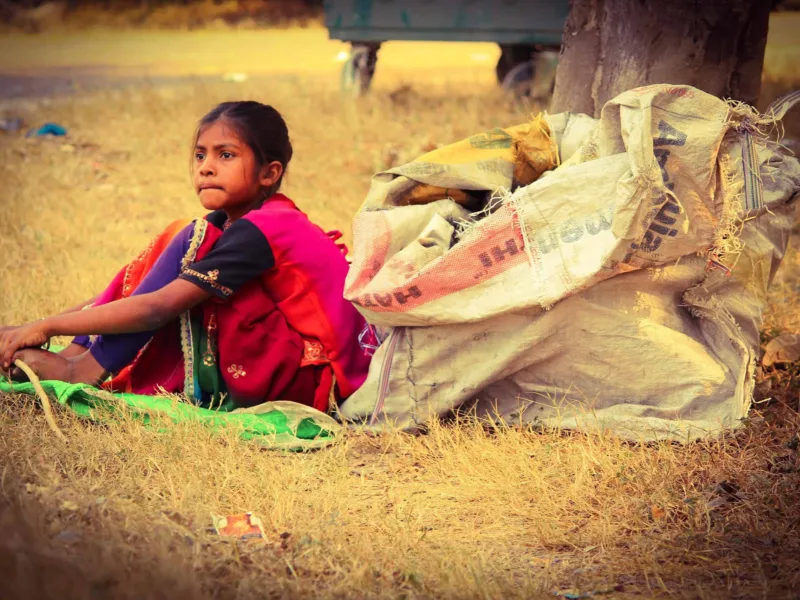
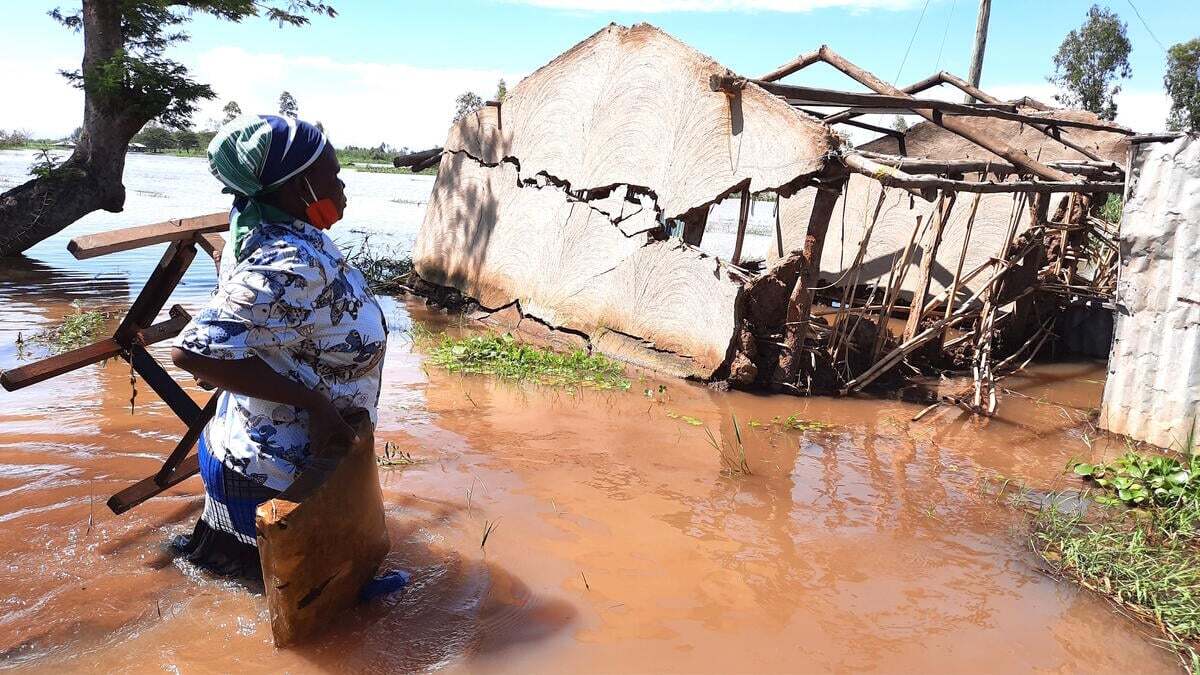
It is already showing up in failed harvests, water stress, heat-related illness, flood damage and disrupted livelihoods across frontline communities.
The organisation argues that these pressures are being intensified by the expansion of fossil fuel mining, deforestation, and industrial agriculture pursued without adequate safeguards.
Greenpeace Africa also places multinational business activity within that legal frame.
It argues that when governments approve large-scale industrial projects without proper environmental assessments, public consultation, transparency and access to remedies, they may breach duties under the African Charter on Human and Peoples’ Rights.
That position draws on established African human-rights jurisprudence, including Article 24 and the SERAC v. Nigeria decision, which linked environmental protection to human rights obligations.
The organisation is now asking the Court to extend that logic further. Its submission outlines substantive, procedural and remedial duties, seeking clearer guidance on what African states owe citizens when climate impacts and corporate expansion collide.
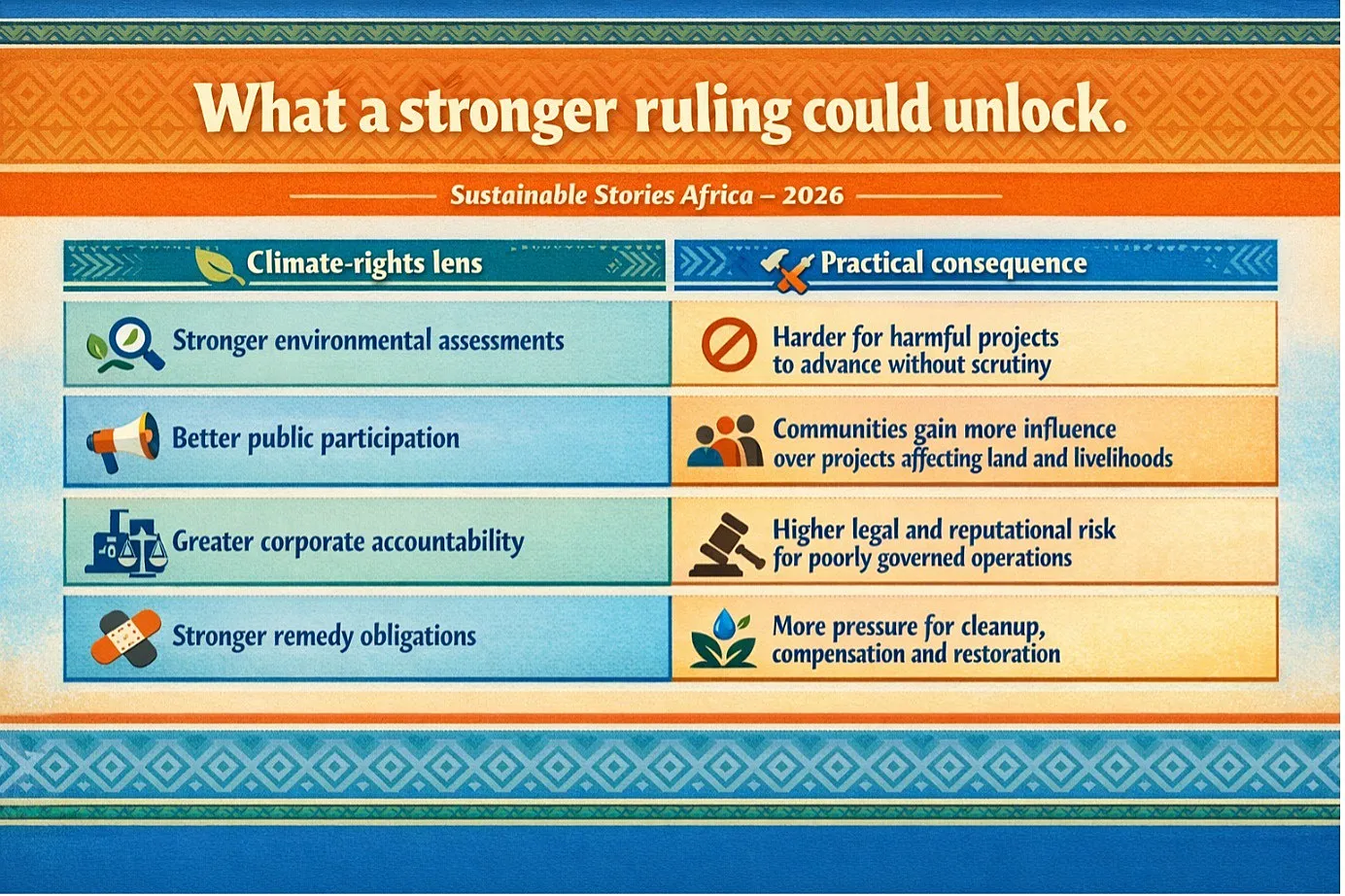
What a stronger ruling could unlock
If the Court adopts that reasoning, the implications could reach far beyond legal interpretation.
A strong advisory opinion could give African governments firmer grounds to tighten environmental permitting, strengthen community consultation, improve corporate due diligence and require more credible remedy mechanisms where harm occurs.
For investors and executives, it would reinforce a growing reality: climate and environmental risks are no longer peripheral ESG concerns, but core governance and human rights issues.
That shift would also matter for communities that often bear the costs of development while capturing too little of the value.
In African rights doctrine, environmental protection is not designed to block development, but to ensure that it is lawful, participatory and consistent with health, livelihoods and long-term well-being.
Greenpeace Africa’s intervention brings that central question into focus: who defines development, and who bears the cost when harm falls hardest on those with the least voice?
The ruling should not be treated as symbolic
The deeper message for African markets is that the age of narrow climate compliance is ending.
Policymakers, regulators and boards should not wait for a final opinion before acting.
The legal direction is already visible: environmental harm, public participation, information access and remedy are becoming more tightly linked under African rights standards.
That means governments should strengthen impact assessment rules and enforcement. Companies should review projects with a rights-based lens, not just a permitting lens.
Financiers should test whether assets depend on weak consultation, fragile ecosystems or unresolved community risk.
Civil society will likely continue to use regional courts and commissions to push climate accountability.
Path Forward – Rights, Remedies, Resilience Must Advance Together
Africa’s climate debate is moving toward rights, not just targets. Greenpeace Africa’s intervention asks the Court to clarify that governments must prevent harm, regulate corporations and protect communities already living with climate damage.
The practical path forward is clearer oversight, stronger participation, earlier risk assessment and real remedies when damage occurs. That is how climate governance becomes credible in African markets.
Culled From: https://esgnews.com/greenpeace-africa-pushes-african-court-to-class-climate-harm-as-human-rights-violation/