Germany is exploring new renewable energy and industrial partnerships with Nigeria as both countries seek to strengthen energy cooperation.
The initiative reflects Europe’s growing interest in Africa’s clean energy potential, particularly in hydrogen, solar and sustainable industrial development.
Analysts say deeper collaboration could unlock investment flows while positioning Nigeria as a strategic partner in the global energy transition.
Germany Expands Energy Cooperation With Nigeria
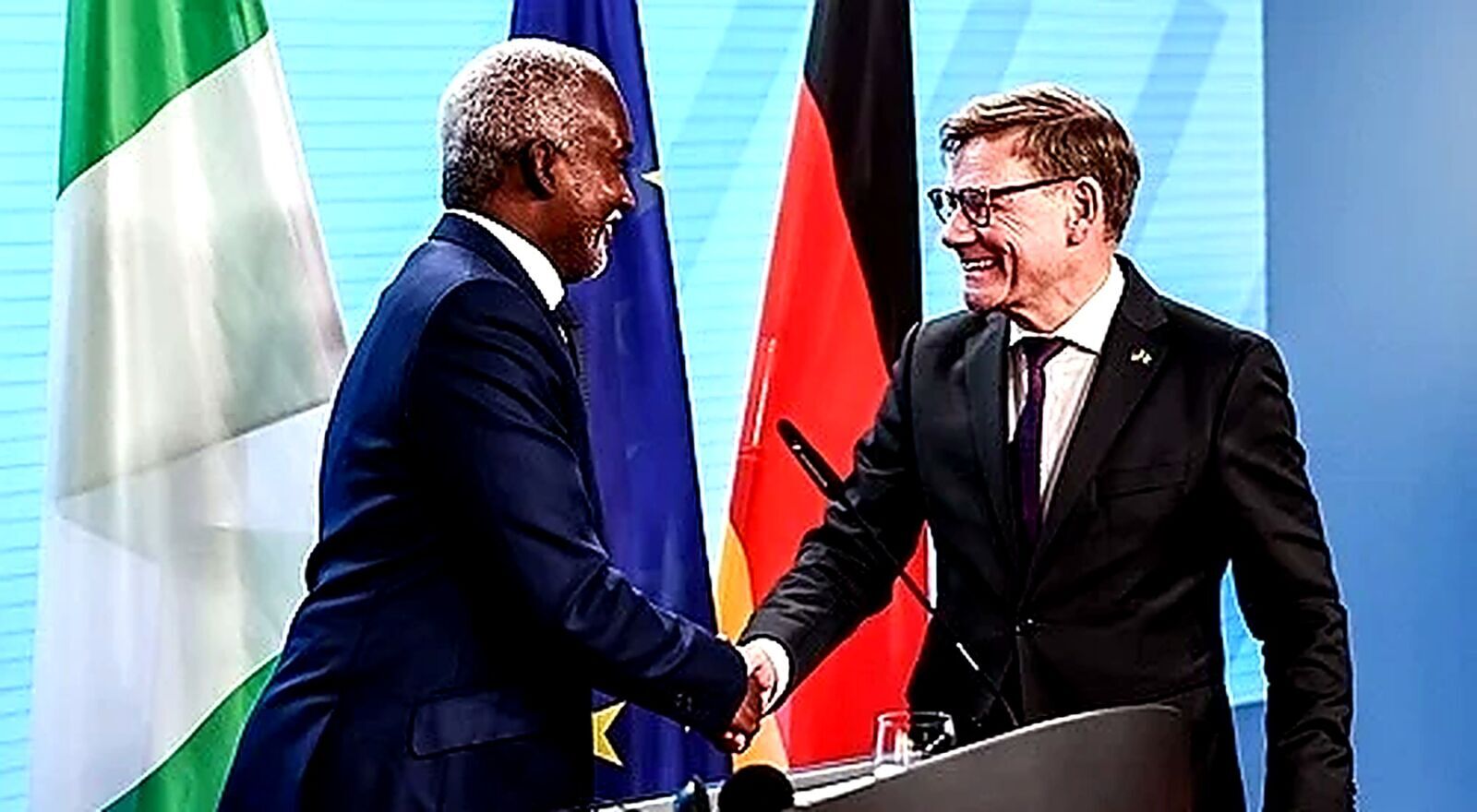
Germany is seeking to deepen renewable energy and industrial partnerships with Nigeria as Europe accelerates efforts to diversify energy supply chains and expand global clean energy collaboration.
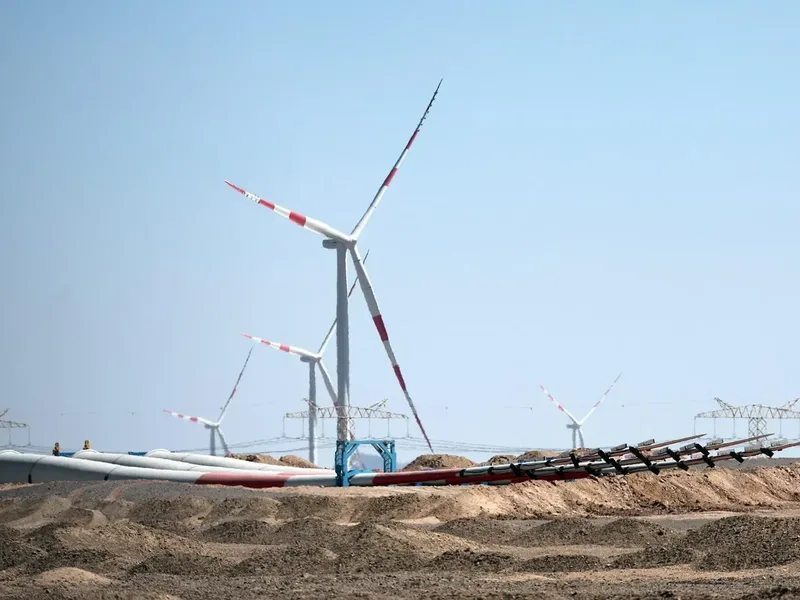
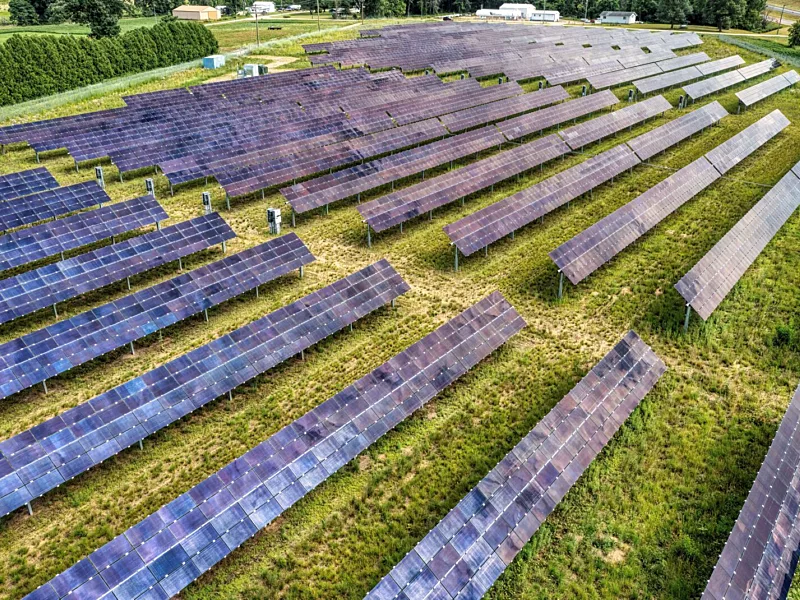
The discussions focus on strengthening cooperation in renewable energy development, green hydrogen production and sustainable industrial infrastructure.
German policymakers and industry leaders increasingly view Africa as a strategic partner in the global energy transition, particularly as Europe works to reduce reliance on traditional energy imports while meeting climate targets.
Nigeria, Africa’s largest economy and one of its most resource-rich energy markets, is emerging as a potential hub for renewable energy production and industrial transformation.
Experts say the collaboration could help bridge Africa’s energy investment gap while supporting Europe’s growing demand for clean energy resources.
Industrial Partnerships Driving Energy Transition
Germany’s interest in Nigeria extends beyond renewable electricity generation.
Industrial cooperation is expected to play a central role in the partnership, with a focus on developing supply chains for green hydrogen, clean manufacturing and sustainable infrastructure.
Green hydrogen, produced using renewable electricity, is increasingly viewed as a critical component of Europe’s long-term decarbonisation strategy.
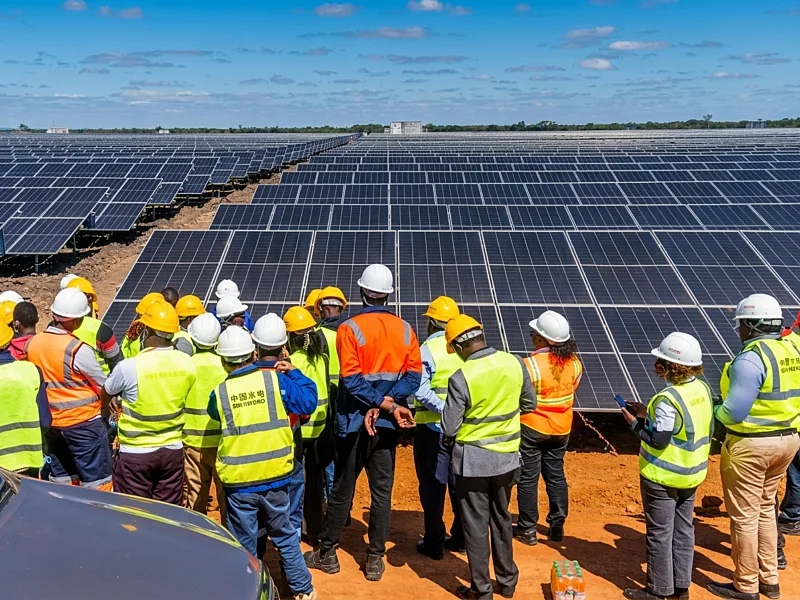
Nigeria’s abundant solar resources and expanding energy sector make it a potential candidate for hydrogen production and export.
Industry analysts say partnerships between African energy producers and European industrial economies could reshape global energy trade patterns.
Potential Areas Of Germany–Nigeria Energy Cooperation
Cooperation Area | Strategic Opportunity |
|---|---|
Renewable energy projects | Solar and wind capacity expansion |
Green hydrogen production | Clean fuel supply for European industries |
Industrial infrastructure | Development of sustainable manufacturing |
Energy technology transfer | Knowledge sharing and technical expertise |
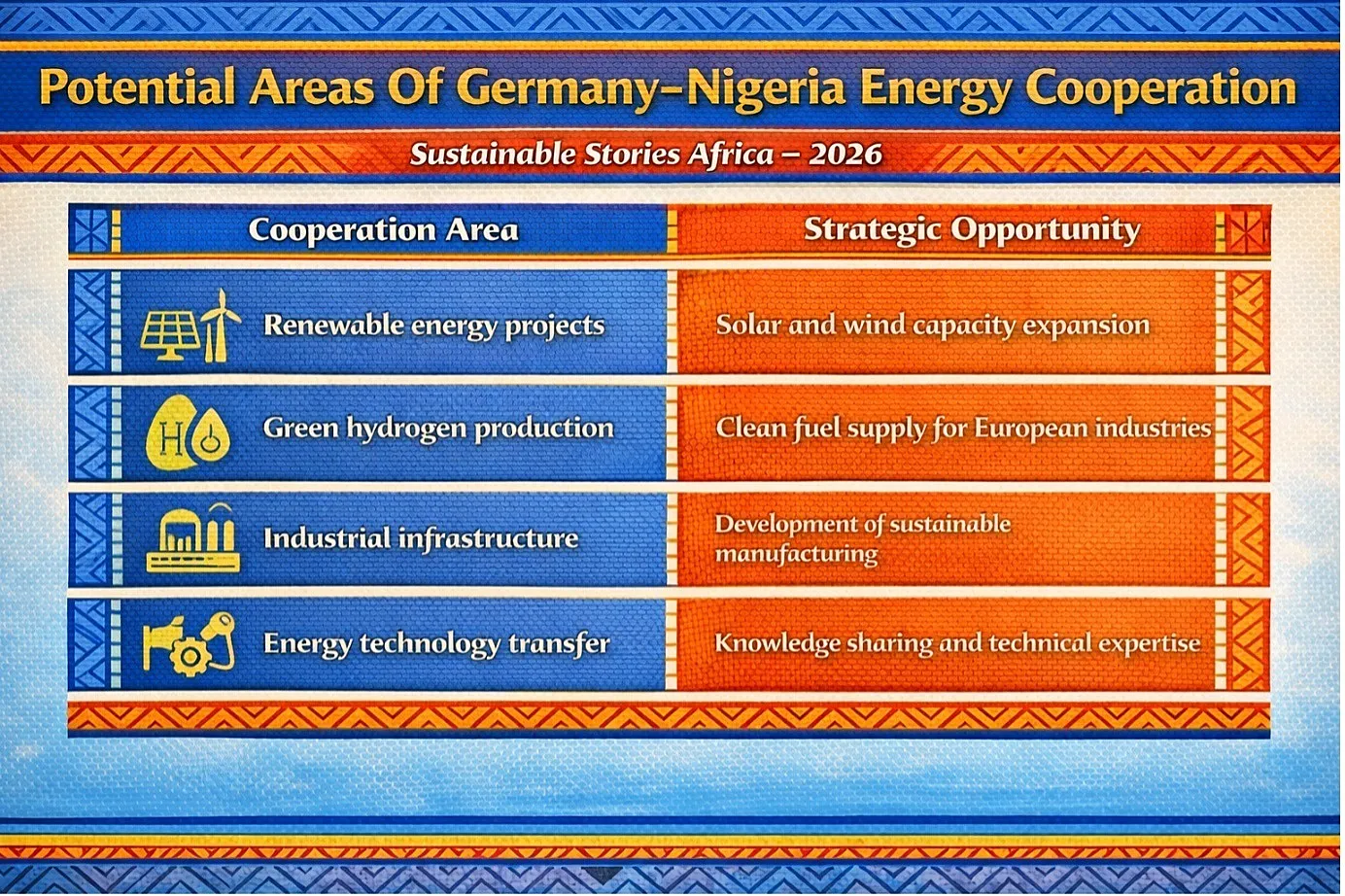
These areas could create new investment channels while strengthening Nigeria’s role in global energy markets.
Africa’s Energy Potential Attracting Global Interest
Africa possesses some of the world’s most significant renewable energy resources; however, investment levels remain relatively low compared with other regions.
International partnerships are increasingly viewed as a key mechanism for unlocking this potential.
Nigeria’s large domestic energy market, combined with its geographic proximity to Europe, strengthens its strategic relevance in emerging global energy supply chains.
At the same time, expanding renewable energy capacity could help Nigeria address long-standing challenges regarding electricity access while supporting industrial development.
Strategic Benefits Of Energy Partnerships
Benefit | Impact |
|---|---|
Increased foreign investment | Strengthens Nigeria’s energy infrastructure |
Technology transfer | Accelerates renewable energy deployment |
Industrial development | Expands manufacturing and export capacity |
Climate collaboration | Supports global decarbonisation goals |
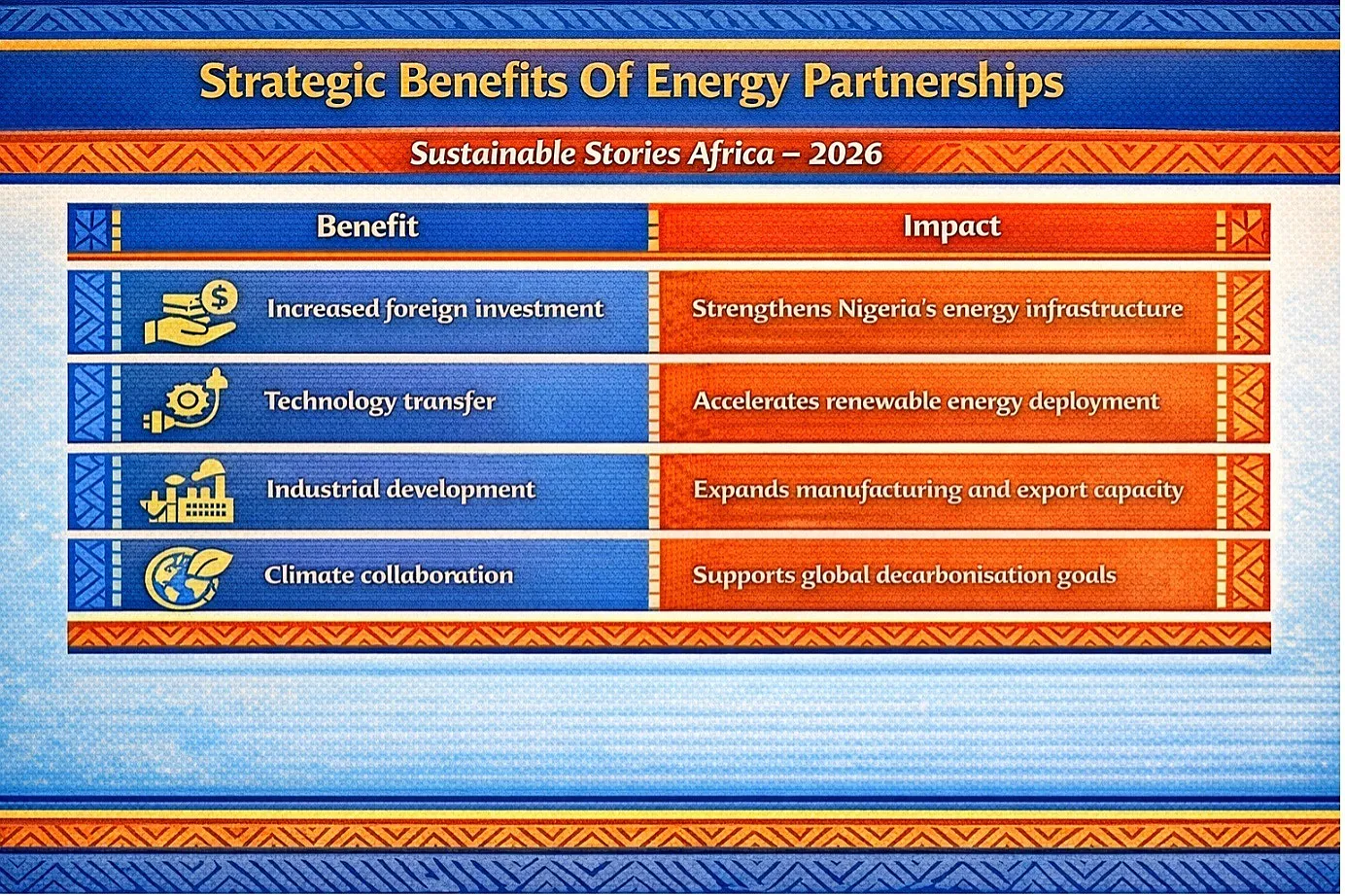
These advantages highlight why international energy partnerships are becoming a central feature of global climate strategies.
Strengthening Bilateral Energy Investment Frameworks
For the partnership to succeed, analysts say both countries will need to establish clear investment frameworks and policy coordination mechanisms.
Stable regulatory environments, long-term financing structures and industry collaboration will be essential to attract large-scale energy investments.
Experts also emphasise the importance of ensuring that energy partnerships contribute to domestic economic development.
If implemented effectively, cooperation between Germany and Nigeria could serve as a model for future energy partnerships between Europe and African economies.
Path Forward – Building Sustainable Energy Partnerships
Germany and Nigeria are expected to deepen collaboration through investment frameworks, industrial partnerships and renewable energy development initiatives.
By combining Africa’s renewable energy potential with European technology and capital, the partnership could accelerate the growth of sustainable energy systems while strengthening long-term economic cooperation between both regions.
Culled From: Germany seeks renewable energy, industrial partnerships with Nigeria - Energy in Africa