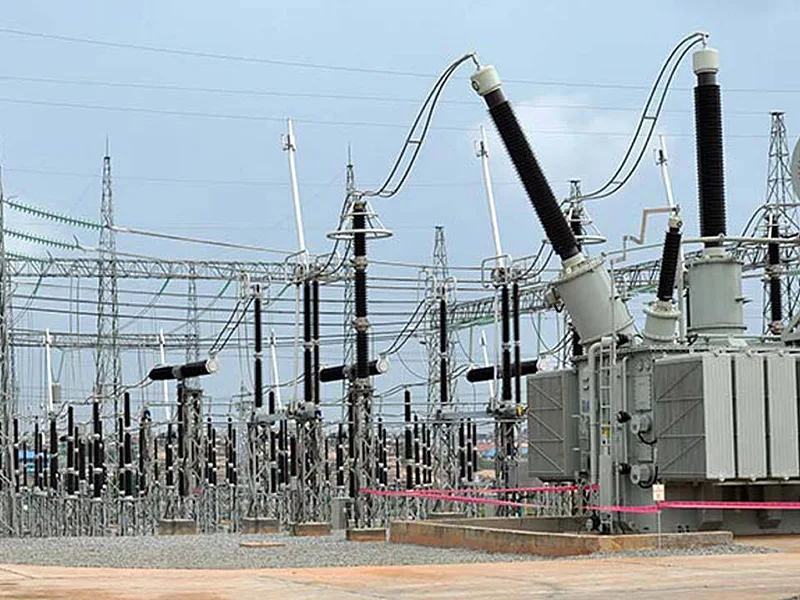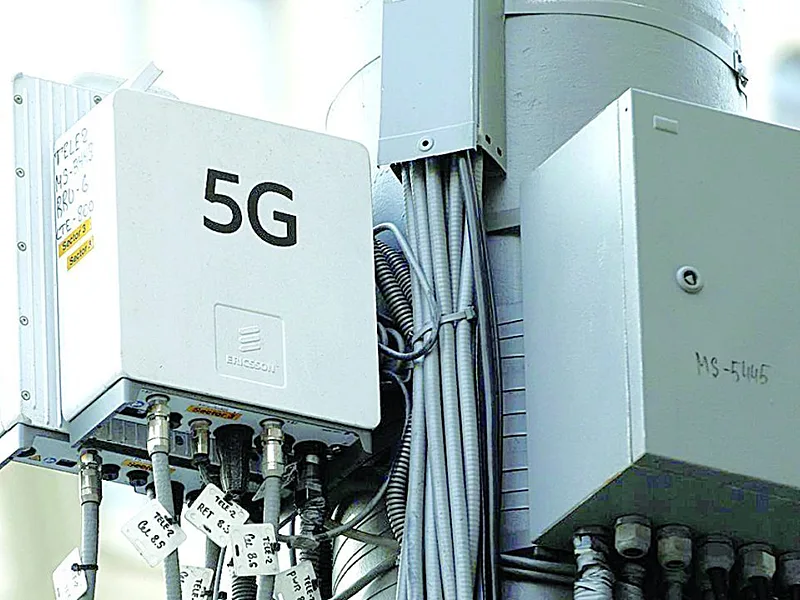
Nigeria will hold a minority equity stake in a $2 billion nationwide fibre broadband rollout aimed at expanding high-speed internet access across underserved regions.
The project signals a strategic shift: government as catalytic shareholder rather than sole financier, de-risking private capital while accelerating digital inclusion.
Officials say the rollout could transform Nigeria’s digital economy, improve broadband penetration, and unlock billions in productivity gains across education, fintech, health, and commerce.
Public/Private Fibre Push Accelerates Nigeria’s Digital Growth
Nigeria plans to take a minority shareholding position in a $2 billion nationwide fibre broadband rollout, marking one of the country’s most ambitious digital infrastructure initiatives to date.
The project aims to significantly expand fibre connectivity across states, reduce broadband access gaps, and strengthen Nigeria’s digital backbone.
The federal government’s participation is structured as a minority equity stake, designed to crowd in private capital while ensuring strategic oversight.
Officials say the model reflects a shift toward blended infrastructure financing, balancing public interest with commercial discipline.
The initiative comes amid growing pressure to close Nigeria’s broadband deficit and unlock digital economy growth in Africa’s largest market.
$2 Billion Fibre Bet Reshapes Nigeria’s Digital Infrastructure Strategy
At $2 billion, the proposed fibre rollout ranks among Nigeria’s largest digital infrastructure commitments. Broadband penetration remains uneven, with rural and peri-urban communities disproportionately excluded from high-speed connectivity.
Government participation as a minority shareholder signals a structural pivot: from operator to enabler.
Rather than fully funding or managing the rollout, authorities are positioning themselves to catalyse private investment while maintaining strategic alignment with national broadband objectives.
The scale of investment reflects recognition that fibre connectivity underpins fintech expansion, e-commerce growth, digital learning, and public-sector digitisation.
Blended Finance Model Anchors Nationwide Connectivity Expansion
The rollout is expected to extend fibre backbone infrastructure across multiple states, targeting connectivity gaps and improving last-mile integration.
Officials indicate the project is structured to attract institutional investors and infrastructure funds, reducing fiscal burden while maintaining oversight.
Key details of the deal
Metric | Detail |
|---|---|
Project Size | $2 Billion |
Government Role | Minority Equity Stake |
Objective | Nationwide Fibre Expansion |
Strategic Aim | Broadband Penetration Growth |
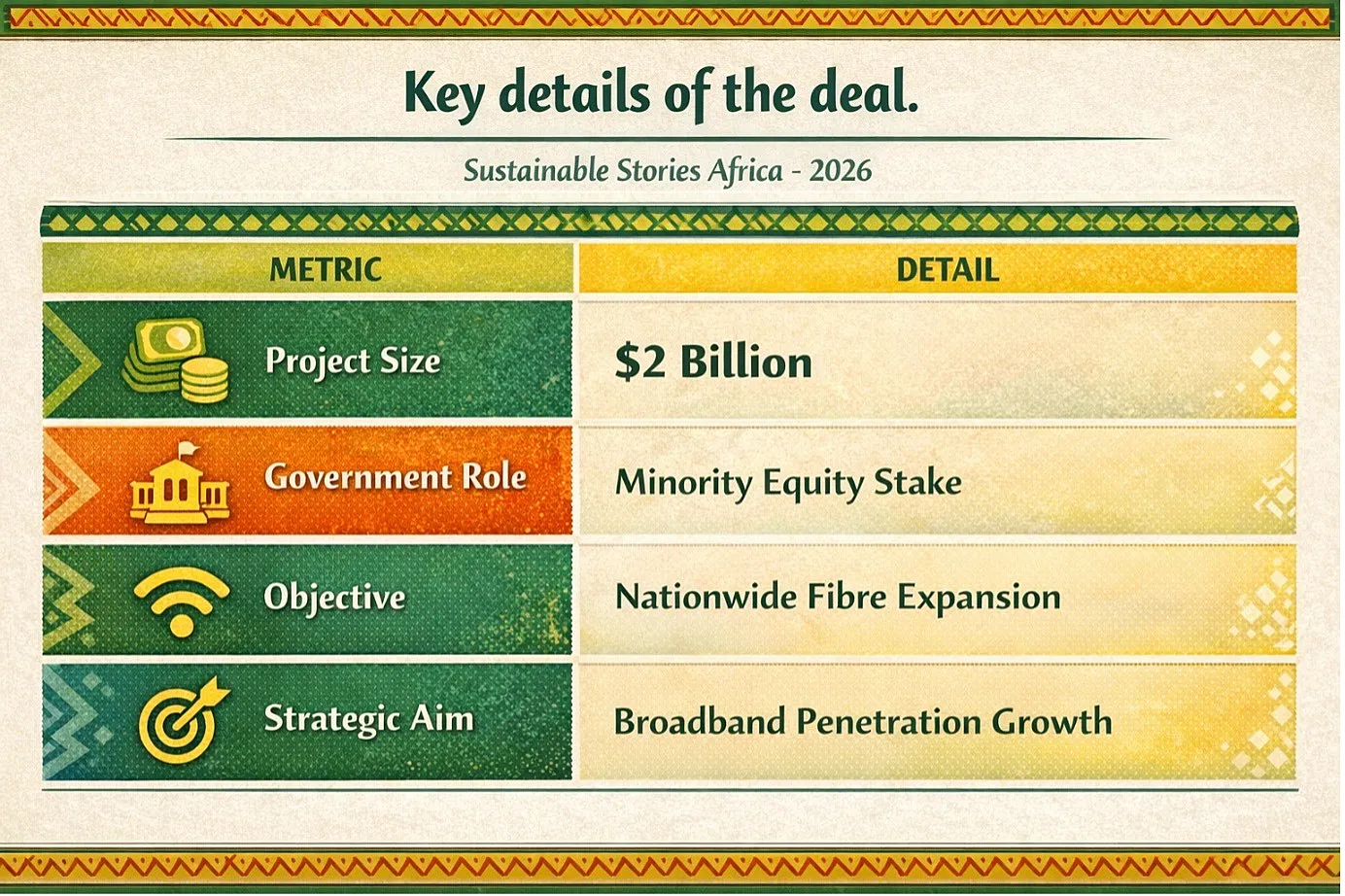
The minority stake model lowers sovereign balance-sheet exposure while signalling policy commitment to investors.
Analysts say such hybrid infrastructure financing structures are increasingly common in emerging markets seeking to mobilise private capital for public goods.
Nigeria’s digital economy contributes an increasing share to GDP, with fintech, digital payments, and e-commerce driving growth. However, connectivity gaps limit scalability.
Connectivity Expansion Unlocks Digital Economy Multiplier Effects
Expanded fibre infrastructure carries measurable economic implications. Studies across emerging markets show that broadband penetration increases can correlate with GDP growth, productivity gains, and employment generation.
Potential impact pathways include:
Sector | Impact Channel |
|---|---|
Education | Digital learning access in underserved areas |
Finance | Faster fintech scale and mobile banking growth |
SMEs | Improved e-commerce and cloud integration |
Public Sector | E-governance and digital service delivery |
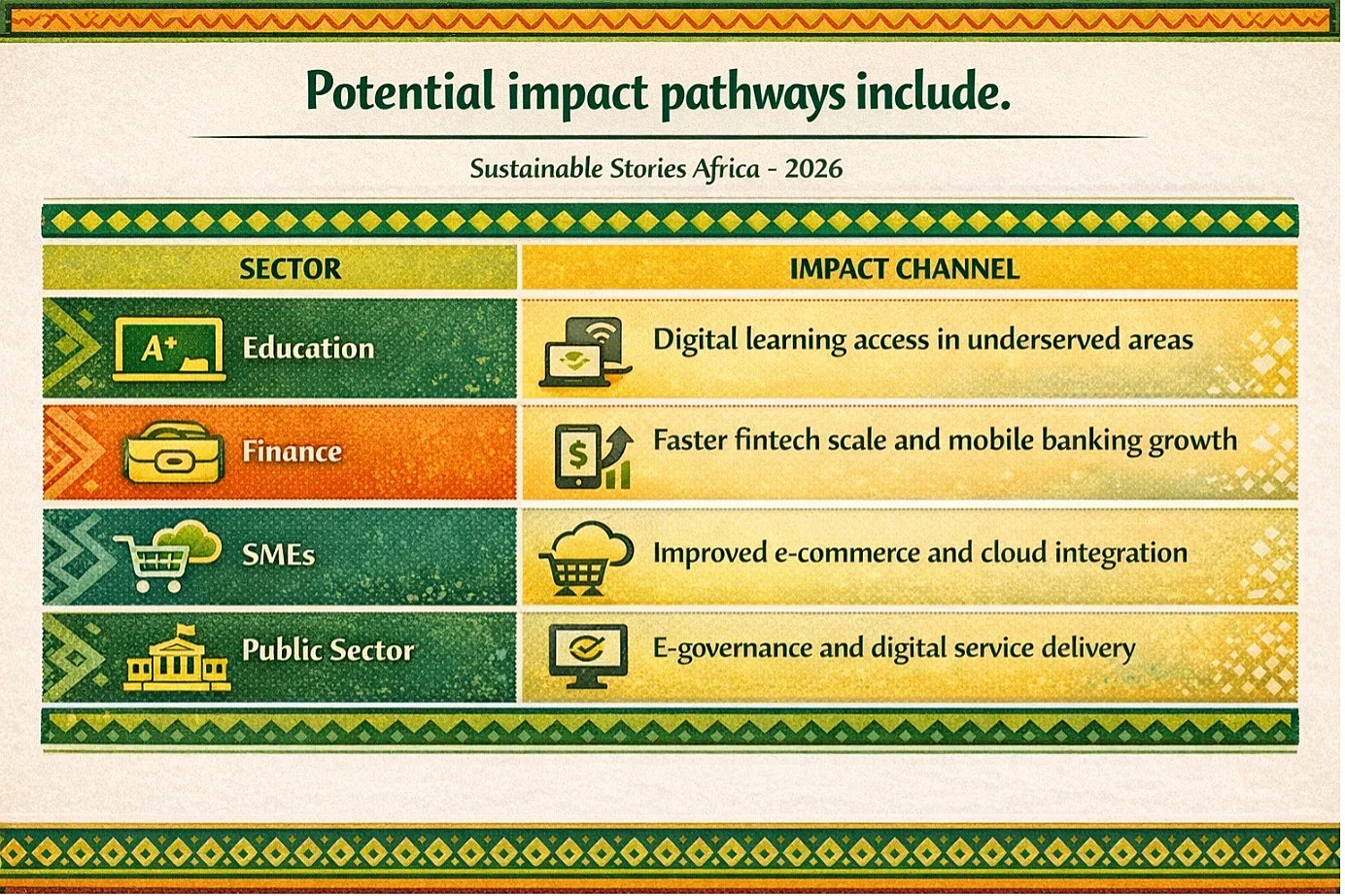
Without expanded fibre backbone infrastructure, Nigeria risks widening the digital divide.
With it, the country could accelerate digital GDP growth, deepen financial inclusion, and attract further tech investment.
Public-Private Alignment Now Critical for Delivery
Execution will determine credibility. Industry observers emphasise the importance of:
- Transparent governance structures
- Clear rollout milestones
- Investor confidence safeguards
- Rural inclusion prioritisation
The minority stake approach must translate into measurable fibre kilometres deployed, states connected, and broadband penetration increased.
Stakeholders, including telecom operators, investors, state governments, and regulators, will need coordinated execution to avoid delays that have historically hindered large-scale infrastructure delivery.
Path Forward – Catalytic Capital, Coordinated Execution Required
Nigeria’s minority equity model seeks to crowd in private capital while preserving strategic oversight.
Delivery discipline, regulatory clarity, and transparent governance will determine success.
If implemented effectively, the $2 billion fibre rollout could strengthen Nigeria’s digital backbone, reduce connectivity inequality, and accelerate digital economy growth nationwide.
Culled From: https://techcabal.com/2026/01/30/nigeria-to-hold-a-minority-share-in-2-billion-nationwide-fibre-rollout/