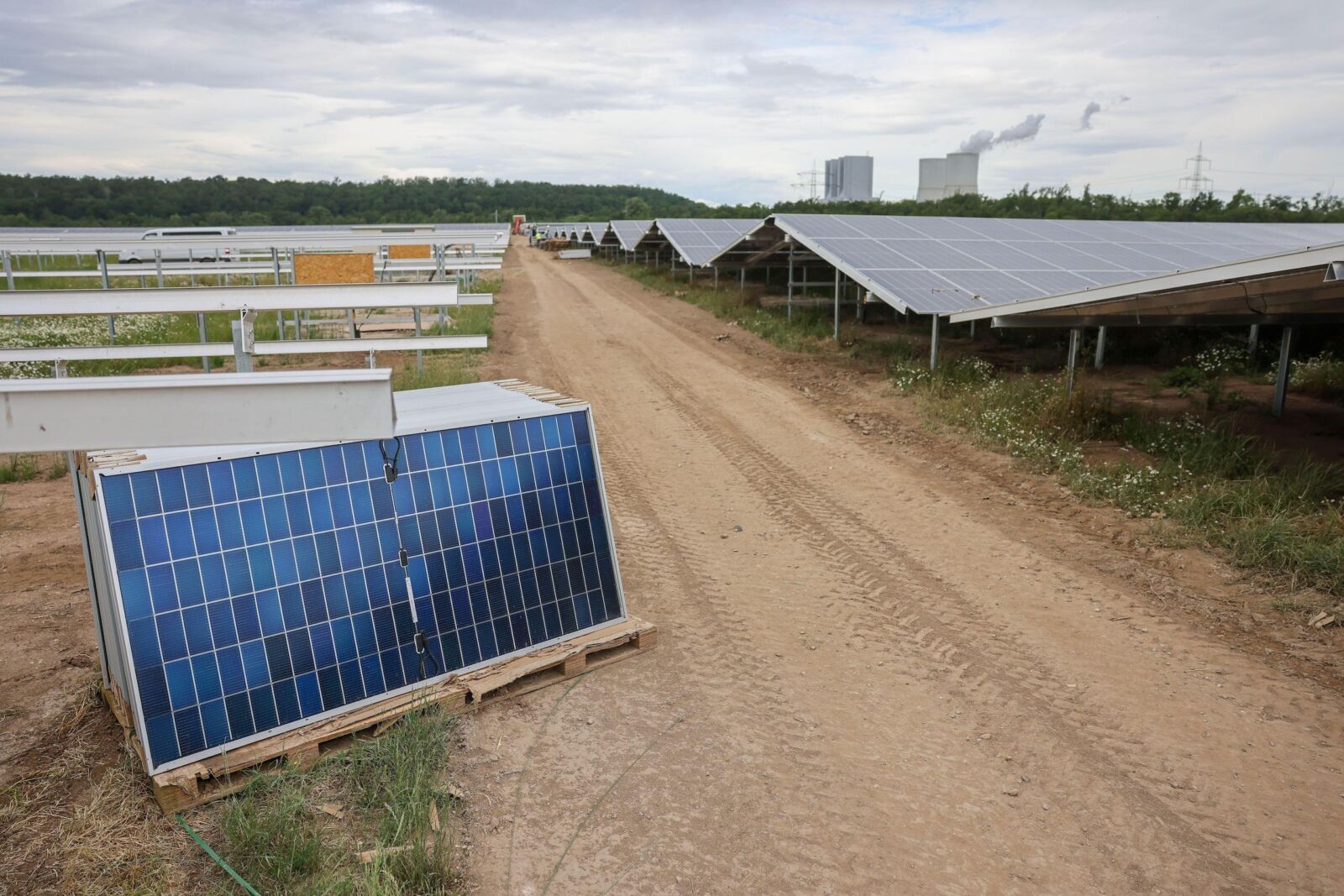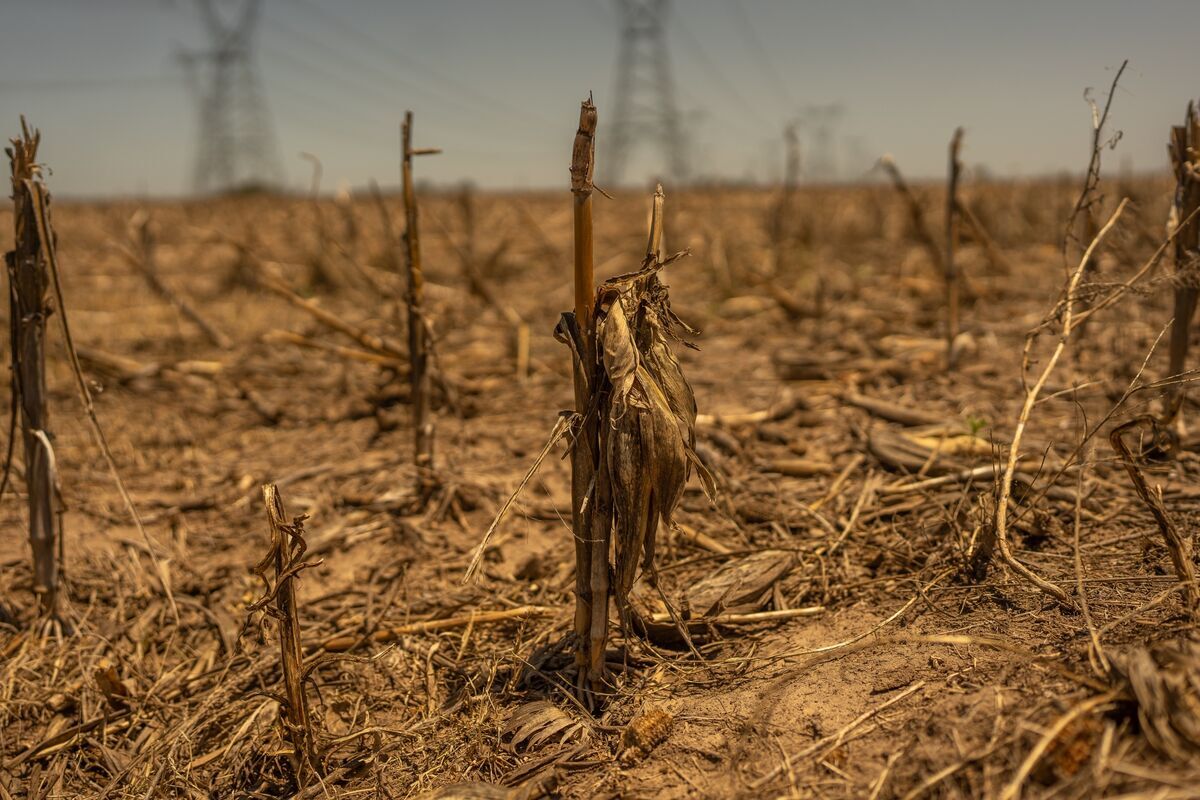
Nigeria's approach to environmental, social and governance (ESG) adoption is shifting from voluntary corporate signalling to a more structured, regulation-driven framework shaped by investors, regulators and global capital markets.
As disclosure expectations rise, Nigerian companies are recalibrating governance, sustainability reporting and risk management practices.
The transition reflects both global pressure and domestic reform momentum.
Nigeria's ESG Shift Enters a New Phase
Nigeria's ESG landscape is undergoing a gradual but consequential transformation as regulators, investors, and corporates align more closely with global sustainability and governance expectations.
Once dominated by voluntary sustainability reports and philanthropic initiatives, ESG in Nigeria is increasingly shaped by capital-market discipline, regulatory reform and investor scrutiny.
According to analysts and market participants, this evolution reflects Nigeria's growing exposure to international capital markets, where ESG performance now influences funding access, valuation and reputational risk across sectors including banking, energy, manufacturing and telecommunications.
From Voluntary Reporting to Market Expectations
For years, ESG adoption in Nigeria was largely discretionary, driven by multinational subsidiaries and a handful of listed firms responding to international parent-company requirements. That model is changing.
The Securities and Exchange Commission (SEC), Nigerian Exchange Group (NGX) and Central Bank of Nigeria (CBN) have all introduced frameworks that elevate ESG from optional disclosure to a core component of market integrity, risk management and long-term value creation.
Nigeria ESG Adoption Snapshot
| Dimension | Then | Now |
|---|---|---|
| ESG disclosure | Voluntary | Increasingly expected |
| Primary drivers | CSR, branding | Regulation, investors |
| Sector adoption | Limited | Expanding |
| Investor influence | Low | Rising |
| Governance focus | Weak | Strengthening |
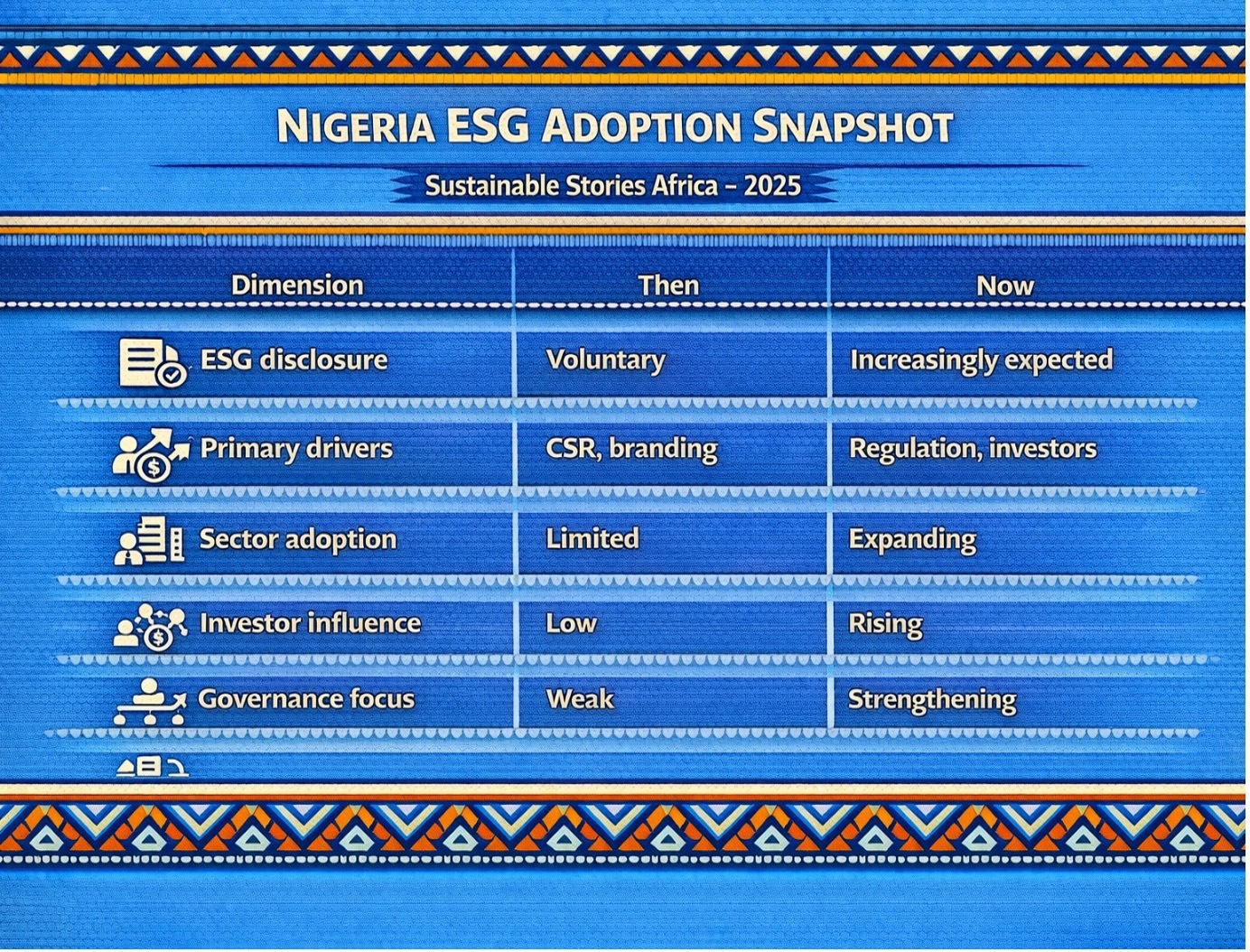
Market observers note that ESG is no longer framed solely as sustainability messaging but as a financial and governance risk lens, particularly in climate exposure, social licence to operate, and board oversight.
Why ESG Now Matters for Nigerian Companies
Nigeria's ESG shift is not occurring in isolation. Global capital flows are increasingly filtered through ESG benchmarks, affecting access to development finance, private equity, and long-term institutional capital.
For Nigerian corporates, weak ESG practices now translate into:
- Higher cost of capital
- Reduced investor appetite
- Heightened reputational risk
- Exposure to regulatory sanctions
Conversely, firms with credible ESG governance benefit from stronger investor confidence, operational resilience, and improved competitiveness in export and capital markets.
Key ESG Pressure Points in Nigeria
| ESG Pillar | Risk Exposure |
|---|---|
| Environmental | Climate, pollution, energy transition |
| Social | Labour standards, community relations |
| Governance | Board independence, transparency |
| Reporting | Data quality, comparability |
| Compliance | Regulatory alignment |
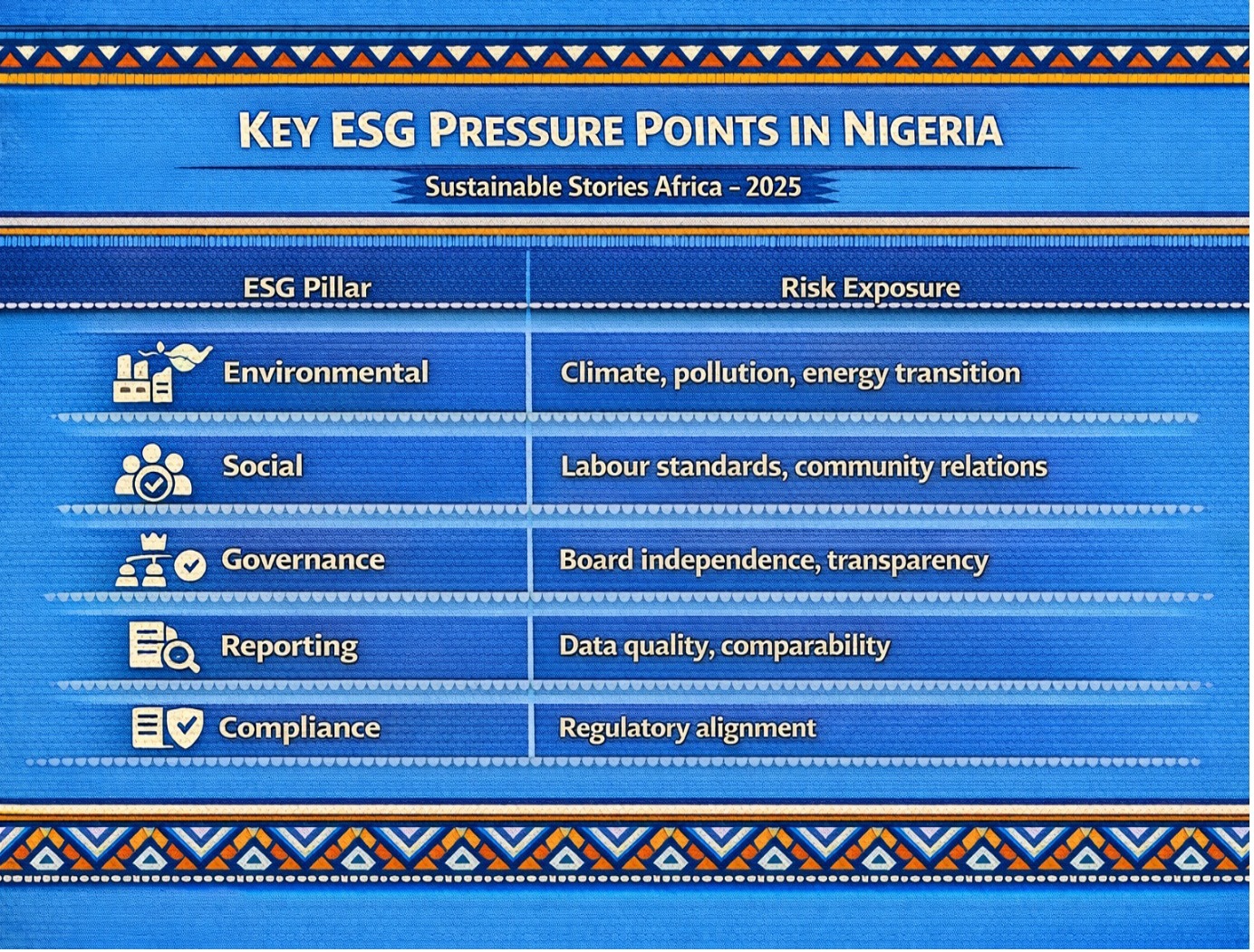
This reality is pushing boards and executives to integrate ESG into enterprise risk management rather than treating it as a reporting add-on.
Regulation, Markets and Corporate Response
Regulators are reinforcing this shift. The NGX's Sustainability Disclosure Guidelines and the SEC's governance codes signal a tightening alignment with international standards such as ISSB and GRI-aligned reporting.
Companies are responding by:
- Establishing ESG and sustainability committees
- Improving data collection and disclosure systems
- Embedding ESG metrics into strategy and performance management
- Aligning sustainability priorities with core business risks
While implementation remains uneven, especially among mid-sized firms, momentum is building as ESG expectations increasingly influence credit decisions, listings, and investor relations.
Path Forward: Embedding ESG Into Market Discipline
From ESG Awareness to Market Discipline
Nigeria's ESG evolution, which we term "From ESG Awareness to Market Discipline," is entering a more structured phase driven by regulation, investor scrutiny and capital-market realities. The focus is shifting from narrative sustainability to measurable governance, credible data and risk-aligned disclosure.
Sustained progress will depend on regulatory consistency, board-level accountability and capacity building, ensuring ESG adoption strengthens Nigeria's market credibility while supporting long-term economic resilience.
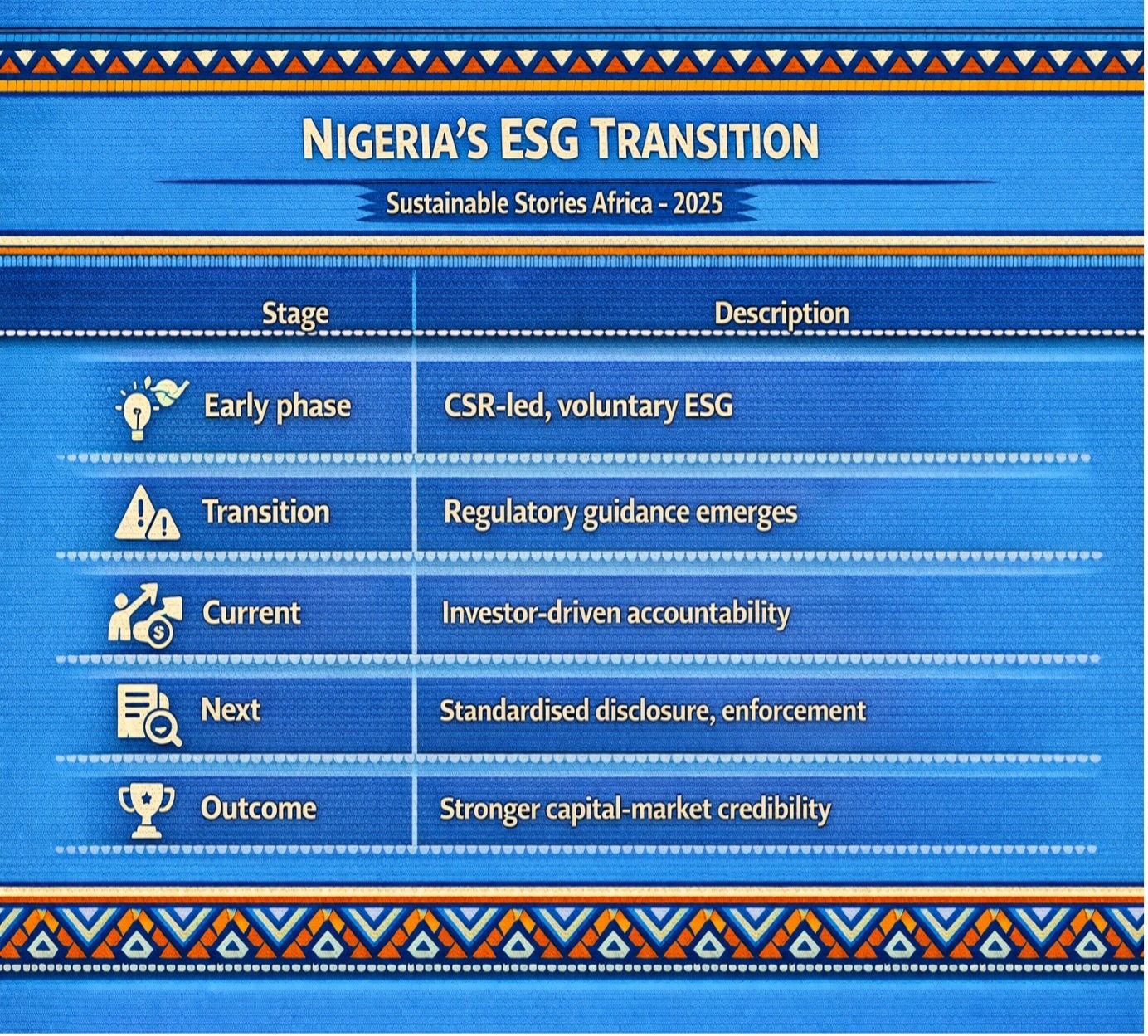
Nigeria's ESG Transition
| Stage | Description |
|---|---|
| Early phase | CSR-led, voluntary ESG |
| Transition | Regulatory guidance emerges |
| Current | Investor-driven accountability |
| Next | Standardised disclosure, enforcement |
| Outcome | Stronger capital-market credibility |
Culled From: https://www.thisdaylive.com/2025/12/09/nigerias-evolutionary-journey-towards-esg-adoption/