Proparco has committed $15 million to an African climate infrastructure fund targeting early-stage projects.
The move addresses a critical financing gap slowing the continent’s energy transition pipeline.
If successful, the fund could unlock scalable clean-energy investments and reshape project development ecosystems.
De-Risking Africa’s Climate Pipeline
In a decisive move to unlock Africa’s stalled clean energy pipeline, Proparco, the private sector financing arm of the French Development Agency, has committed $15 million to an African climate infrastructure fund focused on early-stage project development.
The investment targets one of the most persistent bottlenecks in Africa’s energy transition: the lack of risk-tolerant capital at the project preparation phase.
While billions of dollars are pledged annually for climate finance, a significant portion fails to reach bankable projects due to weak early-stage development.
By backing this fund, Proparco is positioning itself at the front end of the value chain, where ideas either scale into infrastructure or stall indefinitely.
Bridging the Missing Middle in Climate Finance
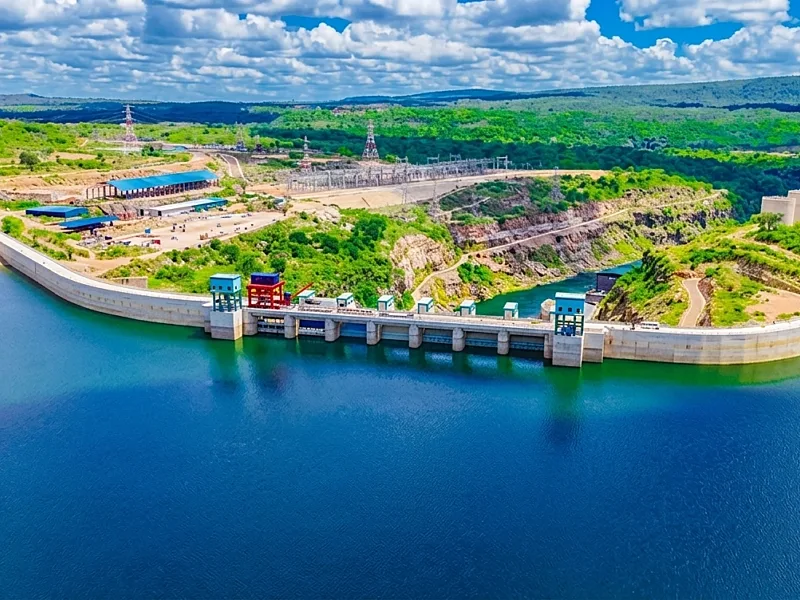
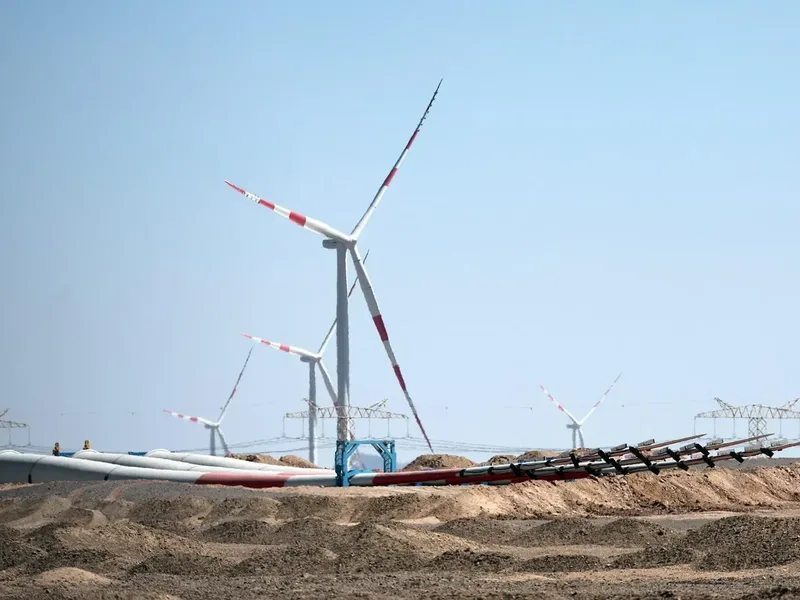
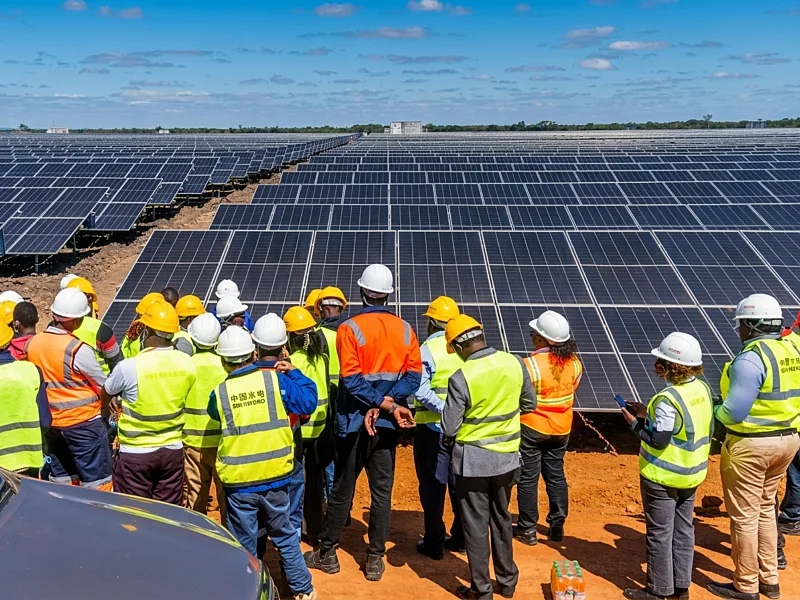
Africa’s energy transition is not constrained by ambition but by pipeline readiness. Across the continent, renewable energy projects, from solar mini-grids to utility-scale wind farms, often struggle to move beyond the concept stage due to insufficient technical studies, feasibility assessments, and early capital.
This is where the new fund steps in: to finance project preparation, absorb early risks, and create a pipeline of investment-ready infrastructure.
Understanding the Climate Finance Gap
Stage of Project Lifecycle | Typical Funding Availability | Key Challenge |
|---|---|---|
Concept & feasibility | Low | High risk, limited investor appetite |
Development & structuring | Moderate | Technical and regulatory complexity |
Construction & operation | High | Bankable, lower perceived risk |
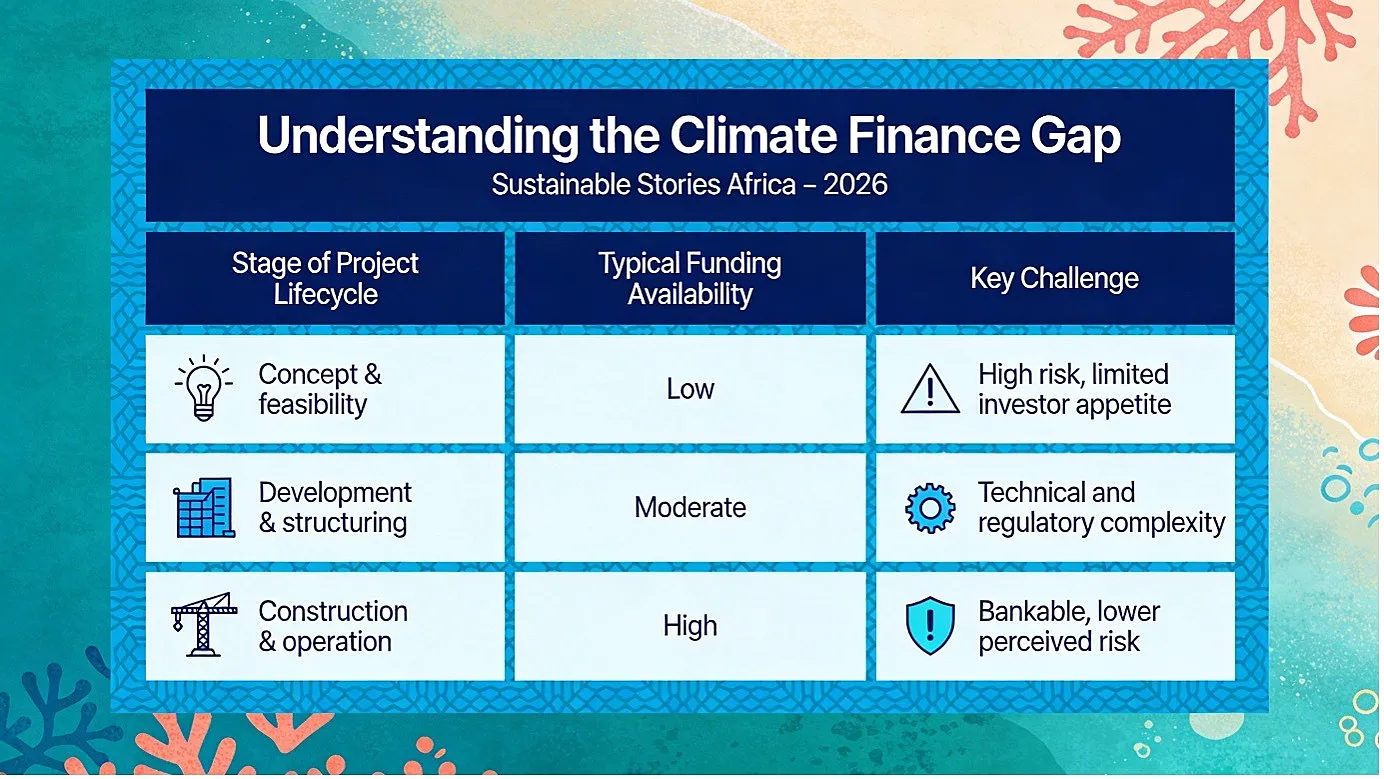
The imbalance is clear: capital is abundant at later stages but scarce where it is needed most.
Stakeholders within the development finance ecosystem have increasingly emphasised this gap. Early-stage financing, often referred to as “patient capital,” is critical for building a pipeline of viable projects that can later attract institutional investors.
As one development finance expert noted in similar contexts, “Without investable projects, climate capital has nowhere to go.”
The fund supported by Proparco aims to change that dynamic by working with local developers, governments, and technical partners to bring projects to maturity.
Unlocking Scalable, Inclusive Energy Growth
If effectively deployed, this $15 million commitment could have a multiplier effect far beyond its nominal value.
By enabling early-stage development, the fund can crowd in larger pools of capital, from pension funds, sovereign wealth funds, and private equity, once projects reach bankability. This catalytic model has been widely recognised as essential for scaling infrastructure investment across emerging markets.
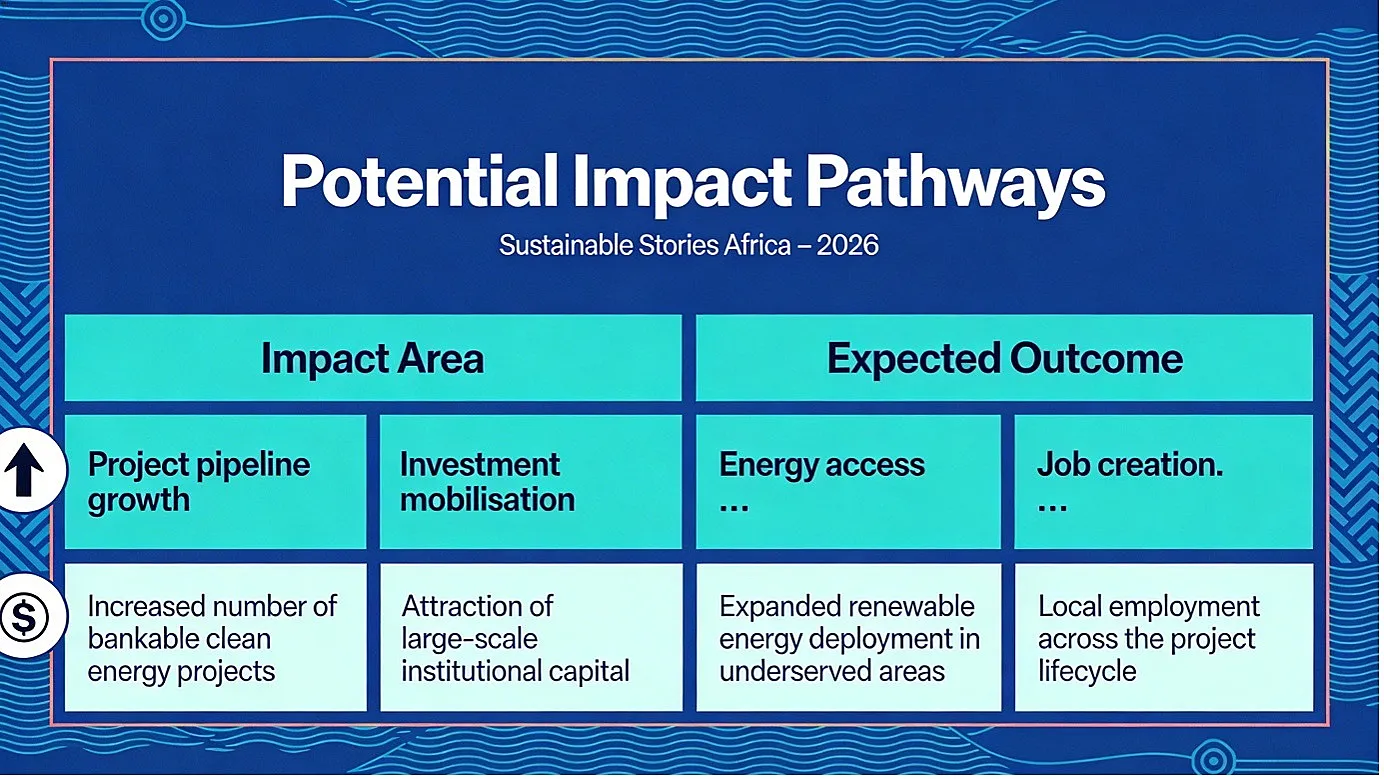
Potential Impact Pathways
Impact Area | Expected Outcome |
|---|---|
Project pipeline growth | Increased number of bankable clean energy projects |
Investment mobilisation | Attraction of large-scale institutional capital |
Energy access | Expanded renewable energy deployment in underserved areas |
Job creation | Local employment across the project lifecycle |
Beyond financial returns, the implications are deeply human. Expanded energy access can power small businesses, improve healthcare delivery, and enable digital inclusion across underserved communities.
However, without such interventions, Africa risks falling behind in the global energy transition, despite holding the highest share of renewable energy potential.
Scaling What Works, Reforming What Doesn’t
The significance of Proparco’s investment extends beyond capital—it signals a shift in how climate finance is structured for Africa.
To build on this momentum, policymakers must prioritise regulatory clarity and streamlined approval processes to reduce project delays. Development finance institutions should continue to deploy blended finance instruments that combine public and private capital to absorb early risks.
Financial institutions in Africa play a role in co-financing and supporting local developers, ensuring that project ownership and value creation remain within the continent.
At the same time, capacity-building initiatives are essential to equip local developers with the technical and financial expertise required to navigate complex project development cycles.
The call to action is clear: move from pledges to pipelines, from capital commitments to constructed projects.
PATH FORWARD – De-Risk Early, Unlock Scalable Climate Investment
Early-stage financing must become central to Africa’s climate investment strategy.
By aligning capital, policy, and local capacity, stakeholders can unlock a robust pipeline of bankable projects that accelerate energy transition and deliver inclusive growth.
Culled From: Proparco Backs African Climate Infrastructure Fund With $15 Million to Support Early-Stage Energy Transition Projects