As renewable energy spreads globally, experts argue that solar and wind power could fundamentally reshape geopolitics, reducing the likelihood of resource-driven conflicts.
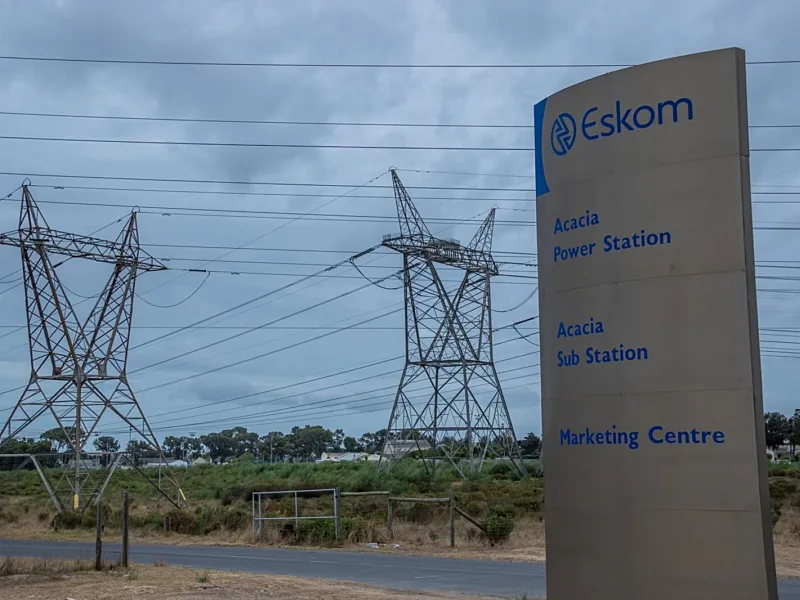
Unlike fossil fuels, which are concentrated in a few regions, renewable energy resources are widely distributed and locally deployable, weakening traditional energy structures.
The shift could transform global energy security, moving the world from competition over scarce resources to cooperation around clean technology and electricity infrastructure.
Renewable Energy Reshapes Global Security
The rapid rise of renewable energy is beginning to reshape global geopolitics, challenging a century-long pattern in which access to oil and gas resources has shaped alliances, conflicts, and economic power.
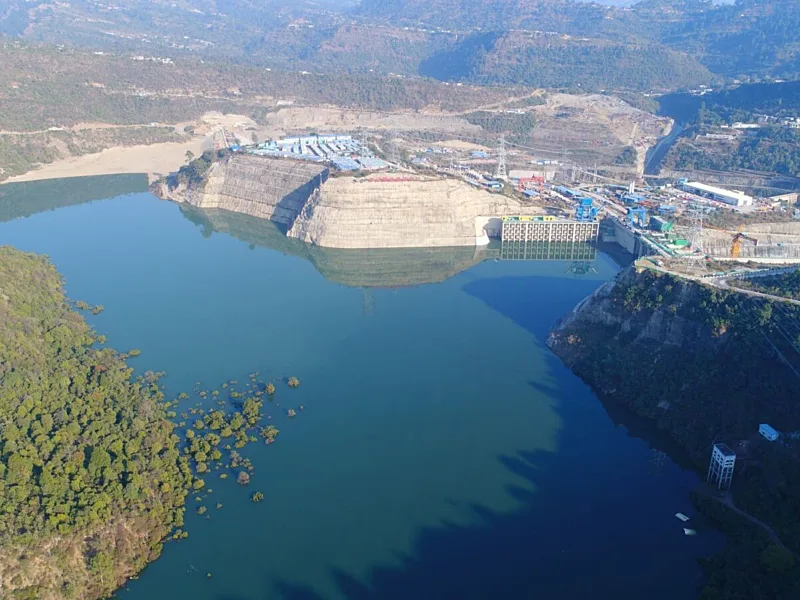
Unlike fossil fuels, which are concentrated in a few regions, renewable energy resources such as solar, wind, and hydropower are widely distributed.
This decentralised nature means countries can generate energy domestically rather than relying heavily on imported fuels.
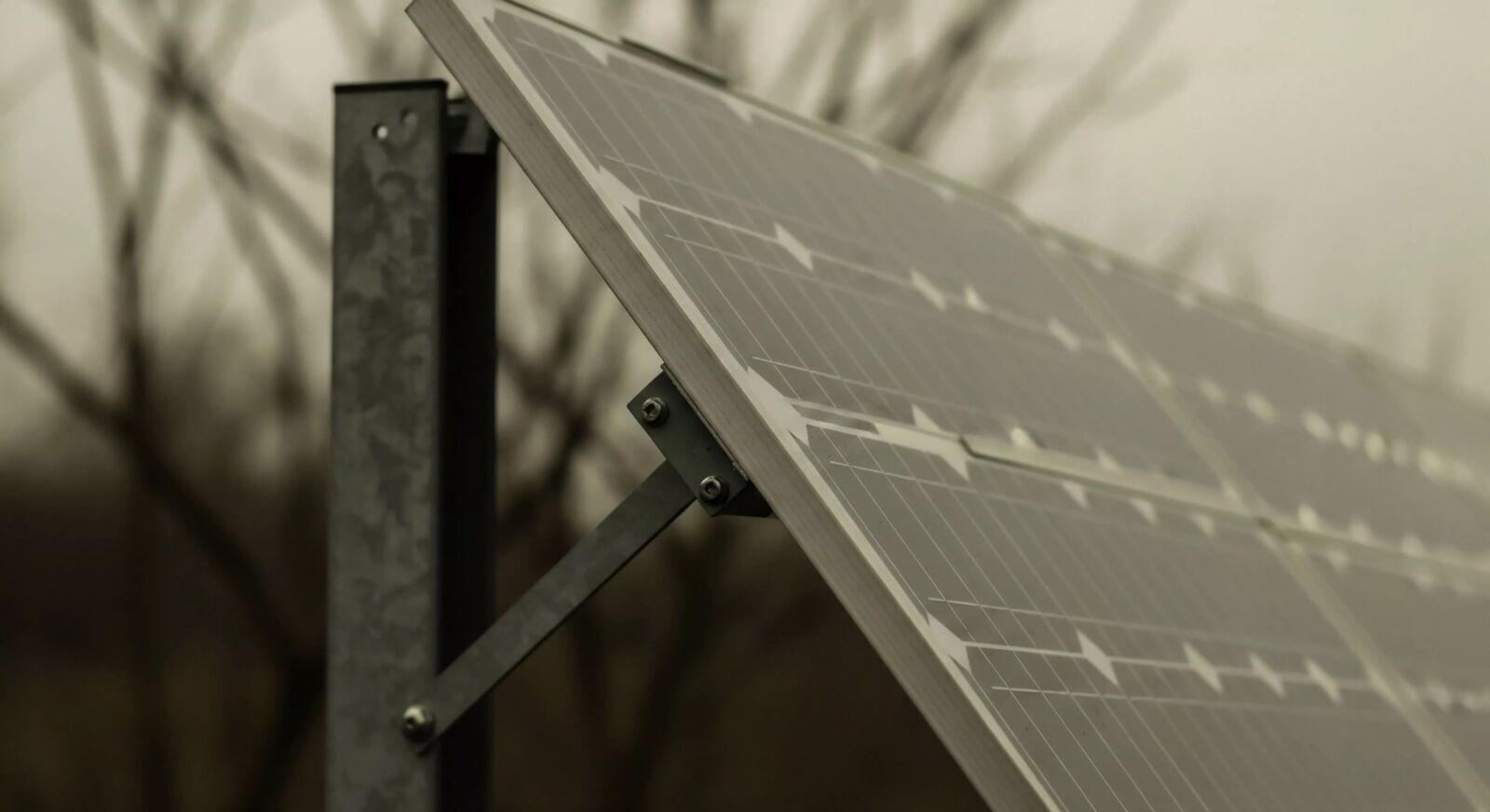
Energy analysts increasingly argue that this shift could reduce geopolitical tensions linked to resource competition. The idea is simple but powerful: no nation needs to wage war to secure sunlight or wind.
As countries accelerate the energy transition, renewable power is gradually altering the foundations of global energy security.
Fossil Fuel Geopolitics Faces Structural Change
For decades, global energy politics have been shaped by control of oil and gas reserves. Major geopolitical events, from Middle Eastern conflicts to strategic pipeline disputes, have often been tied to the distribution of fossil fuel resources.
Renewable energy technologies disrupt that model by decentralising power generation.
Solar panels, wind turbines, and battery storage systems allow energy production closer to where electricity is consumed, reducing dependence on international fuel supply chains.
However, the transition introduces new strategic considerations. Clean energy systems depend on critical minerals, including lithium, cobalt, nickel, and rare earth elements, which are used in batteries and other renewable technologies.
As demand for these minerals rises, analysts warn that geopolitical competition could shift toward control of supply chains rather than fossil fuel reserves.
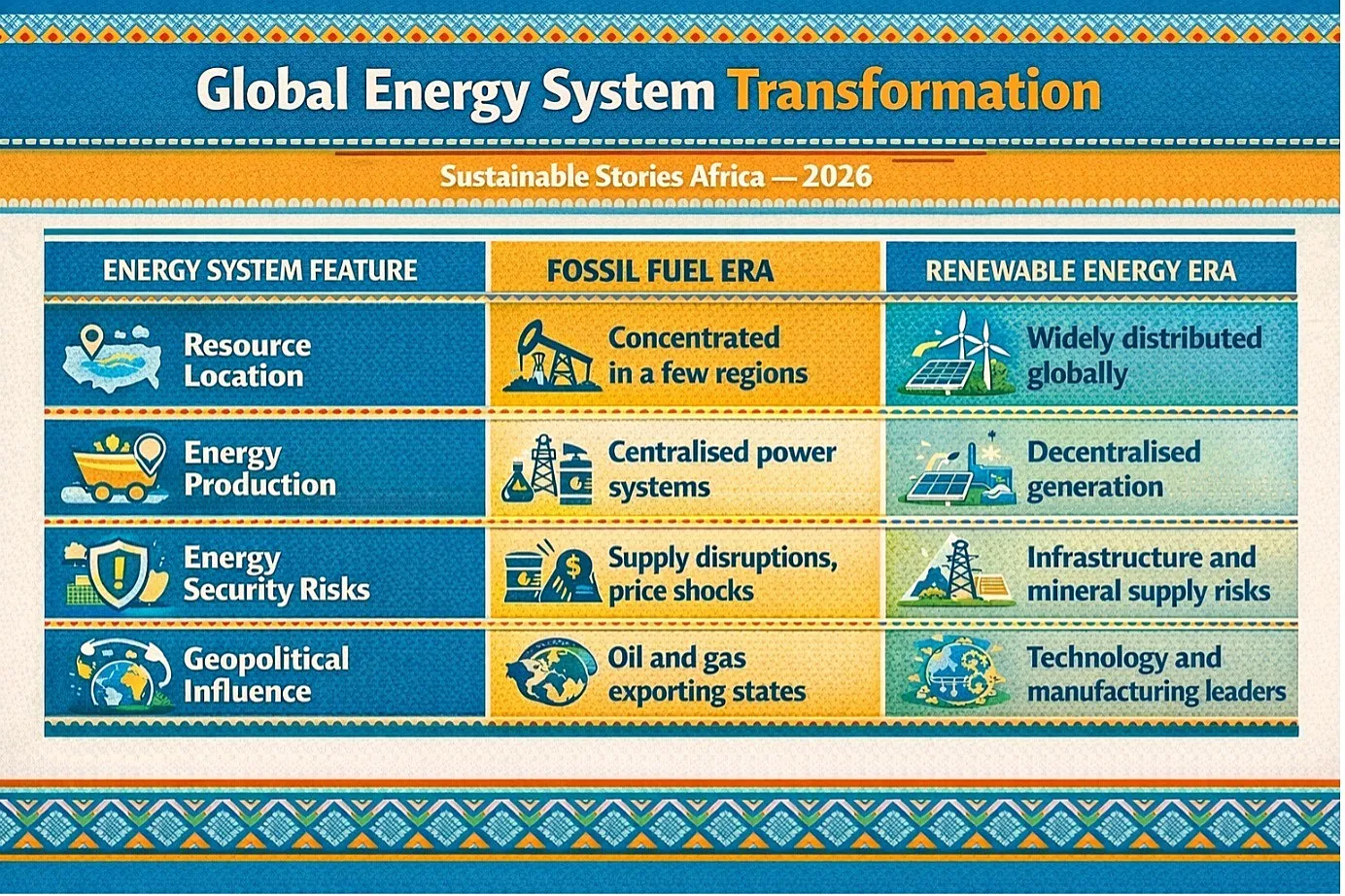
Global Energy System Transformation
Energy System Feature | Fossil Fuel Era | Renewable Energy Era |
|---|---|---|
Resource location | Concentrated in a few regions | Widely distributed globally |
Energy production | Centralised power systems | Decentralised generation |
Energy security risks | Supply disruptions, price shocks | Infrastructure and mineral supply risks |
Geopolitical influence | Oil and gas exporting states | Technology and manufacturing leaders |
Technology Investment Drives New Energy Order
The transition to renewable energy is accelerating as governments and companies invest heavily in clean technology manufacturing, electricity grids, and energy storage systems.
Solar and wind power are now among the fastest-growing energy sources globally, supported by falling technology costs and stronger climate policies.
Countries that dominate renewable technology manufacturing, especially solar panels, batteries, and electric vehicles, are increasingly shaping the emerging energy order.
The geopolitical race is therefore shifting from controlling oil reserves to leading innovation, technology supply chains, and critical mineral processing.
For developing economies, including many African nations, the shift presents both opportunity and risk. Countries rich in renewable resources and mineral deposits could become important players in the global energy transition if investment and governance frameworks are aligned.
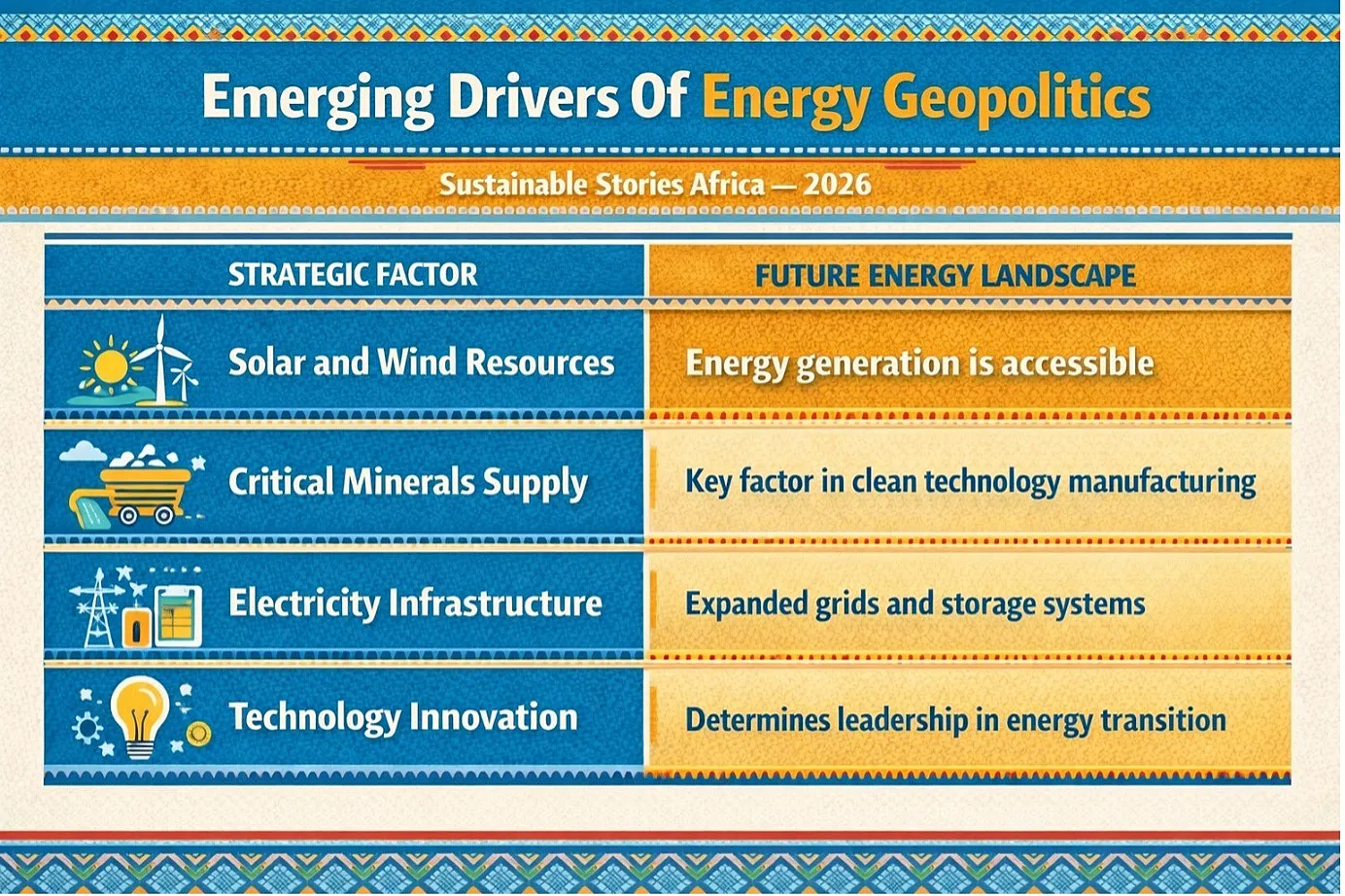
Emerging Drivers Of Energy Geopolitics
Strategic Factor | Future Energy Landscape |
|---|---|
Solar and wind resources | Energy generation is accessible |
Critical minerals supply | Key factor in clean technology manufacturing |
Electricity infrastructure | Expanded grids and storage systems |
Technology innovation | Determines leadership in energy transition |
Path Forward – Clean Energy Alters Global Power
The global shift toward renewable energy is gradually reshaping the foundations of energy geopolitics. As solar and wind technologies spread, energy security may depend less on controlling fossil fuel reserves and more on technological innovation and resilient supply chains.
For policymakers, the challenge will be ensuring that the transition reduces geopolitical tensions rather than simply relocating them to new resources such as critical minerals and clean technology infrastructure.
Culled From: No one goes to war over a solar panel - Climate and Capital Media