Africa’s growth debate is shifting from ambition to execution.
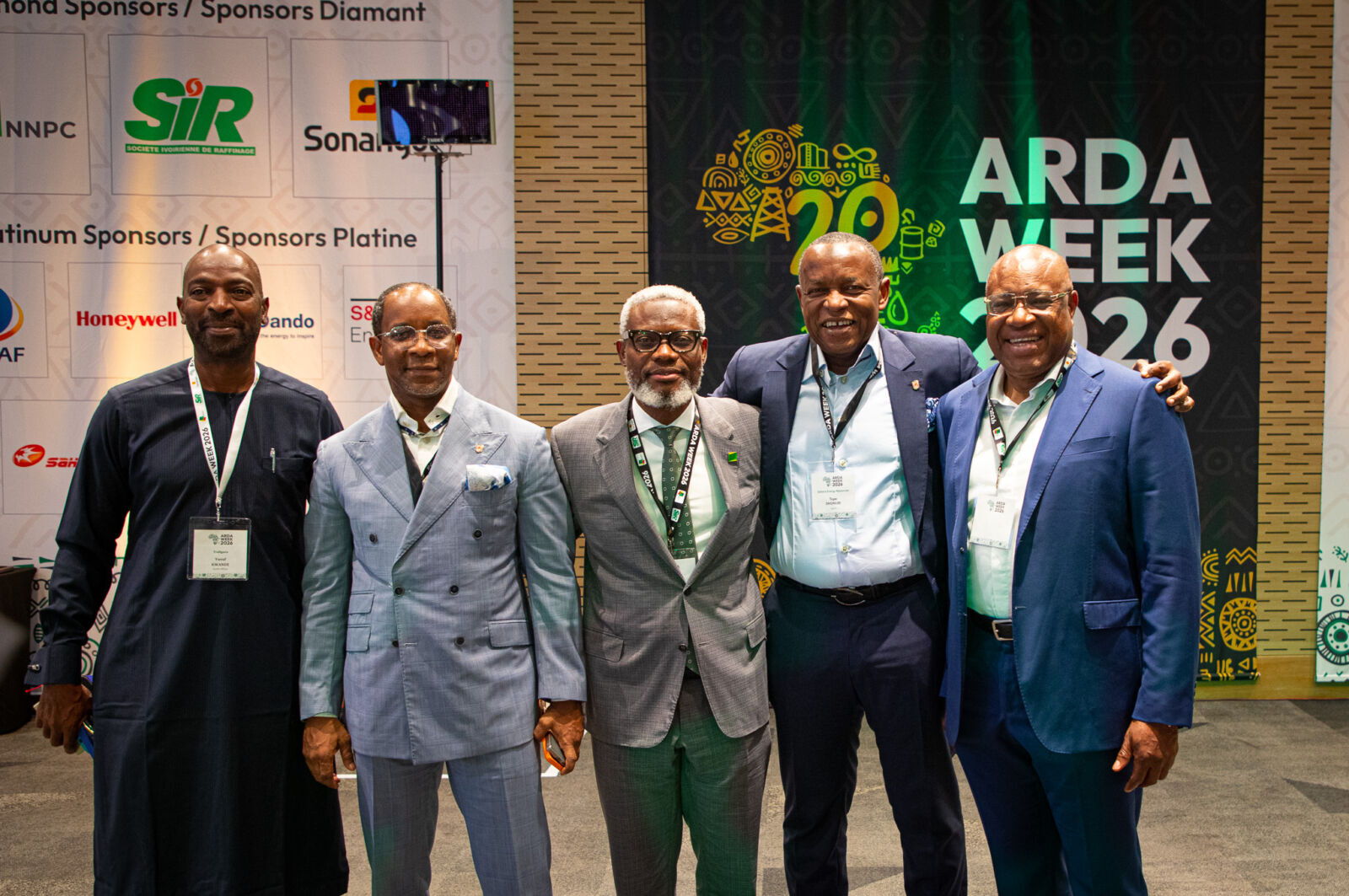
At ARDA Week 2026 in Cape Town, Sahara Group urged governments, financiers and industry leaders to accelerate intra-African investment as a route to industrialisation.
The message matters because weak policy alignment, fragmented markets, and high costs of capital still limit Africa’s ability to scale energy, trade and manufacturing systems.
Sahara Group at ARDA 2026: Execution, Not Plans, Is Africa's Real Deficit
Africa is not short of plans, resources, or ambition. What the continent is struggling with, Sahara Group argued at ARDA Week in Cape Town on Monday, April 13, is execution, across borders, sectors, and institutions.
Temitope Shonubi, Executive Director at Sahara Group, called on African leaders to move beyond fragmented national approaches toward a unified investment mindset built on partnership, value creation, and domestic capital mobilisation.
Sahara anchored its argument in the T.R.I.P.S. framework, “Transform, Reform, Inform, Perform, and Success”, drawing on three decades of operating across Africa's energy value chain.
The message was direct and deliberately reframing. "Africa's challenges are well understood. What matters now is defining and committing to the path forward," Shonubi said.
The gap between where Africa stands and where it could be, he argued, "was built" — and can therefore be unbuilt.
For investors, policymakers, and businesses, that shift from diagnosis to delivery is precisely the signal ARDA 2026 was designed to amplify.
Perception, Not Just Policy, Is Inflating Africa's Cost of Capital
Africa's development trap is not simply a coordination failure; it is also a perception problem.
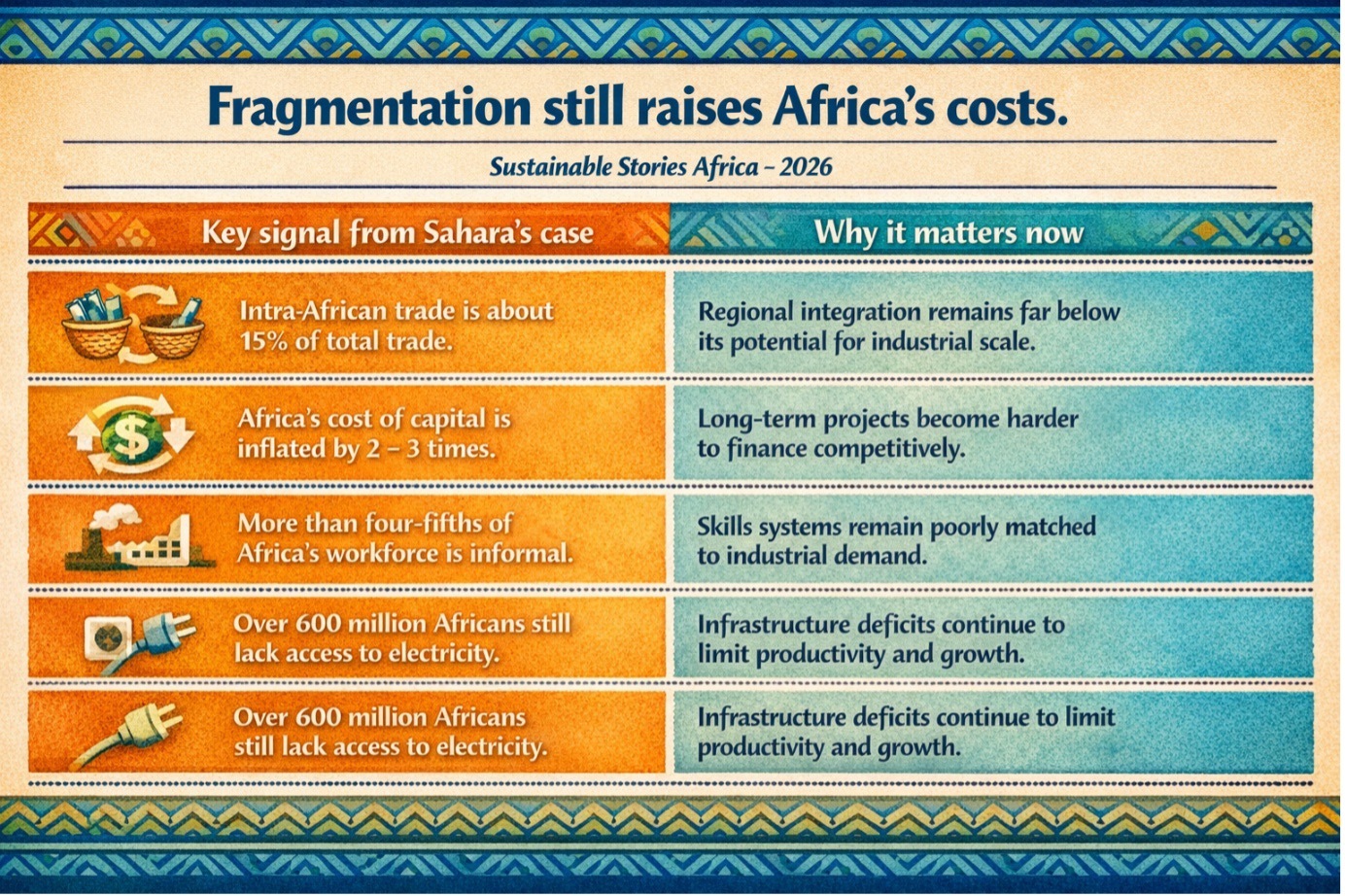
Sahara Group argues that inflated risk narratives are driving Africa's cost of capital two to three times over what fundamentals justify, even as foreign direct investment now outpaces official development assistance in volume.
Temitope Shonubi identified the structural barriers directly, including overlapping regulations, multiple currencies, and uneven implementation of the African Continental Free Trade Area, suggesting that industrial value chains cannot scale across "54 rulebooks and dozens of currencies."
Every border reset undermines competitiveness and signals institutional fragility to investors already priced for risk.
The consequences are measurable. Intra-African trade still accounts for only approximately 15% of total continental trade, a figure that reflects not a shortage of opportunity, but the persistent shallowness of regional markets that integration has not yet fully unlocked.
For manufacturers, processors, and distributors operating across borders, that 15% is not a statistic. It is a structural ceiling.
Capital, Policy, and Workforce – Sahara's Three-Part Case for African Transformation
Sahara Group's most substantive contribution at ARDA 2026 was not a call for more investment; it was an attempt to connect capital, policy, and workforce development within a single coherent narrative.
- Transform means Africa presenting itself as a credible investment partner, rather than an aid recipient.
- Reform means reducing the regulatory friction that fragmented trade implementation continues to impose. Inform means aligning education and training with industrial demand, a critical gap on a continent where more than four-fifths of the workforce operates informally, and where too many graduates are prepared for low-productivity consumption economies rather than for building, manufacturing, and processing value-added goods.
- Performance is where rhetoric meets infrastructure. Shonubi pointed to Sahara's installed generation capacity of 2.7 GW and the electricity supplied to over 1.5 million households as evidence that advocacy must produce assets and assets must produce broader economic value.
Africa cannot remain a supplier of raw materials while importing the value it could be creating at home.
The case for shared execution
The strongest line in Sahara’s message may also be the most practical: “One company is not enough.”
That is a useful corrective to the idea that industrial transformation can be carried out by a few large corporations alone.
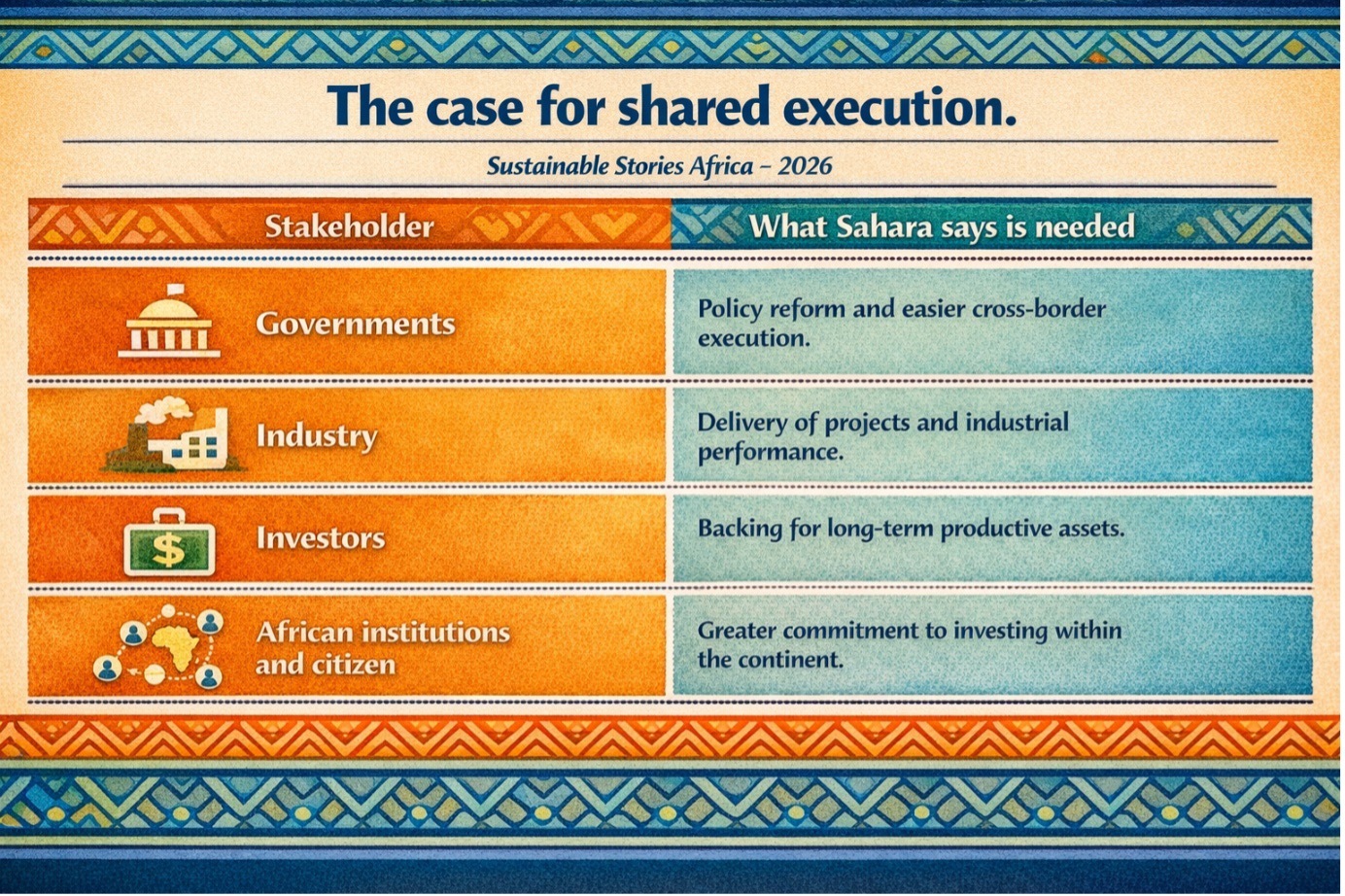
Sahara’s call was broader. Governments, it said, must reform. Industry must perform. Investors must finance long-term assets. Africans themselves must invest in Africa.
That gap matters because execution is precisely the issue under discussion.
Path Forward – Capital, policy and skills must align
Africa’s next growth phase will depend less on fresh declarations than on whether governments, firms and investors can reduce fragmentation and finance productive systems at the regional scale.
Sahara’s intervention at ARDA 2026 adds to a wider argument now gaining force across African markets: industrialisation will require aligned rules, skilled labour, reliable energy and patient capital working together, not in sequence but at once.