Africa’s green economy is gaining powerful momentum as ESG-focused investments steer progress across energy, manufacturing, and finance. This transformative wave signals a deeper alignment between sustainability imperatives and market opportunity across the continent.
From green bonds to digital transparency, new forces are redefining sustainable finance, inclusivity, and accountability. Ten emerging trends are now setting the pace for Africa’s next growth chapter—where responsible investment meets resilient innovation.
ESG Trends Powering Africa’s Green Future
Africa is leading a global pivot toward sustainable development. This is propelled by the rapid expansion of ESG investment. In 2025, these trends are shaping capital flows, clean energy generation, resilient infrastructure, and thriving communities across the continent’s vast green transition.
Governments, investors, and grassroots innovators are deploying advanced finance instruments, digital technologies, and inclusive frameworks to accelerate ESG actions, which include climate action. This collaborative momentum is unlocking growth opportunities for 1.4 billion Africans, positioning the region as a dynamic hub for sustainable prosperity.
Africa’s Top 10 ESG Investment Trends (2025)
AIDAP Framework Section | Trend Title | Description & Metric | Examples & Impact |
Attention | Sustainable Debt Mainstream | Green, social, sustainability-linked bonds surpass $15bn. More sovereign/corporate issuers diversify climate funding. | >Nigeria, Kenya, Egypt; banks/utilities issue bonds tied to climate targets.
|
| Interest | Private Equity & Impact Investing | PE shifts from telecoms to renewables, agri-tech, and healthcare. Dual returns: profit + measurable impact. | Impact funds in Kenya, Ghana, South Africa; DFIs anchor funds, local pensions join. |
| Desire | Carbon Finance & Nature-Based | Communities monetise forests, wetlands via voluntary carbon markets & REDD+. Rising incomes, rural participation. | DRC, Kenya link carbon buyers with local conservation; tighter verification & benefit-sharing in 2025. |
Action | Blended Finance Catalyzes Projects | Concessional+public funds unlock private deals (solar, hydrogen, grid). Risk reduced for lenders. | SA’s Just Energy Transition Partnership inspires Nigeria, Senegal; multi-partner solar plants grow. |
Path Forward | Distributed Renewables Expand | Off-grid solar, mini-grids, battery storage attract $2bn+, serve 600m Africans. Local banks support. | Pay-as-you-go models; DFIs provide credit guarantees and currency risk mitigation. |
Metric Table: Next 5 Trends Making Africa’s ESG Shift Real
ESG Trend | Brief Description/Metric | Key Example(s)/Implication |
Transition Minerals ESG Scrutiny | 30% world’s critical minerals; financing tied to labor, environment standards. | Zambia, DRC—responsible mining, automaker partnerships. |
Regulation & Disclosure | Sustainable-finance taxonomies, mandatory ESG reporting by JSE, CMA, SEC. | AfDB Green Finance Framework harmonizes standards. |
Green Sukuk/Transition Bonds | Islamic green finance (sukuk), sustainability-linked loans, transition bonds gain traction. | Nigeria, Morocco—new investor bases, climate-linked debts. |
Gender & Social Lens Investing | Projects advance women’s participation/impact, SME support, affordable health/education. | Social bonds support women-led firms; DFI gender-lens funds. |
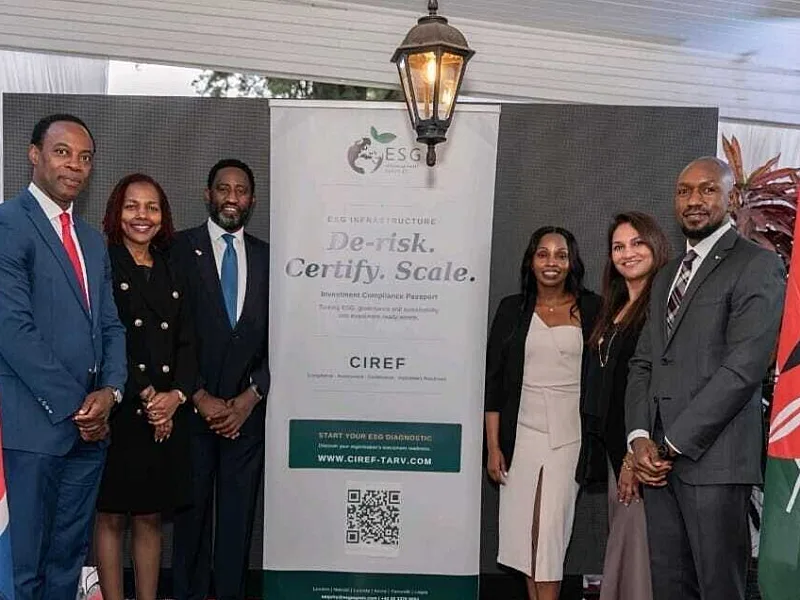
Data, Verification, Greenwashing | Investors demand certified data on emissions, governance, impact; greenwashing is a reputational risk. | Third-party metrics, government certification, exclusion by investors. |
Bonds & Mainstream Green Capital
Green and sustainability bonds now dominate Africa’s climate finance. By late 2024, cumulative issuance exceeded $15bn, with more governments and corporates entering, tying funding to real climate targets.
Bond funding flows into clean energy, new transport, and water projects, opening doors for scaling impact.
Private Equity Drives Dual Impact
Private equity and impact investing are scaling, and this is shifting capital into renewables, clean cooking, agritech, and healthcare.
DFIs still anchor many funds, but local pensions now drive more projects, making domestic ESG capital foundational for future growth.
Desire: Carbon Markets and Community Uptake
Rural Africa is increasingly included in global climate finance, with voluntary carbon credits driving incomes from conservation and reforestation.
Large-scale deals in Kenya/DRC put community benefit, verification, and regional carbon exchanges at the centre.
Blended Finance & Project Inclusion
Large green infrastructure, such as solar, hydrogen, and transmission, is getting financed by blended funds from governments, DFIs, and multilateral partners. These deals use guarantees and risk tranches to draw in commercial capital, making high-risk regions investable.
Mini-grid and battery markets boom: the off-grid sector now reaches over 600 million Africans, with $2bn in annual investment, supported by local banking and DFI risk facilities.
Path Forward: Regulation, Inclusion, Integrity
Critical minerals (30% of world reserves—cobalt, nickel, lithium) are subject to strict ESG scrutiny. Investors demand environmental/labour compliance, avoiding “greenwashing mining.” New taxonomies and mandatory reporting, led by top exchanges, standardise ESG investments, promoting pan-African harmonisation and transparency.
Islamic green finance, transition bonds, and SLLs engage new investor bases, funding emissions reduction in heavy industry. Gender-lens and social impact funds emerge, with DFIs and local funds supporting women’s economic participation via SME, healthcare, and education portfolios.
Data and greenwashing risks now shape the market. Investors require verified impact metrics, third-party certifications, and exclude poorly substantiated projects for reputation risk. Regional governments and private agencies build certification schemes and platforms to reassure capital inflows.
Africa’s green economy is no longer just ambitious. It is defined by ten converging ESG trends that embed sustainability into the continent’s financial architecture, supply chains, and local asset management.
The surge in green bonds, blended finance, carbon credits, and regulatory harmonisation illustrates tangible progress and a ready pipeline for scale, if capital, inclusion, and data integrity keep pace. Investors and governments who persist, pledging patience and prioritising impact, will anchor Africa’s place in the global green transition and unlock broad-based prosperity for generations to come.