Political shifts in the United States are reshaping the global energy conversation.
As Donald Trump renews criticism of climate policies and clean-energy subsidies, African policymakers and investors are drawing a different conclusion: renewable energy is now a strategic necessity rather than simply an environmental ambition.
For a continent facing energy shortages, volatile fuel prices and climate risks, the debate in Washington may inadvertently accelerate Africa’s own clean-power transition.
Global Politics Strengthen Africa’s Renewables Case
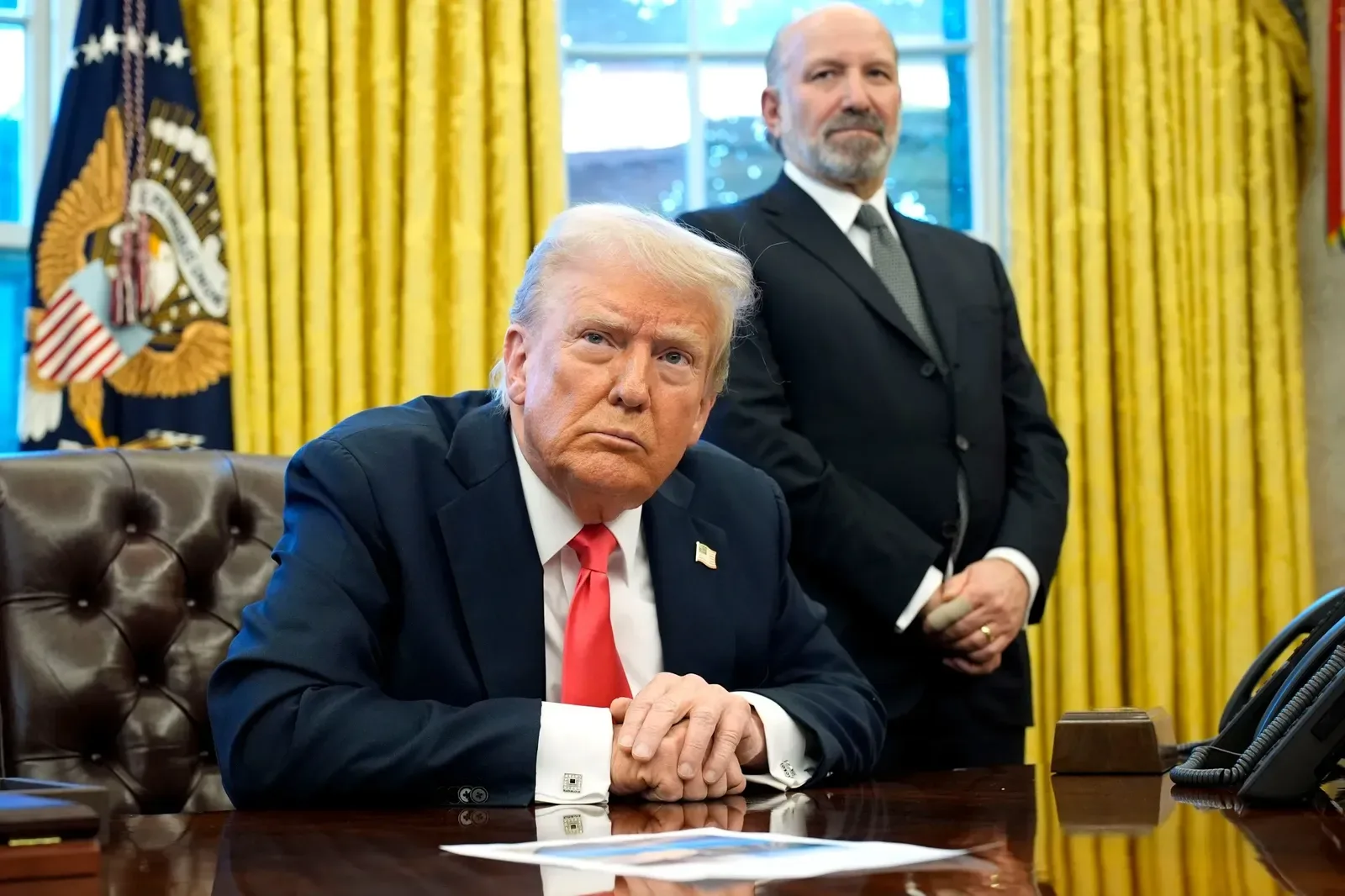
A renewed wave of climate scepticism in U.S. political discourse, driven by former president Donald Trump’s criticism of renewable energy subsidies and global climate commitments, is strengthening the strategic argument for renewable energy across Africa.
While Trump has framed wind and solar expansion as economically burdensome for Western economies, African policymakers and analysts increasingly see the opposite dynamic unfolding: geopolitical uncertainty in global energy markets is reinforcing the urgency for domestic clean energy solutions.
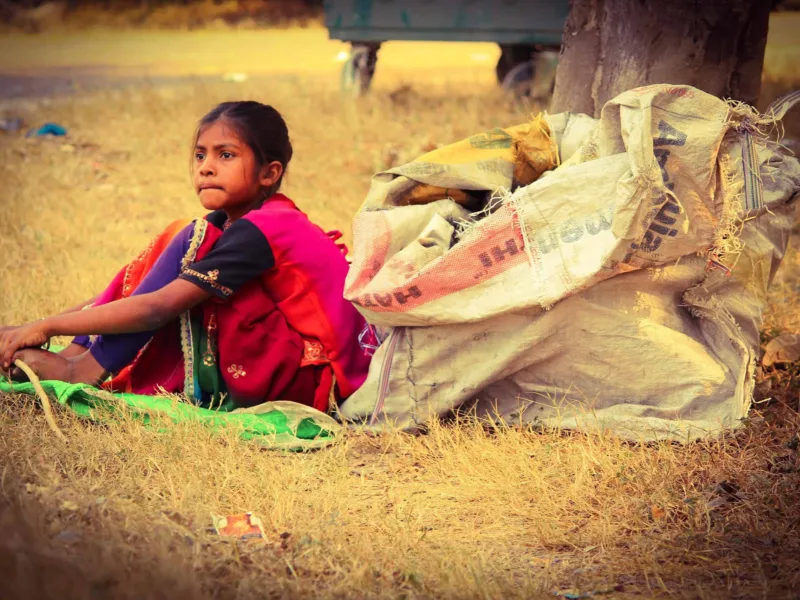
The implications are significant. Africa remains home to more than 600 million people without reliable electricity, according to international development agencies. At the same time, the continent holds some of the world’s richest solar, wind, geothermal and hydropower resources.
In this context, global energy politics, even those originating in Washington, are shaping investment strategies, infrastructure planning and energy security decisions across African economies.
Energy Security Driving Africa’s Transition
For many African countries, the energy transition is less about climate ideology and more about economic resilience and energy independence.
Fuel import bills remain one of the largest pressures on national budgets. Oil-dependent power systems expose countries to volatile global prices, currency pressures and supply disruptions.
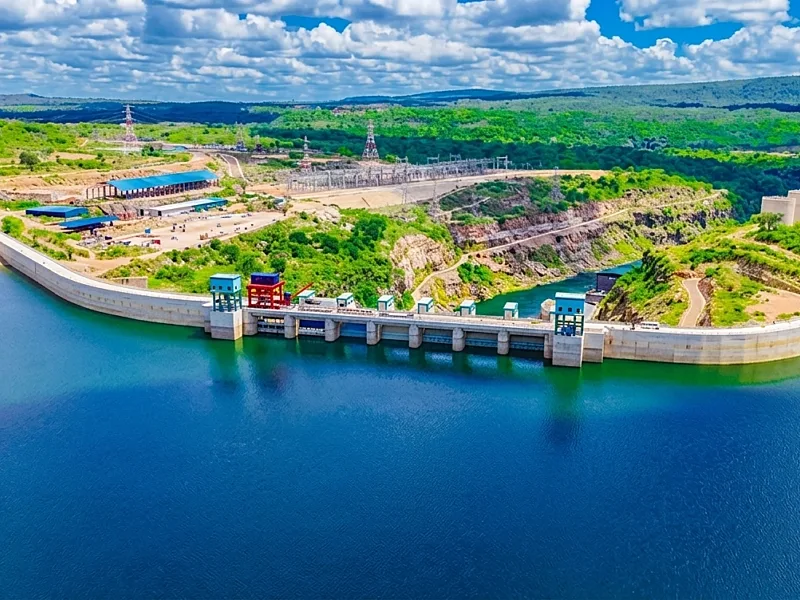
Renewable energy offers a different pathway: domestically generated power from abundant natural resources.
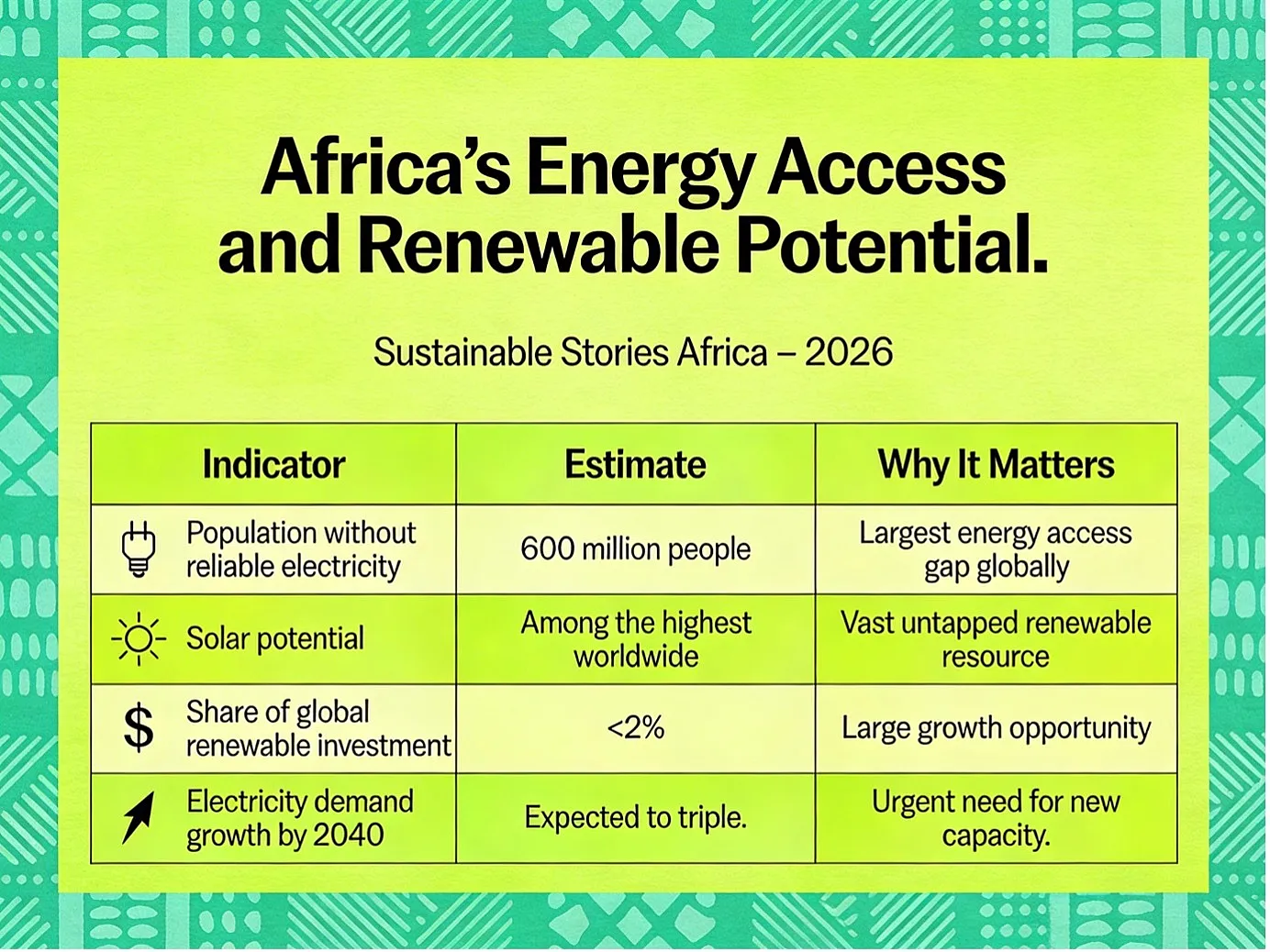
Africa’s Energy Access and Renewable Potential
Indicator | Estimate | Why It Matters |
|---|---|---|
Population without reliable electricity | 600 million people | Largest energy access gap globally |
Solar potential | Among the highest worldwide | Vast untapped renewable resource |
Share of global renewable investment | <2% | Large growth opportunity |
Electricity demand growth by 2040 | Expected to triple | Urgent need for new capacity |
Across the continent, renewable projects are already accelerating.
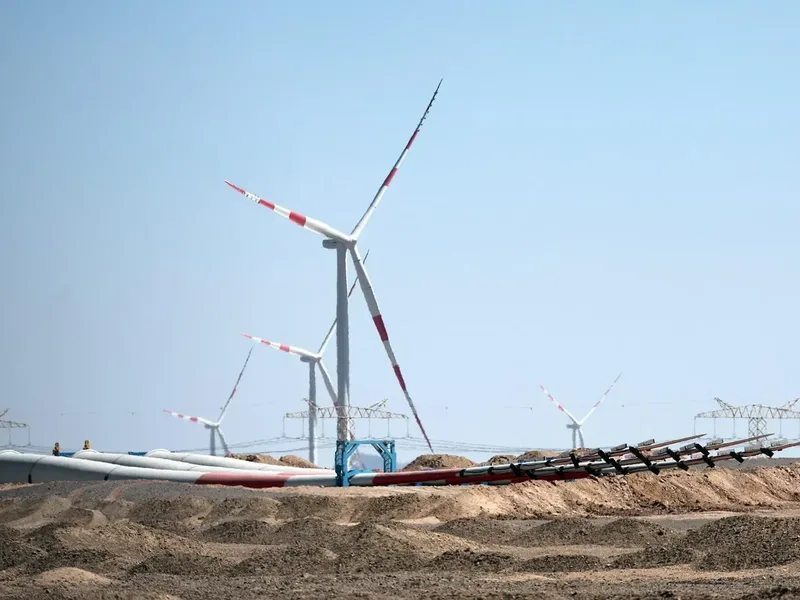
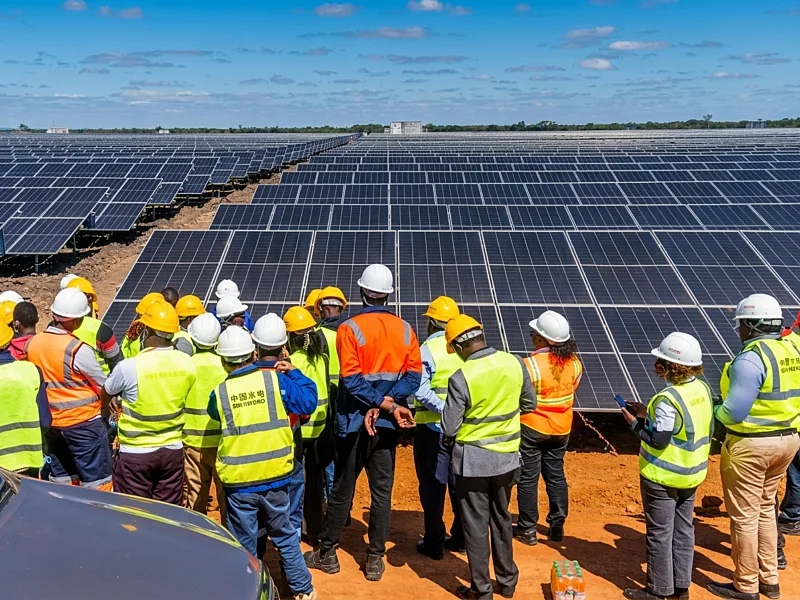
Morocco has built one of the world’s largest solar complexes in Ouarzazate. Kenya generates roughly 90% of its electricity from renewable sources, largely geothermal and hydropower. South Africa is rapidly expanding solar and wind capacity to address its power shortages.
Meanwhile, declining solar panel costs and improved battery storage are making off-grid and mini-grid systems viable in rural communities previously unreachable by national grids.
Energy analysts say these developments reflect a broader shift in thinking.
Rather than relying solely on global climate finance, African countries are increasingly framing renewables as a core economic development strategy.
Clean Power Could Unlock Africa’s Economic Growth
If renewable energy expansion accelerates, the economic benefits could extend far beyond electricity generation.
Reliable power is essential for manufacturing, digital infrastructure, healthcare systems and agricultural processing. Without electricity, economic productivity remains constrained.
Renewables also open new industrial opportunities.
Africa could develop local manufacturing supply chains around solar panels, batteries, green hydrogen and electric mobility technologies, sectors expected to grow rapidly over the next two decades.
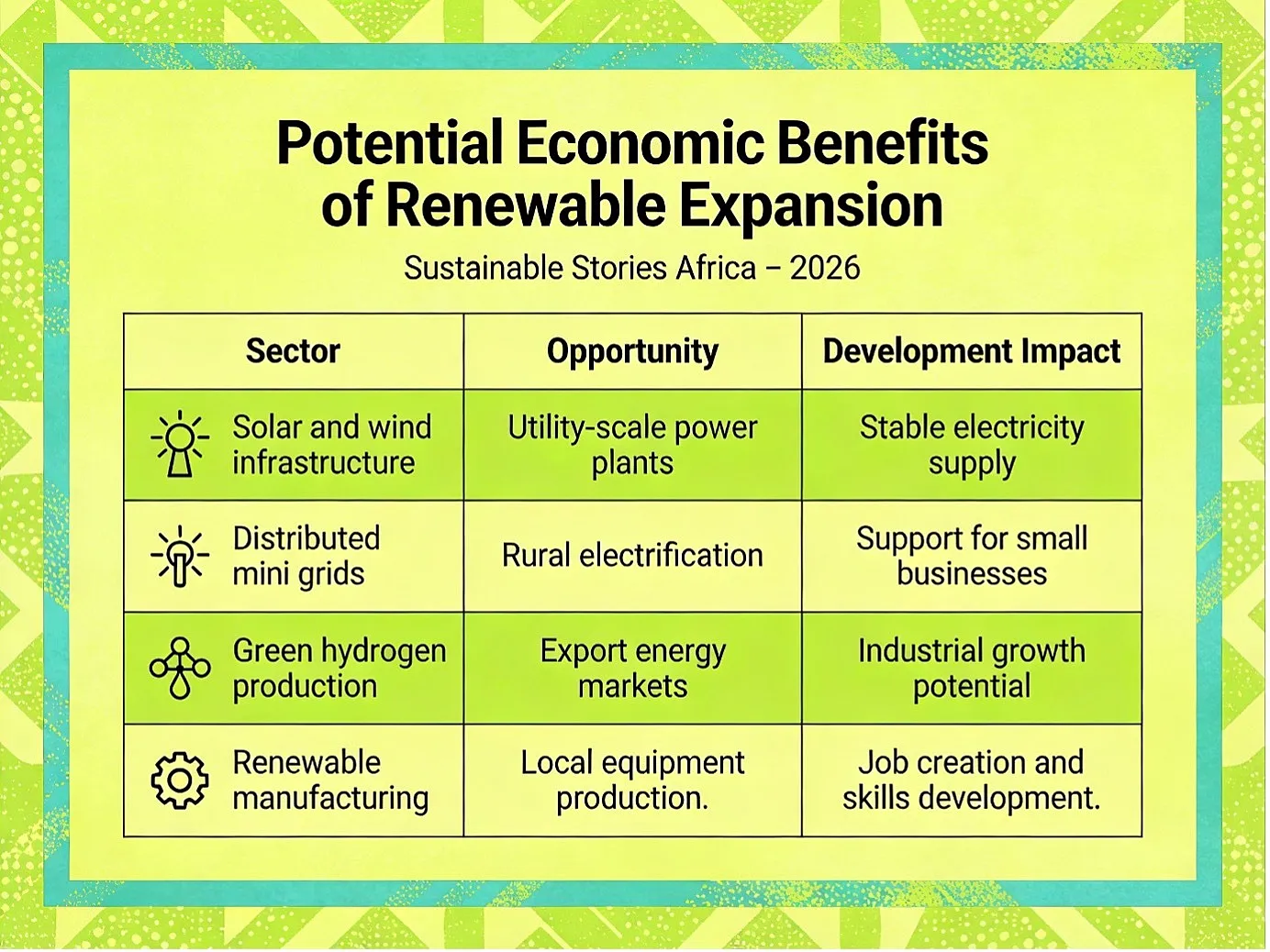
Potential Economic Benefits of Renewable Expansion
Sector | Opportunity | Development Impact |
|---|---|---|
Solar and wind infrastructure | Utility-scale power plants | Stable electricity supply |
Distributed mini grids | Rural electrification | Support for small businesses |
Green hydrogen production | Export energy markets | Industrial growth potential |
Renewable manufacturing | Local equipment production | Job creation and skills development |
The stakes are substantial.
Without expanded energy infrastructure, Africa risks missing opportunities in manufacturing, digital services and climate-aligned industries. With it, the continent could unlock a new era of sustainable economic growth.
Policy and Investment Must Accelerate
Despite growing momentum, Africa still receives only a small share of global renewable energy investment.
Experts say scaling the transition will require coordinated action across several fronts: regulatory reform, long-term policy stability, stronger power markets and expanded climate finance.
Regional power pools could also play a crucial role by allowing countries to trade electricity and balance supply across borders.
Private investors, development banks and sovereign funds are already exploring opportunities in renewable infrastructure, but unlocking large-scale investment will depend on stable regulatory frameworks and bankable project pipelines.
For African policymakers, the message is increasingly clear: energy independence will define economic competitiveness in the decades ahead.
Path Forward – Accelerating Africa’s Clean Energy Transition
African economies are increasingly reframing renewable energy as a strategic development imperative rather than purely a climate commitment.
Strengthening regulatory certainty, expanding grid infrastructure and mobilising blended finance will be essential to unlock the continent’s vast renewable potential and close the global energy access gap.
Culled From: Trump makes the best argument for renewables in Africa