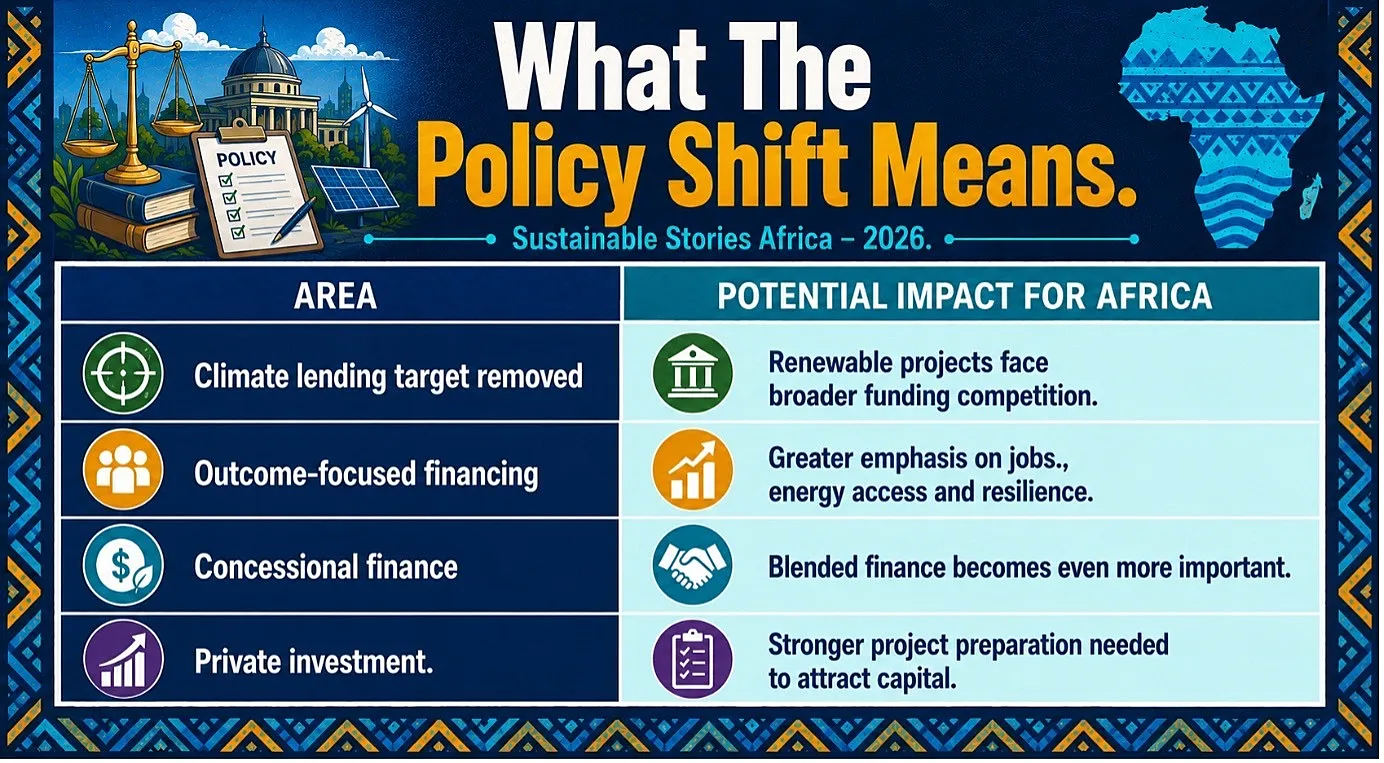
The World Bank has retired its target of allocating 45% of lending to climate-related projects while extending its Climate Change Action Plan.
The move shifts emphasis from climate-finance targets to development outcomes, reshaping how renewable energy projects compete for funding.
For Africa, where concessional finance often unlocks private investment, the policy change could redefine the pace and scale of the continent's energy transition.
Africa's Energy Transition Enters A New Financing Era
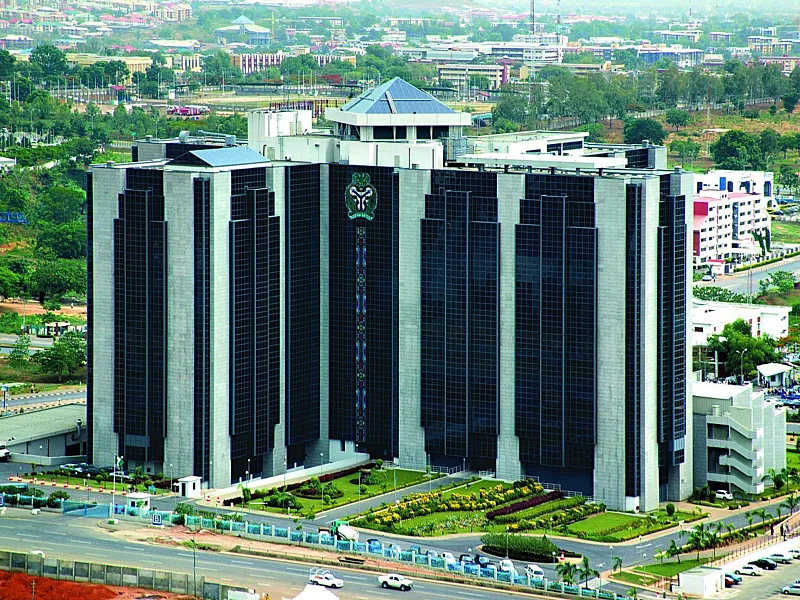
The World Bank's decision to retire its target of directing 45% of annual lending toward climate-related projects marks one of the most significant shifts in global development finance in recent years.
Instead of measuring success by the share of climate lending, the institution says it will prioritise "smart development", supporting projects that generate jobs, strengthen resilience and expand access to affordable energy while responding to country demand.
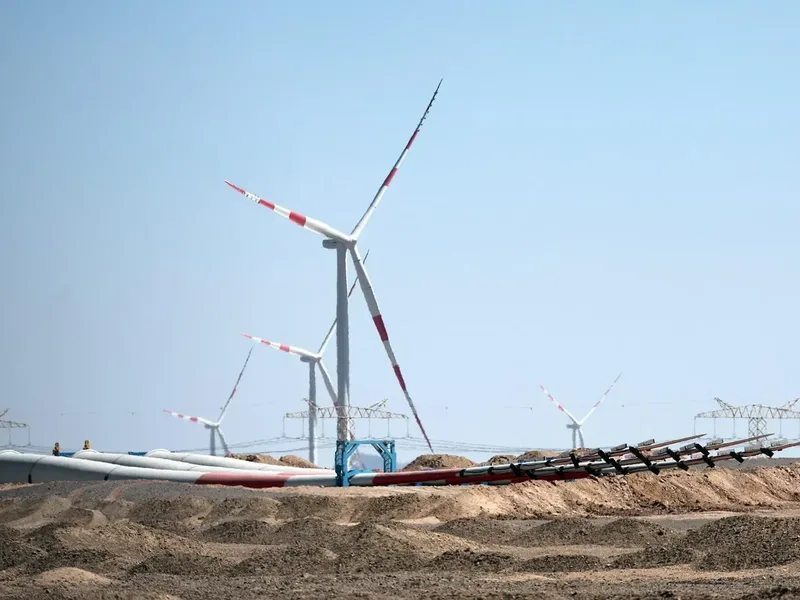
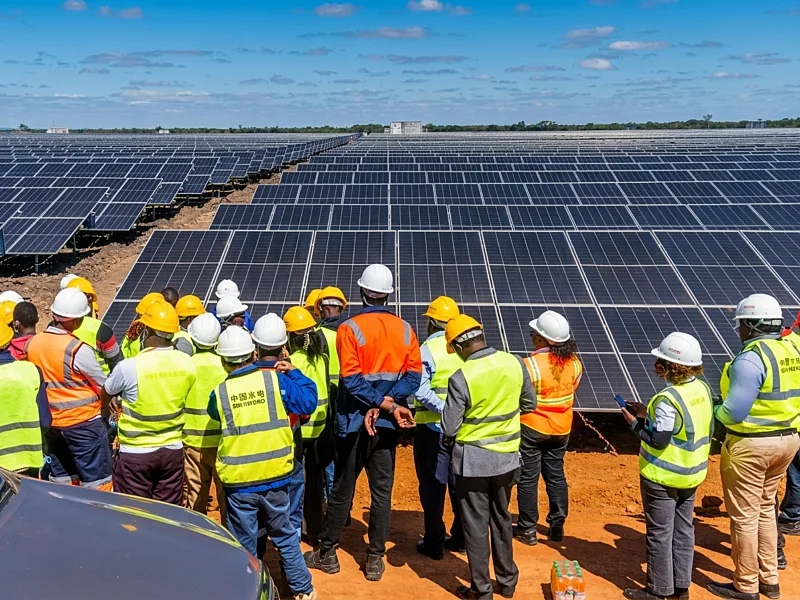
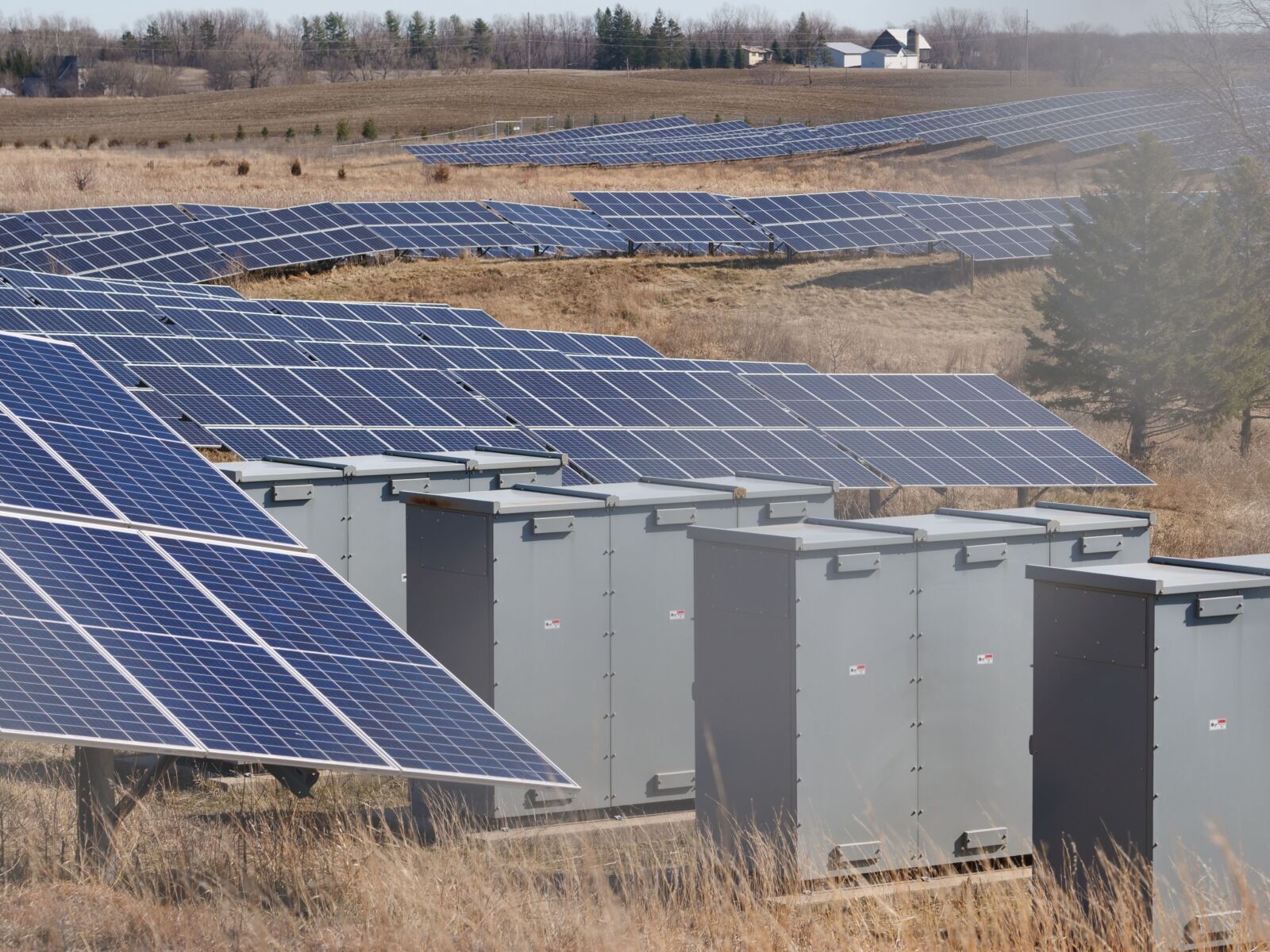
For Africa, the implications are immediate. Renewable energy projects, from utility-scale solar and wind farms to mini-grids and battery storage, have relied heavily on concessional finance from development banks to attract commercial investors.
As climate projects now compete more directly with transport, health, water and other infrastructure priorities, developers may face a more competitive financing environment.
However, the shift does not signal the end of renewable energy financing.
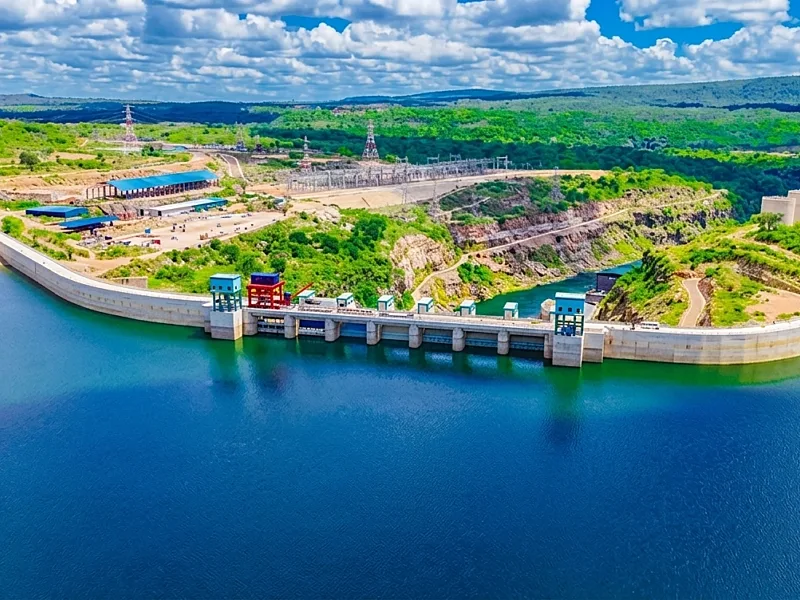
Just days after announcing the policy change, the World Bank approved $265 million for a pumped hydropower storage project in Morocco, demonstrating that clean energy remains central to its development agenda where projects align with country priorities and economic outcomes.
Renewables Must Now Compete On Development Impact
The policy change reflects a broader evolution in development finance rather than a withdrawal from climate action.
Under President Ajay Banga's "smart development" strategy, projects are increasingly expected to demonstrate multiple benefits: expanding electricity access, creating jobs, strengthening climate resilience and supporting economic growth simultaneously.
Renewable energy remains highly competitive under that framework, but no longer benefits from a dedicated lending allocation.
For Africa, this matters because concessional finance has often been the catalyst that transforms promising renewable projects into bankable investments.
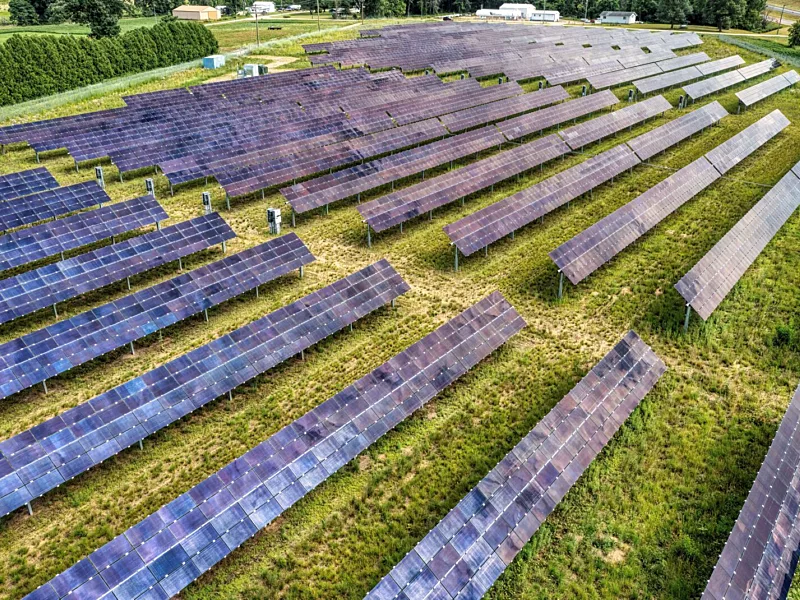
Solar parks, mini-grids, transmission infrastructure and battery storage frequently depend on blended finance to reduce investment risk and crowd in private capital.
Industry leaders warn that many renewable projects still require development finance to reach financial close.
The continent's electricity challenge remains immense. Around 600 million Africans still lack access to electricity, making Africa the centre of the global energy-access agenda.
Through the Mission 300 partnership with the African Development Bank, the World Bank aims to help provide electricity to 300 million people across Africa by 2030, while continuing to finance renewable energy, transmission networks and distributed energy systems.
A Stronger Investment Ecosystem Can Accelerate Growth
The policy shift also presents an opportunity.
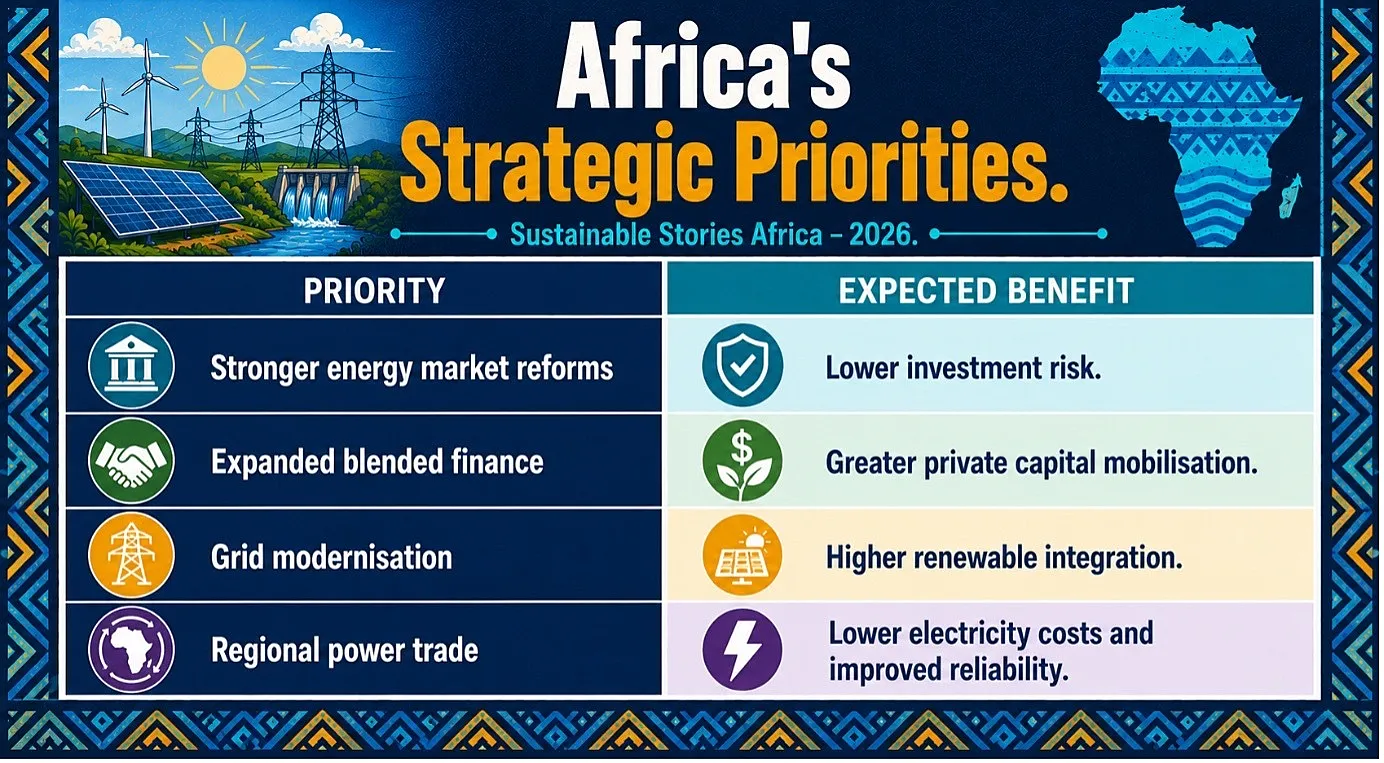
African governments that strengthen regulation, improve utility performance, streamline permitting and develop transparent procurement systems will make renewable projects more attractive regardless of financing targets.
Markets with predictable policies are likely to attract greater institutional investment, reduce financing costs and accelerate clean energy deployment.
As battery storage becomes cheaper, transmission networks expand and regional electricity markets deepen, renewable energy can increasingly compete on commercial fundamentals alongside its environmental benefits.
Countries that combine policy reform with innovative financing instruments, including guarantees, green bonds and blended finance, could emerge as the continent's renewable energy leaders.
Policy Reform Must Match Financing Innovation
Africa's renewable future will depend less on individual lending targets and more on creating investment-ready energy markets.
- Governments should accelerate electricity sector reforms, improve utility creditworthiness and strengthen project preparation pipelines.
- Development finance institutions can maximise impact by deploying guarantees and catalytic capital where commercial markets remain hesitant.
Private investors also have an increasingly important role.
- With global demand for sustainable infrastructure continuing to grow, well-structured African renewable projects remain attractive long-term investments capable of delivering financial returns alongside measurable development outcomes.
The World Bank's policy shift ultimately raises, not lowers, the importance of demonstrating how renewable energy delivers economic growth, resilience and inclusive development simultaneously.
Path Forward – Financing Reform Must Accelerate Energy Transition
Africa's renewable opportunity remains intact, but success will increasingly depend on stronger institutions, better project preparation and innovative financing partnerships that unlock private investment alongside development finance.
If governments, financiers and developers align around resilient energy systems, the continent can continue advancing universal electricity access while strengthening climate resilience and long-term economic competitiveness.
Culled From: What the World Bank policy shift means for Africa's renewables