Africa's sustainability landscape is entering a decisive era. From climate shocks to rising ESG regulations, technological acceleration, consumer pressure, and new disclosure rules, the continent is now confronting global sustainability trends with local urgency.
This SSA exclusive unpacks the 10 biggest sustainability forces reshaping Nigeria and Africa in 2025, revealing where businesses are adapting and where gaps remain dangerously wide.
Africa's Sustainability Turning Point Arrives Abruptly
Africa's sustainability transformation is no longer theoretical; it is unfolding in real time. In 2025, global sustainability trends from climate disclosure convergence to ESG backlash, biodiversity frameworks, and AI-enabled sustainability operations are colliding with Africa's unique development, industrial, and governance realities.
The result is a defining crossroads: where global standards rise rapidly but local systems adapt unevenly.
For Nigeria and the broader continent, this convergence is both a risk multiplier and an opportunity accelerator. Extreme weather events continue to reshape agriculture, energy security, and insurance markets, while supply chain resilience has emerged as a strategic imperative for exporters in cocoa, oil, minerals, and digital services.
Meanwhile, Africa's youthful workforce, rising digital adoption, and expanding innovation ecosystems are positioning the continent as a future sustainability engine, but only if governance structures keep pace.
This exclusive Sustainable Stories Africa feature examines all 10 global sustainability trends through an Africa-focused lens, highlighting the implications, risks, growth pathways, and competitive openings shaping boardroom strategy across Nigeria, Kenya, South Africa, Ghana, Egypt, and emerging markets.
The message is clear: 2025 is the year African businesses must decide whether they will shape sustainability or be shaped by it.
Africa's Sustainability Shifts Accelerate as Global Pressures Converge
Africa entered 2025 facing a complex matrix of global sustainability forces that now directly influence its governance systems, private sector competitiveness, and socio-economic resilience. The "2025 Annual Trends Report – The Path Forward for Sustainable Business" identified 10 global trends that continue to redefine business models, all of which carry heightened significance in Africa due to climate exposure, governance gaps, and financial constraints.
From climate volatility to disclosure convergence, nature regulation, AI-enabled operations, and escalating ESG scrutiny, Africa must now navigate the same pressures confronting advanced markets. However, with fewer buffers and a greater impact on livelihoods. The stakes are exceptionally high: supply chains, food systems, energy markets, and even political stability are now directly influenced by sustainability transitions.
Ten Global Sustainability Trends Reframed Through Africa's Realities
Below is an Africa-focused breakdown of the 10 trends, integrating insights from the report and contextualising them for Nigeria and the continent.
Climate Change Acceleration in Africa
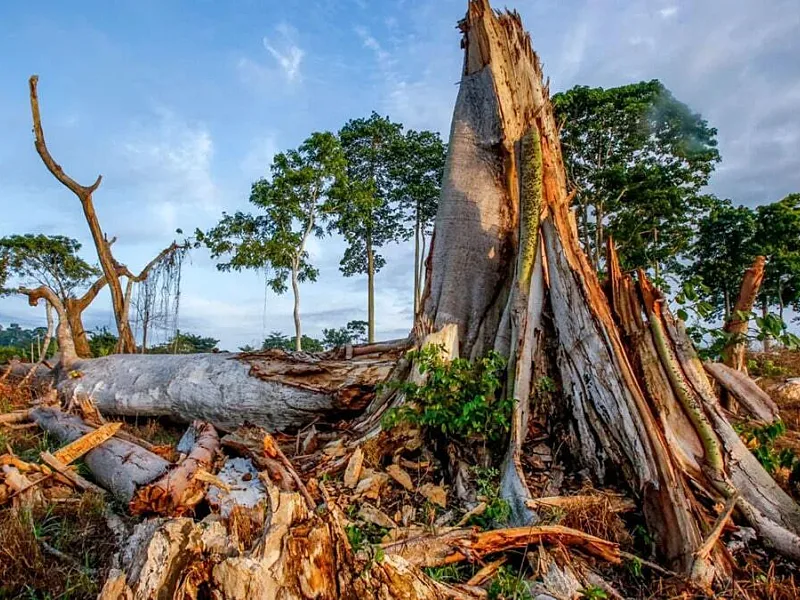
Africa contributes less than 4% of global emissions but suffers disproportionately from climate impacts, droughts (Horn of Africa), floods (Nigeria, Mozambique), heatwaves (North Africa), and cyclones (Southern Africa). The report highlights climate as a top-tier strategic risk for global business. For Africa, it is existential.
SSA Infographic – Climate Exposure Index (Illustrative)
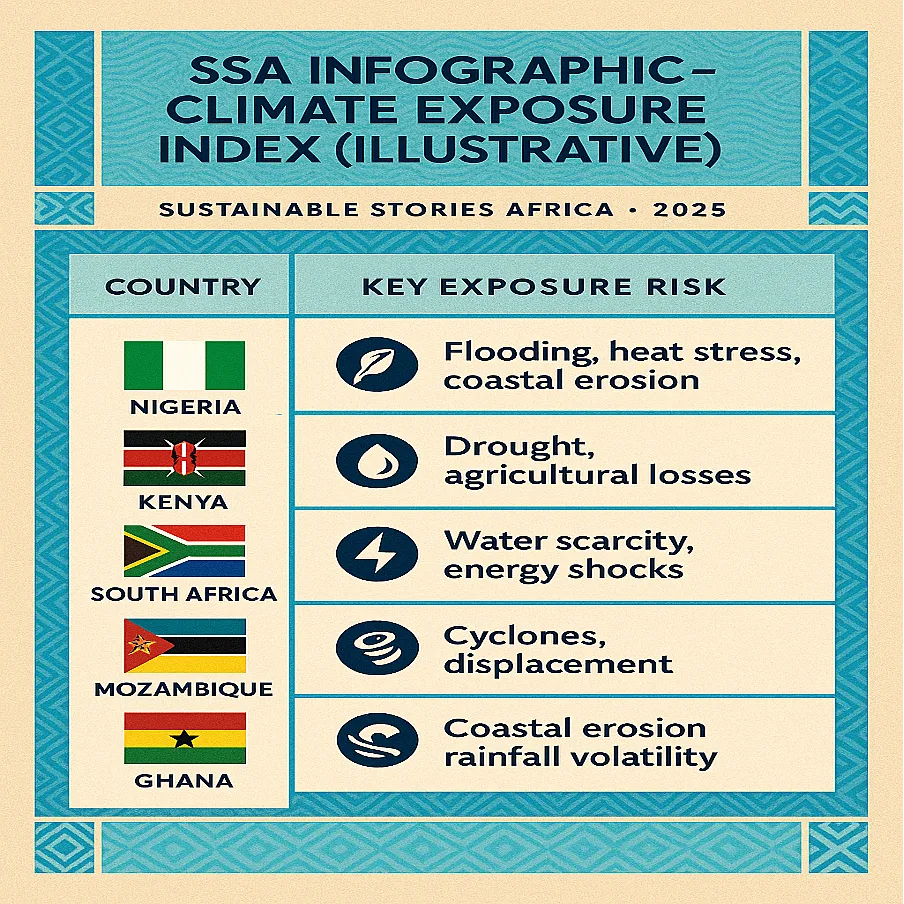
African companies must now integrate climate modelling, scenario planning, and adaptation financing into board strategy, not CSR.
Human Capital & Workforce Shifts
Africa's working-age population will double by 2050, creating the world's largest labour pool.
However, the report notes a global shift toward skills-based recruitment, purpose-driven employment, and worker wellbeing. In Africa, job creation must now align with the green economy, renewable energy, circular manufacturing, regenerative agriculture, and digital sustainability tools.
Key implication for Nigeria:
The energy transition will create more new jobs than it displaces, but only if training systems modernise.
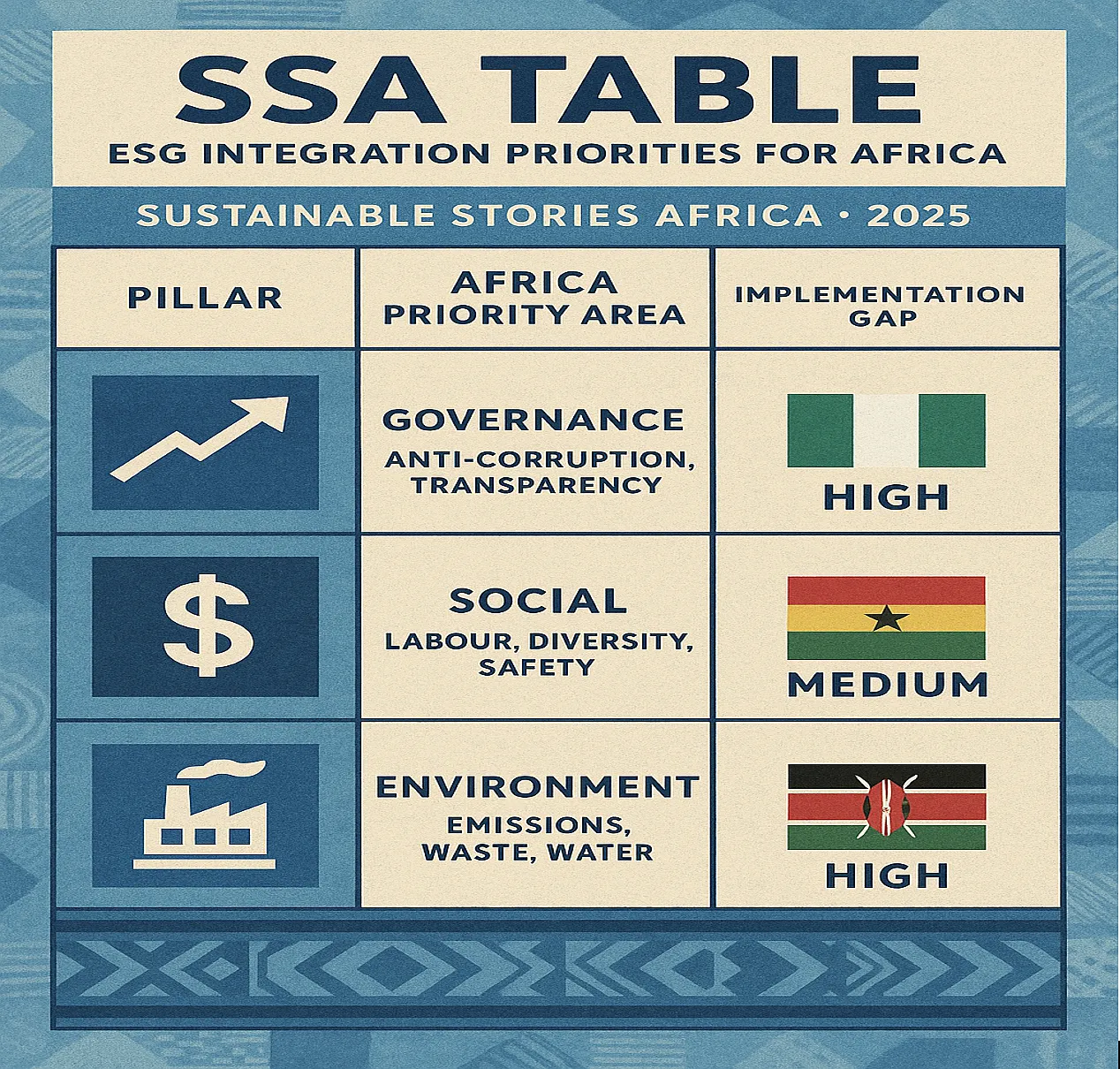
ESG Strategy Integration Becomes Business DNA
Africa has moved past ESG awareness and entered the era of performance pressure. Investors from the EU, UK, US, and GCC now require ESG-aligned governance for capital inflows.
According to the report, global companies are embedding ESG across value chains, risk frameworks, and reporting systems.
African firms must do the same, especially in oil and gas, mining, agriculture, manufacturing, and telecommunications.
Nature & Biodiversity Regulation Intensifies
The report emphasises biodiversity as "the next climate." For Africa, home to 25% of the world's biodiversity, this trend is seismic. COP15 frameworks, TNFD guidelines, and new conservation finance tools are reshaping agriculture, forestry, coastal management, and tourism.
For Nigeria: Niger Delta mangrove restoration, watershed protection, and biodiversity mapping now sit at the centre of sustainability planning.
Sustainability Disclosure Convergence (ISSB, CSRD, SEC, TNFD)
Global companies are adopting ISSB-aligned governance, and African companies will need to follow due to investor and trade pressures.
The report highlights 2025 as the tipping point for disclosure harmonisation.
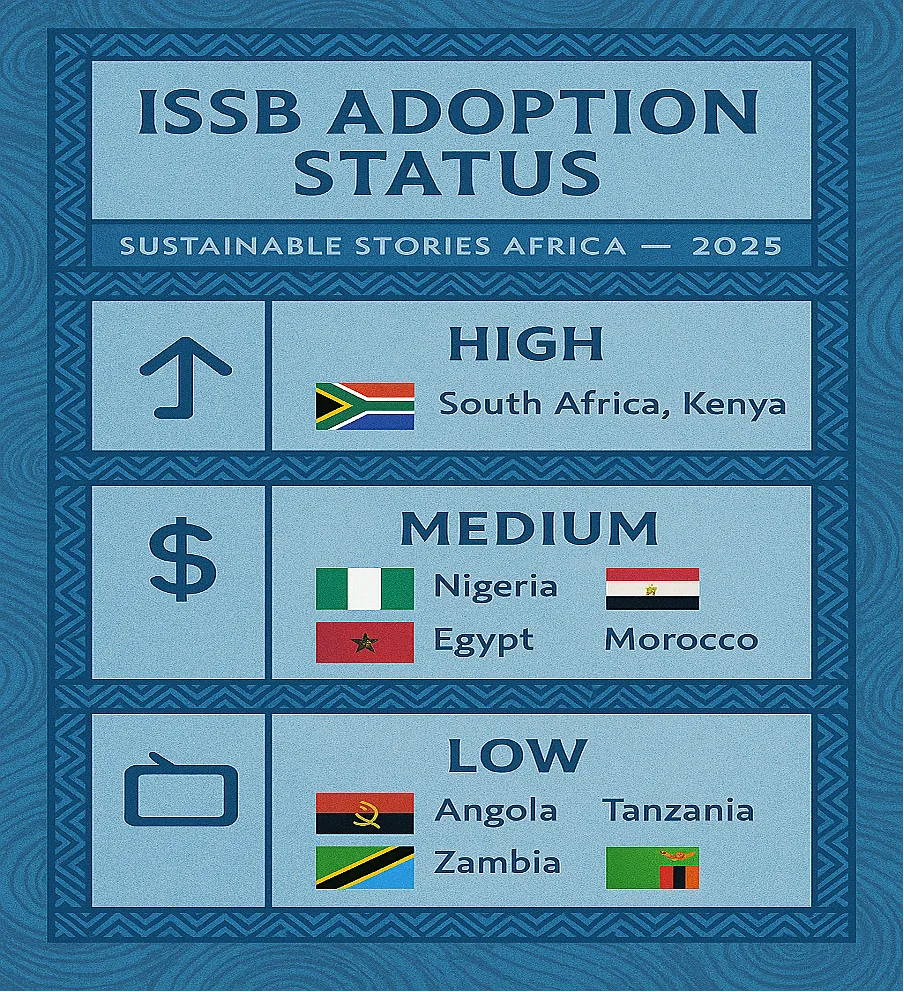
Nigeria's FRC is already aligning national codes with global standards, a major shift for banks, telcos, insurers, and listed companies.
Supply Chain Resilience & Localisation
The report identifies supply chain redesign as a top global trend. For Africa, this trend is magnified due to:
- Port delays
- Poor intra-African logistics
- Currency volatility
- Import dependency
- Climate disruptions
Countries exporting cocoa (West Africa), oil (Nigeria, Angola), lithium (Zimbabwe), copper (DRC, Zambia), and horticulture (Kenya, Ethiopia) must now build resilient, transparent, low-carbon supply chains.
Consumer Pressure for Sustainability Increases
African consumers, especially those under 35, are driving demand for ethical, low-impact products.
The report shows a global rise in value-based spending. In Africa, this manifests in:
- demand for cleaner cooking fuels
- sustainable fashion
- traceable food sources
- renewable-energy home systems
Brands must deliver transparency, affordability, and environmental integrity.
Sustainability Technology Breakthroughs (AI, Automation, IoT)
AI-driven sustainability solutions are accelerating globally. Africa's tech ecosystems from Lagos to Nairobi to Cape Town are already experimenting with:
- climate prediction algorithms
- agritech precision tools
- renewable energy optimisation
- satellite-based emissions monitoring
The report emphasises tech as a "force multiplier" for sustainability. This is especially true in Africa, where tech often compensates for systemic infrastructure gaps.
Human Rights, Ethics & Community Impact Return to the Forefront
The report flags a major shift: rights-based governance is back at the centre of ESG. For Africa, with its long-standing community tensions in extractive regions, this is critical. Issues include:
- land rights
- artisanal mining safety
- gender equity
- forced displacement
- digital rights
- indigenous community compensation
Africa's social licence challenges now overlap directly with investor expectations.
Political and Governance Volatility Shapes Sustainability Risks
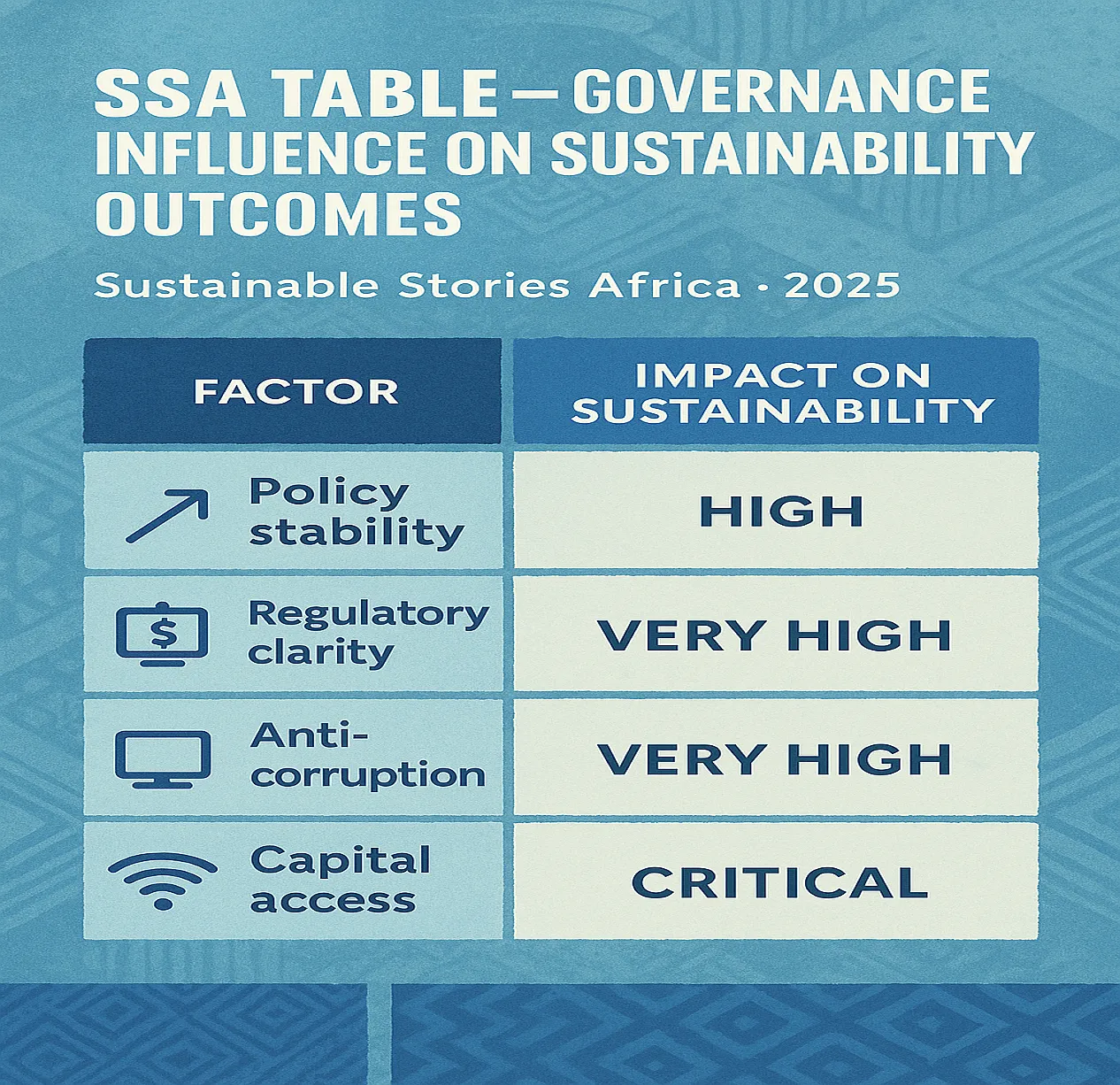
Africa faces election cycles, policy instability, subsidy reforms, and fiscal constraints.
The report describes political volatility as a core sustainability risk. For Nigeria, subsidy removal, FX reforms, and regulatory transitions mean sustainability planning must integrate macroeconomic uncertainty as a baseline input.
SSA Table – Governance Influence on Sustainability Outcomes
The Opportunity: Africa Can Lead the Global Sustainability Curve
While the global trends may seem overwhelming, Africa's advantages are profound:
- The world's youngest workforce – A demographic engine for green jobs, tech innovation, and energy transition labour.
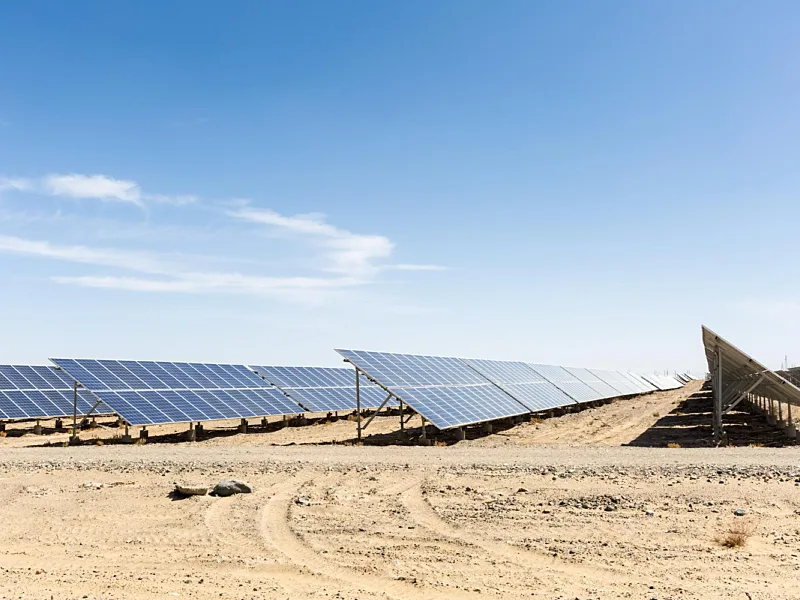
- Renewable energy potential – Africa has 60% of the world's best solar resources, yet only 2% of solar deployment.
- Nature-rich economies – Natural capital markets, biodiversity credits, and climate finance could unlock new GDP pathways.
- Innovators solving local sustainability challenges – Lagos agritech companies, Nairobi climate-AI labs, Cape Town circular manufacturing, Kigali green construction.
- African regulators are adapting faster than expected – Nigeria, Kenya, and South Africa are aligning with ISSB, an unexpected but transformative development.
The story is clear: Africa is not behind; it is simply constrained. Unlocking capital, governance capacity, and innovation ecosystems can position the continent as a global sustainability leader.
What African Governments and Companies Must Do Immediately
For Governments
- Adopt ISSB-aligned climate and nature disclosure rules.
- Scale national adaptation finance strategies.
- Build climate data and early-warning systems.
- Incentivise renewable energy and circular manufacturing.
- Strengthen labour, environmental, and rights-based oversight.
For Companies
- Integrate ESG into enterprise risk management.
- Conduct climate and nature scenario analyses.
- Build resilient, transparent supply chains.
- Invest in green skills development.
- Deploy sustainability technologies (AI, IoT, automation).
Africa's future competitiveness will depend on these decisions.
PATH FORWARD – Africa Positions for Sustainability-Led Growth
Africa's sustainability future will be shaped by its ability to adopt global standards while designing solutions rooted in the local context, from climate adaptation to technology-enabled ESG systems.
Driving Transformation Through Data, Governance, Innovation
With aligned governance, financing, and innovation ecosystems, Africa can convert global pressures into a competitive sustainability advantage, shaping a new economic trajectory for the continent.