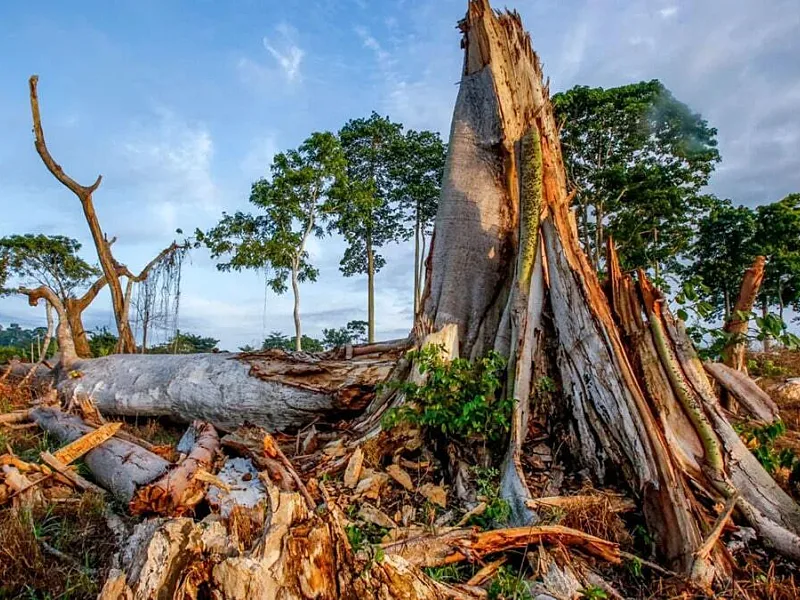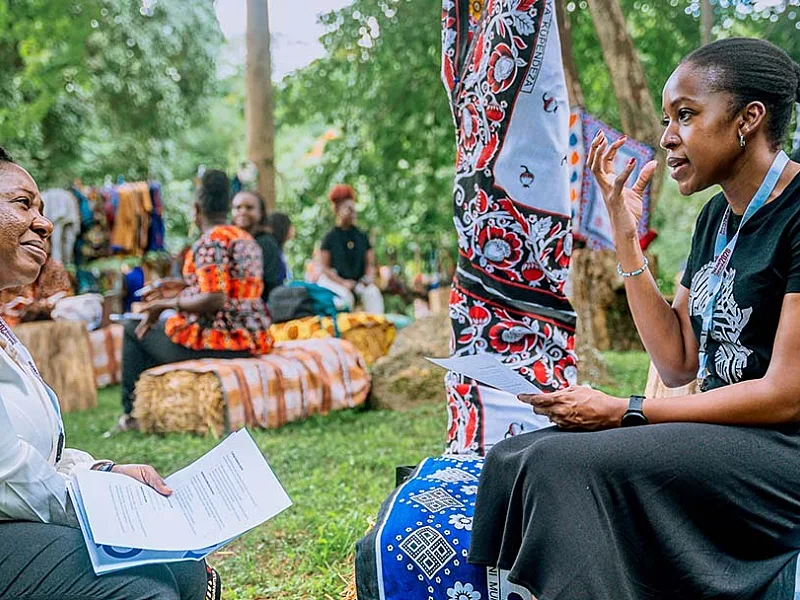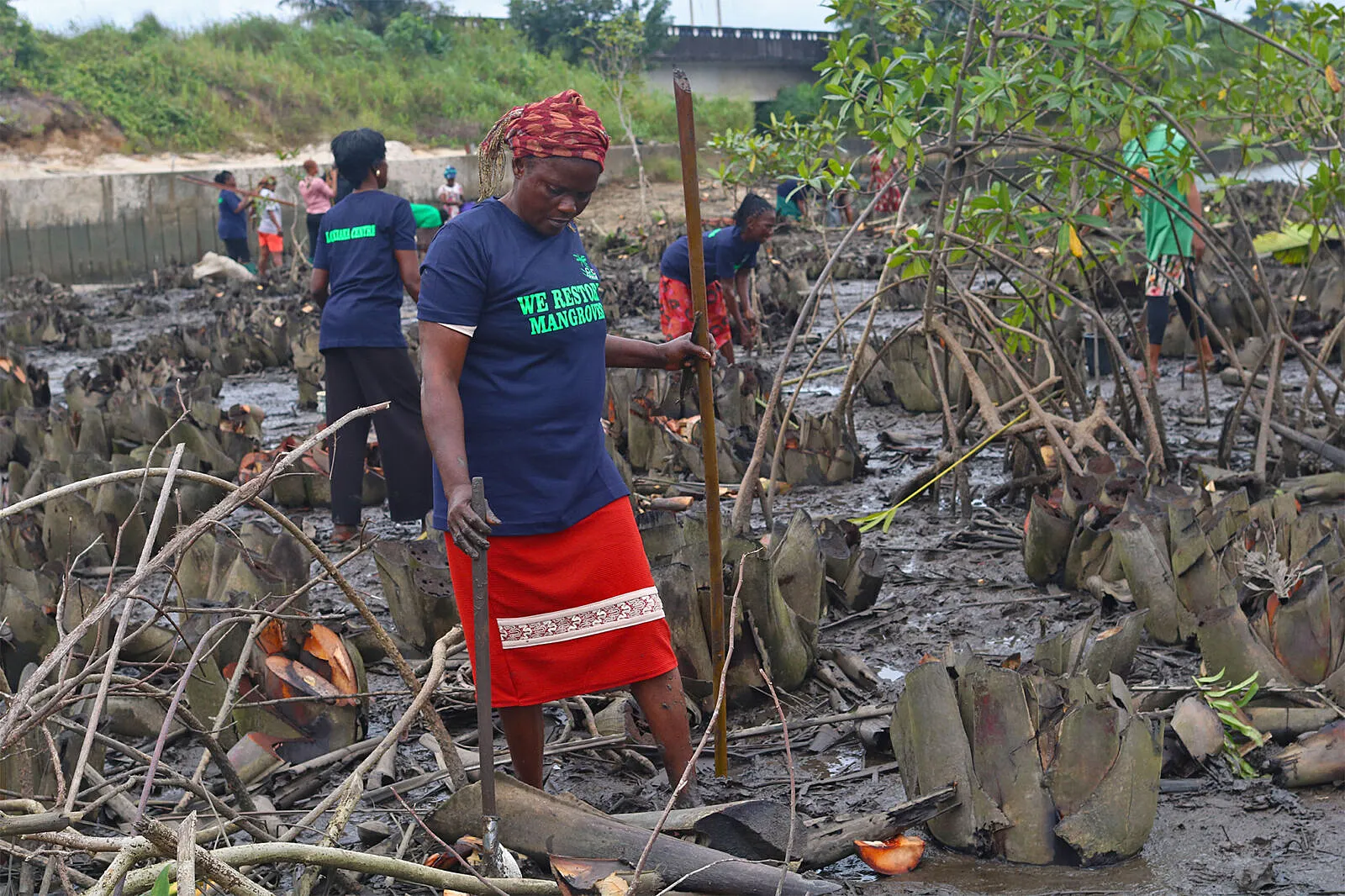
For decades, Ogoni women have carried the weight of poisoned soil, dying rivers, and broken promises, yet their voices remain missing from Nigeria's most politically symbolic environmental remediation. Their daily losses are quiet, but their exclusion is loud.
Silent Hands, Shattered Earth, Rising Voices
The Niger Delta's story is one of paradox: extraordinary natural abundance overshadowed by extraordinary environmental neglect. Nowhere is this contradiction more visceral than in Ogoniland, where oil spills have stained the soil for more than five decades, staining, too, the livelihoods, health, and dignity of the communities that depend on it.
Among them, women stand at the frontlines. They farm the land, harvest the rivers, nourish families, and mediate conflicts. They carry the burden of environmental harm more severely than anyone else. And yet, as Nigeria's multibillion-naira remediation—the HYPREP-led clean-up unfolds, women's voices remain startlingly absent from decisions affecting their lives.
This article draws from Inclusive Environmental Decision-making in a Developing Nation, emerging community testimonies, and Sustainable Stories Africa's reporting framework to interrogate a central question: How can environmental recovery be credible when those most affected are excluded?
The response reveals a complex web of cultural norms, governance failures, power dynamics, and communication breakdowns that make women visible in suffering yet invisible in governance.
But in Ogoni's fractured landscape, silence is finally meeting resistance. Women are mobilising, demanding recognition not as victims of environmental damage but as essential architects of environmental rehabilitation and justice.
Awakening Realities – The Clean-up Without Its Custodians
In Ogoniland, the land remembers everything. It remembers the oil spills that blackened rivers, the crops that stopped growing, the wells no longer safe for drinking, and the early morning sounds of women walking to farms that no longer yield hope. But the land also remembers who suffers most, those whose hands till the soil daily: WOMEN.
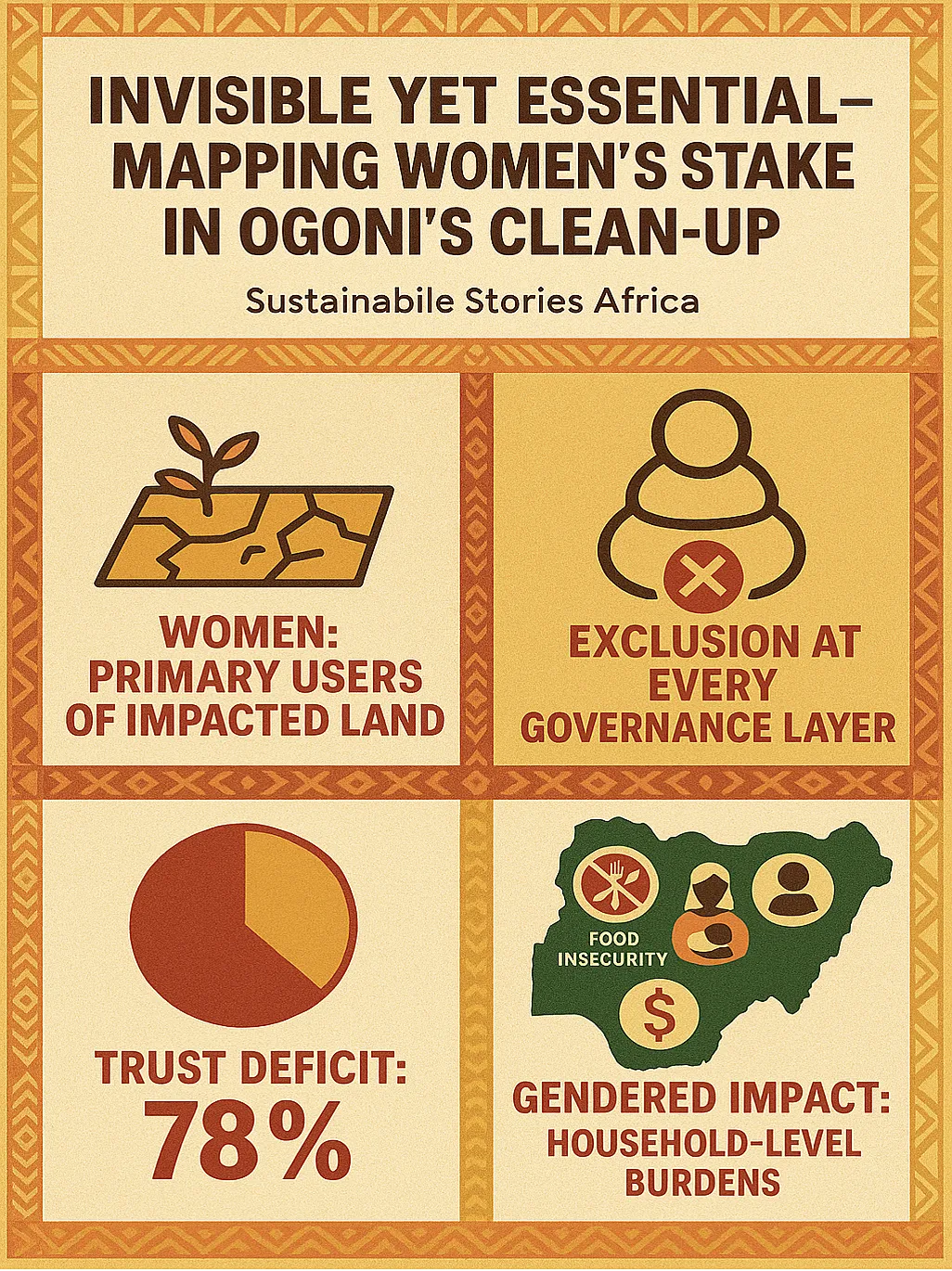
Yet in Nigeria's flagship environmental remediation effort, the HYPREP-led clean-up, women have become ghosts in the governance architecture. According to the research embedded within Inclusive Environmental Decision-making in a Developing Nation, over 98% of surveyed women in the impacted communities report being excluded from decision-making, contracting, monitoring, supply chains, and governance structures. Many learned about the clean-up years after it began.
One woman put it plainly: "We can no longer farm, we can no longer feed our families, yet nobody asks what we think."
This is the foundational contradiction driving mistrust: how can a remediation meant to restore livelihoods exclude the very people whose livelihoods it intends to restore?
Interrogating the Root Causes of Systemic Exclusion
Women's exclusion is not incidental; it sits at the intersection of cultural norms, administrative opacity, poor communication, and governance design flaws.
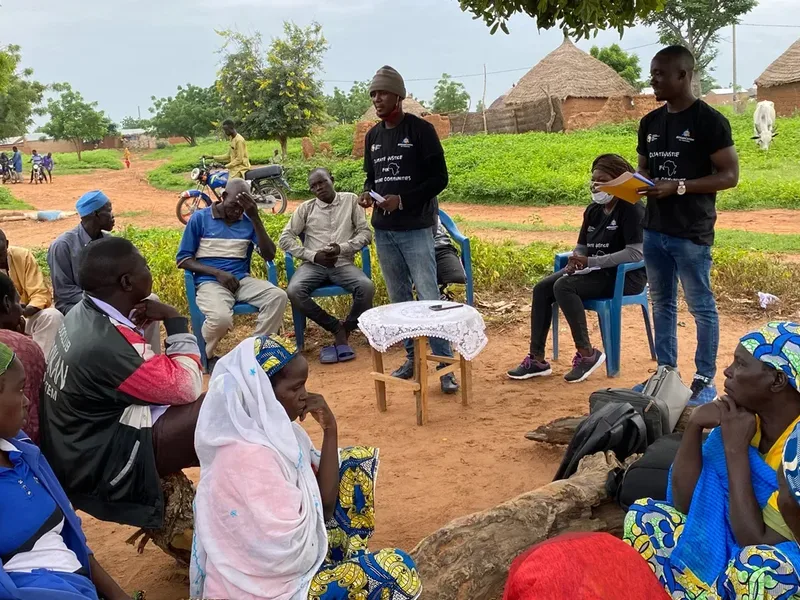
- Cultural Gatekeeping – In Ogoni's patriarchal structures, public decision-making is often viewed as a male domain. Even where women attend community meetings, their influence rarely translates into decisions, mirroring wider findings across Liberia, Kenya, Nepal, and other Global South contexts.
- Governance Architecture That Mirrors Culture – HYPREP's structures - from contractor selection to Central Representative and Advisory Council (CRAC), replicate existing social power lines. The result is predictable: only one or two women appear on remediation sites, usually in non-decision-making roles like cleaners or nurses.
- Communication Barriers – With technical documents written in inaccessible language and engagement pathways unclear, local women lack the information needed to meaningfully participate. More than 57% strongly disagreed that they were ever consulted during site selection.
- Erosion of Trust – Years of abandoned promises, from early UNEP recommendations to failed government interventions, have created cynicism that undermines participation. Many women openly state they would "do nothing" to strengthen engagement because "we have been ignored for too long."
Perception of Women's Participation in the Ogoni Clean-up
| Participation Area | % Saying "NO Participation" |
|---|---|
| Contractors | 98.7% |
| Employed at Sites | 86.0% |
| Included in CRAC | 95.1% |
| Site Monitors | 92.7% |
| Material Suppliers | 98.2% |
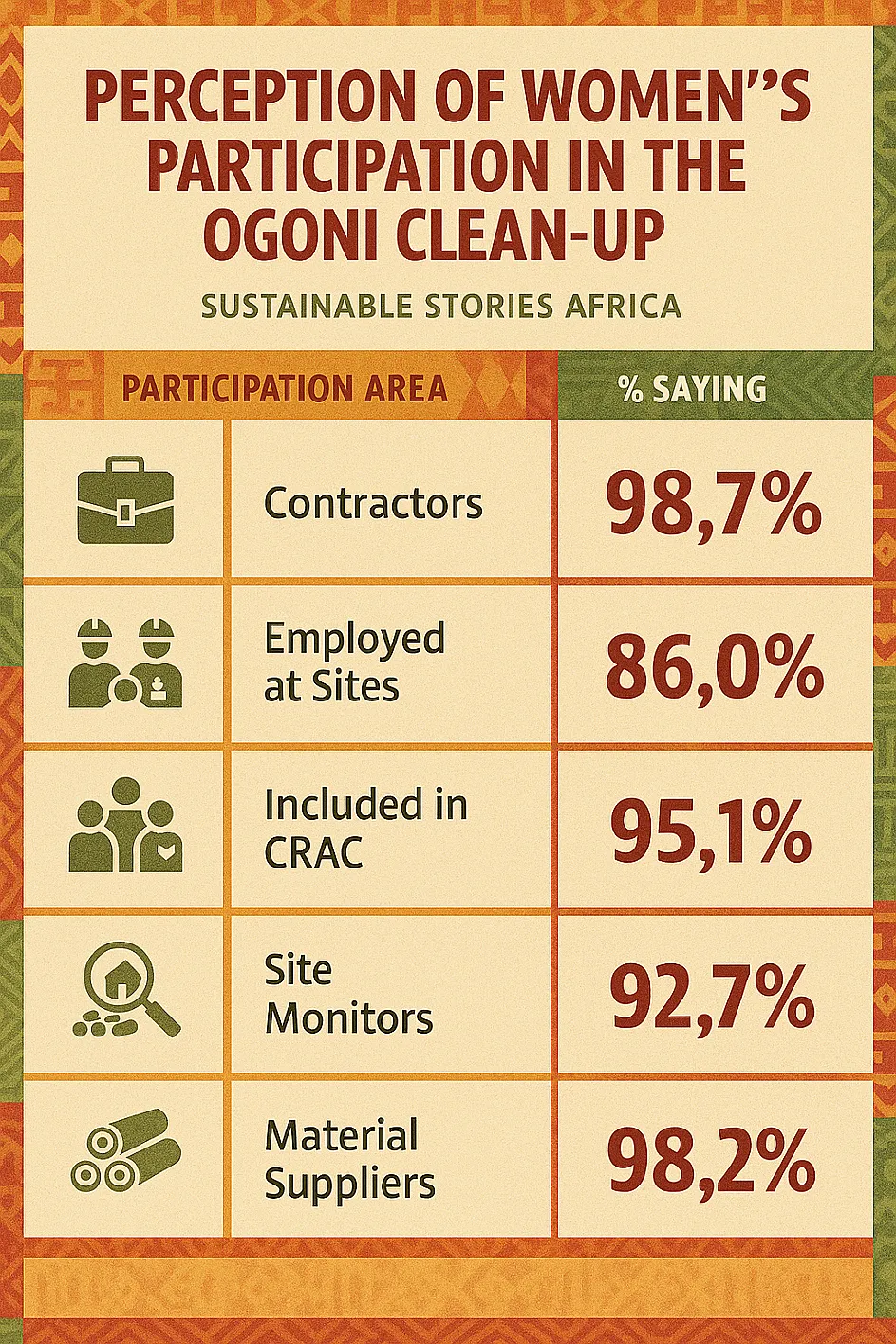
This matrix of barriers creates a governance environment where women's absence feels engineered, not accidental.
Deepening Understanding Through Data and Lived Experience
To understand the scale of exclusion, data must stand beside testimony. The tables below reflect the stark gaps between available opportunities and actual participation.
Perceived Opportunities for Women
| Opportunity | Community Acceptance % |
|---|---|
| Provide Site Security | 19.7% |
| Support Roles for Workers | 4.9% |
| Catering / Housekeeping | 3.3% |
| Liaison / Admin Roles | 1.6% |
| Sensitisation / Local Knowledge | 3.3% |
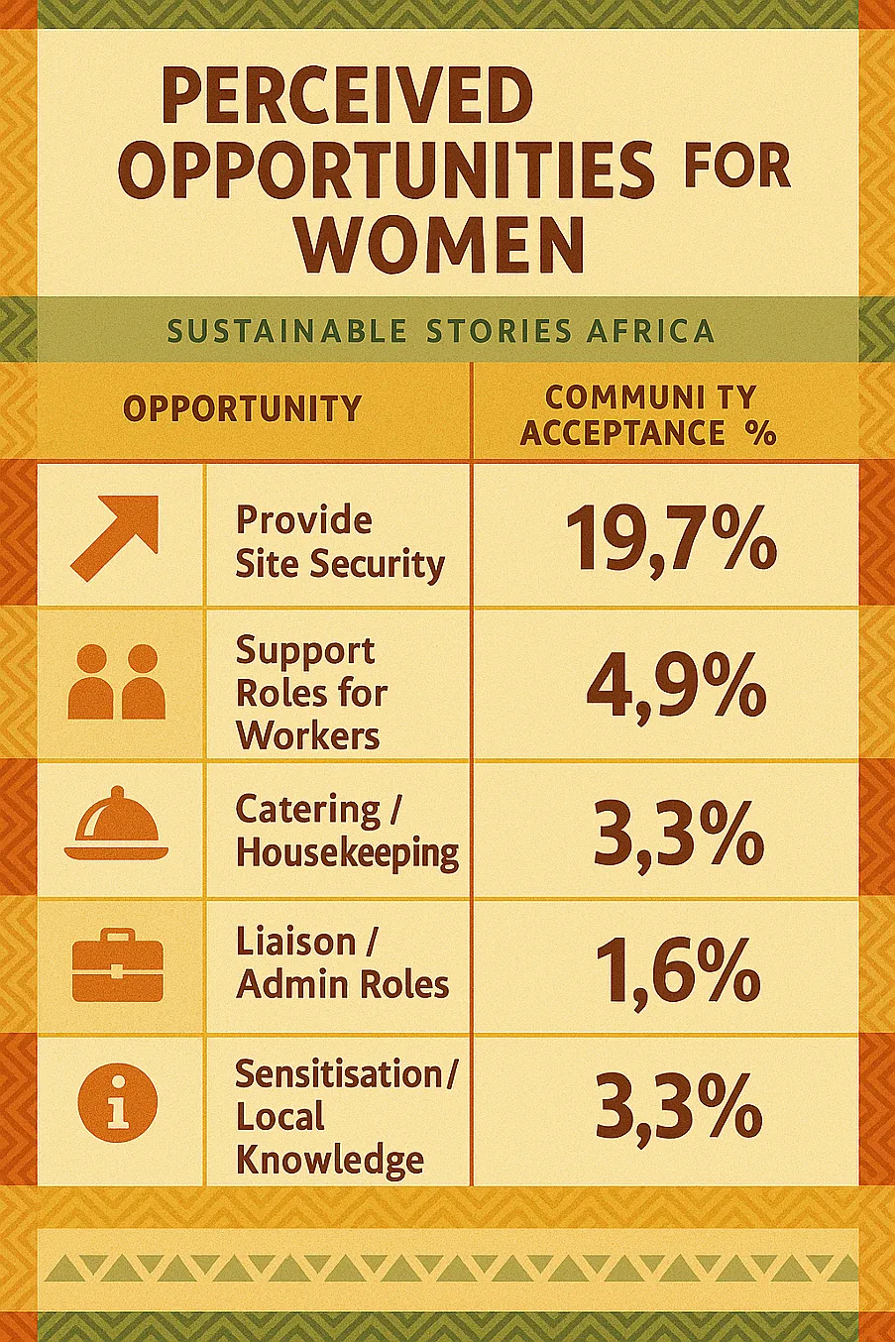
This is a vivid record of opportunities perceived as available to women yet rarely realized in practice.
Reclaiming Space in a Future That Includes Women
The clean-up can succeed technically but fail socially if inclusion remains an afterthought. Around the world, evidence from Kenya to Nepal to Ecuador shows that environmental outcomes improve when women participate meaningfully.
Research respondents offered clear recommendations:
- Intentional Advocacy Engagements – Women's groups prefer structured advocacy visits, not symbolic town halls.
- Capacity Building Networks – Training, knowledge-sharing platforms, and livelihood development create empowerment beyond symbolism.
- Gender Policy for Participation – A formal percentage inclusion policy ensures women cannot be ignored.
- Strengthened Social Cohesion – Women repeatedly described feeling dismissed, especially when invitations to HYPREP were ignored. Rebuilding relationships is essential.
- Peacebuilding Integration – Women play central roles in Ogoni conflict mediation—this is a resource, not an afterthought.
When women speak, they do not speak only for themselves; they speak for the soil, the water, and the generations who depend on both.
Path Forward – Building a Credible Clean-up Future, Women At The Centre Rebuild Trust
A genuinely inclusive future demands respectful engagement, gender policy adoption, transparent communication, and platforms that amplify women's voices in remediation governance. Women must shape site selection, livelihood programs, and monitoring systems.
A credible clean-up is impossible without women, not as beneficiaries, but as decision-makers rebuilding the Niger Delta's environmental and social fabric.
Invisible Yet Essential – Mapping Women's Stake in Ogoni's Clean-up