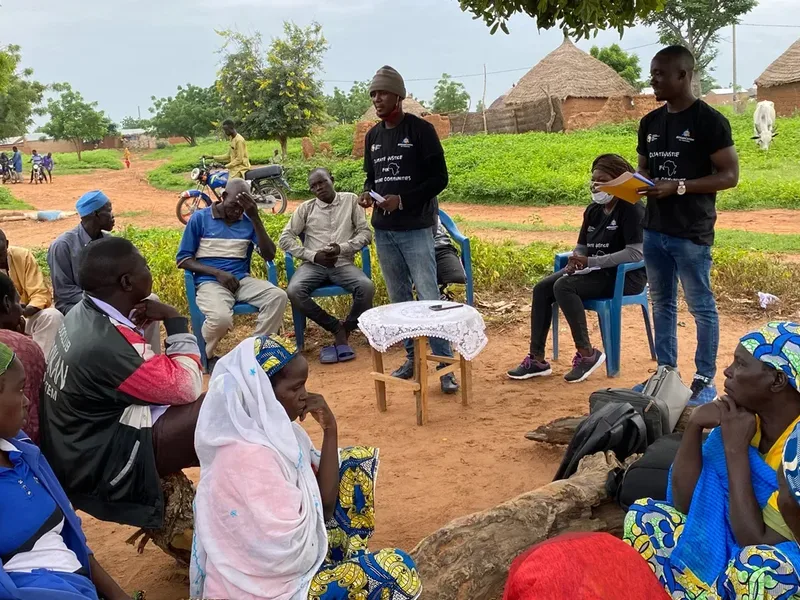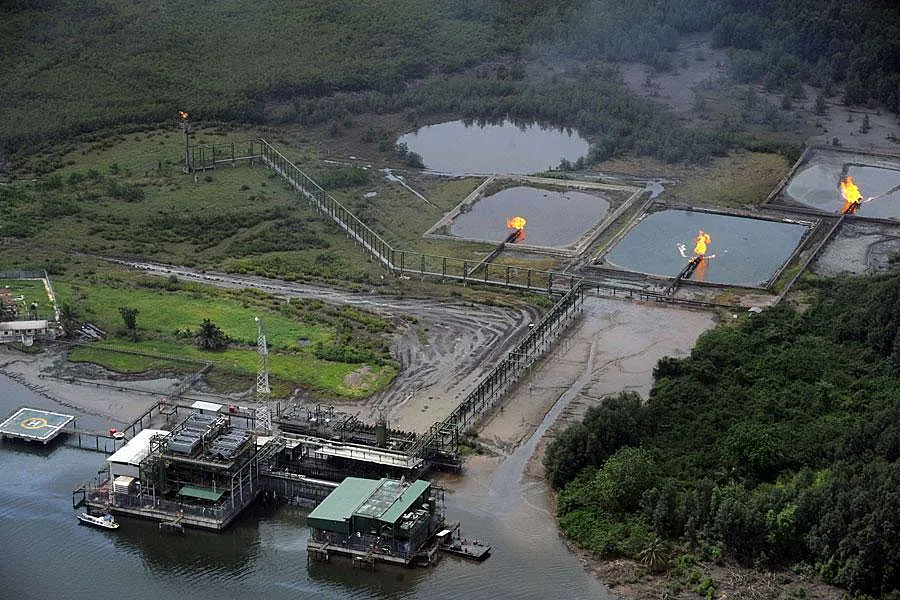
Nigeria's Petroleum Industry Act (PIA) promised a turning point for oil-producing communities long battered by environmental degradation, economic exclusion, and opaque taxation structures.
Four years on, its impact reveals a complex intersection of renewed hope, regulatory gaps, and contested expectations. Our exclusive analysis explores how the PIA is reshaping responsibility, revenue, and the future of upstream accountability in Nigeria.
Rewriting Accountability in Nigeria's Oilfields
For decades, Nigeria's upstream oil and gas sector has operated under the weight of mistrust. An ecosystem where environmental damage, opaque taxation, and underwhelming corporate social responsibility (CSR) combined to deepen the suffering of oil-producing communities. The Petroleum Industry Act (PIA), signed in 2021, arrived as a long-awaited answer to persistent calls for justice, balance, and transparency.
Yet, as our investigation shows, the PIA is more than a technical reform; it is a test of national will. Its CSR and taxation provisions, as documented extensively in The Impact of the Petroleum Industry Act, seek to recalibrate power, influence, and accountability between government, companies, and communities. But regulatory complexity, political resistance, and implementation delays continue to cloud its promise.
This exclusive opinion examines what has changed, what remains stagnant, and what must shift if Nigeria is to chart a genuinely sustainable pathway, one that aligns economic prosperity with community dignity, fiscal transparency, and environmental stability.
Oil Reform Meets Community Reality
The signing of the Petroleum Industry Act (PIA) was hailed as the most transformative reform in Nigeria's oil sector since the discovery of crude in Oloibiri in 1956. Long criticised for environmental neglect, fragmented taxation, and extractive governance, Nigeria's upstream operators faced chronic conflict with host communities. The PIA emerged to rewrite this script.
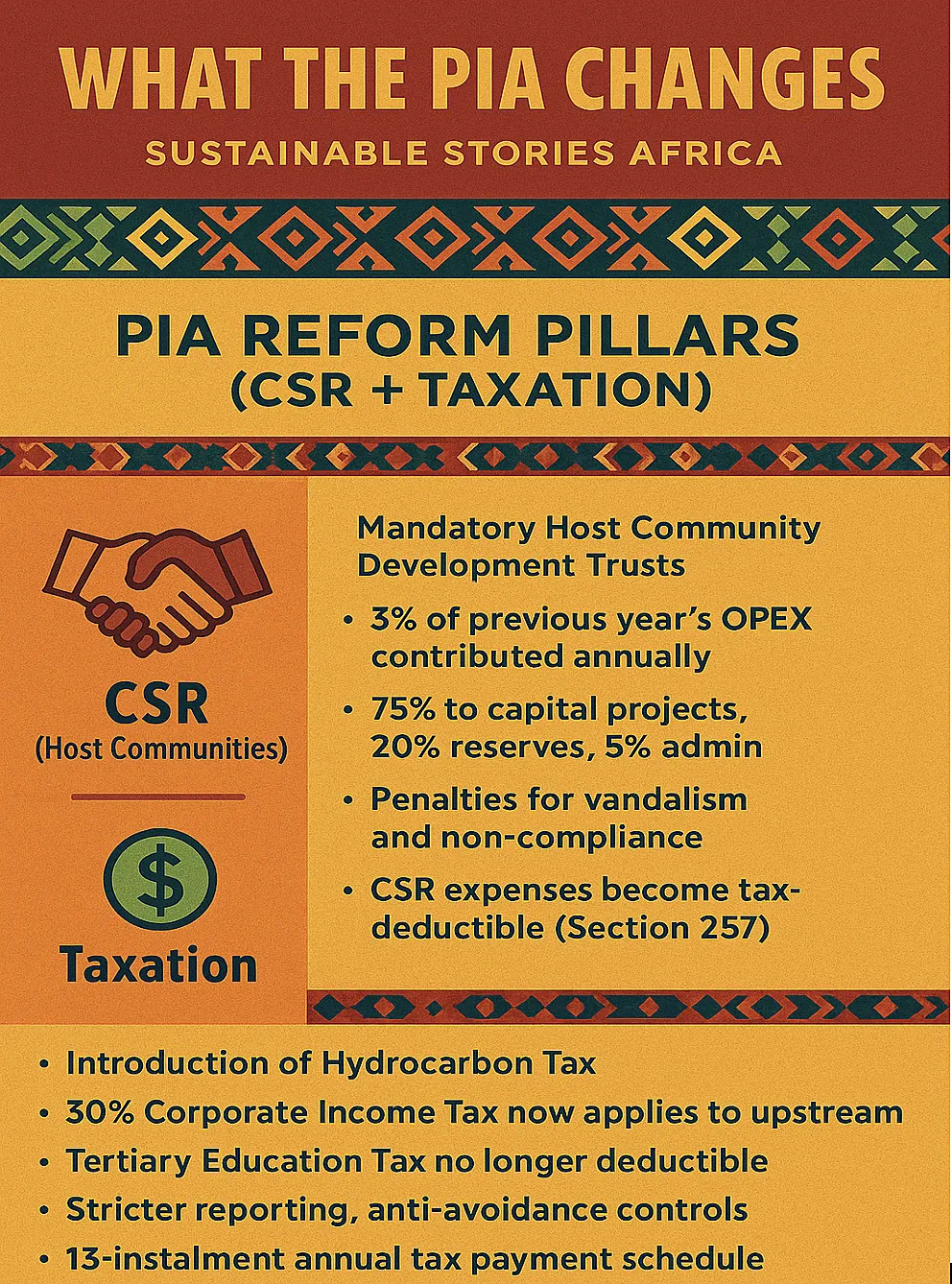
With mandated Host Community Development Trusts (HCDTs), 3% annual operating expenditure contributions, and a new hydrocarbon tax regime, the PIA appeared poised to enforce long-absent accountability.
According to Isallah (2023), the Act was designed to balance corporate responsibility and taxation while advancing sustainable development, an attempt to build trust where decades of broken promises had prevailed.
But on the ground, reform is meeting reality. Communities question whether 3% is enough. Companies struggle with compliance complexities. Regulators face capacity constraints. And the Niger Delta continues to bear the environmental scars of a resource that funds national ambitions but undermines local futures.
Tracing Promises Through Policy Architecture
The PIA's structure attempts to correct historical failures of Nigeria's petroleum governance.
Its CSR provisions, covered extensively in Sections 234–257, introduce mandatory host community involvement, structured funding, and penalties for sabotage.
Meanwhile, taxation reforms replace the Petroleum Profit Tax with the Hydrocarbon Tax and extend corporate income tax to upstream operators.
What the PIA Changes
PIA's Structural Shifts
| Reform Area | Previous Framework | PIA Framework | Impact Summary |
|---|---|---|---|
| CSR Structure | Loose, voluntary, poorly monitored | Mandatory HCDTs with detailed reporting | Boosts transparency; reduces arbitrary CSR |
| Taxation | Petroleum Profit Tax only | Hydrocarbon Tax + CIT | Broadens gov. revenue base |
| Community Funding | No fixed contribution | 3% OPEX annually | Predictable local funding |
| Accountability | Weak enforcement | Stronger penalties (sections 292–301) | Enhances compliance |
| Transparency | Minimal reporting | Mandatory disclosures, anti-avoidance rules | Reduces revenue leakages |
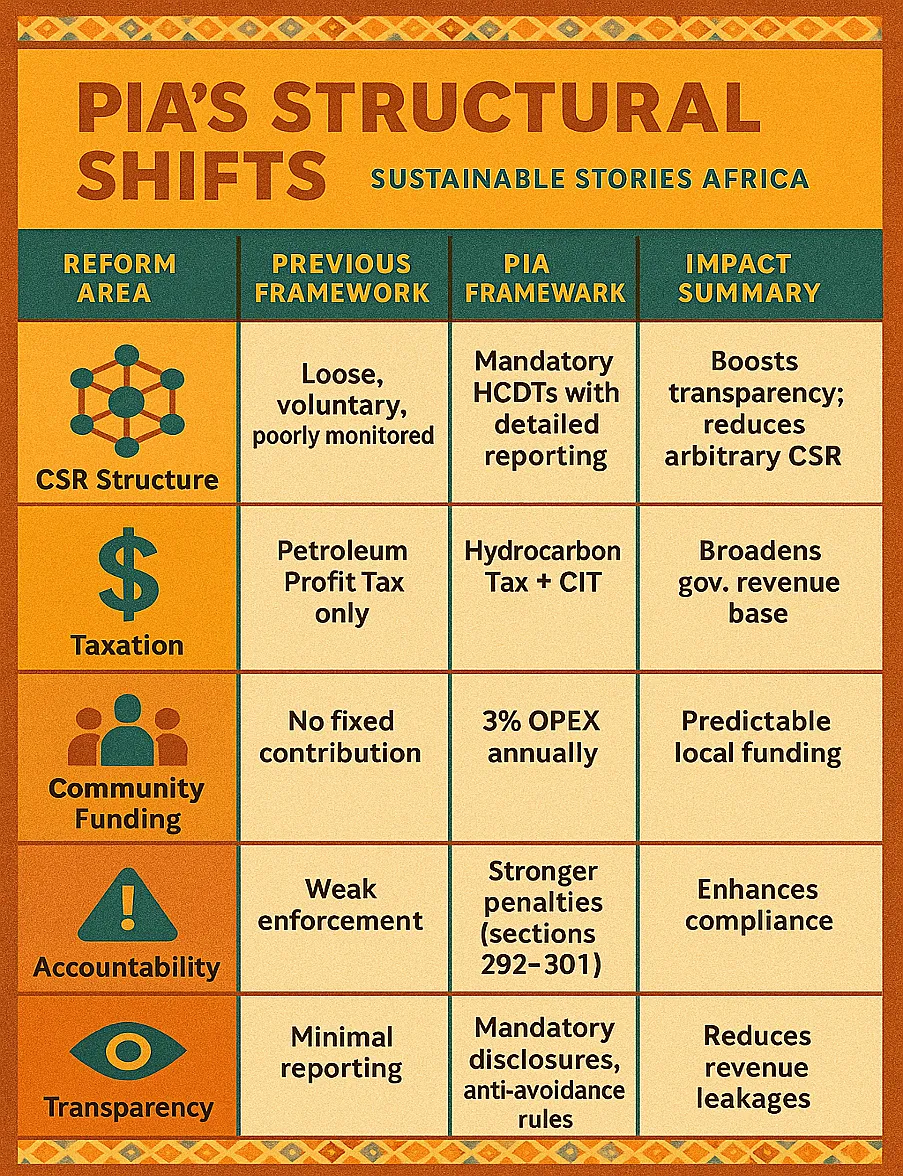
These provisions, on paper, align with the Sustainable Development Goals (SDGs) and international governance standards. But implementation fractures remain: capacity gaps, political interference, community distrust, and resistance from some operators still adjusting to new fiscal obligations.
Building Shared Prosperity From Extractive Pain
If properly implemented, the PIA could be the beginning of a new social compact in Nigeria's oil belt.
Structured CSR could defuse tensions that have historically led to pipeline vandalism, kidnappings, and production shutdowns.
Transparent taxation could unlock billions in public revenue for health, education, and climate-resilient infrastructure.
Potential Gains by 2030
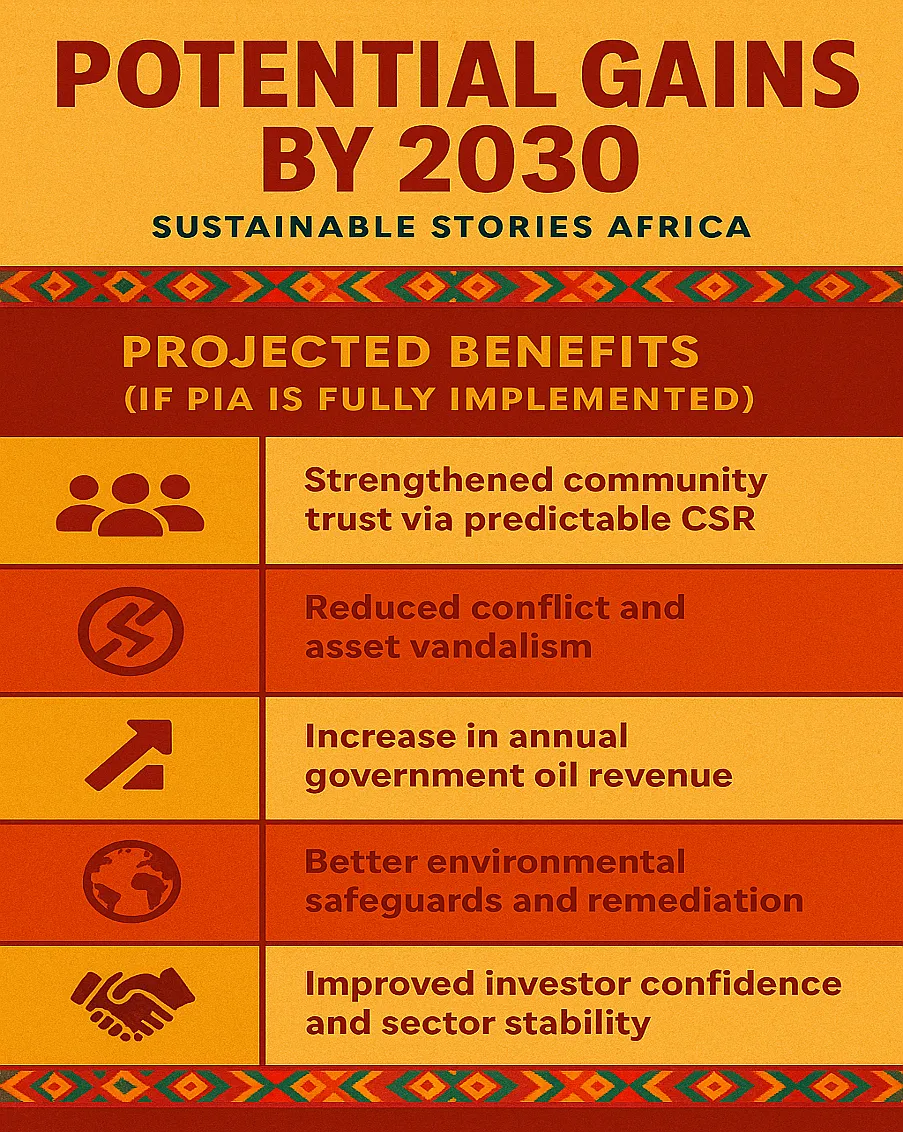
Communities, which have long accused operators of tokenism, view the structured trust fund model as an overdue step. Companies, despite initial misgivings, recognise that predictable CSR expenditure and tax clarity reduce legal disputes and reputational risks. Regulators see an opportunity to rebuild institutional credibility.
However, the greatest desire lies in turning Nigeria's oil wealth into more than a fiscal statistic. The PIA's integrated approach, as highlighted across the framework sections in the reference report, positions CSR and taxation not as separate obligations but as mutually reinforcing pillars of sustainable development.
Reforming Mindsets, Not Just Legislation
For the PIA to deliver its promise, Nigeria must shift from reform text to reform culture. Three immediate actions stand out:
- Strengthen Regulatory Capacity – The Federal Inland Revenue Service (FIRS) (to be known as Nigeria Revenue Services from 2026) and the Nigerian Upstream Petroleum Regulatory Commission (NUPRC) need digital tools, skilled personnel, and sustained budgetary support to enforce reporting, vet CSR plans, and detect tax avoidance schemes.
- Institutionalise Community Participation – Trusts must ensure representation of women, youth, traditional leadership, and marginalised groups. Community needs assessments, mandated in Sections 235 and 251, should become routine, transparent, and publicly accessible.
- Commit to Annual Public Reporting – Government and operators must publish annual PIA impact scorecards showing:
- CSR project status and outcomes
- Tax payments by each operator (without breaching confidentiality)
- Environmental compliance metrics
- Host community satisfaction ratings
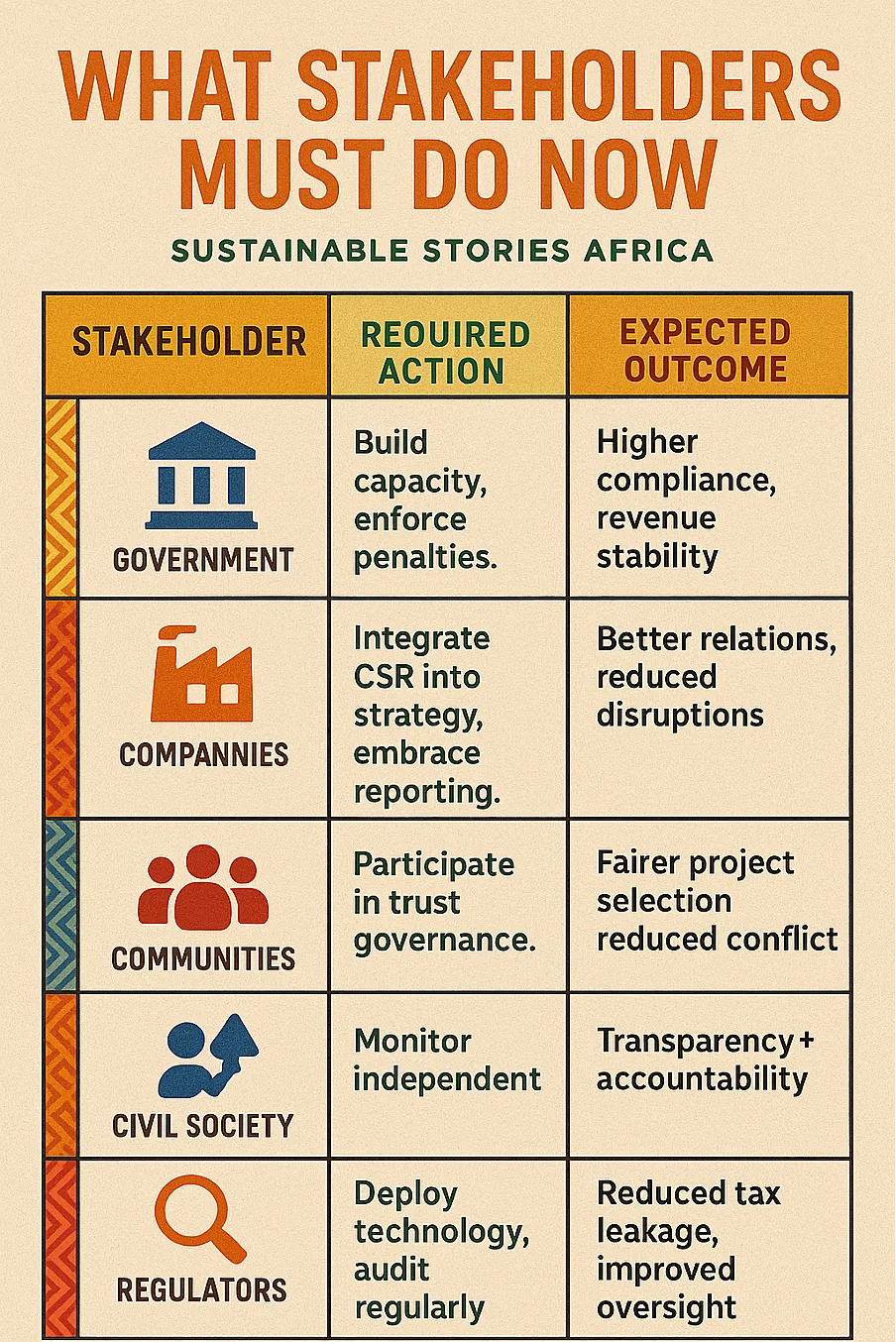
What Stakeholders Must Do Now
| Stakeholder | Required Action | Expected Outcome |
|---|---|---|
| Government | Build capacity, enforce penalties | Higher compliance, revenue stability |
| Companies | Integrate CSR into strategy, and embrace reporting | Better relations, reduced disruptions |
| Communities | Participate in trust governance | Fairer project selection, reduced conflict |
| Civil Society | Monitor independently | Transparency + accountability |
| Regulators | Deploy technology, and audit regularly | Reduced tax leakage, improved oversight |
PATH FORWARD – Renewing Trust, Rebuilding Shared Futures
Nigeria's path forward hinges on consistent implementation, transparent reporting, and inclusive decision-making. The PIA offers a structured foundation, but only coordinated action across government, companies, and host communities can transform reform into lived progress.
Priority areas include strengthening regulatory systems, scaling community-driven CSR, fully enforcing tax compliance, and deploying technology for monitoring. These steps, taken together, can reposition the upstream sector as a driver of sustainable development and not conflict, secrecy, and inequality.