
opEds

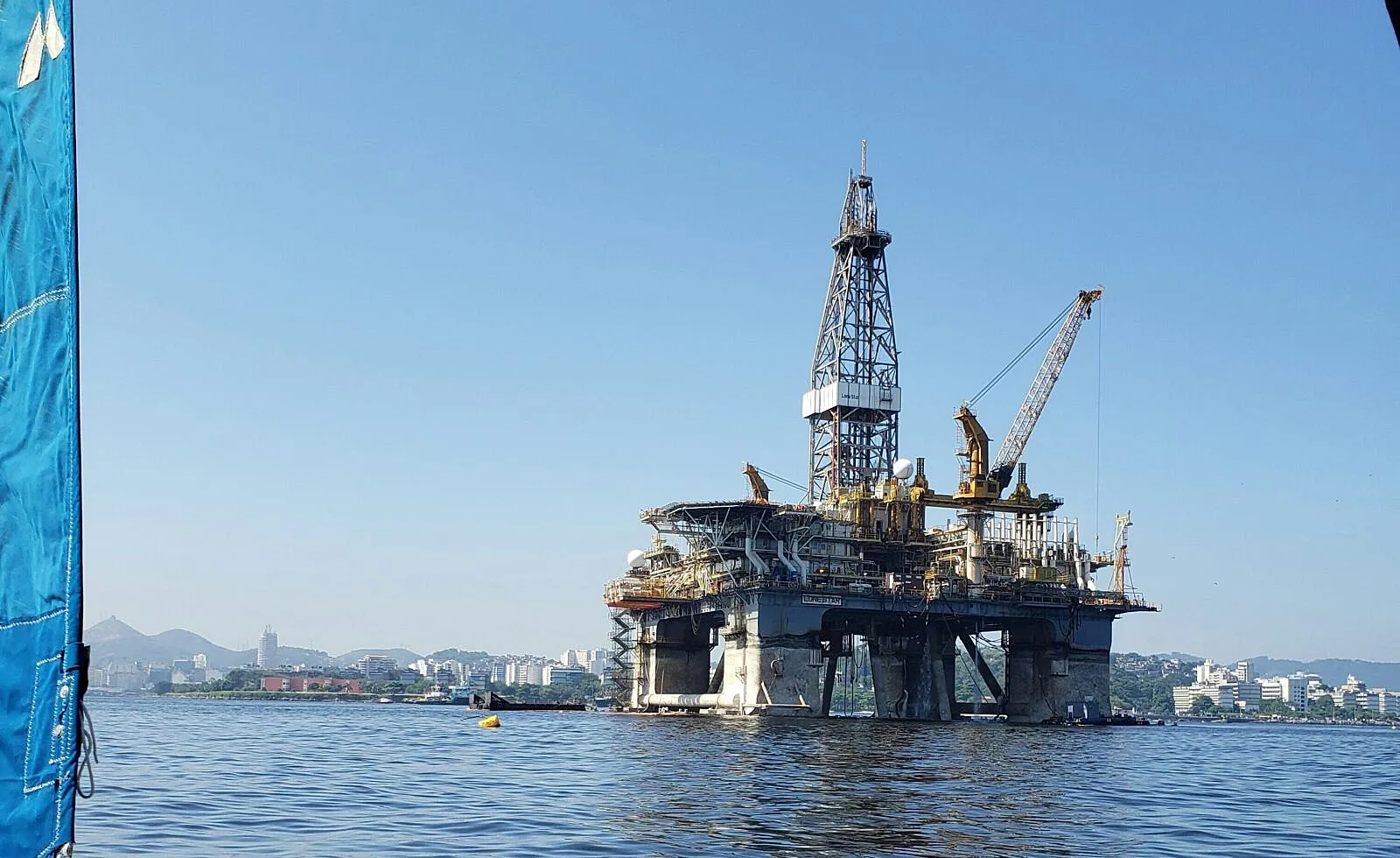
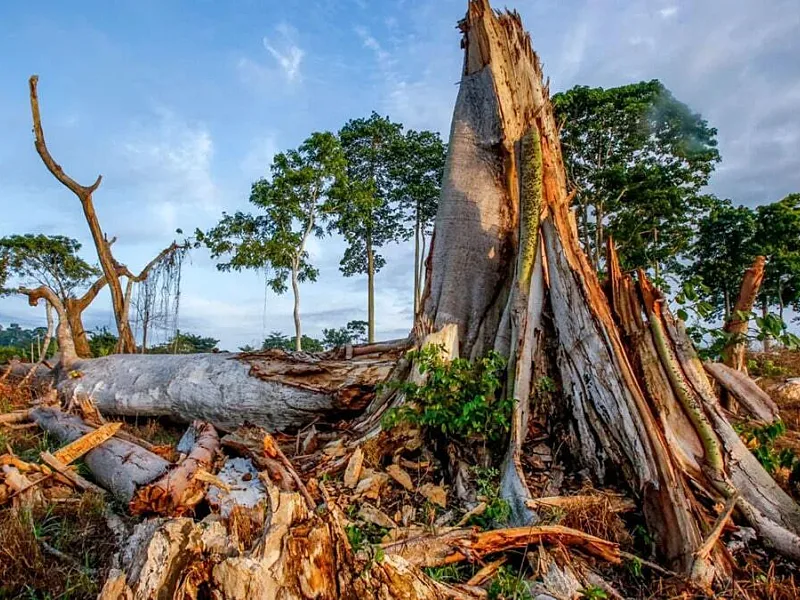
Africa is advancing on 12 of the 17 Sustainable Development Goals; however, only 2 of 46 measurable targets reviewed in the 2025 Africa Sustainable Development Report are on track to meet the 2030 objectives.

By 2050, one in four people globally will be African, and the continent’s working-age population is expected to double.

Most African migrants do not leave the continent. In 2024, 25.1 million lived elsewhere in Africa, compared with 20.7 million outside it; Africa’s newest labour statistics also show a workforce that is young, mobile and concentrated in regional economies.

The Insurance Sector Strengthening Program (ISSP) is a five-year initiative fully endorsed by NAICOM and being developed with the Commission’s team to expand insurance access, strengthen professional capacity and bring women, young people and MSMEs into Nigeria’s risk-protection system
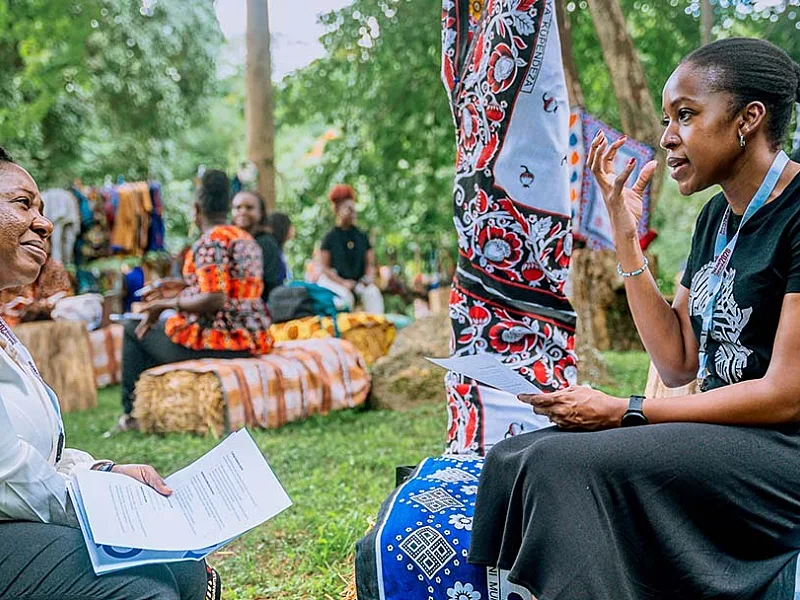
Africa's ESG storytelling crisis isn't a lack of ambition; it's a lack of trained hands to tell the continent's own sustainability story on its own terms.
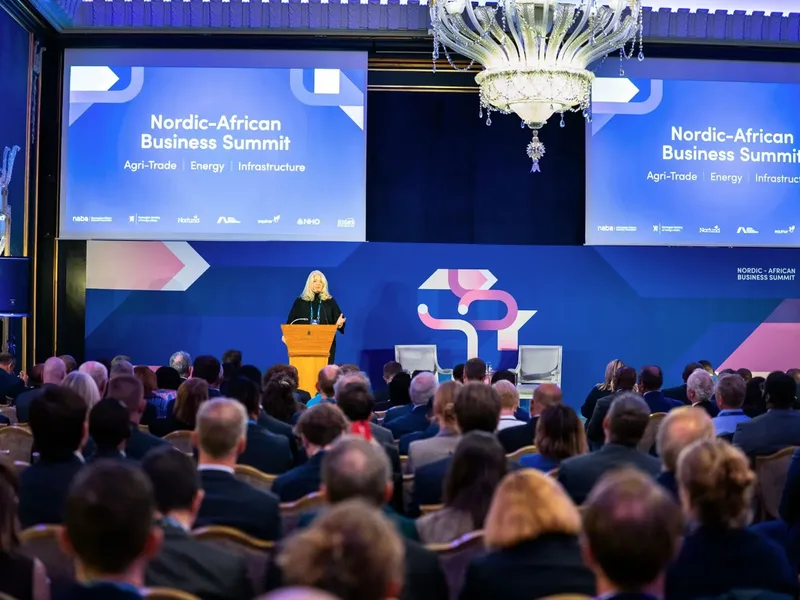
Denmark and its Nordic peers have built a credible record in African development finance, climate investment, humanitarian support and institution-building. Their next test is not whether more money reaches the continent, but whether African communities shape what that money builds.
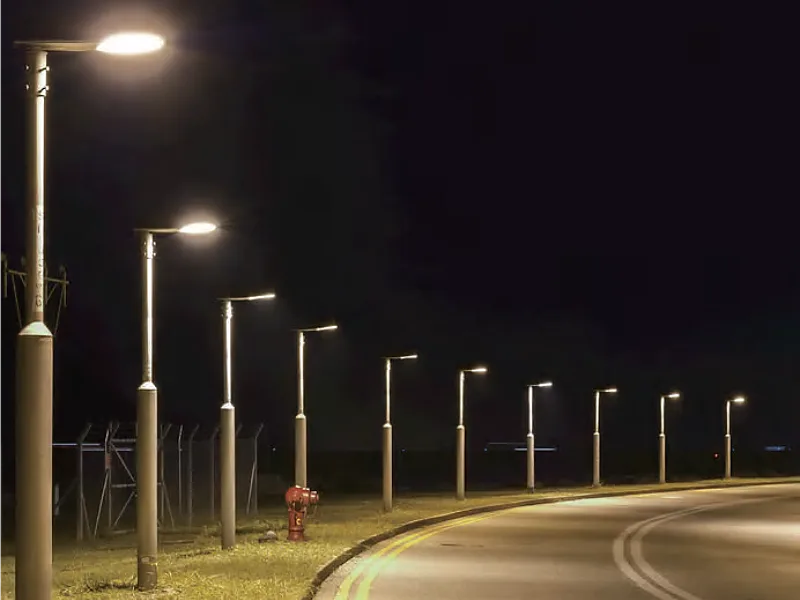
Nigeria’s weak grid has made solar lighting an infrastructure necessity, rather than a lifestyle accessory. Aiona’s leaders argue that efficient LEDs, climate-adapted batteries and off-grid design can lower costs while improving safety and reliability.

Corporate sustainability reporting is expanding, including across the OECD’s combined Middle East and Africa region. However, the deeper numbers show why Africa should resist confusing disclosure with performance: assurance remains uneven, human rights due diligence is thin, and energy-sector Scope 3 reporting is particularly weak.
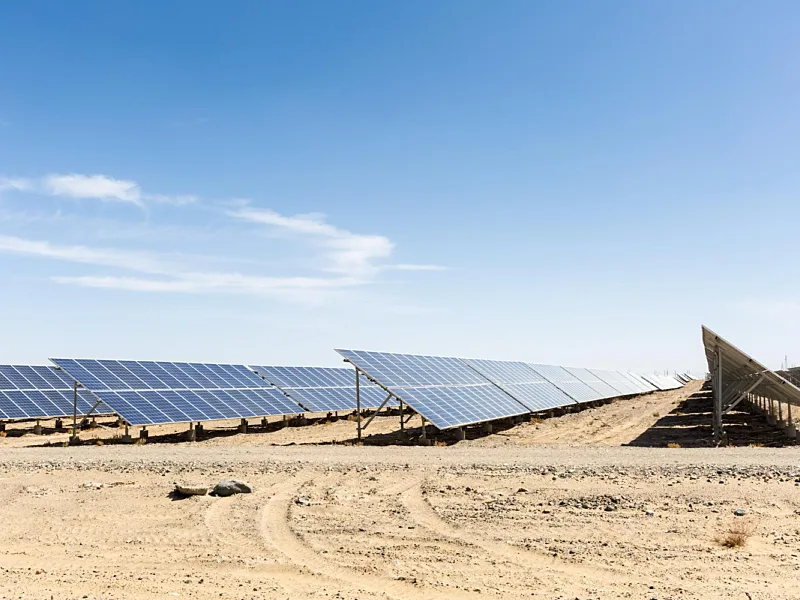
Africa’s energy transition is often framed as a financing challenge. While capital remains essential, it cannot compensate for weak governance, poor stakeholder engagement or businesses that fail to earn public trust. ESG is no longer a corporate buzzword; it is becoming a strategic advantage for African energy companies seeking to attract investment and deliver sustainable growth.

Deloitte's Bridging the Climate Finance Gap report (January 2026) flags a critical figure: $472 billion, the maximum annual sum Article 6-enabled, harmonised carbon markets could deliver by 2035.

The WEF's June 2026 report identifies five tailwinds and five headwinds shaping the Regenerative Blue Economy. For Africa, the message is urgent: today's choices could unlock trillion-dollar regenerative industries, or entrench decline for ecosystems supporting hundreds of millions.
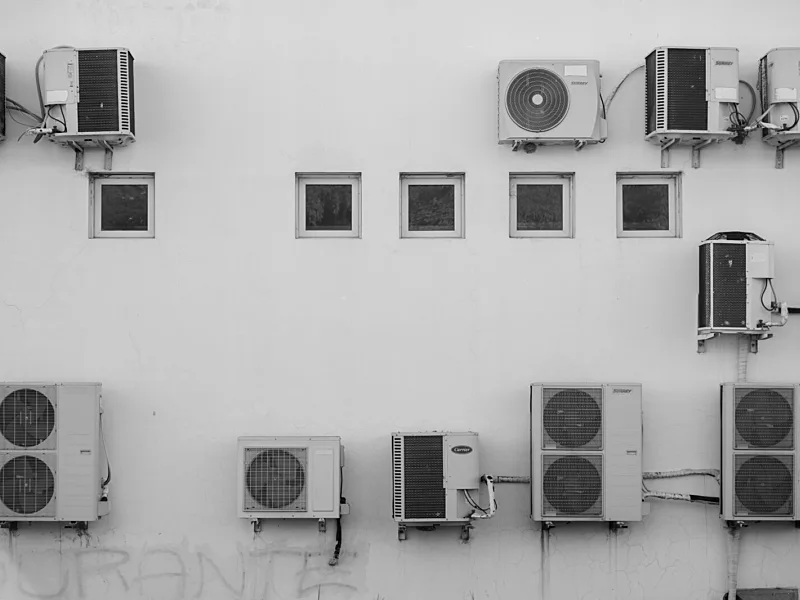
Over 600 million Africans live in cities facing rising temperatures, rapid urbanisation, and strained electricity grids. Growing demand for cooling is driving a surge in individual air conditioners, worsening peak-load stress, urban heat islands, and household energy costs.