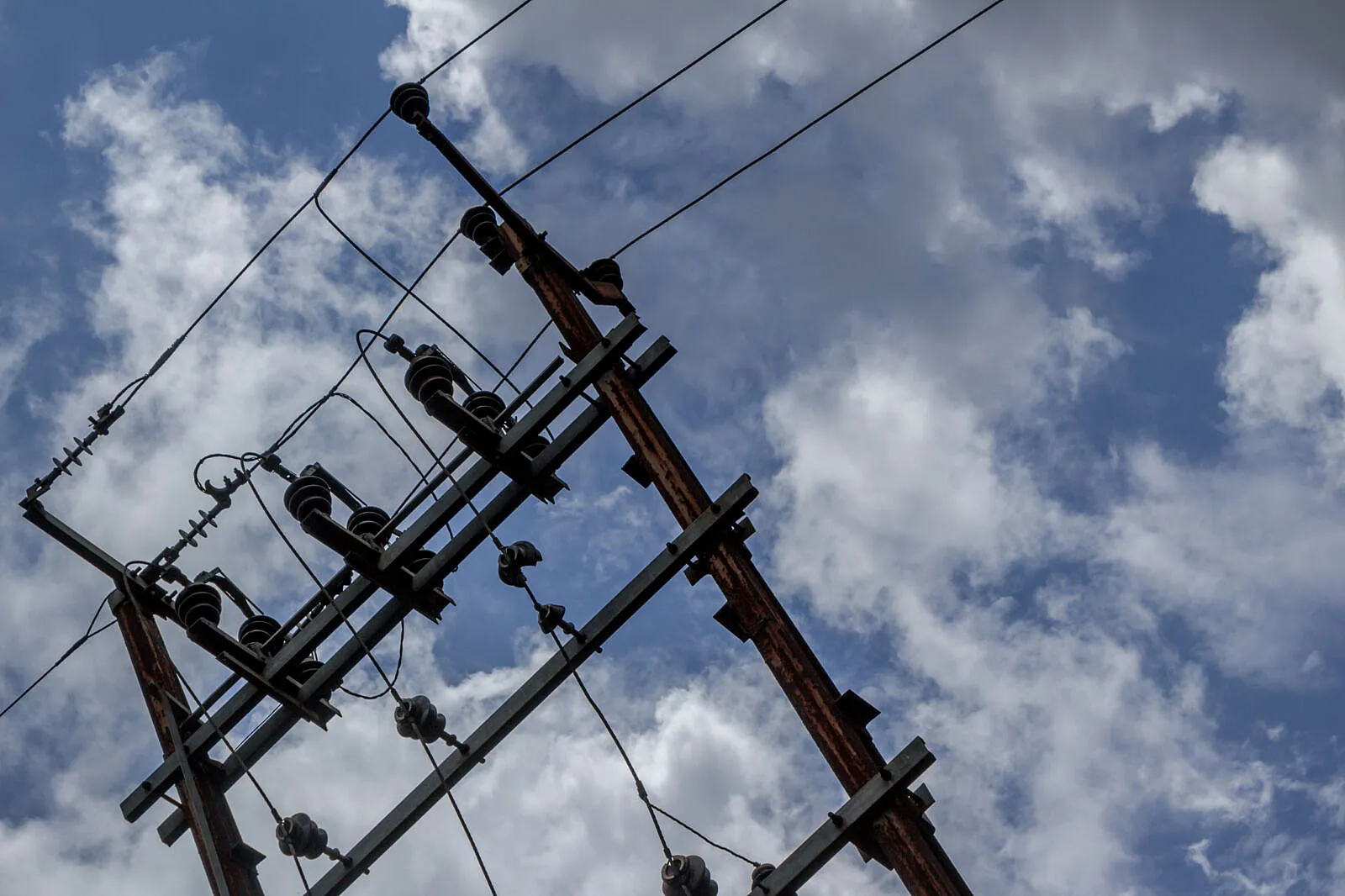
Nigeria's electricity grid remains a paradox: abundant hydrocarbons yet chronic blackouts, signalling a deeper structural failure in the energy sector.
Without a coherent strategy, the rhetoric of transitions and climate commitments risks becoming empty performance.
Nigeria's energy anomaly, strategy overdue
Nigeria, one of Africa's largest oil and gas producers, finds itself trapped in a vicious energy cycle: despite its hydrocarbon wealth, frequent outages and systemic inefficiencies persist.
According to the editorial in BusinessDay, the issue is not moral or ideological, but fundamentally strategic.
The country's dependence on hydrocarbons continues to anchor its economy; however, structural weaknesses across generation, transmission and regulation limit progress. The continent-leading ambition must now translate into disciplined execution.
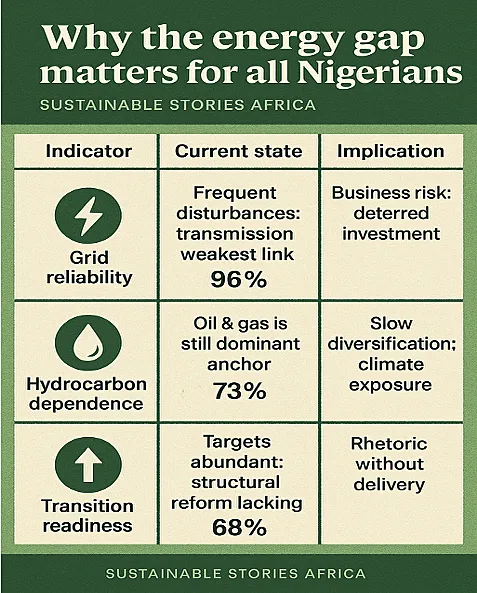
Why the energy gap matters for all Nigerians
The dilemma touches households, industry and national competitiveness. Weak reliability of power supply means increased costs for businesses, reduced productivity, greater carbon intensity and continued reliance on diesel backup.
A fuel that undermines emissions targets. For a country positioning itself for industrialisation and climate-responsible growth, the mismatch is glaring.
| Indicator | Current state | Implication |
|---|---|---|
| Grid reliability | Frequent disturbances; transmission weakest link | Business risk: deterred investment |
| Hydrocarbon dependence | Oil & gas is still the dominant anchor | Slow diversification; climate exposure |
| Transition readiness | Targets abundant; structural reform lacking | Rhetoric without delivery |
Building the blueprint for reform
The editorial calls for a shift from sentiment to strategy, namely:
- Prioritising grid infrastructure upgrades (especially transmission) to unlock generation capacity.
- Aligning regulatory frameworks to move beyond hydrocarbons to diversified energy sources while protecting industrial access.
- Instituting transparency in operations and fiscal flows to strengthen sector governance and investor confidence.
- Embedding climate and energy transition goals into national plans in a way that synchronises with industrial and economic policy.
Each lever not only addresses supply but also connects with inclusion, growth and emissions goals.
Steps to execute in the Nigerian context
In practical terms, Nigeria must adopt a phased but accelerated implementation:
- Conduct a full audit of transmission bottlenecks to prioritise critical upgrades and align donor/investor financing.
- Reform the regulatory architecture to liberalise private participation in generation and transparent tariff-setting.
- Deploy targeted investment incentives for renewable energy and gas-to-power assets, linked to transparency and local content.
- Establish measurable transition metrics, for example, increase grid average availability by X % within Y years, reduce diesel-backup reliance by Z %.
By transforming ambition into measurable milestones, the reform becomes actionable and accountable.
Path Forward – Strategy-First, Access-Power, Stability-Growth
Looking ahead, the six-word mantra for Nigeria's journey is:
"Strategy-First, Access-Power, Stability-Growth."
This encapsulates the path: adopt a rigorous strategy, widen access to reliable power, and thereby achieve both sector stability and national growth.
If Nigeria seizes this moment, it stands to deliver not just more electricity, but a transition platform where economic inclusion, industrialisation and climate resilience build upon each other.
Delay risks more than outages. It risks forfeiting the competitive edge.
Culled From: https://businessday.ng/editorial/article/nigerias-energy-dilemma-demands-strategy-not-sentiment/