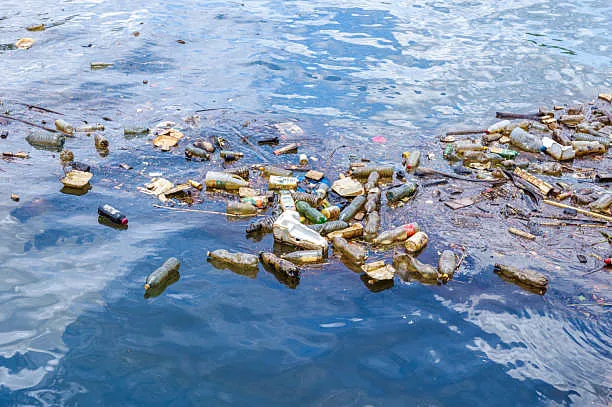
Heavy metal contamination in the Sapele River is no longer an academic warning; it is a real-time environmental and public health threat. New data show that concentrations of Ni, V, Cd, Pb, and Mn consistently exceed WHO standards across seasons, raising urgent questions about industrial pollution, regulatory oversight, and community exposure.
Rising Metals, Sinking River System Risks
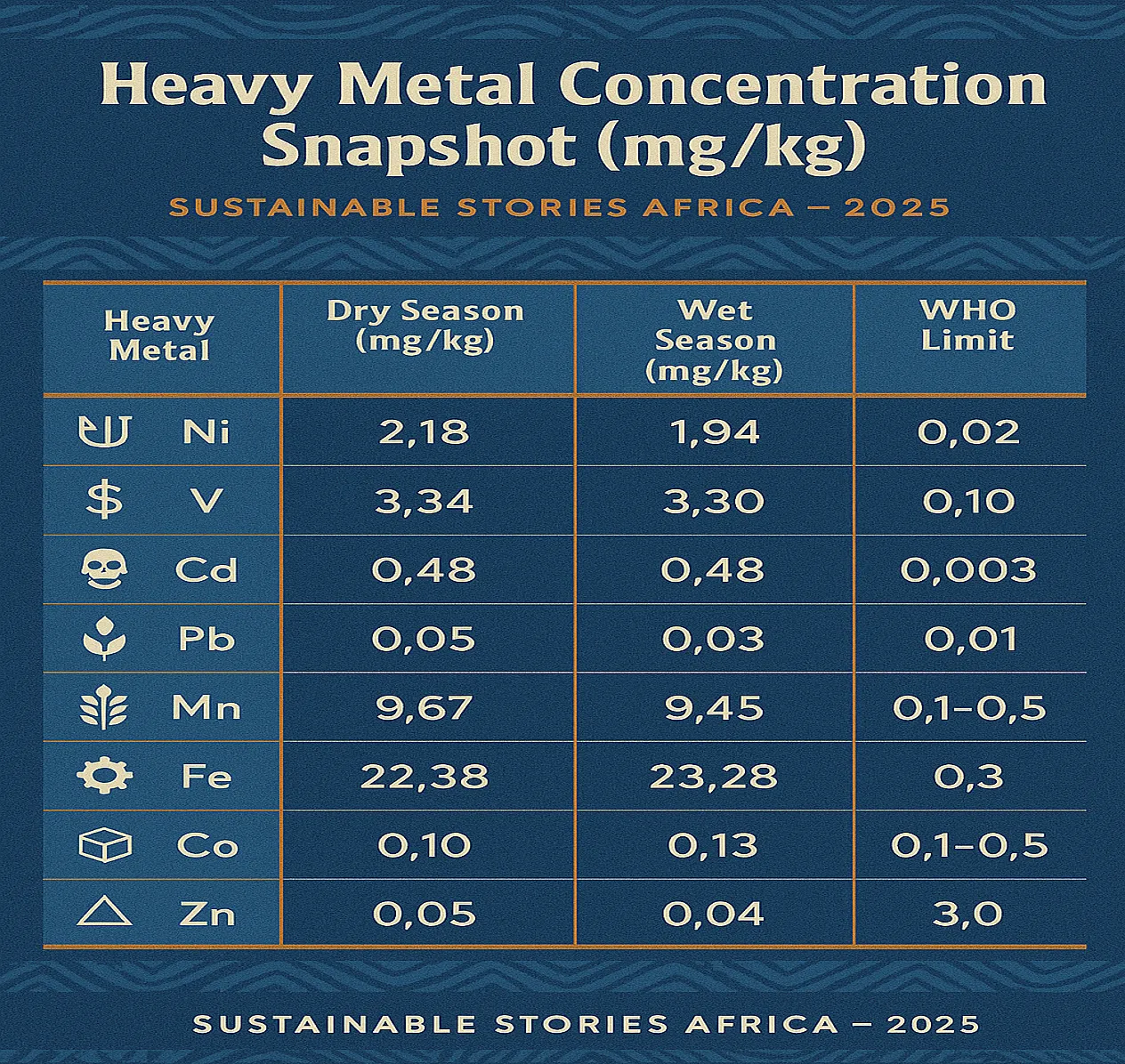
The Sapele River, once a lifeline for fishing, transport, and community livelihood, now reflects a worrying pattern of toxic accumulation. Recent sediment analysis reveals elevated levels of nickel, cadmium, lead, vanadium, manganese, and iron across both dry and wet seasons, with values far surpassing WHO thresholds in several locations.
This chemical burden did not emerge overnight. A history of gas flaring, petroleum effluent disposal, urban runoff, and agricultural inputs has slowly transformed the Niger Delta's aquatic ecosystems into long-term storage sites for heavy metals. According to a research report published in August 2025 by the "Journal of Science Innovation & Technology Research – (JSITR), approximately 90% of particulate matter transported by rivers settles in estuaries and coastal regions, meaning the sediment now acts as the region's heaviest environmental archive and its most alarming one.
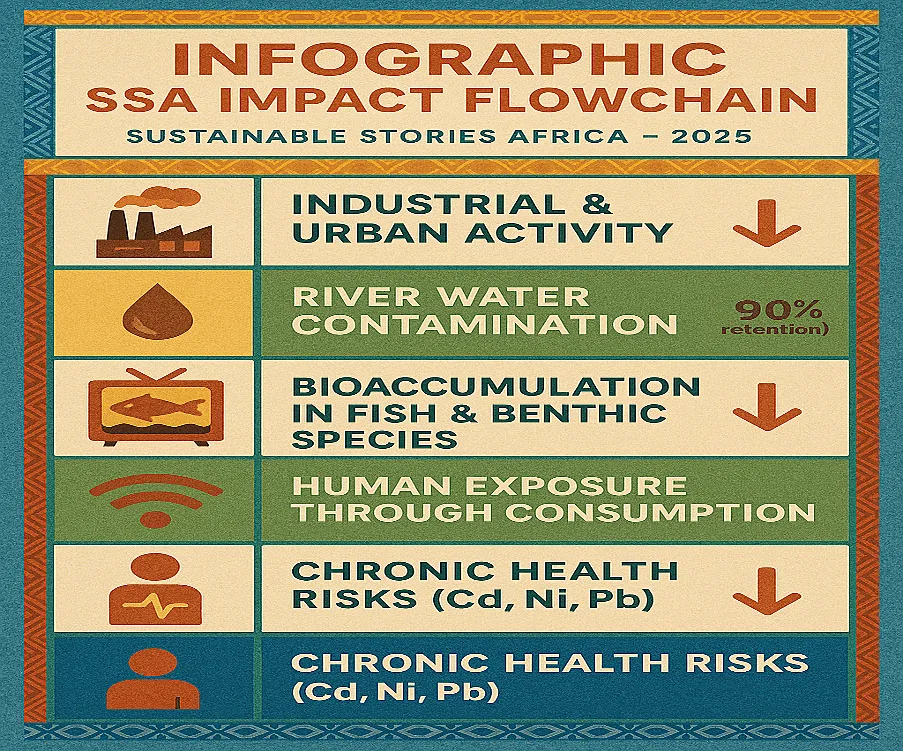
What makes this latest assessment particularly urgent is the evidence of bioaccumulation: metals that settle in sediments re-enter the food chain through benthic organisms, fish, and eventually, human consumption.
In a region already grappling with oil pollution, flooding, and declining coastal biodiversity, the Sapele River's toxic load signals a deeper crisis and an inflexion point for environmental management in the Niger Delta.
Toxic Accumulation Rising: Sapele River Sediment Shows Dangerous Heavy Metal Surge
The Sapele River in Delta State is quietly absorbing and storing dangerous levels of heavy metals, according to new research that measured concentrations of nickel, cadmium, lead, vanadium, and manganese far above WHO safety benchmarks.
The findings are sobering: every single sediment sample contained elevated contamination, with iron emerging as the most dominant pollutant across all locations and seasons.
- Nickel (2.061 mg/kg) surpasses WHO's 0.02 mg/kg limit by over 100×.
- Cadmium (0.477 mg/kg) exceeds WHO's 0.003 mg/kg limit by 159×.
- Manganese (9.557 mg/kg) exceeds the upper WHO limit (0.5 mg/kg) by nearly 20×.
This research confirms a long-standing suspicion among environmental scientists: heavy metals are no longer isolated incidents of discharge; they have become structural contaminants in the Niger Delta's aquatic ecosystems.
Tracing the Sources: Pollution Pathways and Seasonal Variation
The study analysed 15 geo-referenced sediment samples collected in December (dry season) and June (wet season), producing a clear pattern: most heavy metals were higher during the dry season, when low water movement increases the absorption capacity of sediments. The research confirms that Fe, Ni, Mn, Cd, and Pb show distinct seasonal fluctuations, with peak concentrations often linked to low-flow hydrology and tidal dynamics.
The report repeatedly cites human activities as the major contributor to these levels:
- Petroleum effluents and spillages.
- Gas flaring, which releases Ni, V, Cd, and Mn.
- Urban runoff containing pesticides, paints, and industrial waste.
- Sediment retention of up to 90% of particulate matter.
- Estuarine salinity fluctuations, which alter metal binding and release patterns.
The highest concentrations were recorded at Location 5, a site the study identifies as heavily influenced by "high anthropogenic activity," likely industrial and petrochemical sources.
The science is unambiguous; they are toxic archives holding decades of neglected pollution.
A River at Risk: Public Health and Ecological Consequences
The elevated heavy metal concentrations documented in this study have direct health and environmental consequences for Sapele communities.
Key risks identified in the study
- Bioaccumulation through fish and benthic organisms – heavy metals accumulate in fish liver and muscle tissues, entering the human food chain via consumption.
- Toxicity to aquatic life – Nickel and cadmium are highlighted as "highly toxic to aquatic organisms."
- Persistent health threats – Cadmium's excretion rate is "notoriously slow" and linked to organ damage.
- Sediment-water interactions increase exposure – Metals shift into the water column under certain pH and ionic conditions.
Infographic: SSA Impact Flowchain
Why this study matters now
Regional climate patterns, more intense rainfalls, shifting tides, and worsening floods are likely to accelerate metal mobilisation in sediments, reintroducing older pollutants into the active aquatic system. Combined with ongoing petroleum activity, the Sapele River risks becoming a permanent contamination hotspot unless interventions begin immediately.
What Nigeria Must Do Now to Halt Heavy Metal Load
Given the severity of contamination, the authors recommend immediate action by the State Environmental Health Agency and related regulators to establish a continuous monitoring programme. A call echoed in the study's closing section.
SSA Policy Recommendations
- Conduct quarterly sediment and biota monitoring – Heavy metals like Cd, Ni, and Pb vary seasonally—regulators must track these patterns to anticipate risk surges.
- Enforce strict discharge controls on petroleum and industrial facilities – Location 5's readings highlight the need for targeted enforcement near high-activity zones.
- Introduce community alerts and water-quality advisories – Especially during low-flow dry seasons when absorption spikes.
- Expand sediment remediation technologies – including phytoremediation, dredging of hotspots, and engineered wetlands.
- Integrate findings into Niger Delta health surveillance systems – Communities consuming local fish must be screened for chronic heavy metal exposure.
What's at stake
Without urgent action, the Sapele River could mirror the worst-case ecological collapses observed in other industrial deltas globally. Dead zones, fishery loss, and long-term public health crises driven by toxic exposure.
PATH FORWARD – Coordinated Monitoring to Restore River Health
The Sapele River now stands at a decisive threshold. Immediate regulatory action, periodic sediment testing, and targeted pollution control are essential to reduce toxic loads and protect community health.
Strengthening institutional oversight and investing in remediation can reverse decades of accumulation.
Stronger Regulations, Cleaner Future for Communities
With coordinated interventions, the Niger Delta can transition from reactive crisis management to proactive, evidence-led environmental governance, ensuring safer waterways for generations.