Africa's cities are expanding faster than any region in the world. However, sustainability agendas continue to sideline the very people who keep these cities functioning: low-income, politically marginalised residents.
New research argues that urban sustainability must be reframed from the ground up, starting with the everyday infrastructures, survival systems and lived experiences of Africa's urban majority. Without this shift, climate justice and equitable development will remain out of reach.
Cities Grow, Agendas Lag Behind People
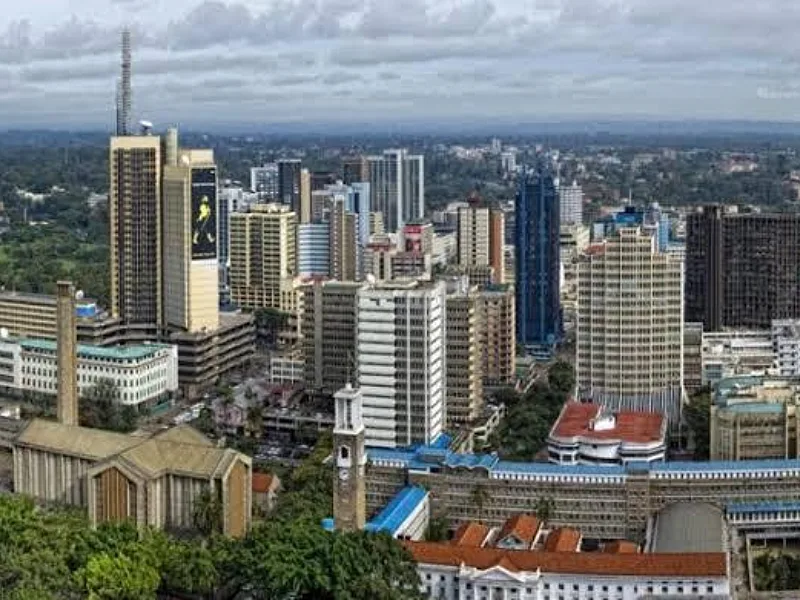
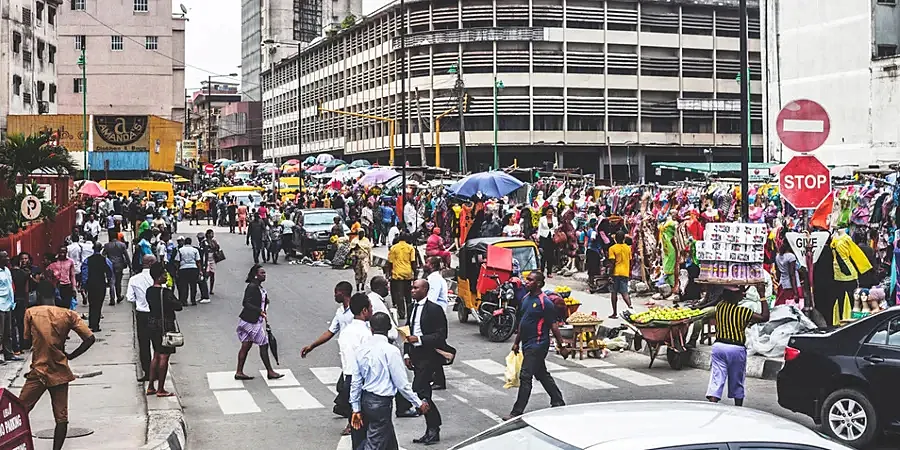
Across Africa's rapidly expanding cities, the dominant narrative of sustainability continues to be shaped by governments, donors and global institutions far removed from the daily realities of the continent's urban majority. However, Lagos, Nairobi and Johannesburg, each buzzing with youthful populations, informal economies and survival-driven innovation, demonstrate that Africa's most transformative sustainability ideas are emerging from below, not above.
Recent findings reveal a profound mismatch between top-down sustainability plans and the lived infrastructure of low-income residents, whose water systems, mobility networks, housing arrangements and informal economies remain largely invisible in policy discourse. This disconnect is no longer tenable as climate shocks intensify and demand for justice grows louder.
To build truly sustainable African cities, the continent must centre the knowledge, agency and aspirations of its urban majority, those who experience the consequences of climate injustice most directly, and who hold the keys to new models of adaptation and resilience.
Africa's Urban Majority Holds the Missing Sustainability Blueprint
The research is unequivocal: African cities cannot achieve sustainability without their low-income residents at the centre of decision-making. However, for decades, sustainability agendas have been shaped by what the document calls "donor-driven, infrastructure-led transitions" that largely ignore the political and socio-spatial marginalisation of the urban majority.
In cities where elites occupy the majority of land and drive the bulk of carbon-intensive consumption, it is low-income residents, who often live in informal settlements, who bear the heaviest climate burdens.
Africa contributes just 3.8% of global greenhouse gas emissions, yet its urban residents experience disproportionate impacts, ranging from severe flooding in Lagos to urban heatwaves in Johannesburg and water scarcity in Nairobi.
These unequal risks highlight what scholars in the report term "climate colonialism" and the enduring legacy of global extractive systems that shape today's urban vulnerabilities.
The central question becomes: How can cities build equitable, climate-resilient futures if the people most affected remain excluded?
What Top-Down Sustainability Gets Wrong About African Cities
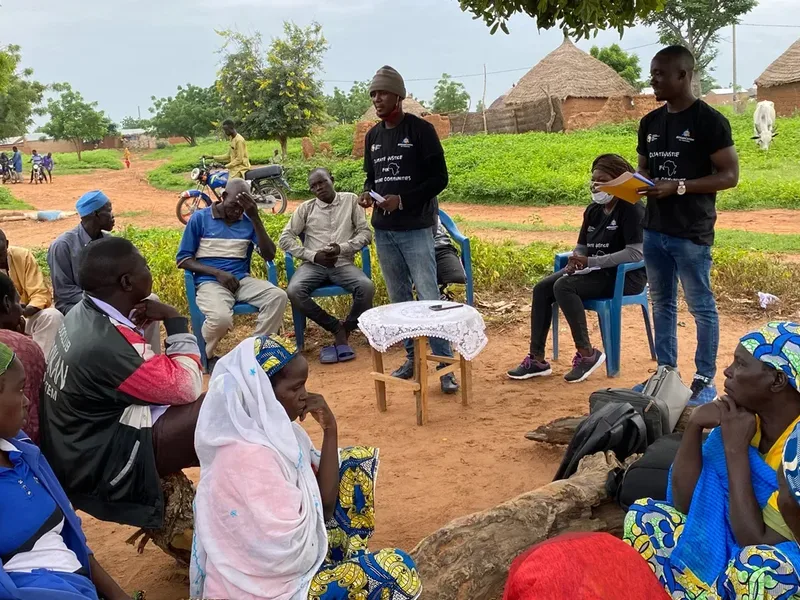
Top-down sustainability frameworks often treat African cities as blank canvases for global climate interventions. But the uploaded research shows that African cities already operate through complex, informal, hybrid and communal systems that provide essential infrastructure, particularly for the urban poor.
Why Current Sustainability Agendas Miss the Mark
| Blind Spot | What Policymakers Assume | What Residents Actually Experience |
|---|---|---|
| Infrastructure Needs | Modern, centralised infrastructure is the priority | Informal systems already deliver daily services (water vendors, informal transport) |
| Climate Risk | Universal vulnerability | Vulnerability varies by settlement pattern, tenure, history, income, and gender |
| Participation | Consultation = participation | Residents want agenda-setting power, not tokenised engagement |
| Decarbonisation | Low-income groups must "green" their practices | Low-income populations already emit the least and practice low-carbon living |
| Urban Land Use | Modern development requires clearance | Displacement deepens inequality and erases existing sustainable practices |
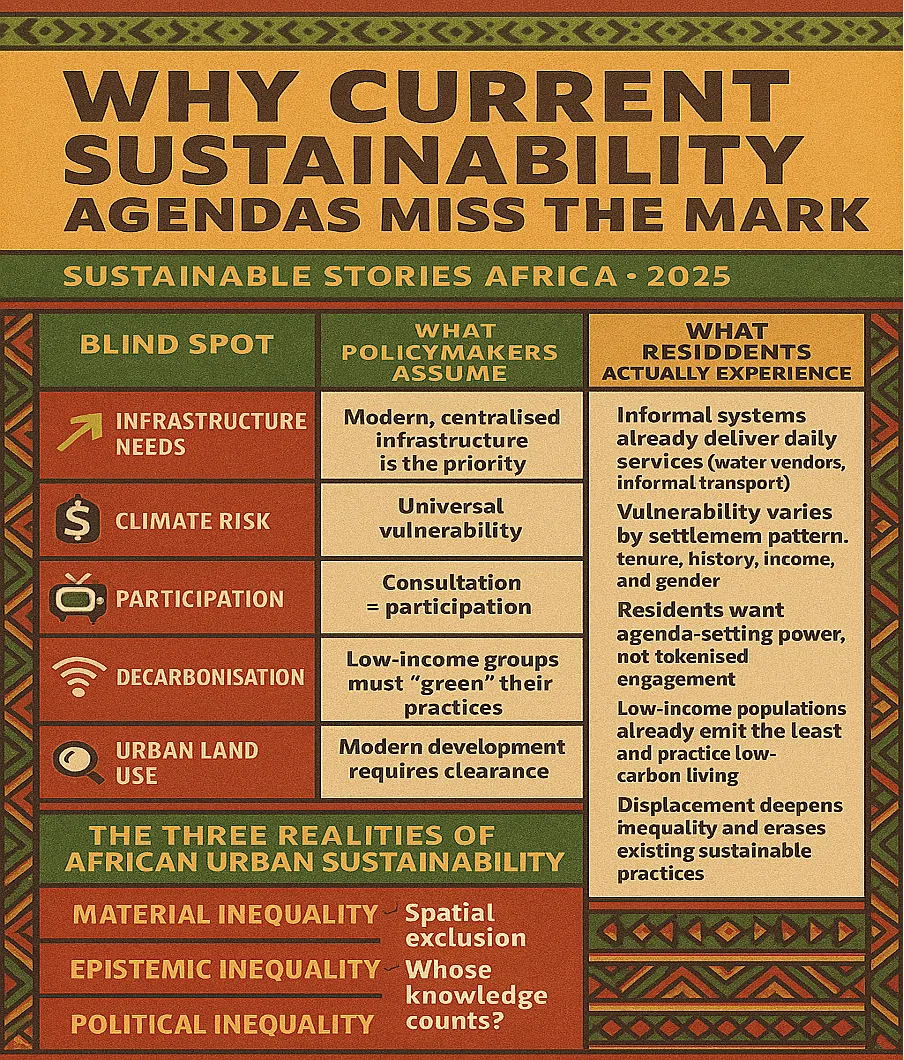
The research highlights a crucial oversight: African urban residents are not merely impacted by sustainability policies; they produce sustainability through everyday survival systems.
Until these structural imbalances are addressed, sustainability will remain exclusionary.
Reframing Sustainability Begins with Recognising Urban Majority Knowledge
The report argues for a pivot toward recognitional justice, acknowledging the identities, histories and political voices of marginalised urban residents. This shift is essential in cities where:
- Urbanisation is expected to triple by 2050.
- Low-income residents are spatially marginalised with low environmental impact.
- Elite consumption drives the majority of emissions.
- Informal economies dominate daily life.
Lagos, Johannesburg and Nairobi illustrate how residents are already innovating climate adaptation strategies:
- Nairobi – Residents implement flood-resilience practices through locally coordinated drainage clearing, community mapping and hybrid infrastructure networks.
- Lagos – Local water systems, floating communities, and informal drainage practices form a survival-infrastructure that policymakers rarely acknowledge.
- Johannesburg – CBO-led neighbourhood projects (such as in Bertrams) demonstrate how co-produced urban improvements address safety, mobility and micro-infrastructure challenges.
Why This Matters
Top-down decarbonisation models fail when they do not address systemic inequalities or consider how low-income residents already practice low-carbon living, often involuntarily. Policymakers must ask not how to "green" the poor, but how to scale their ingenuity and compensate for structural injustices.
A People-Centred Urban Transition Is Africa's Most Powerful Climate Strategy
To reframe sustainability agendas, African cities, along with their partners, must adopt approaches grounded in empirical, community-centred evidence, as presented in the research.
Build Sustainability from Existing Grassroots Systems
Recognise and strengthen indigenous and informal infrastructure. These systems are already cost-effective, low-carbon and adaptive.
Mainstream Recognitional Justice
Acknowledge the historical production of urban inequality shaped by colonial planning, elite capture and donor-driven models.
Elevate Local Government Power
Lagos' Local Council Development Areas (LCDAs) demonstrate how decentralised actors closer to communities can improve infrastructure alignment.
Institutionalise Co-Production
Organisations like Johannesburg's 1to1 show the transformative potential of CBO-led, co-designed micro-infrastructure solutions.
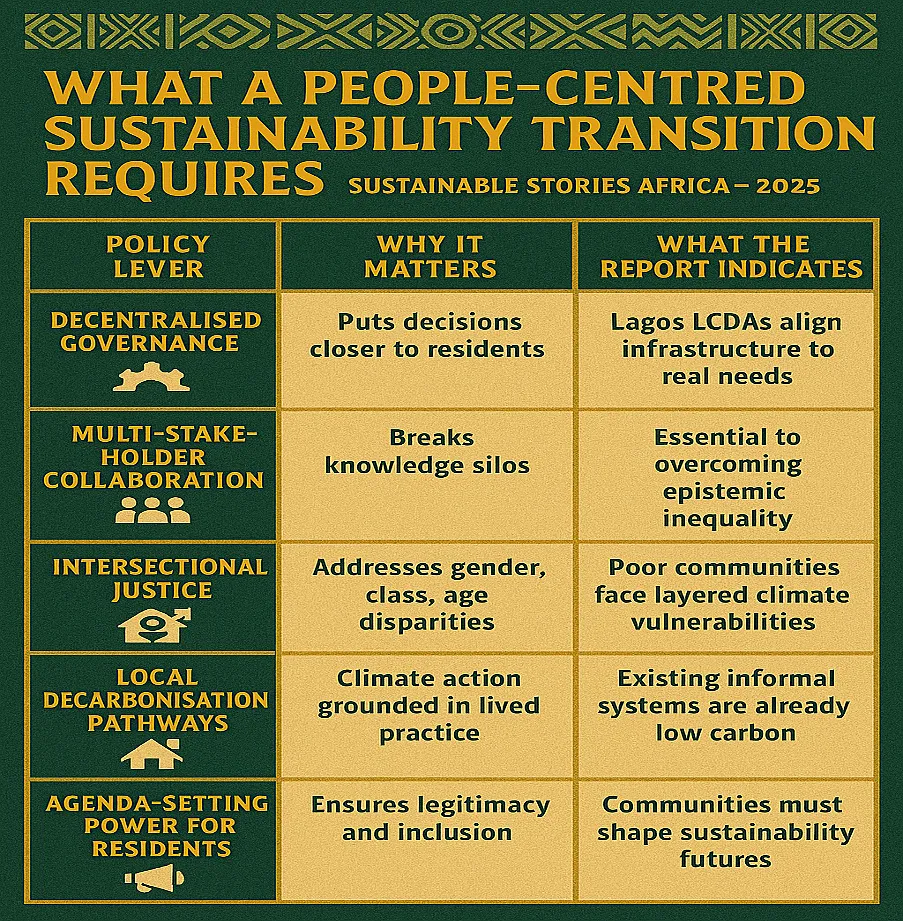
What a People-Centred Sustainability Transition Requires
| Policy Lever | Why It Matters | What the Report Indicates |
|---|---|---|
| Decentralised Governance | Puts decisions closer to residents | Lagos LCDAs align infrastructure to real needs |
| Multi-Stakeholder Collaboration | Breaks knowledge silos | Essential to overcoming epistemic inequality |
| Intersectional Justice | Addresses gender, class, age disparities | Poor communities face layered climate vulnerabilities |
| Local Decarbonisation Pathways | Climate action grounded in lived practice | Existing informal systems are already low carbon |
| Agenda-Setting Power for Residents | Ensures legitimacy and inclusion | Communities must shape sustainability futures |
The Core Message
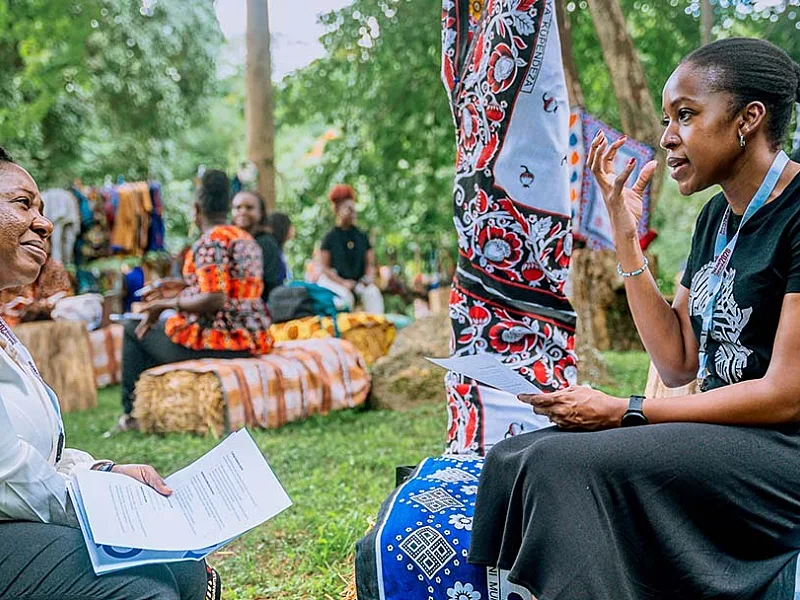
Sustainability cannot be imposed on African cities; it must be co-created with the people living the urban transition daily.
PATH FORWARD – Centre People, Co-Produce Africa's Urban Futures
Africa's urban transition represents one of the century's most significant development inflexion points. But only a sustainability agenda shaped by the urban majority, rather than imposed over them, can deliver just, climate-resilient cities.
This requires a revaluation of resident knowledge, decentralised decision-making, and a commitment to justice that moves beyond material distribution toward political recognition. The future of African urban sustainability depends on whether policymakers finally recognise the people who already make cities work.