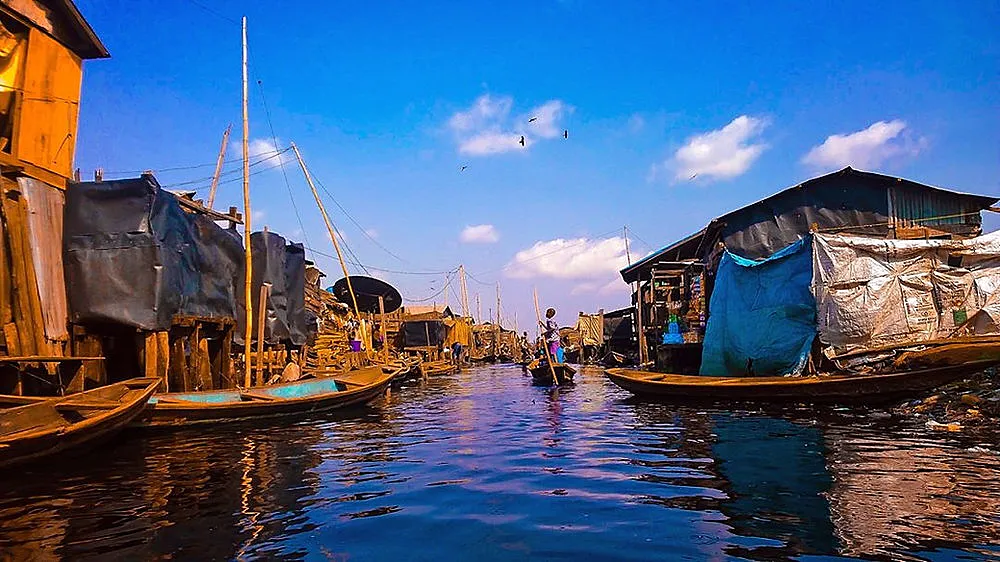
Across Lagos, Nairobi and Johannesburg, the people least responsible for the climate crisis are already living the "low‑carbon transition" – without rights, recognition or reliable infrastructure. However, their everyday hacks around water, housing and transport rarely feature in glossy climate strategies and donor scorecards.
Research argues that Africa's politically marginalised urban majority should not simply be "consulted" but empowered to rewrite sustainability agendas – from Makoko's waterpreneurs and Nairobi's settlement planners to Johannesburg's occupied‑building committees.
The question is whether governments, funders and planners are willing to cede that power.
Rethinking Sustainability From The Majority Up
Urban Majorities Rewrite Green City Scripts.
Africa's cities are on track to triple their populations by 2050, adding roughly 900 million people and forcing unprecedented infrastructure choices in a warming world.
Those decisions are still overwhelmingly shaped by global institutions and domestic elites, even though low‑income residents emit the least and absorb the sharpest climate shocks.
A Research document spanning Lagos, Nairobi and Johannesburg makes a blunt claim: climate justice in African cities is impossible if sustainability agendas continue to ignore existing informal infrastructures and the political rights of the urban majority.
Instead of asking how to extend "green" megaprojects into slums, the authors start from residents' own water systems, housing arrangements and upgrading struggles and show how these can anchor more just transitions.
Whose Sustainability, Whose City?
Climate Colonialism Meets Everyday Survival Politics.
The document starts by naming "climate colonialism": a world where the North and China have generated most emissions, while poorer urban majorities in Africa live with floods, heat and landslides intensified by those choices.
Global climate discourse still travels through Northern‑dominated institutions, reproducing older patterns of extractivism and unequal voice, even as new African frameworks, such as Agenda 2063, emphasise the language of self‑determination.
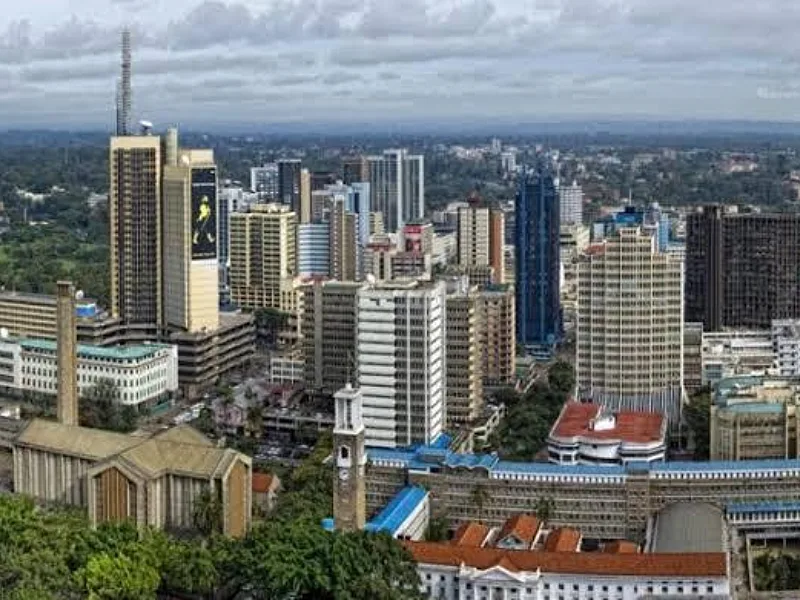
Within cities, the same hierarchy is at play. Wealthy groups occupy most urban land, capture infrastructure investment and drive consumption, while low‑income residents crowd into just 5% of Nairobi's urban space and receive a fraction of basic services.
These residents are among the lowest CO₂ emitters, but also the least recognised in formal planning and climate adaptation debates, a double invisibility that the authors frame as a crisis of "recognitional justice".
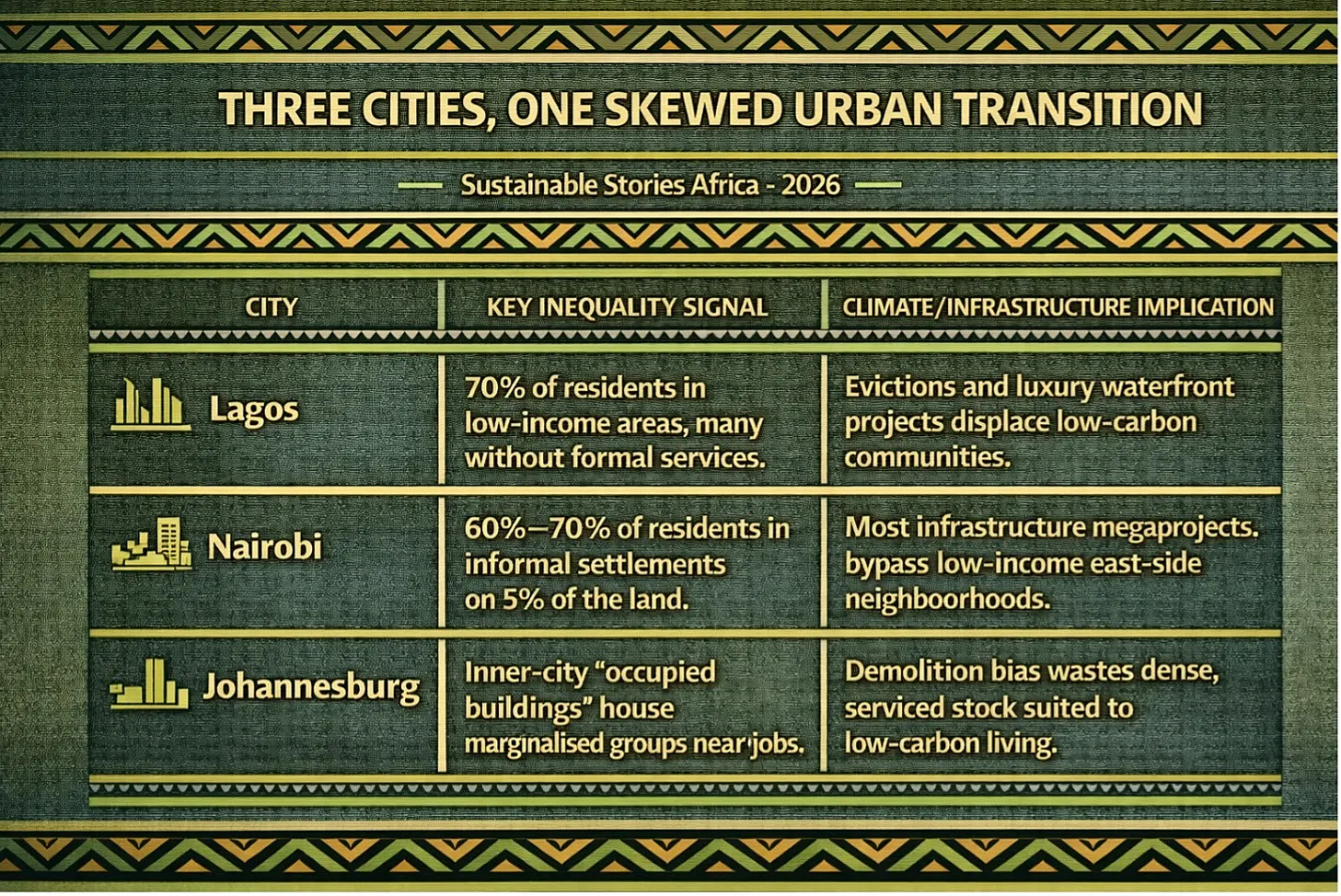
Three Cities, One Skewed Urban Transition
| City | Key inequality signal | Climate/infrastructure implication |
|---|---|---|
| Lagos | 70% of residents in low‑income areas, many without formal services. | Evictions and luxury waterfront projects displace low‑carbon communities. |
| Nairobi | 60% – 70% of residents in informal settlements on 5% of the land. | Most infrastructure megaprojects bypass low‑income east‑side neighbourhoods. |
| Johannesburg | Inner‑city "occupied buildings" house marginalised groups near jobs. | Demolition bias wastes dense, serviced stock suited to low‑carbon living. |
How Marginalised Neighbourhoods Already Do "Sustainability"
Informal Infrastructures Reveal Hidden Climate Assets.
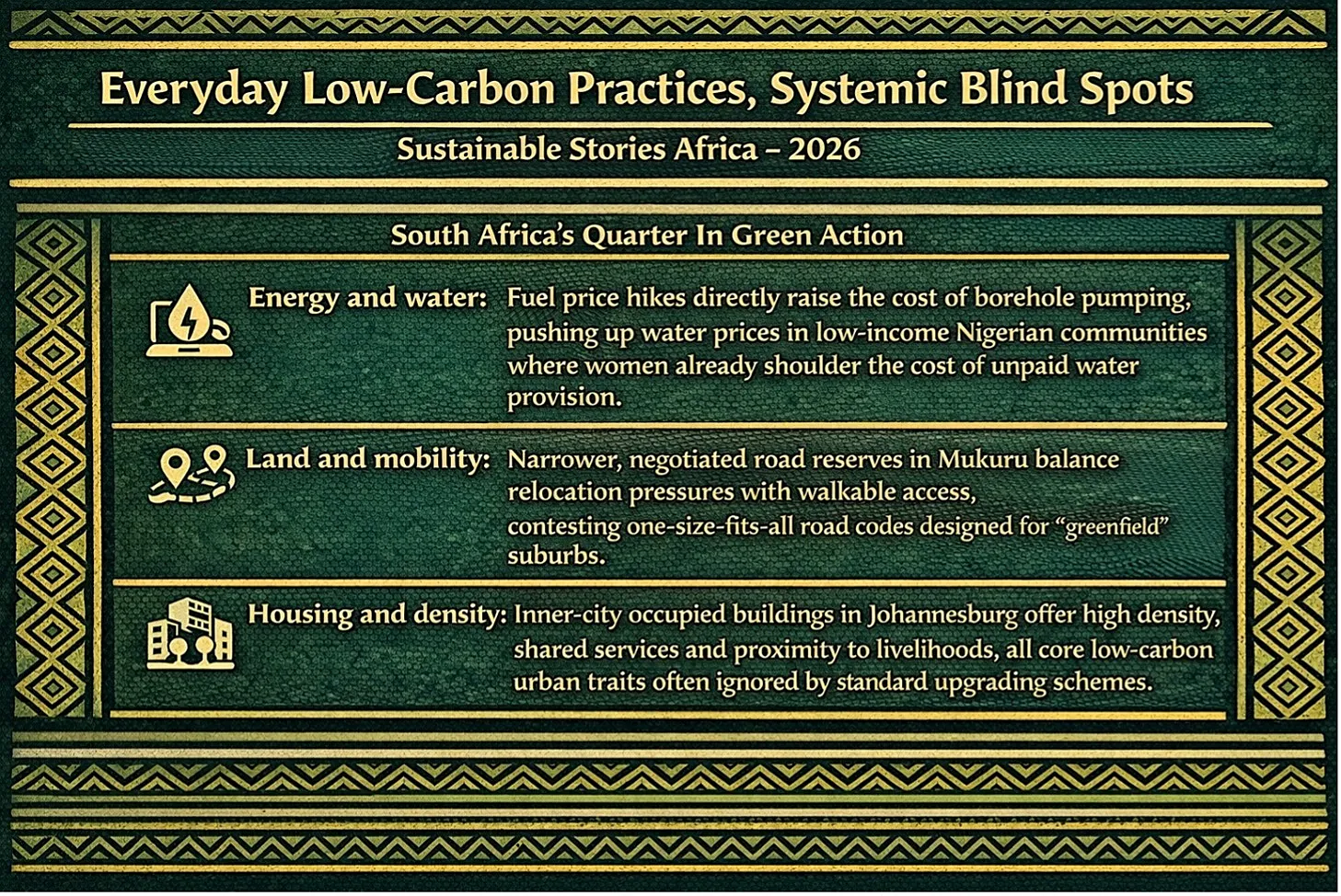
In the Makoko–Iwaya area, Lagos, borehole "waterpreneurs" and traditional medicine practitioners have spent decades studying soils, tracking water‑borne diseases and improvising distribution where the state hardly delivers a tap.
Some small providers are registered with Nigeria's food and drugs agency and supply potable water, as others sell unsafe sachets and generate plastic waste, exposing both the risks and the untapped technical knowledge inside this hybrid system.
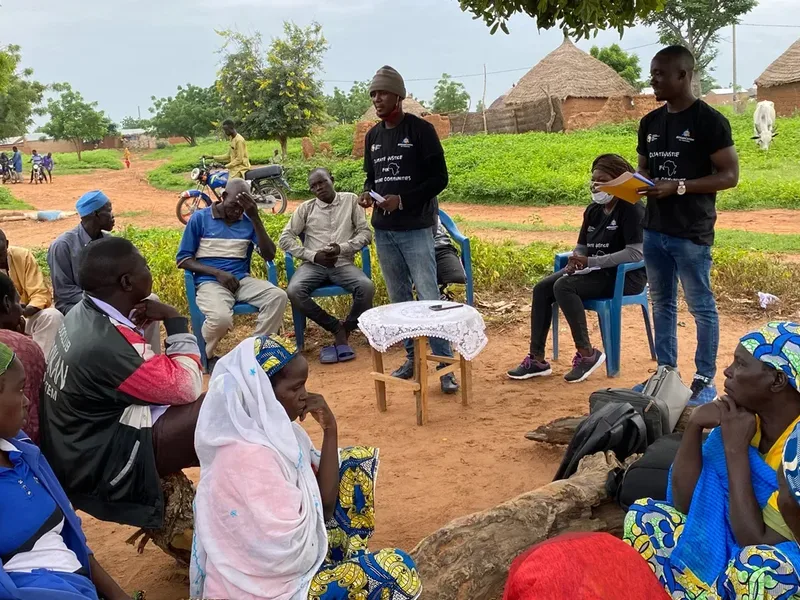
Nairobi's Mukuru settlement became a Special Planning Area after residents and the Muungano Alliance organised data, legal claims and political pressure to force a city‑scale participatory upgrading process.
Their engagement resulted in negotiated road reserves narrower than standard codes, a technical adjustment that preserved homes while still enabling drainage, mobility and trunk infrastructure, and that directly challenged colonial‑era planning templates.
In Johannesburg's Bertrams neighbourhood, so‑called "occupied buildings" cluster near transport and jobs, with existing services and social networks that make them far more climate‑ and resource‑efficient than distant greenfield housing. One-to-One and community‑based organisations co‑produced small but telling upgrades, from repairing hazardous staircases and toilets to improving courtyards, demonstrating how incremental, in situ work can unlock safety and dignity without the emissions of demolition and rebuild.
Everyday Low‑Carbon Practices, Systemic Blind Spots
From Consultation To Majority‑Led Climate Justice
Recognitional Justice As Urban Transition Engine.
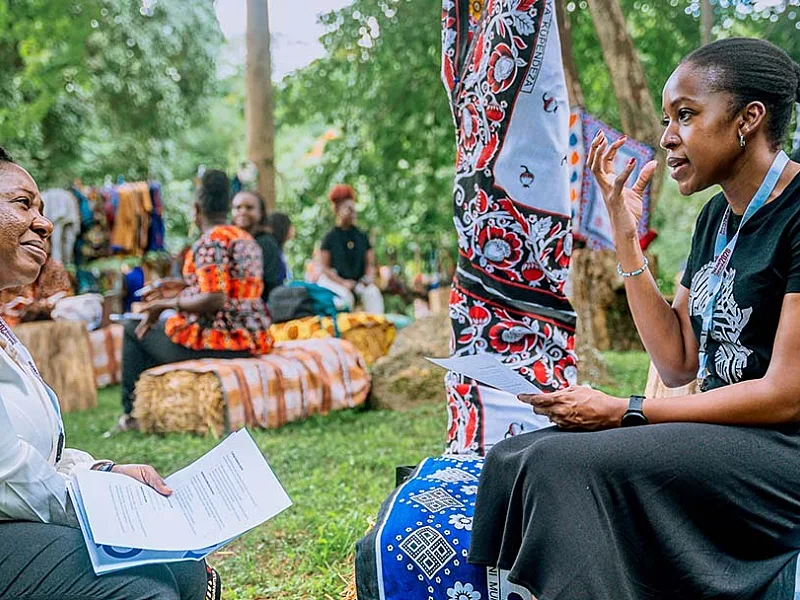
The authors argue that reframing sustainability around recognitional justice changes whose knowledge counts, whose risks matter and who gets to define "green" success.
This would mean that we elevate Makoko's water producers and healers as partners in hydrological planning, rather than obstacles; treating Mukuru's social movements and savings schemes as co‑designers of standards; and formalising Bertrams' resident committees as stewards of strategic inner‑city stock.
Such a pivot could also narrow what scholars call the "decarbonisation divide", where poorly planned energy and mining transitions export new pollution and dispossession to already vulnerable communities.
By starting from existing low‑carbon practices, such as dense housing, collective transit, and community‑managed water, African cities can build mitigation and adaptation strategies that protect livelihoods rather than sacrifice them to abstract net‑zero timelines.
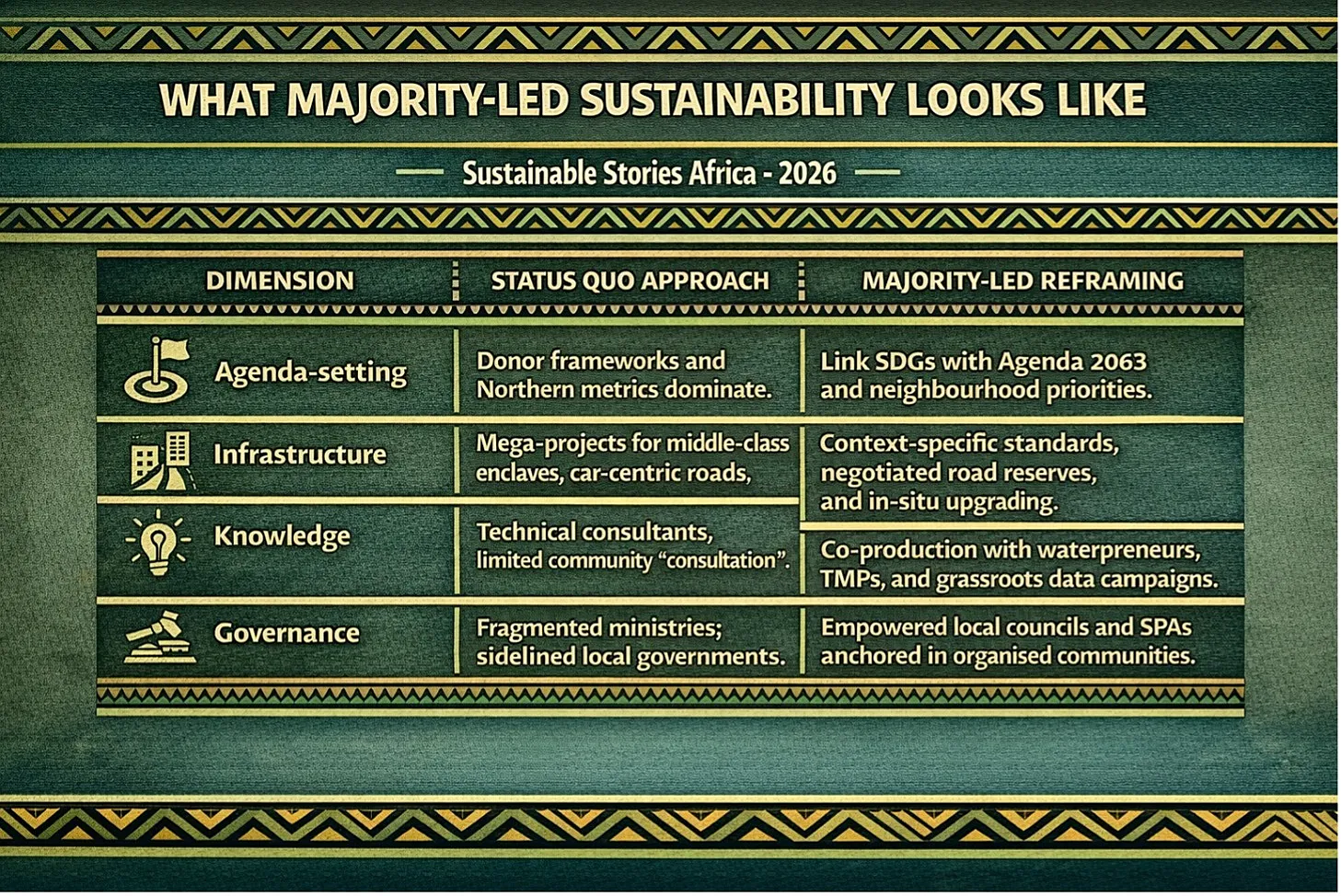
What Majority‑Led Sustainability Looks Like
| Dimension | Status quo approach | Majority‑led reframing |
|---|---|---|
| Agenda‑setting | Donor frameworks and Northern metrics dominate. | Link SDGs with Agenda 2063 and neighbourhood priorities. |
| Infrastructure | Mega‑projects for middle‑class enclaves, car‑centric roads. | Context‑specific standards, negotiated road reserves, and in‑situ upgrading. |
| Knowledge | Technical consultants, limited community "consultation". | Co‑production with waterpreneurs, TMPs, and grassroots data campaigns. |
| Governance | Fragmented ministries; sidelined local governments. | Empowered local councils and SPAs anchored in organised communities. |
Practical Shifts For Donors, Cities, Movements
From Pilots To Majority‑Centred Urban Compacts
The report closes with concrete shifts. Governments are urged to see low-income residents not as passive beneficiaries but as rights-holders able to shape, veto and monitor climate projects.
This includes devolving fiscal and political authority to local councils, such as in Lagos, so neighbourhood-scale infrastructure is financed and governed with communities, not imposed through distant deals.
For funders and technical agencies, the task is to redesign programmes around systems thinking and long-term coalitions.
That means backing multi-stakeholder platforms, grassroots campaigns and university, community partnerships, mapping informal infrastructure, protecting inner-city housing, and embedding intersectional metrics into climate-finance decisions.