Nigeria’s biodiversity is facing an accelerating decline, threatening ecosystems that support livelihoods, climate resilience, and food security.
Investigations by journalists under the Dataphyte Biodiversity Fellowship reveal widespread habitat loss, illegal resource extraction, and environmental degradation across key ecological zones.
Experts warn that without urgent conservation action, Nigeria risks irreversible ecological damage with severe economic and climate consequences.
Nigeria’s Ecosystems Face Accelerating Collapse Risks
Nigeria’s natural ecosystems are under growing threat from deforestation, illegal mining, urban expansion, and climate stress, according to investigations conducted under the Dataphyte Biodiversity Fellowship.
The fellowship, involving ten journalists investigating environmental degradation across diverse ecological zones, revealed alarming evidence of biodiversity loss affecting forests, wetlands, coastal ecosystems, and wildlife habitats.
These ecosystems play critical roles in climate regulation, water security, agriculture, and economic stability.
Environmental degradation is not only an ecological crisis but an economic and social risk. Biodiversity loss threatens food systems, livelihoods, and Nigeria’s long-term climate resilience, exposing millions to environmental and economic vulnerability.
The findings underscore the urgency of protecting Nigeria’s natural capital to sustain economic development and environmental stability.
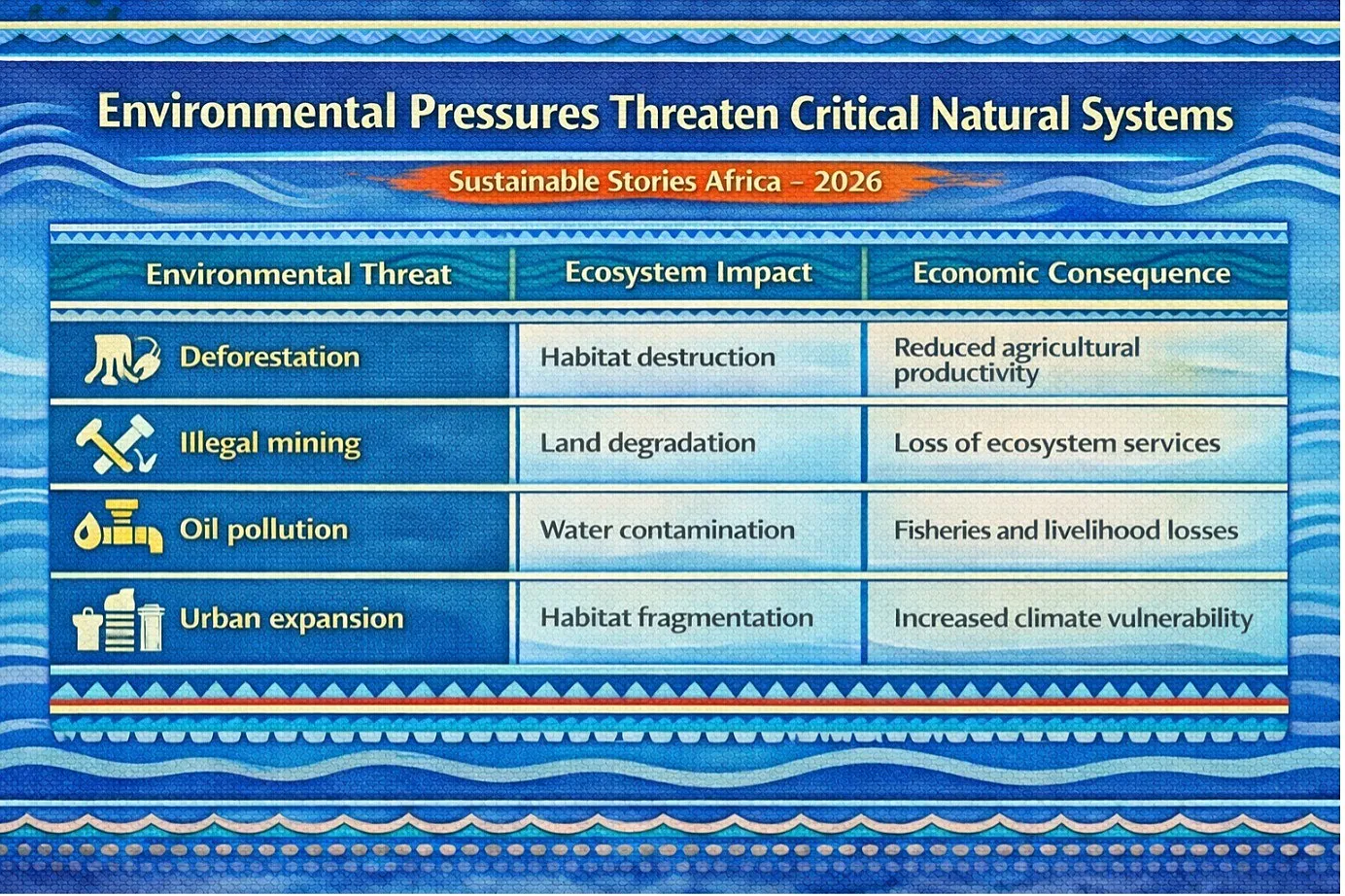
Environmental Pressures Threaten Critical Natural Systems
The fellowship documented multiple environmental threats, highlighting structural weaknesses in environmental protection, governance, and enforcement.
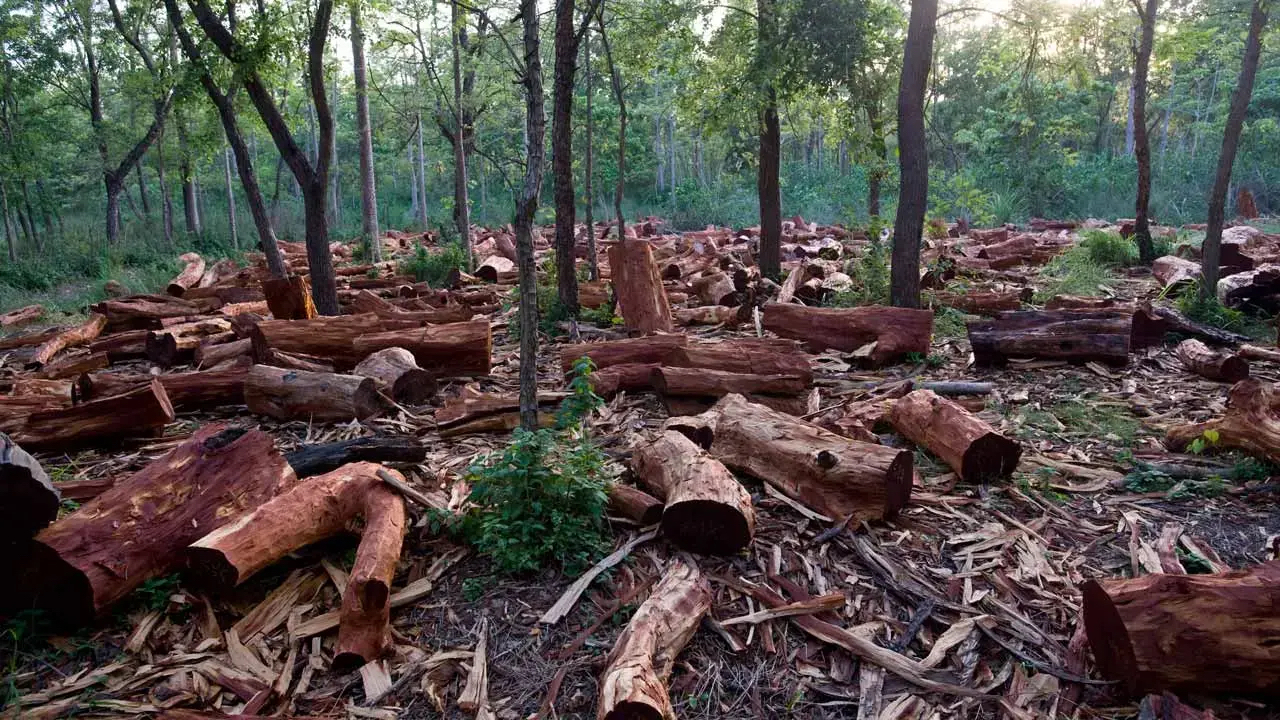
Deforestation, illegal mining, oil pollution, and infrastructure expansion are accelerating ecosystem destruction across Nigeria.
Environmental Threat | Ecosystem Impact | Economic Consequence |
|---|---|---|
Deforestation | Habitat destruction | Reduced agricultural productivity |
Illegal mining | Land degradation | Loss of ecosystem services |
Oil pollution | Water contamination | Fisheries and livelihood losses |
Urban expansion | Habitat fragmentation | Increased climate vulnerability |
Journalists documented degradation in forest reserves, wetlands, and coastal regions, highlighting how environmental decline directly affects communities dependent on natural ecosystems.
Weak enforcement of environmental regulations and limited conservation investment are exacerbating biodiversity loss.
Biodiversity Protection Strengthens Climate and Economic Resilience
Protecting biodiversity is essential for sustaining ecosystem services that support agriculture, water systems, climate regulation, and economic productivity.
Healthy ecosystems provide natural protection against climate shocks such as flooding, drought, and extreme weather events.
Biodiversity Benefit | Climate Impact | Economic Outcome |
|---|---|---|
Forest conservation | Carbon sequestration | Climate mitigation |
Wetland protection | Flood risk reduction | Infrastructure protection |
Ecosystem restoration | Improved soil quality | Agricultural productivity |
Wildlife conservation | Ecological balance | Sustainable tourism potential |
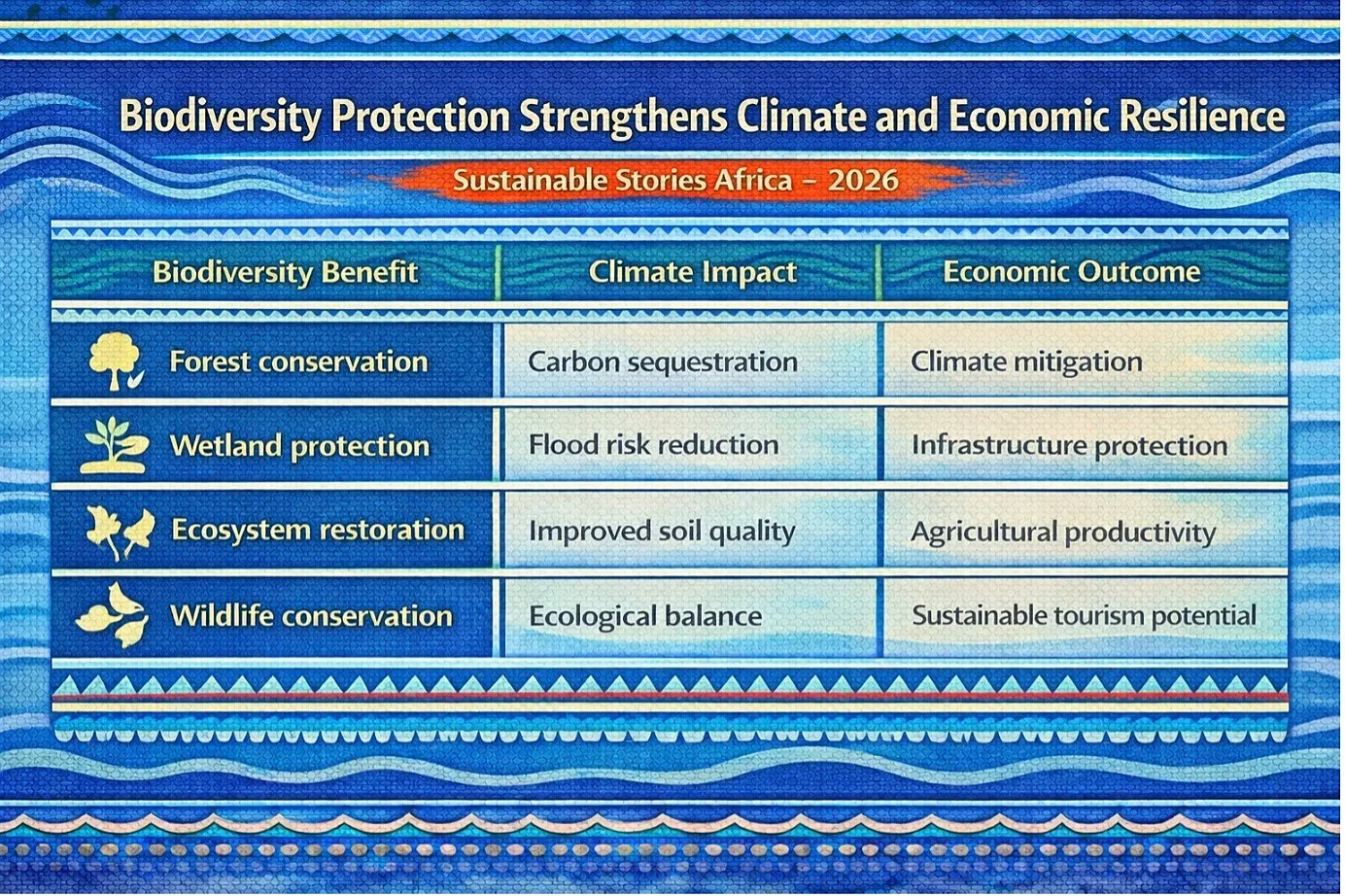
Investing in conservation can enhance Nigeria’s climate resilience while supporting sustainable economic development and protecting livelihoods.
Biodiversity preservation is increasingly recognised as a critical component of long-term national stability.
Conservation Investment and Policy Reform Urgently Needed
Experts emphasise the need for stronger environmental governance, increased conservation investment, and improved enforcement of environmental regulations.
Government agencies, private sector stakeholders, and civil society must collaborate to protect critical ecosystems and restore degraded environments.
Improved environmental monitoring, community engagement, and sustainable resource management practices are essential to reversing biodiversity loss.
Without urgent action, Nigeria risks losing ecosystems that underpin economic resilience and climate stability.
Protecting biodiversity is essential for Nigeria’s environmental and economic future.
Path Forward – Nigeria Must Prioritise Ecosystem Protection
Nigeria must strengthen conservation policies, enforce environmental regulations, and invest in ecosystem restoration to protect biodiversity.
Sustained action can strengthen climate resilience, support livelihoods, and ensure long-term environmental sustainability.