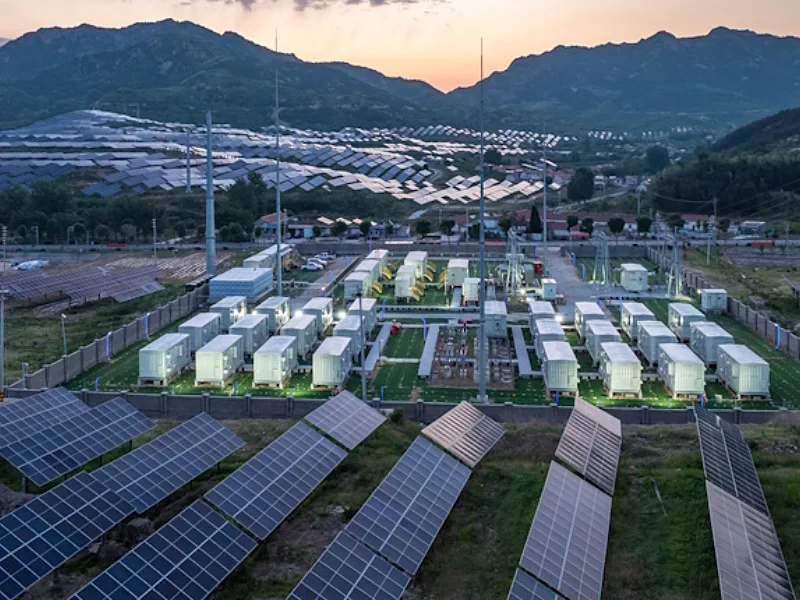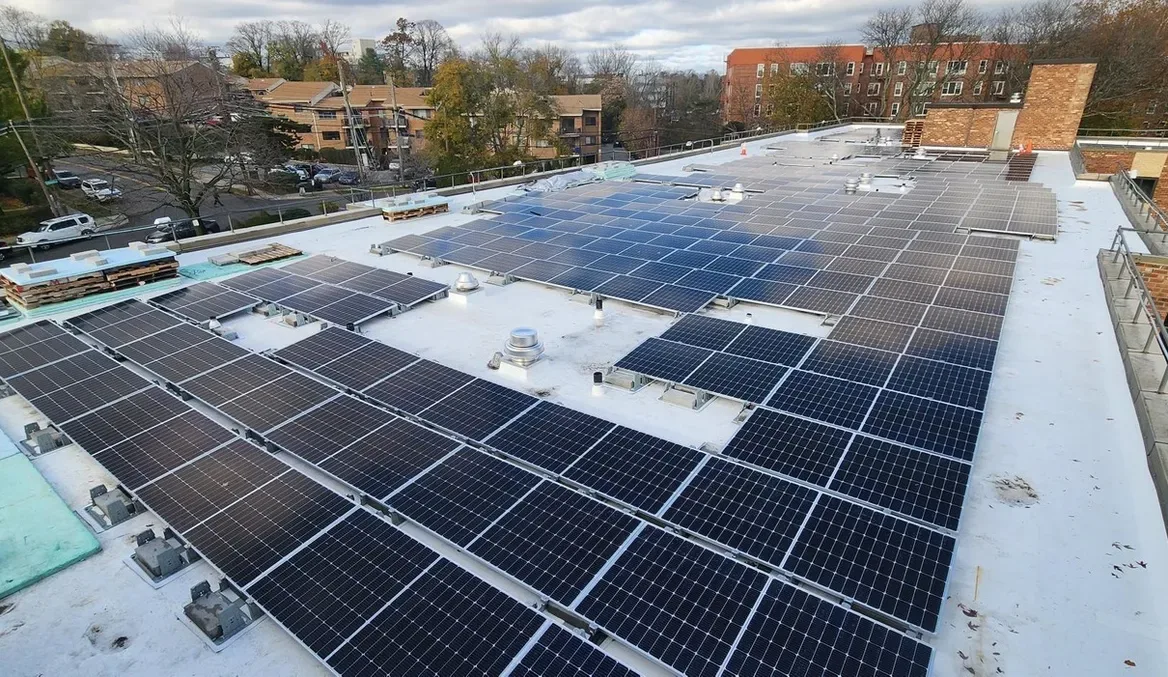
Despite strong public enthusiasm for solar panels, electric vehicles and other clean technologies, most consumers remain stuck at the “interested but unable to adopt” stage due to cost and practical barriers.
New GlobeScan-Chatham House data across 33 markets show especially intense demand in the Global South; however, affordability gaps and infrastructure deficits keep ownership stubbornly low.
In Europe and North America, cultural resistance compounds these hurdles, with significantly larger groups “not interested at all” in clean tech.
Demand outruns delivery on clean tech
A global survey shows high baseline interest in clean technologies such as rooftop solar and EVs, with many people already considering or planning purchases.
In emerging markets across Africa, the Middle East, Asia‑Pacific and Latin America, only about 10% of respondents say they have no interest in clean options, signalling a powerful wave of latent demand in the Global South.
However, this demand surge is not translating into widespread ownership. Instead, the research exposes a widening gap between aspiration and reality, where enthusiasm alone cannot overcome economic, infrastructure and behavioural constraints that shape everyday technology choices.
What the numbers really reveal
GlobeScan’s latest Insight of the Week, produced along with Chatham House, finds that roughly 33% of people globally are interested in clean technologies like solar panels or EVs but cannot afford them.
This affordability trap is particularly pronounced in emerging markets, where the appetite for clean solutions is high but access to finance, credit and viable price points lags.
Practicality is the second big brake on adoption. Respondents cite unreliable grids, complex installation processes, limited charging networks and concerns about performance and durability as reasons for delaying or abandoning purchases, highlighting that product innovation alone cannot compensate for weak enabling infrastructure.
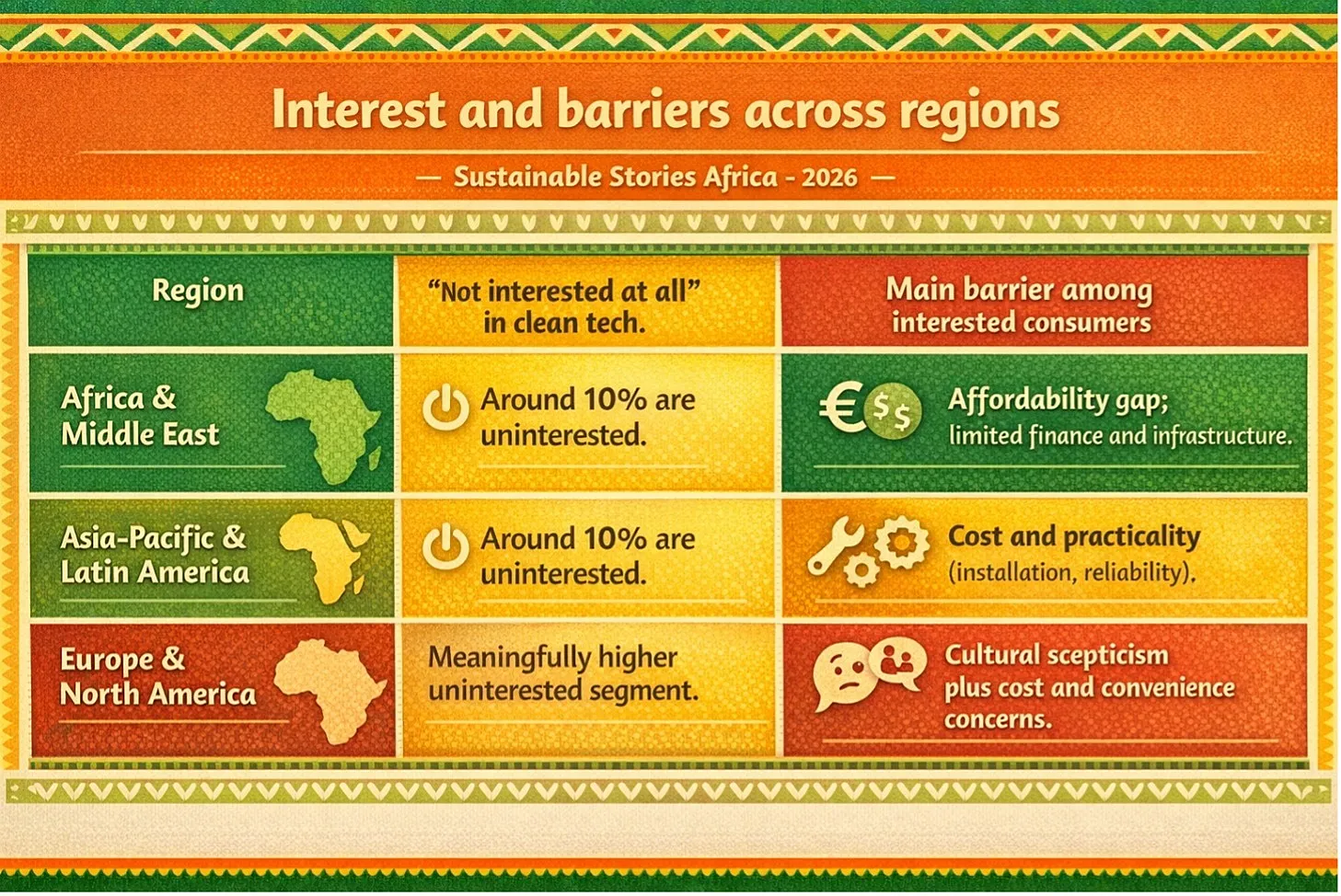
Interest and barriers across regions
| Region | “Not interested at all” in clean tech. | Main barrier among interested consumers. |
|---|---|---|
| Africa & Middle East | Around 10% are uninterested. | Affordability gap; limited finance and infrastructure. |
| Asia-Pacific & Latin America | Around 10% are uninterested. | Cost and practicality (installation, reliability). |
| Europe & North America | Meaningfully higher uninterested segment. | Cultural scepticism plus cost and convenience concerns. |
Turning latent interest into real uptake
The study highlights significant opportunities: when clean technologies become affordable, convenient and culturally familiar, many more households are ready to adopt them.
In markets where financing, infrastructure and consumer confidence align, adoption curves steepen, highlighting how quickly latent demand can convert into mainstream behaviour.
For businesses and policymakers, this is a call to design solutions that enable everyday realities, not just climate ambition.
Bundled service models, such as pay‑as‑you‑go solar, second‑hand EV markets and community‑level infrastructure, can reduce perceived risk and make clean technologies feel like practical upgrades rather than experimental luxuries.
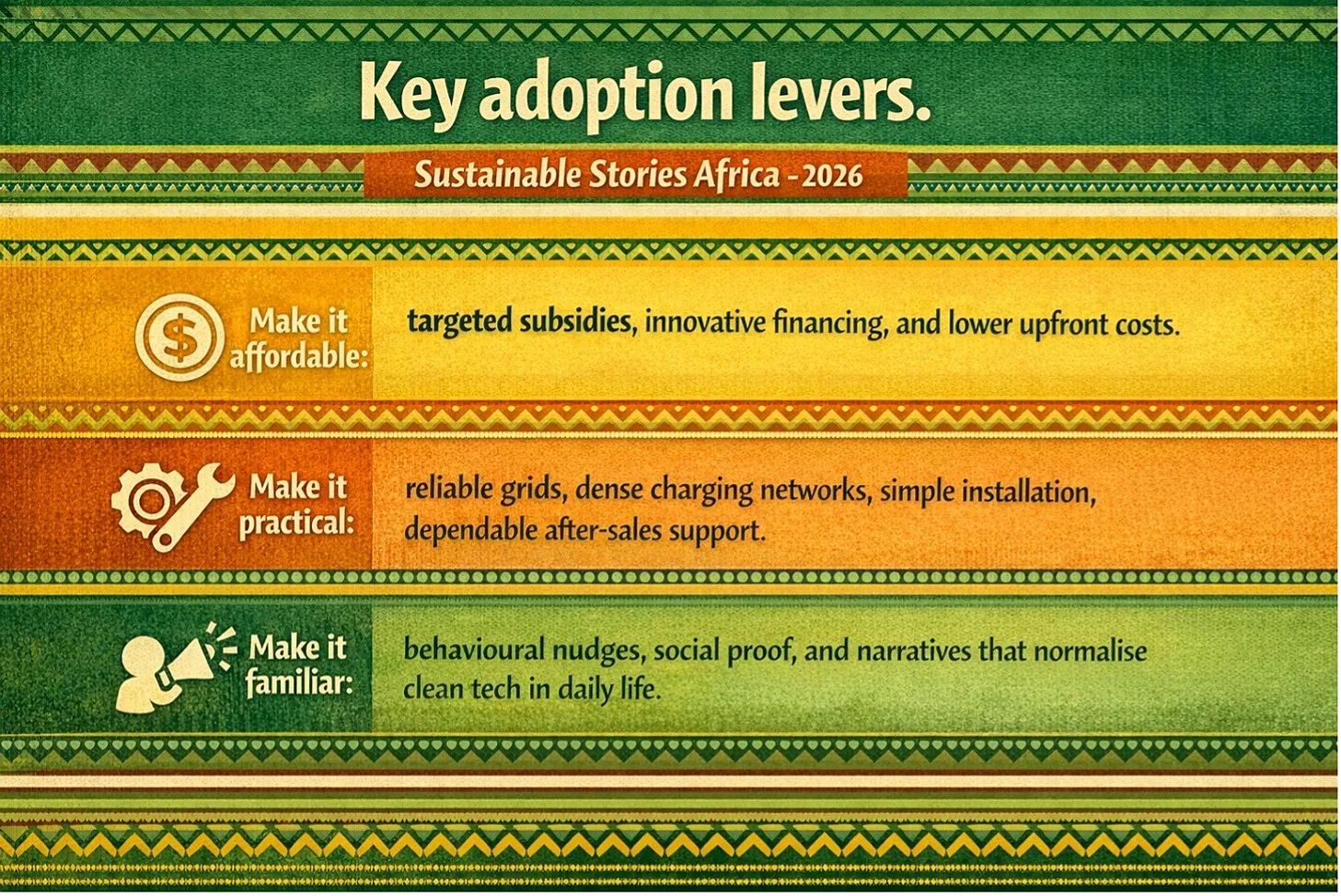
Key adoption levers
Closing the execution gap in green transition
GlobeScan’s analysis frames the current moment as an execution gap, not an interest gap, in the green transition.
To close these gaps, governments must align subsidies and regulations with consumer realities, shifting support from fossil fuels to targeted incentives that lower costs for lower‑income and middle‑income households.
Companies, meanwhile, are urged to design clean technologies that enhance usability and trust, including simple user journeys, transparent performance claims and business models that spread costs over time.
Civil society and financial institutions can help ensure that affordable, reliable, clean solutions reach the communities that want them most, especially across the Global South.
Path Forward – Making clean technologies everyone’s everyday choice
The research suggests that the fastest route to scaling clean technologies is not only better products, but better ecosystems that make adoption cheaper, easier and socially desirable for mainstream consumers.
If affordability, practicality and cultural readiness align, today’s strong global appetite could quickly evolve into mass ownership, especially in emerging markets.
Culled From: Strong Global Appetite for Clean Technologies, Yet Structural Barriers Limit Uptake