A new GlobeScan survey warns that “greenhushing”, brands going quiet on their sustainability work, is quietly eroding consumer trust worldwide.
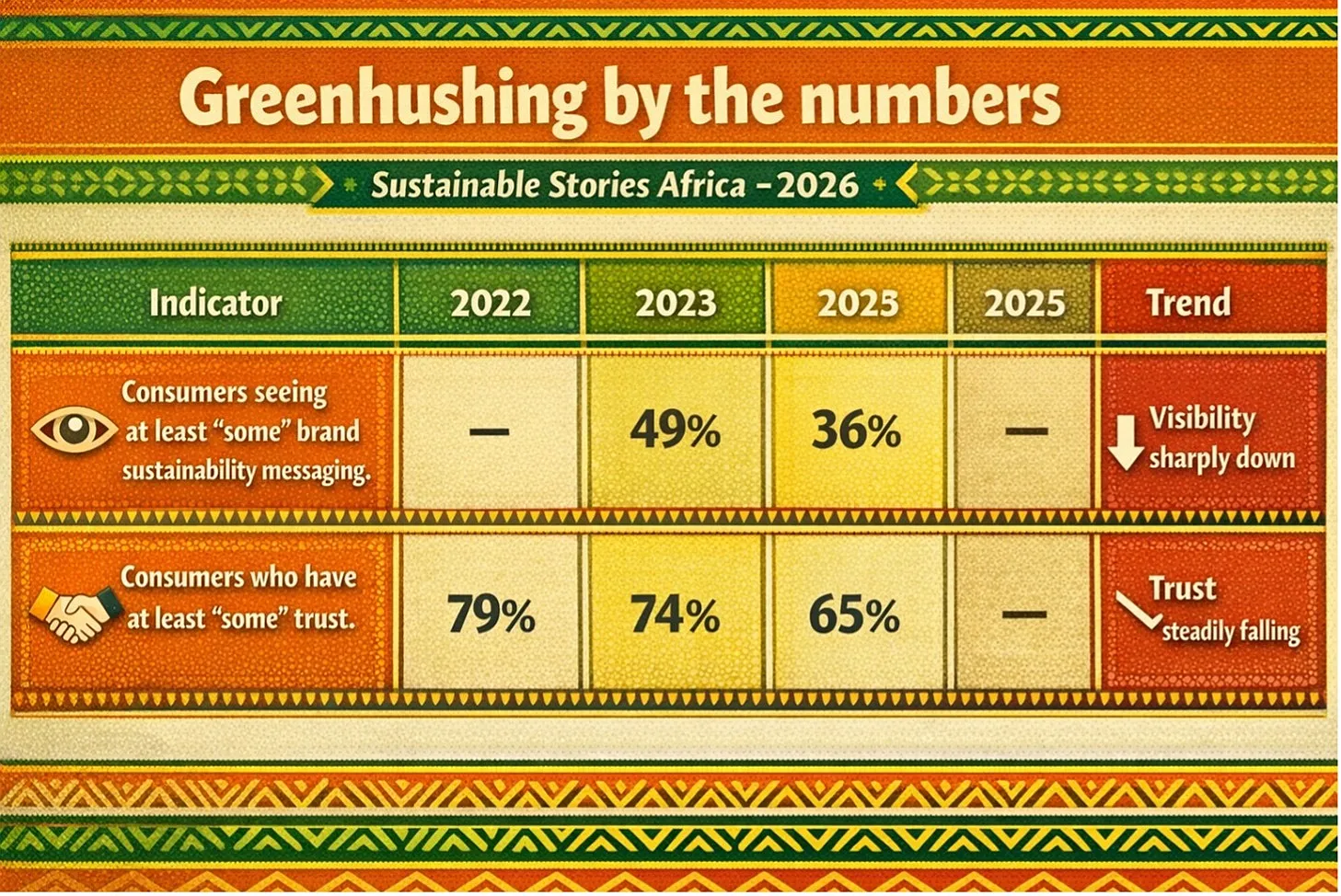
Only 36% of people now report seeing any sustainability messaging from brands, a 26.53% reduction from 49% in 2023.
Among those who do, only 65% say they have at least “some” trust in the claims, a q 17.72% decline from 79% in 2022.
Silence turns sustainability into a blind spot
GlobeScan’s research reveals a sharp decline in both the visibility and credibility of sustainability messaging across 31 markets and more than 30,000 consumers. As organisations dial down public communication on climate and social impact to avoid backlash, a pattern of “greenhushing” is emerging, where real work continues under the radar, but consumers are left in the dark.
Rather than calming “climate fatigue,” this silence is weakening engagement. Younger audiences, especially Gen Z, are now among the least reached and most sceptical, deepening a trust deficit at the very moment brands need their support for long‑term transitions.
What the survey tells brands and investors
GlobeScan’s 2025 data show that only a third of consumers see any sustainability messaging from brands, a 13 percentage point decline in two years.
Trust among those who do see such communications has also slipped 15 percentage points since 2022, reinforcing a sense that sustainability claims are either absent, vague or not credible enough to influence behaviour.
The decline is broad‑based: in eight major product categories, including cars, electronics, food, finance and personal care, both reach and trust are falling.
For companies that have invested heavily in net-zero roadmaps, supply‑chain reforms and product redesigns, this shrinking audience means less impact on purchasing decisions and weaker returns on ESG investments.
Greenhushing by the numbers
| Indicator | 2022 | 2023 | 2025 | Trend |
|---|---|---|---|---|
| Consumers seeing at least “some” brand sustainability messaging | – | 49% | 36% | Visibility sharply down |
| Consumers who have at least “some” trust | 79% | 74% | 65% | Trust steadily falling |
From defensive silence to credible storytelling
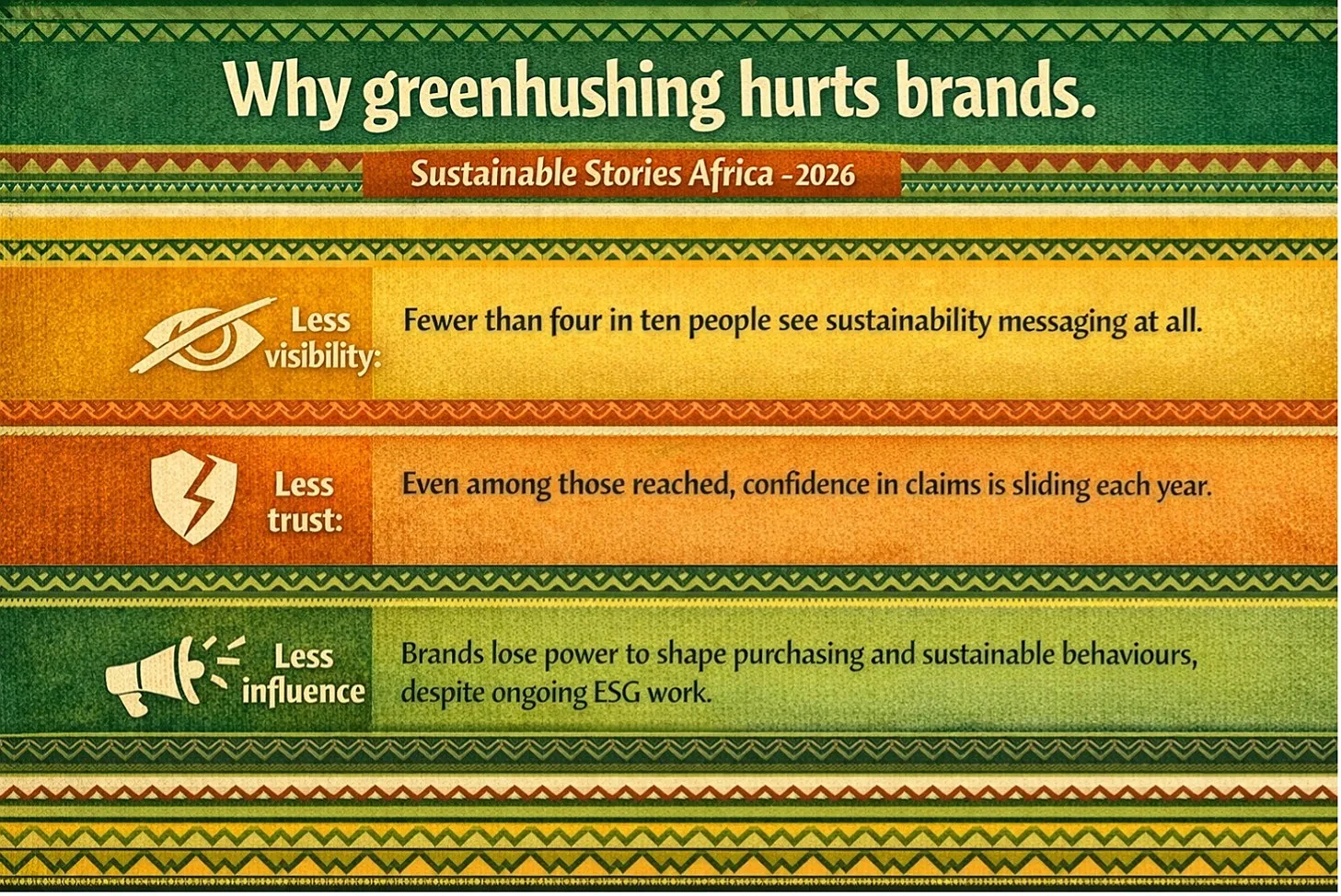
The analysis suggests that staying quiet is not a neutral risk‑management strategy; it actively undermines relevance and influence.
With consumer expectations around transparency still high and more than half of people in some markets willing to boycott companies caught greenwashing, brands need to replace vague slogans with specific, verifiable progress.
Experts point to three tiny ingredients of credible sustainability storytelling: concrete data, independent verification and human-level relevance.
When companies highlight trade-offs, admit to challenges and connect environmental benefits to everyday outcomes like health, savings or local jobs, sustainability communications shift from risky marketing to a trust-building asset.
Why greenhushing hurts brands
How to communicate without overpromising
GlobeScan urges organisations to rethink their sustainability communications rather than retreat from them.
Recommended priorities include maintaining a steady cadence of updates, focusing on specific initiatives rather than broad values, and backing claims with third‑party evidence and clear metrics.
Companies are also encouraged to segment their audiences more intelligently, using language and channels that resonate with younger, more sceptical consumers without diluting substance.
For boards and investors, the message is that governance over ESG reporting should extend to consumer-facing narratives, ensuring that silence does not quietly erode hard‑won progress.
Path Forward – Rebuilding credibility through visible honesty
The data show that greenhushing is weakening, not protecting consumer trust in sustainability, turning silence into a strategic liability for brands.
Reversing this trend will require visible, honest and personally meaningful communication that treats people as partners in the transition rather than passive audiences.
Culled From: How Greenhushing Is Eroding Consumer Trust in Sustainability Claims