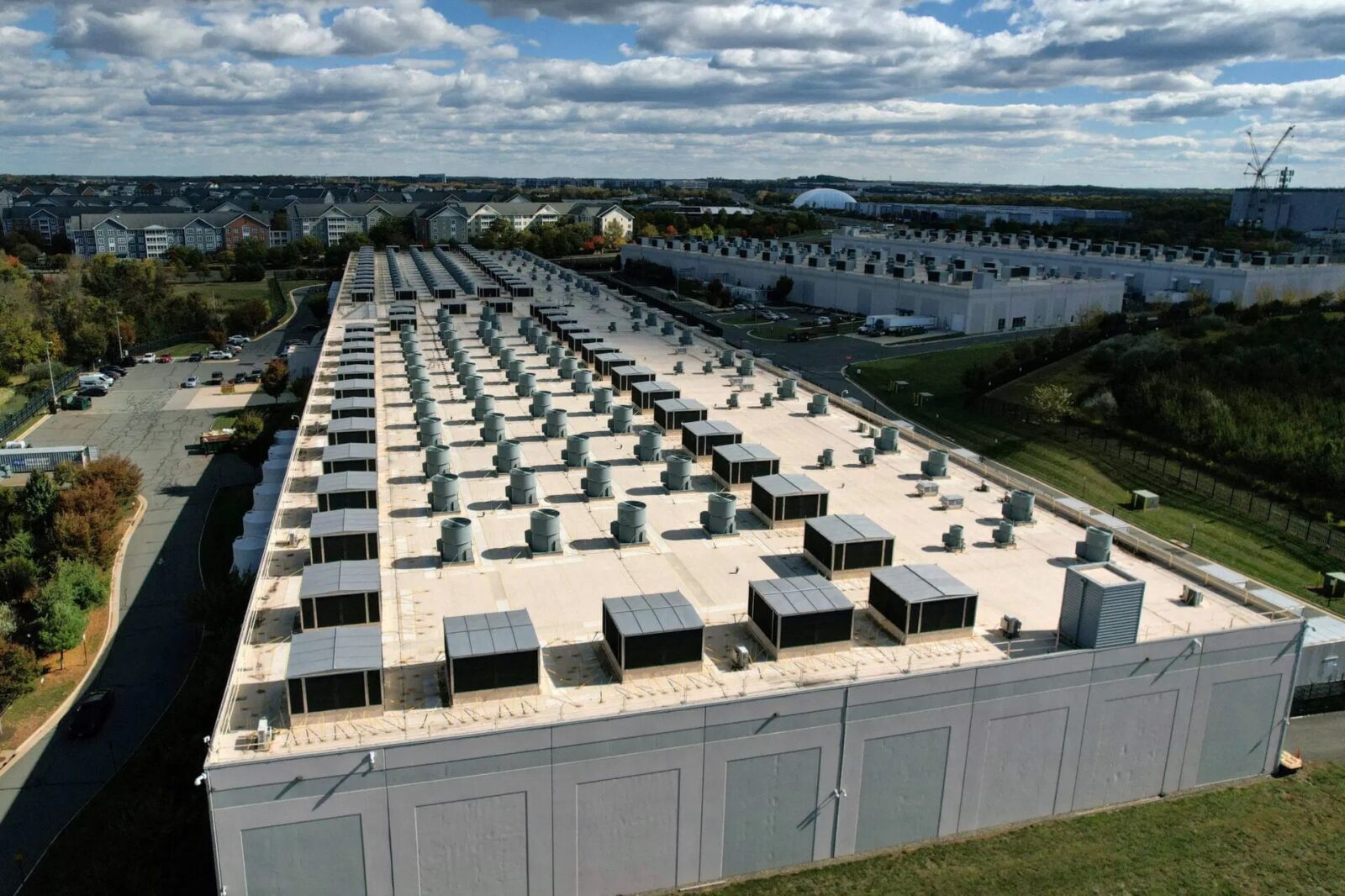
Rand Merchant Bank (RMB) and the Development Bank of Southern Africa (DBSA) are preparing a $122 million water conservation bond, signalling growing investor appetite for climate-resilient infrastructure across African economies.
The financing initiative aims to support water security projects and sustainable resource management, particularly in regions facing rising climate stress and infrastructure deficits.
Analysts say the bond reflects a broader shift toward thematic sustainable finance instruments designed to mobilise capital for critical environmental infrastructure across emerging markets.
African Water Infrastructure Financing Gap Widens
Rand Merchant Bank and the Development Bank of Southern Africa are collaborating on a $122 million water conservation bond, a financing instrument designed to accelerate investment into sustainable water infrastructure and climate-resilient resource management.
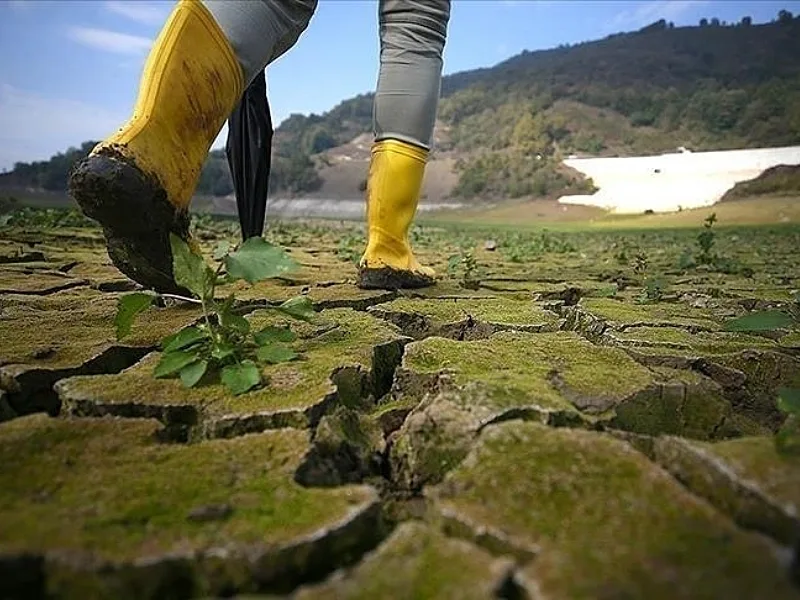
The initiative comes as African economies face mounting pressure on water systems due to urbanisation, climate change, and ageing infrastructure networks. Water scarcity is increasingly recognised as one of the continent’s most urgent development challenges.
Development finance institutions are therefore exploring new capital-market instruments, including green bonds, sustainability bonds and thematic environmental bonds, to mobilise funding for infrastructure that traditional public budgets cannot fully support.
Sustainable Bonds Gain Traction Across Africa
The proposed water conservation bond is part of a growing category of environmental thematic bonds that finance climate adaptation projects.
RMB is expected to play a structuring role in the bond issuance, while DBSA, one of Africa’s leading development finance institutions, will support project identification and funding allocation.
Water conservation projects financed under the bond may include:
- Water treatment infrastructure
- Wastewater recycling facilities
- Climate-resilient water distribution systems
- Water efficiency technologies
Financial institutions increasingly view these investments as dual-impact opportunities that combine infrastructure development with climate resilience.
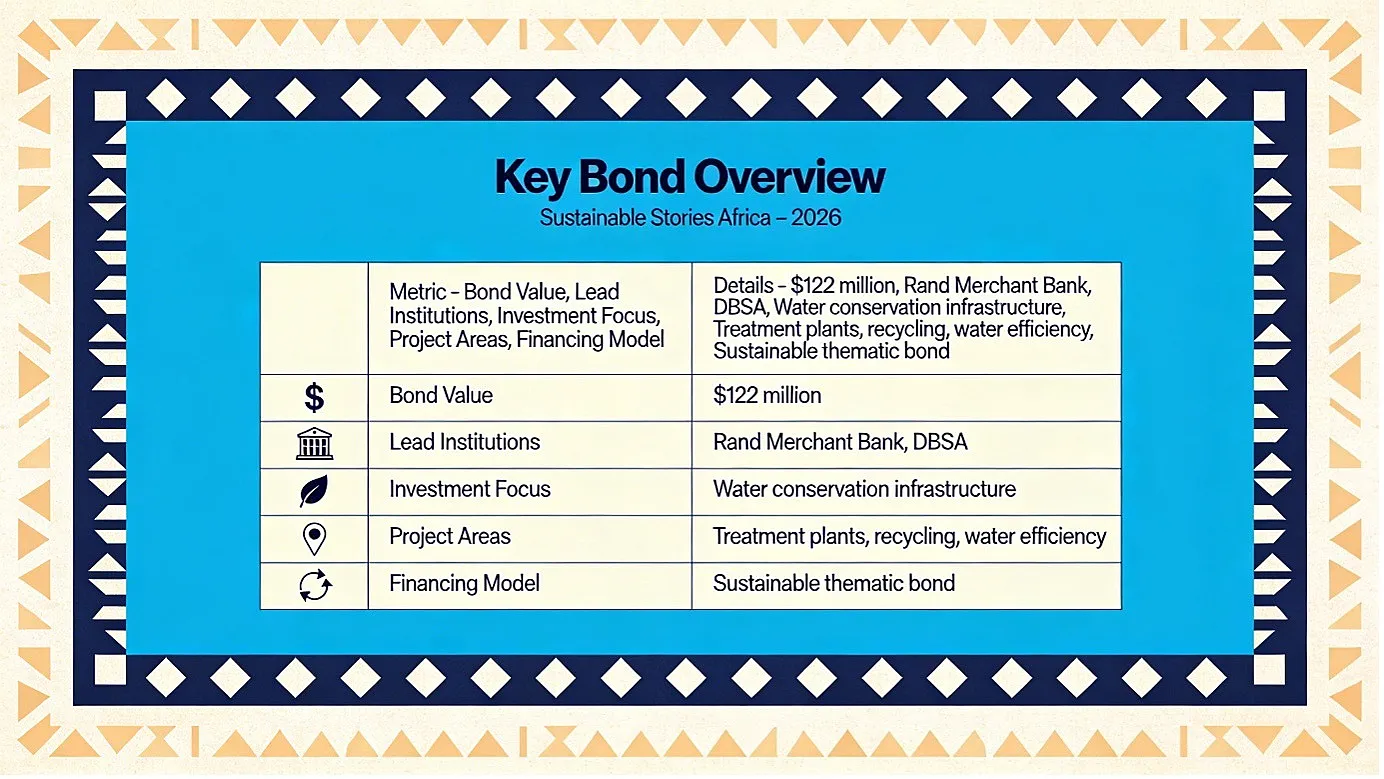
Key Bond Overview
Metric | Details |
|---|---|
Bond Value | $122 million |
Lead Institutions | Rand Merchant Bank, DBSA |
Investment Focus | Water conservation infrastructure |
Project Areas | Treatment plants, recycling, water efficiency |
Financing Model | Sustainable thematic bond |
Such instruments are becoming central to sustainable finance strategies across emerging markets, where infrastructure funding gaps remain large.
Water Security Becoming Critical Investment Priority
Across Africa, water infrastructure investment needs are growing rapidly as climate variability and population growth affect supply systems.
According to global development finance estimates, billions of dollars annually are required to maintain and expand water infrastructure across the continent.
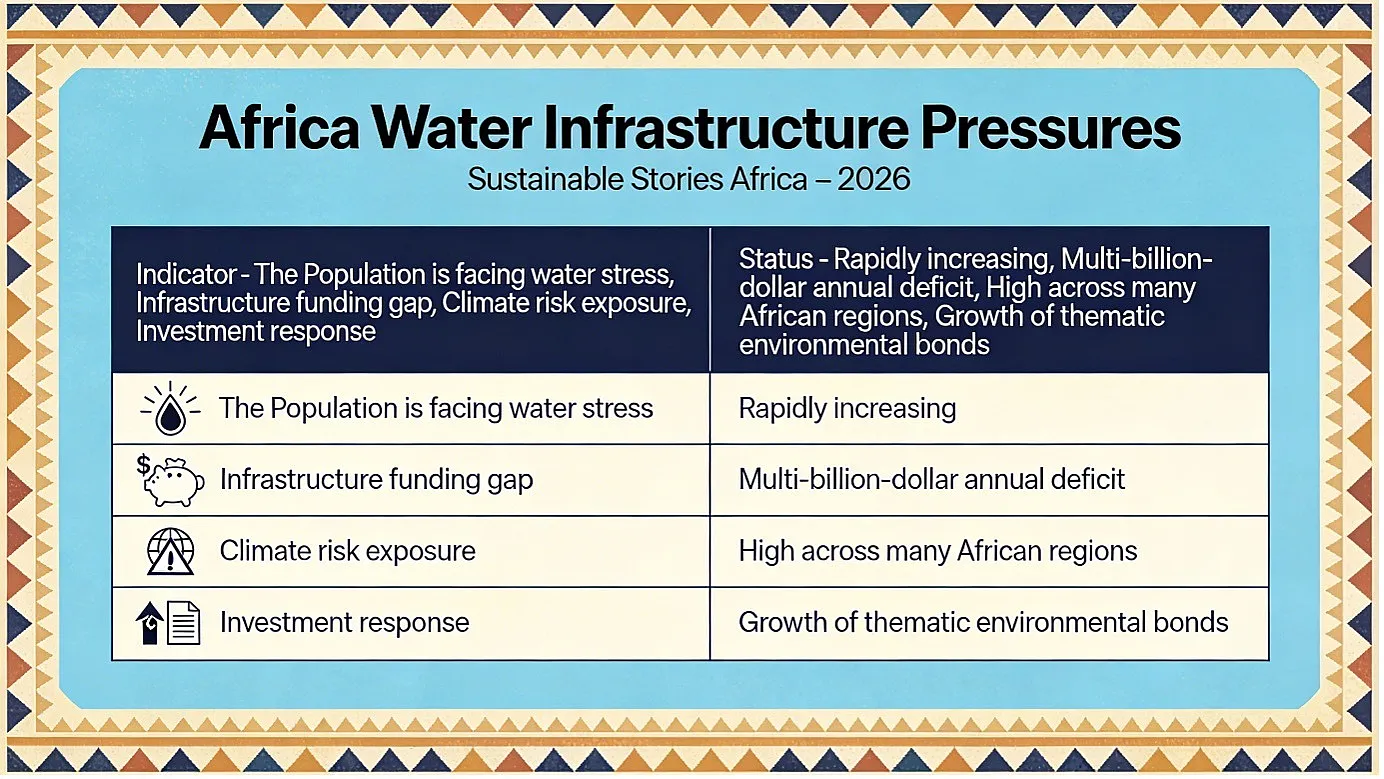
Africa Water Infrastructure Pressures
Indicator | Status |
|---|---|
The Population is facing water stress | Rapidly increasing |
Infrastructure funding gap | Multi-billion-dollar annual deficit |
Climate risk exposure | High across many African regions |
Investment response | Growth of thematic environmental bonds |
The bond initiative by RMB and DBSA reflects a shift in capital markets: investors are increasingly allocating funds toward climate adaptation infrastructure, not just mitigation projects such as renewable energy.
Water systems are particularly critical because they intersect with food security, public health, urban resilience, and economic productivity.
Development Finance Catalysing Climate Infrastructure
Development finance institutions like DBSA are playing a growing role in structuring sustainable investment opportunities that can attract private capital into infrastructure projects.
By combining development expertise with capital-market financing tools, institutions can help de-risk projects and improve investor confidence.
For African governments and municipal authorities, partnerships with development banks and commercial lenders may therefore become a central pathway for financing climate-resilient infrastructure.
Investors are increasingly viewing sustainable bonds as credible instruments for long-term infrastructure funding, particularly when projects generate measurable environmental benefits.
Path Forward – Water Security Financing Requires Blended Capital
The RMB-DBSA water conservation bond reflects an emerging trend in sustainable finance: leveraging capital markets to address climate adaptation infrastructure gaps across emerging economies.
As climate risks intensify, governments, development finance institutions, and private investors will need to expand blended finance mechanisms to mobilise large-scale capital for water security and resilient infrastructure systems.
Culled From: Rand Merchant Bank And Development Bank of Southern Africa Prepare $122 Million Water Conservation Bond