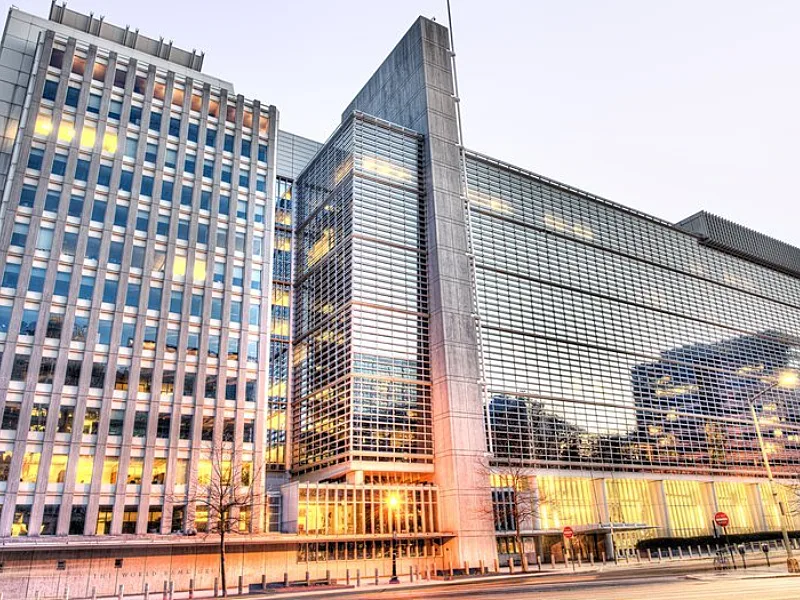
The United Nations has reaffirmed its commitment to supporting Nigeria’s energy transition, signalling deeper collaboration to accelerate clean energy deployment and climate resilience.
Officials say the partnership will focus on mobilising climate finance, strengthening policy frameworks and expanding renewable energy infrastructure across Africa’s largest economy.
The move comes as Nigeria seeks to balance energy security, economic growth and decarbonisation while attracting global investment into its rapidly evolving clean-energy sector.
Global Climate Commitments Meet Nigeria’s Energy Realities
The United Nations has reaffirmed its commitment to supporting Nigeria’s transition toward cleaner energy systems, signalling stronger collaboration as Africa’s largest economy navigates the complex path between development and decarbonisation.
Speaking during engagements with Nigerian energy stakeholders, UN officials emphasised that the country’s energy transition strategy is one of the most consequential climate and development efforts on the continent.
Nigeria faces the dual challenge of expanding electricity access for more than 200 million citizens while reducing long-term carbon emissions.
Nigeria’s Energy Transition Plan (ETP) aims to achieve net-zero emissions by 2060, while simultaneously expanding electricity generation, reducing energy poverty and attracting climate investment.
The plan estimates that over $400 billion may be required by 2060 to implement the transition strategy.
UN representatives noted that international cooperation will be essential in mobilising finance, deploying clean technologies and strengthening institutional capacity.
Financing And Technology Key To Energy Transition
The UN’s renewed support centres on helping Nigeria unlock the financing and technological partnerships required to implement its ambitious transition roadmap.
Energy analysts note that Nigeria’s energy system still relies heavily on fossil fuels, particularly natural gas, which remains central to the country’s short to medium-term transition strategy.
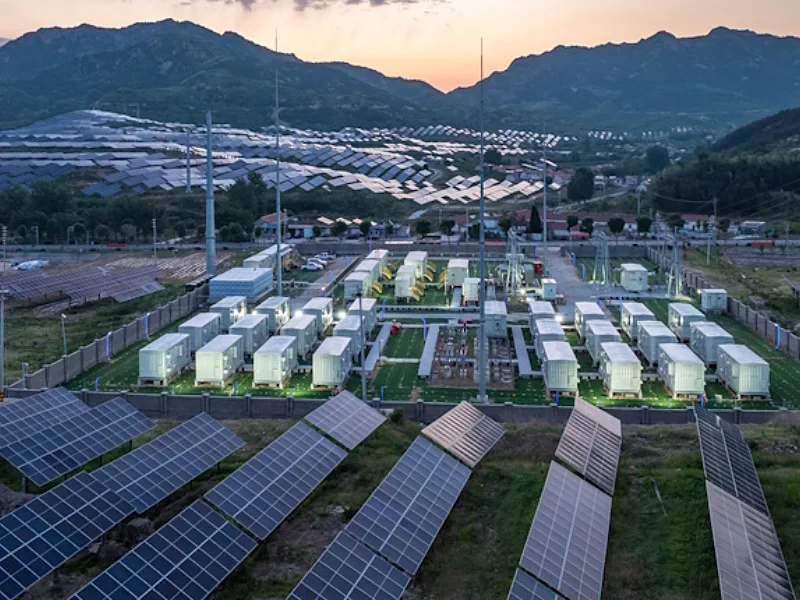
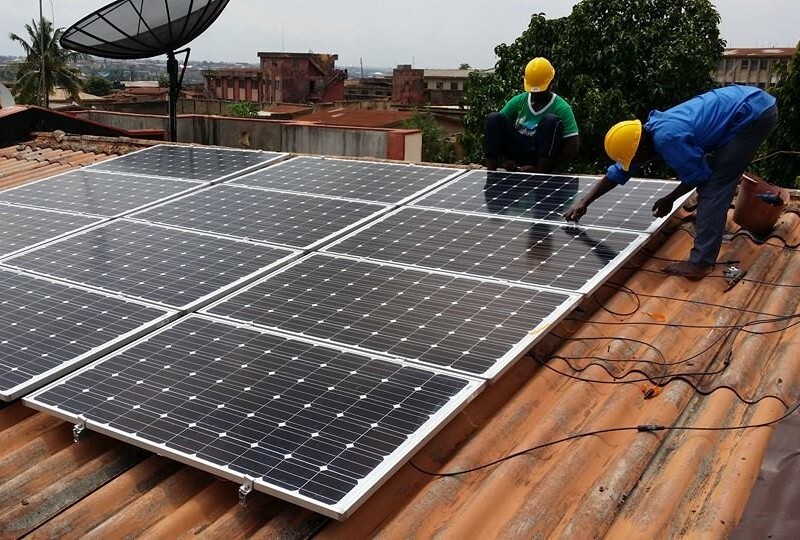
The country is simultaneously pursuing large-scale renewable energy deployment, including solar, mini-grids and energy-efficiency initiatives.
Officials emphasised that Nigeria’s approach reflects a “just energy transition”, ensuring that economic growth and industrial development are not compromised while reducing emissions.
“Developing countries must be supported with finance, technology and policy cooperation to ensure their transition is inclusive and sustainable,” UN representatives noted during discussions.
The UN also highlighted the importance of strengthening policy alignment, improving regulatory frameworks and expanding public-private partnerships to attract long-term investment into Nigeria’s energy sector.
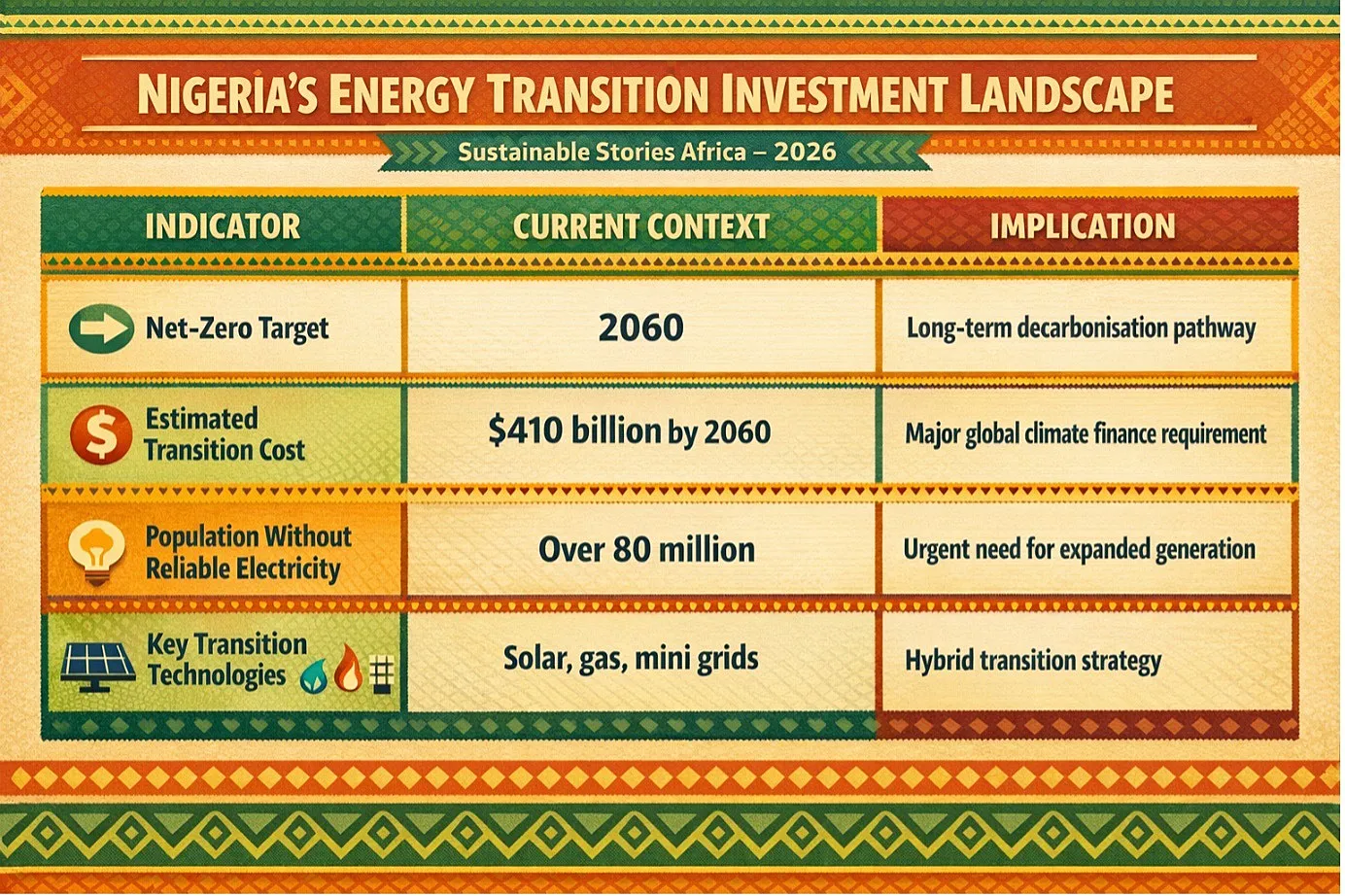
Nigeria’s Energy Transition Investment Landscape
Indicator | Current Context | Implication |
|---|---|---|
Net-Zero Target | 2060 | Long-term decarbonisation pathway |
Estimated Transition Cost | $410 billion by 2060 | Major global climate finance requirement |
Population Without Reliable Electricity | Over 80 million | Urgent need for expanded generation |
Key Transition Technologies | Solar, gas, mini grids | Hybrid transition strategy |
Global Partnerships Accelerate Africa’s Clean Energy Growth
The UN’s reaffirmed commitment underscores a broader shift in global climate diplomacy, where international institutions are increasingly prioritising partnerships with emerging economies to deliver practical energy transition outcomes.
For Nigeria, this means expanding investments in renewable energy, strengthening energy infrastructure and developing policies to attract international capital. Climate finance mechanisms, blended financing structures and development-bank partnerships will play a critical role.
Industry experts argue that Nigeria’s success could serve as a blueprint for other African economies, balancing growth, electrification and climate responsibility.
The UN also emphasised that energy transition policies must prioritise energy access, affordability and economic resilience, particularly in countries where electricity shortages continue to constrain development.
Path Forward – Stronger Institutions Needed For Transition Delivery
Nigeria’s energy transition will depend on sustained international partnerships, stronger regulatory institutions and the mobilisation of large-scale climate finance to support renewable energy expansion and grid infrastructure development.
Policymakers and development partners are expected to focus on investment frameworks, technology transfer, and inclusive energy access, ensuring the transition simultaneously drives economic growth, job creation and long-term climate resilience.
Culled From: https://von.gov.ng/un-reaffirms-committment-to-support-nigerias-energy-transition/