Mountains of urban waste are increasingly being viewed not as an environmental burden but as a potential energy resource.
Across Asia, Europe and emerging economies, governments are turning to waste-to-energy plants to reduce landfill pressure and generate electricity.
The approach promises cleaner cities and new power sources, but it also raises debates over costs, emissions and waste management priorities.
As waste volumes grow alongside urban populations, policymakers are reconsidering how trash fits into future energy systems.
Cities Confront Waste And Power Crisis
Cities are rapidly converting to waste-to-energy technologies as landfill sites reach capacity and electricity demand continues to rise.
The approach converts municipal waste into electricity or heat, offering what policymakers increasingly describe as a “dual-solution infrastructure” to tackle two escalating urban challenges simultaneously.
According to industry estimates, global municipal waste generation could exceed 3.8 billion tonnes annually by 2050, driven largely by urbanisation and consumption growth.
At the same time, electricity demand in many emerging economies is developing grid capacity, leaving governments searching for alternative energy sources.
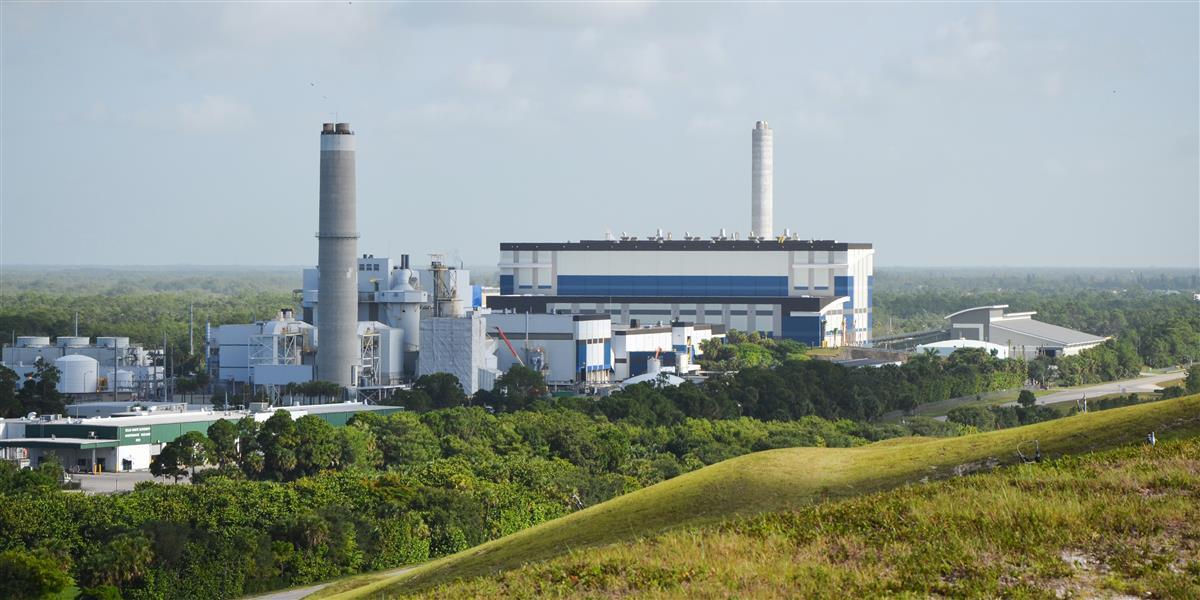
Waste-to-energy plants incinerate municipal waste under controlled conditions, generating steam that drives turbines to produce electricity.
Countries including China, Japan, Denmark and Sweden have already integrated such plants into their urban infrastructure, while new projects are emerging in Southeast Asia, Africa and Latin America.
Supporters argue the technology helps reduce landfill use, capture energy from waste and limit methane emissions that would otherwise escape from dumpsites.
Technology Expands As Waste Volumes Surge
The expansion of waste-to-energy infrastructure reflects a structural shift in how cities view waste management.
Rather than treating garbage purely as a disposal problem, policymakers increasingly see it as a potential energy input.
China currently operates hundreds of waste-to-energy plants, while European countries have built advanced facilities that combine waste processing with district heating networks.
Emerging economies are also exploring the model as waste collection improves and urban populations expand.
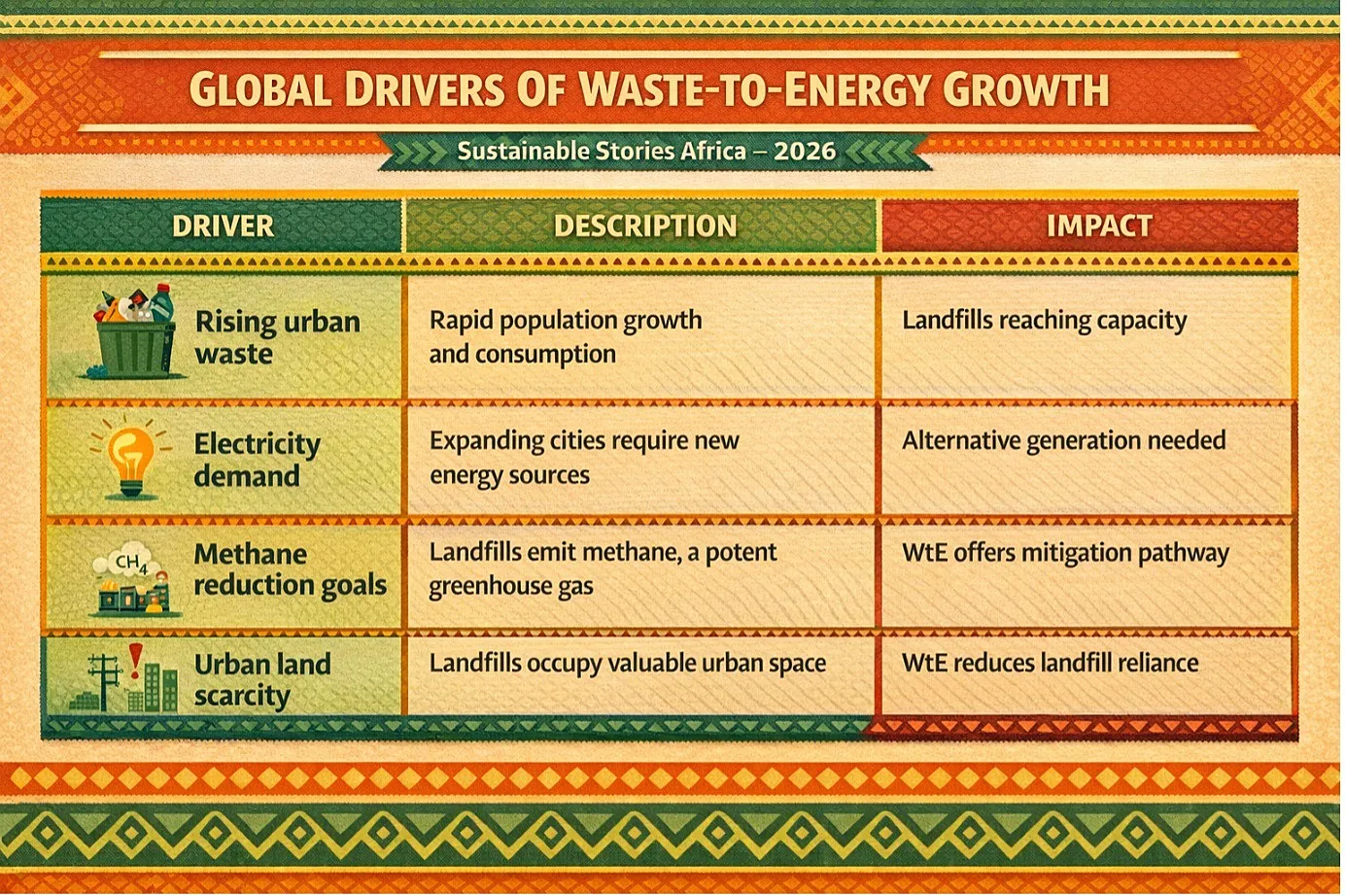
Global Drivers Of Waste-to-Energy Growth
Driver | Description | Impact |
|---|---|---|
Rising urban waste | Rapid population growth and consumption | Landfills reaching capacity |
Electricity demand | Expanding cities require new energy sources | Alternative generation needed |
Methane reduction goals | Landfills emit methane, a potent greenhouse gas | WtE offers a mitigation pathway |
Urban land scarcity | Landfills occupy valuable urban space | WtE reduces landfill reliance |
Waste-to-energy plants include advanced filtration systems designed to limit air pollution and capture harmful emissions.
However, environmental groups warn that incineration could discourage recycling if not managed carefully.
Experts say policy design remains critical.
“Waste-to-energy works best when it sits within a broader circular economy strategy that prioritises recycling first,” analysts say.
Turning Waste Into Strategic Infrastructure
For cities facing mounting waste management costs, waste-to-energy projects offer potential financial and environmental benefits.
A single large facility can process hundreds of thousands of tonnes of municipal waste annually, reducing the demand for landfills, and producing electricity capable of powering tens of thousands of homes.
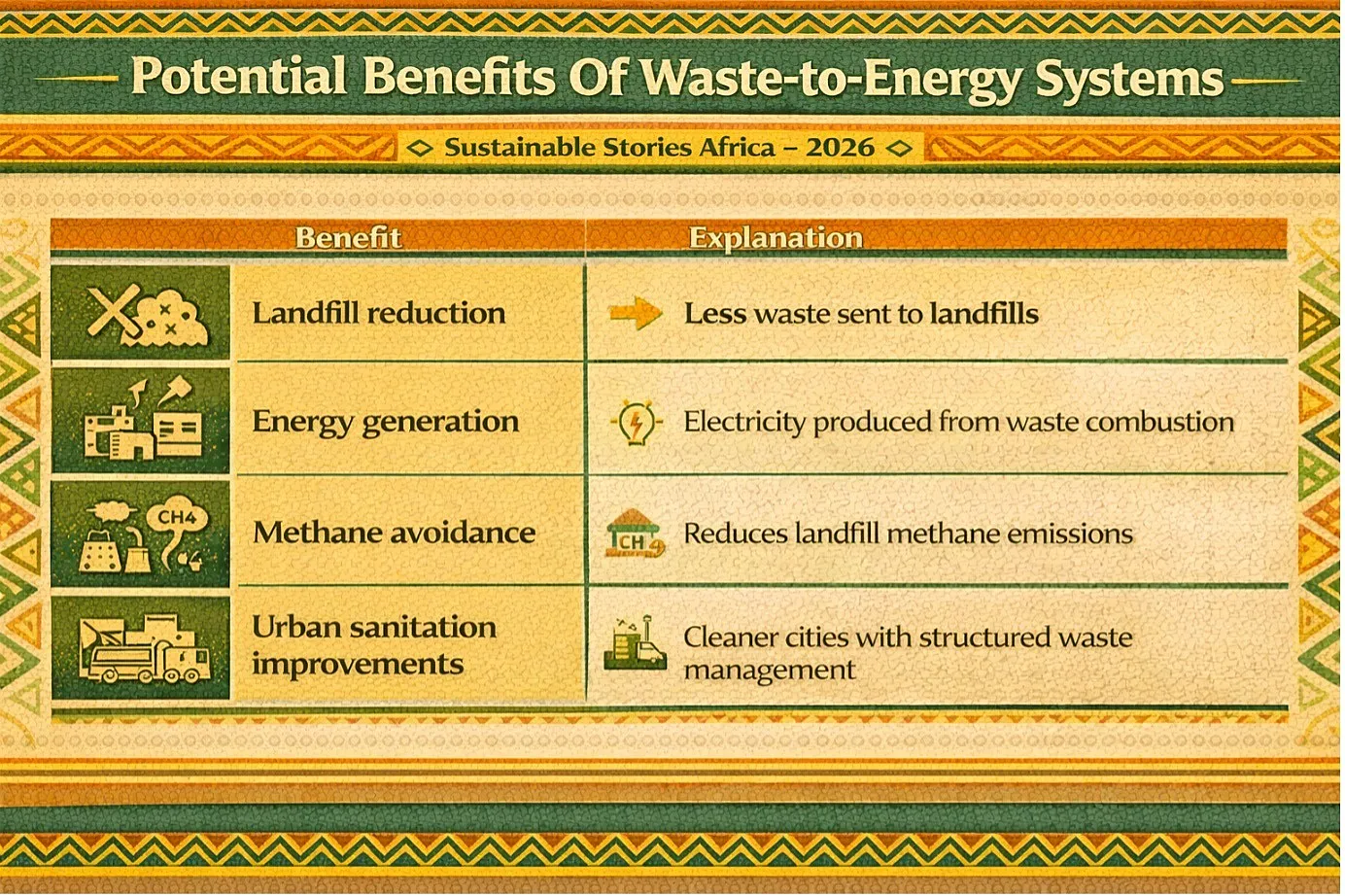
Potential Benefits Of Waste-to-Energy Systems
Benefit | Explanation |
|---|---|
Landfill reduction | Less waste sent to landfills |
Energy generation | Electricity produced from waste combustion |
Methane avoidance | Reduces landfill methane emissions |
Urban sanitation improvements | Cleaner cities with structured waste management |
Municipal authorities increasingly view such plants as long-term infrastructure investments that combine environmental management with energy production.
However, critics argue that high construction costs, financing complexity and environmental concerns must be addressed before large-scale deployment.
In developing countries, challenges also include waste segregation, stable feedstock supply and public acceptance.
Policymakers Seek Balanced Waste Solutions
Governments and development agencies are now exploring policy frameworks that integrate waste-to-energy projects with broader urban sustainability strategies.
The next phase will depend on improving recycling systems, strengthening environmental standards and ensuring that waste-to-energy facilities complement rather than replace circular economy initiatives.
Cities such as Singapore, Copenhagen and Shenzhen demonstrate how integrated systems can combine recycling, waste-to-energy and landfill reduction into a coordinated urban waste strategy.
For rapidly growing cities across Africa and Asia, similar models could offer pathways to cleaner streets and more resilient electricity systems.
Path Forward – Integrated Waste And Energy Systems
Waste-to-energy projects are likely to expand as urban waste volumes rise and electricity demand accelerates. Policymakers increasingly view the technology as part of broader circular economy frameworks rather than a standalone solution.
Future strategies will prioritise waste reduction, recycling and cleaner energy generation while deploying waste-to-energy facilities where landfill pressure and power shortages intersect.
Culled From: Waste-to-energy grows as waste and power pressures rise