African scientists are calling for the development and implementation of homegrown climate models to improve forecasting, early warning systems and climate attribution across the continent.
Current global models often lack the spatial resolution needed to capture Africa’s complex weather systems.
Without locally calibrated tools, policymakers risk planning in the blind in one of the world’s most climate-vulnerable regions.
African Scientists Push for Continent-Built Climate Models to Strengthen Forecasting
African climate researchers are urging governments and development partners to invest in Africa-made climate models, arguing that global forecasting systems do not adequately capture the continent’s unique weather dynamics.
According to recent reporting by Down To Earth, scientists say improved regional modelling capacity is essential for accurate early warning systems, disaster preparedness and climate attribution.
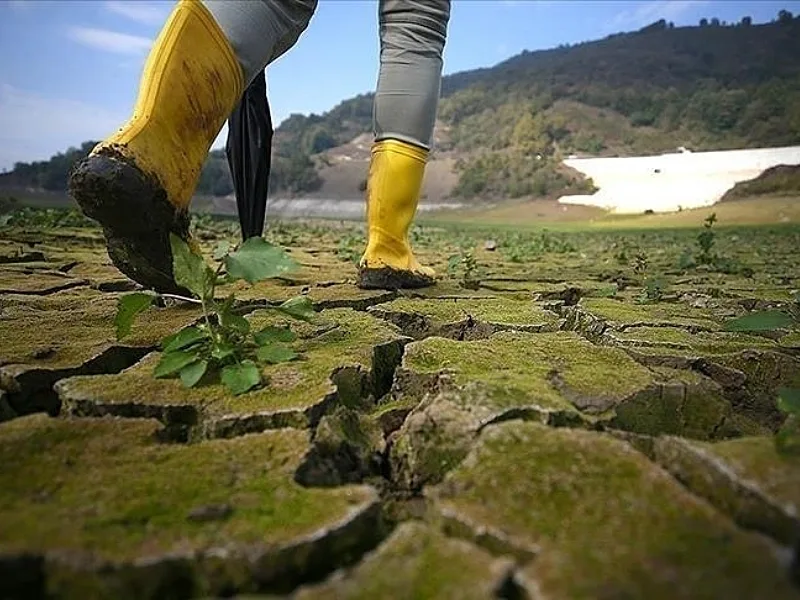
Africa is facing increased exposure to droughts, floods and extreme heat. However, many forecasting systems rely on global models developed outside the continent, often with coarse resolution that limits precision at local levels.
The call for continent-built models reflects growing recognition that climate resilience depends not only on infrastructure but also on data sovereignty and scientific capacity.
Forecasting Gaps Threaten Climate Preparedness
Africa accounts for a small fraction of global greenhouse gas emissions but remains disproportionately vulnerable to climate impacts. Extreme weather events are intensifying, from prolonged droughts in the Horn of Africa to destructive floods in West and Southern Africa.
Scientists warn that without high-resolution, locally validated climate models, early warning systems may lack the accuracy needed for timely interventions.
Forecasting gaps are increasingly viewed as economic risks, not just scientific limitations.
Why Localised Climate Models Matter
Global climate models often operate at spatial resolutions that are too broad to capture Africa’s microclimates, complex coastlines and regional rainfall variability. Researchers argue that continent-specific models can improve three critical functions: forecasting, attribution and adaptation planning.
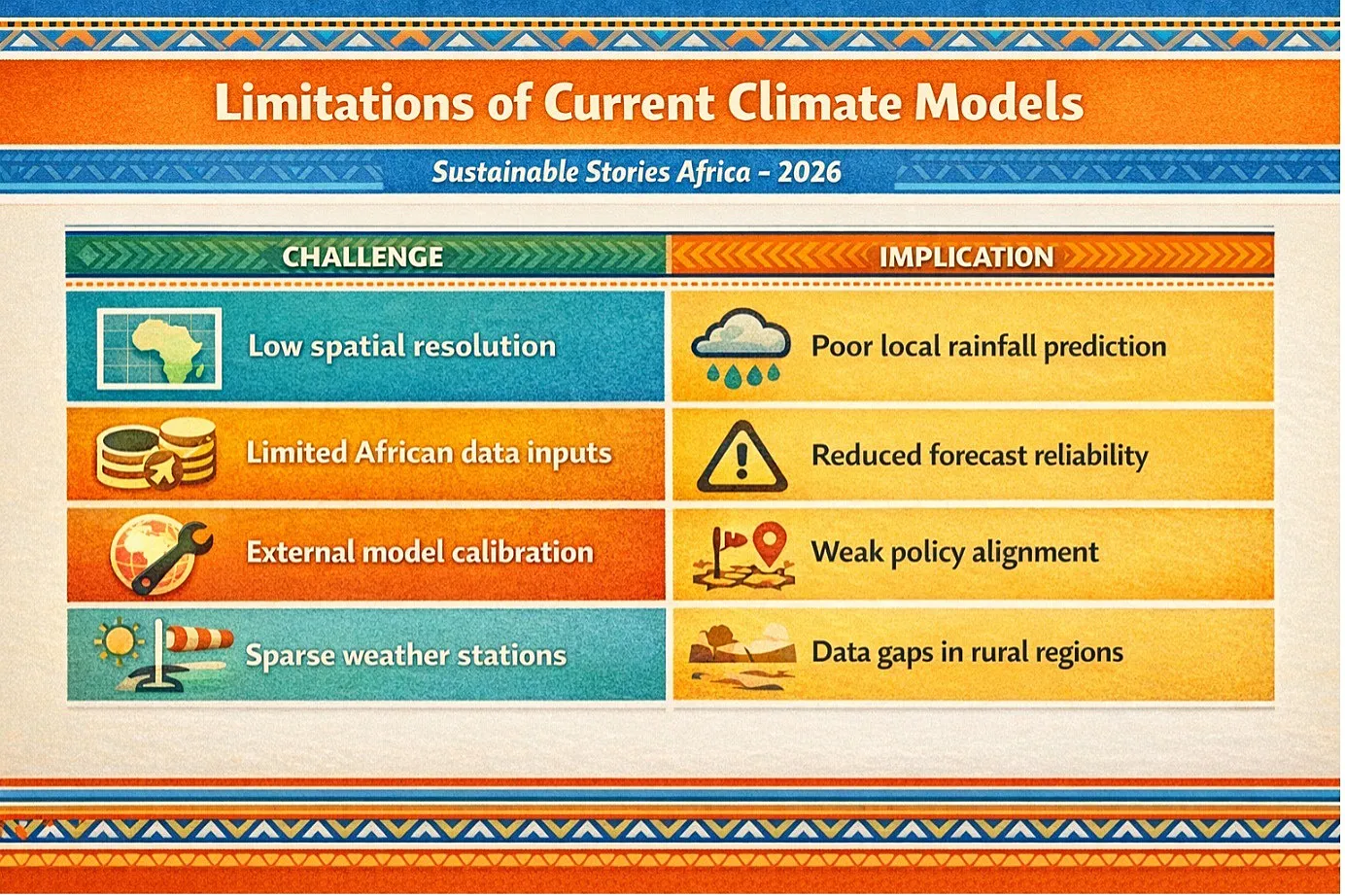
Limitations of Current Climate Models
Challenge | Implication |
|---|---|
Low spatial resolution | Poor local rainfall prediction |
Limited African data inputs | Reduced forecast reliability |
External model calibration | Weak policy alignment |
Sparse weather stations | Data gaps in rural regions |
Improved modelling would enhance early warning systems, enabling governments to anticipate floods or droughts with greater confidence. It would also strengthen climate attribution studies, enabling us to identify whether specific extreme events are linked to global warming trends.
This capability is increasingly important for accessing international climate finance, where evidence-based attribution supports funding claims.
Scientific Capacity as Resilience Lever
Investing in African modelling infrastructure could yield substantial dividends.
Accurate forecasts reduce disaster response costs and protect agricultural output, which remains central to many African economies.
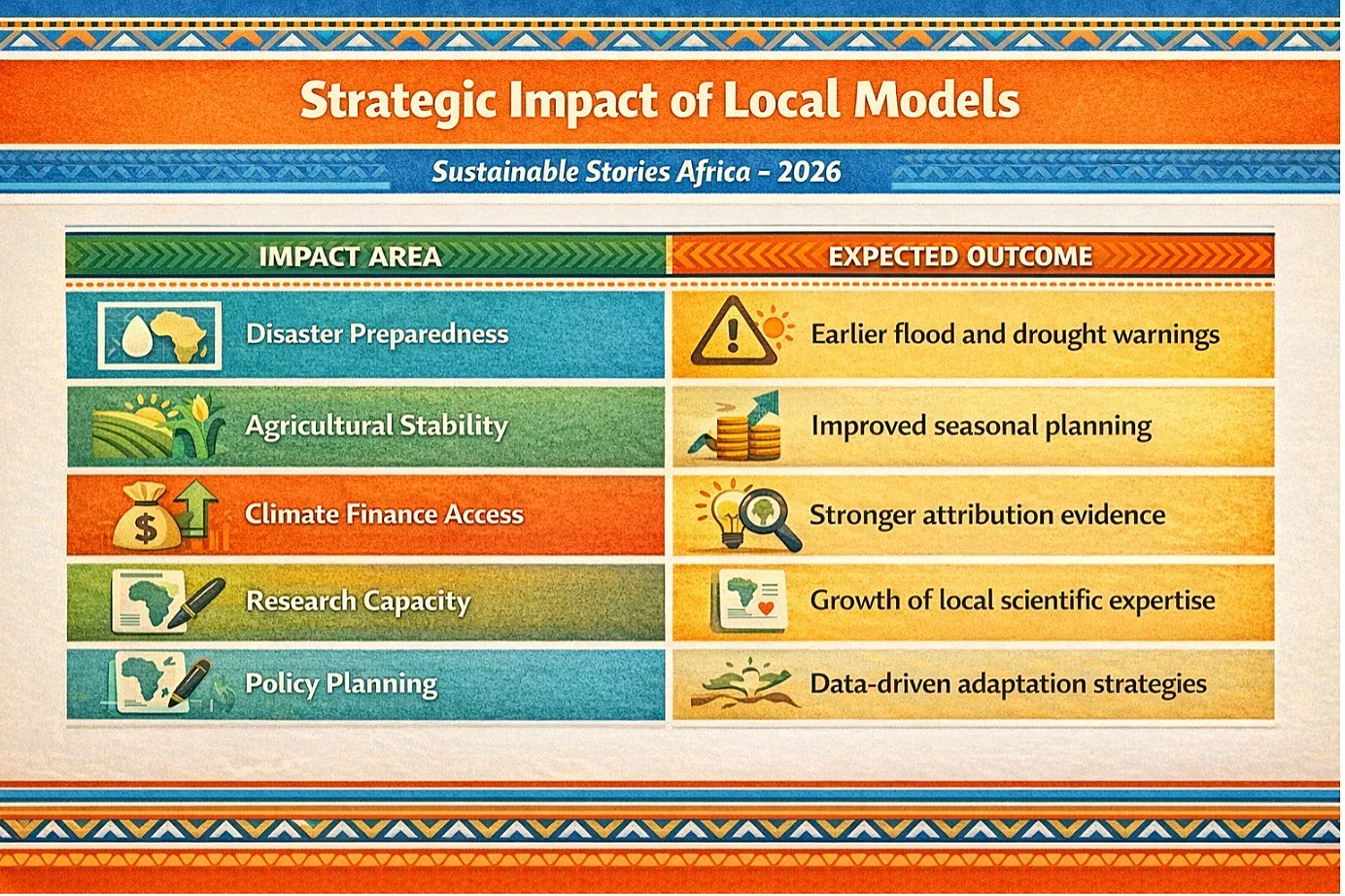
Strategic Impact of Local Models
Impact Area | Expected Outcome |
|---|---|
Disaster Preparedness | Earlier flood and drought warnings |
Agricultural Stability | Improved seasonal planning |
Climate Finance Access | Stronger attribution evidence |
Research Capacity | Growth of local scientific expertise |
Policy Planning | Data-driven adaptation strategies |
Beyond economics, local models build scientific sovereignty, enabling African researchers shape narratives about the continent’s climate risks rather than relying solely on external institutions.
However, scaling this capacity requires investment in supercomputing, meteorological stations and skilled climate scientists.
Investing in Data Infrastructure
Researchers are calling for increased funding from governments, regional bodies and multilateral institutions to support data collection and modelling infrastructure.
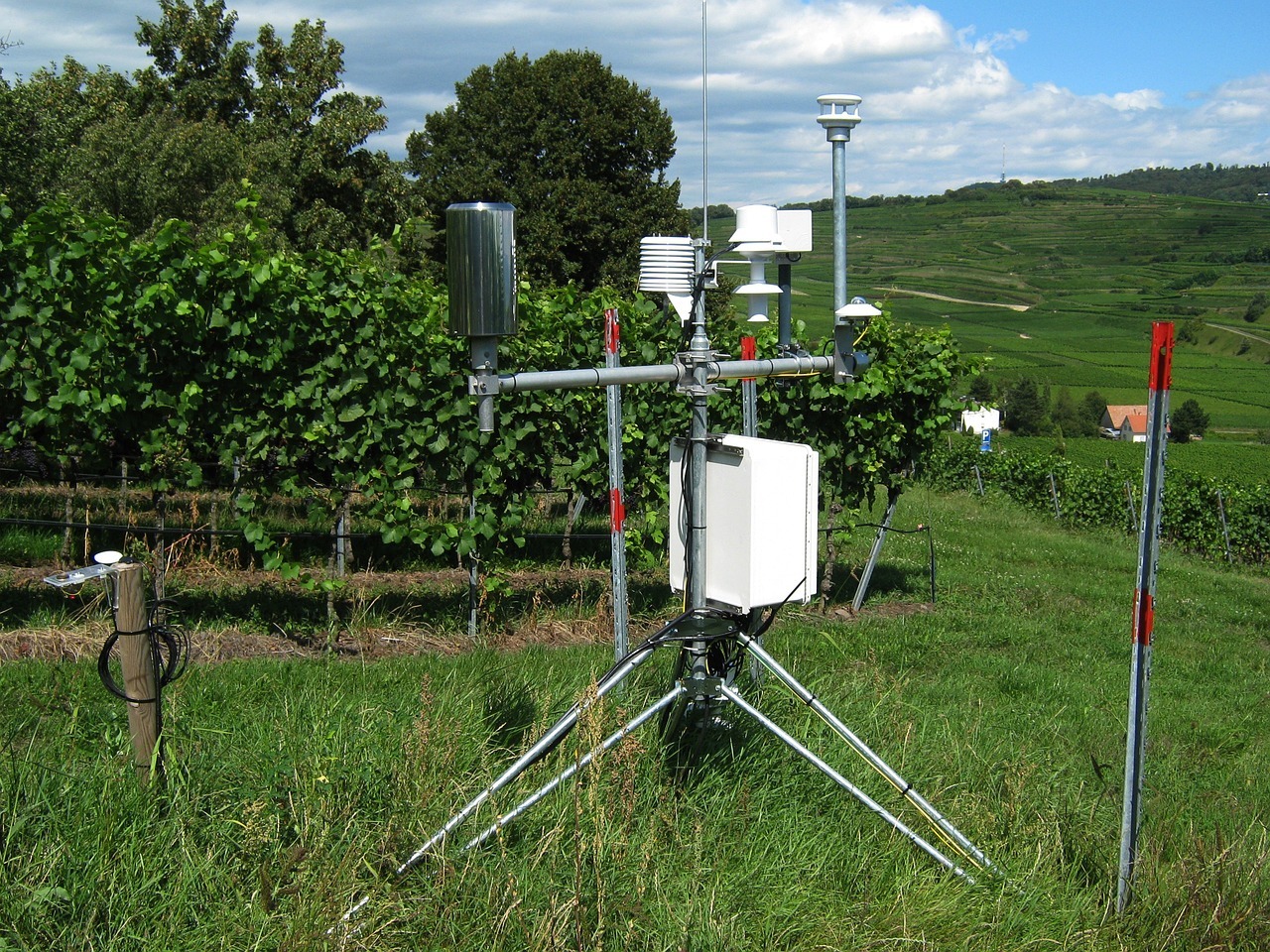
Expanding meteorological station networks and enhancing data-sharing platforms are immediate priorities. Partnerships between African universities and global climate research centres could accelerate technology transfer.
Without sustained investment, Africa risks remaining dependent on external modelling systems that may not reflect local realities.
Path Forward – Building Data Sovereignty, Strengthening Forecasts
Governments and research institutions are prioritising investment in high-resolution modelling systems and expanded weather-station networks. Collaboration across regional climate centres is gaining momentum.
If supported with adequate financing and training, Africa-made models could transform early warning systems, reduce disaster risk and strengthen adaptation planning across the continent.