Across Africa, climate stress, biodiversity loss and public health risks are converging into a single development challenge.
Recent reporting from Down To Earth’s Africa coverage highlights intensifying droughts, extractive pressures and fragile adaptation systems.
For policymakers and investors alike, the question is no longer whether the impacts are visible, but whether institutional responses can keep pace.
Climate Stress and Resource Pressures Reshape Africa’s Development Agenda
Environmental pressures across Africa are accelerating, reshaping development priorities from water security to mining governance and climate adaptation. Recent reporting compiled under Down To Earth’s Africa coverage underscores how drought, land degradation, public health vulnerabilities and resource extraction challenges are converging across multiple regions.
From intensifying dry spells in parts of East and Southern Africa to rising scrutiny over extractive projects, the continent’s sustainability narrative is becoming more complex. Environmental risk is no longer an isolated issue; it is intertwined with fiscal stability, food systems and social resilience.
The implications extend beyond environmental management. They signal structural economic exposure to climate variability and governance gaps.
Climate Risks Reshape Economic Stability
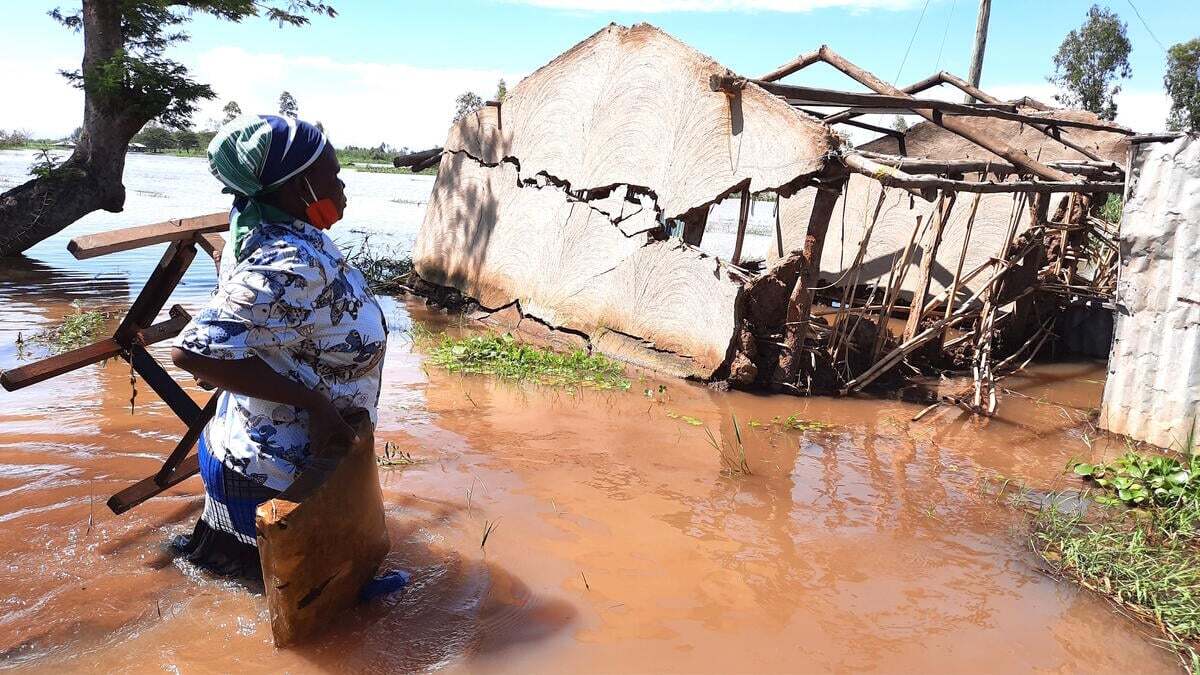
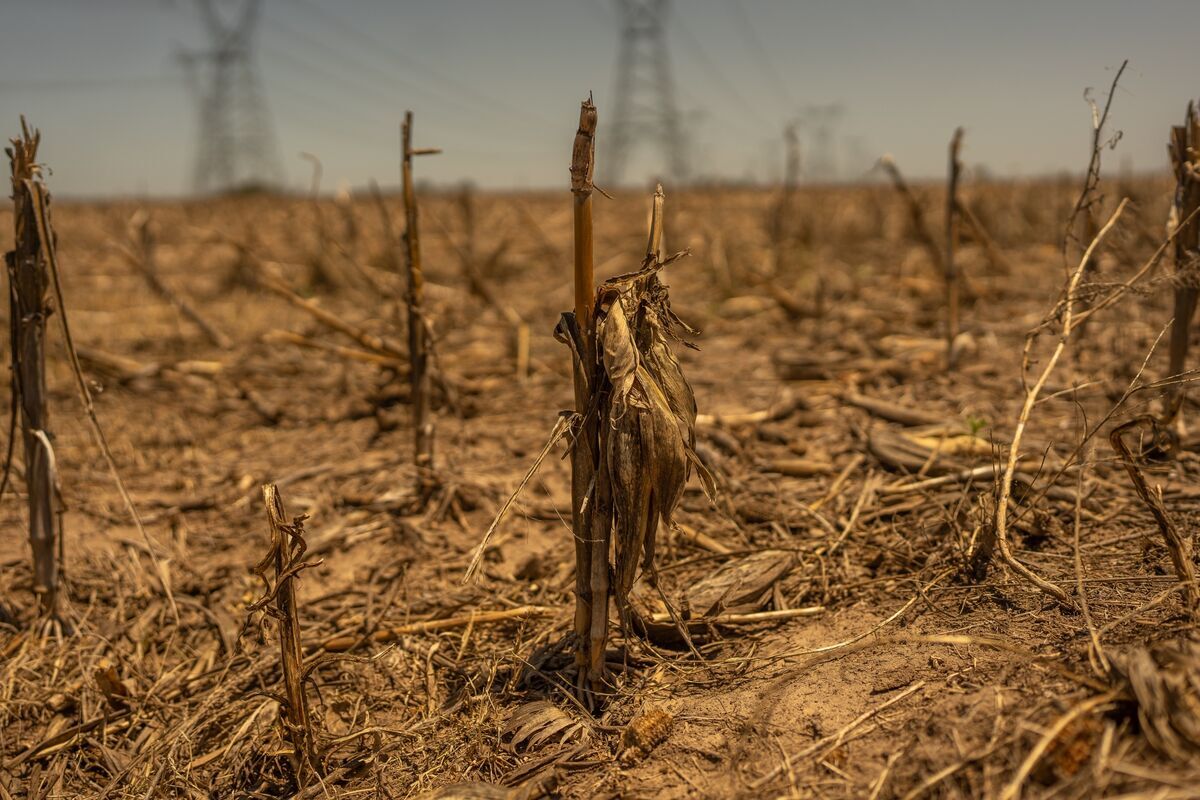
Africa contributes minimally to global greenhouse gas emissions but remains disproportionately vulnerable to climate volatility. Extended droughts threaten agricultural output, while flooding and extreme weather events strain infrastructure and public finances.
The convergence of climate and resource governance challenges is altering policy debates. Adaptation is no longer a secondary objective; it is central to economic planning.
Converging Environmental and Governance Pressures
Down To Earth’s Africa-focused reporting highlights three recurring pressure points: water stress, biodiversity degradation and extractive-sector oversight.
Emerging Environmental Risk Dimensions
Risk Category | Development Impact |
|---|---|
Drought & Water Scarcity | Reduced crop yields, food insecurity |
Mining & Resource Extraction | Land degradation, governance scrutiny |
Biodiversity Loss | Ecosystem imbalance, tourism risk |
Urban Climate Exposure | Infrastructure vulnerability |
In several regions, agricultural communities are experiencing unpredictable rainfall cycles, disrupting planting seasons. Simultaneously, extractive industries face increasing calls for transparency and environmental accountability.
These dynamics create a policy dilemma: how to balance growth imperatives with sustainability safeguards.
Adaptation as Development Strategy
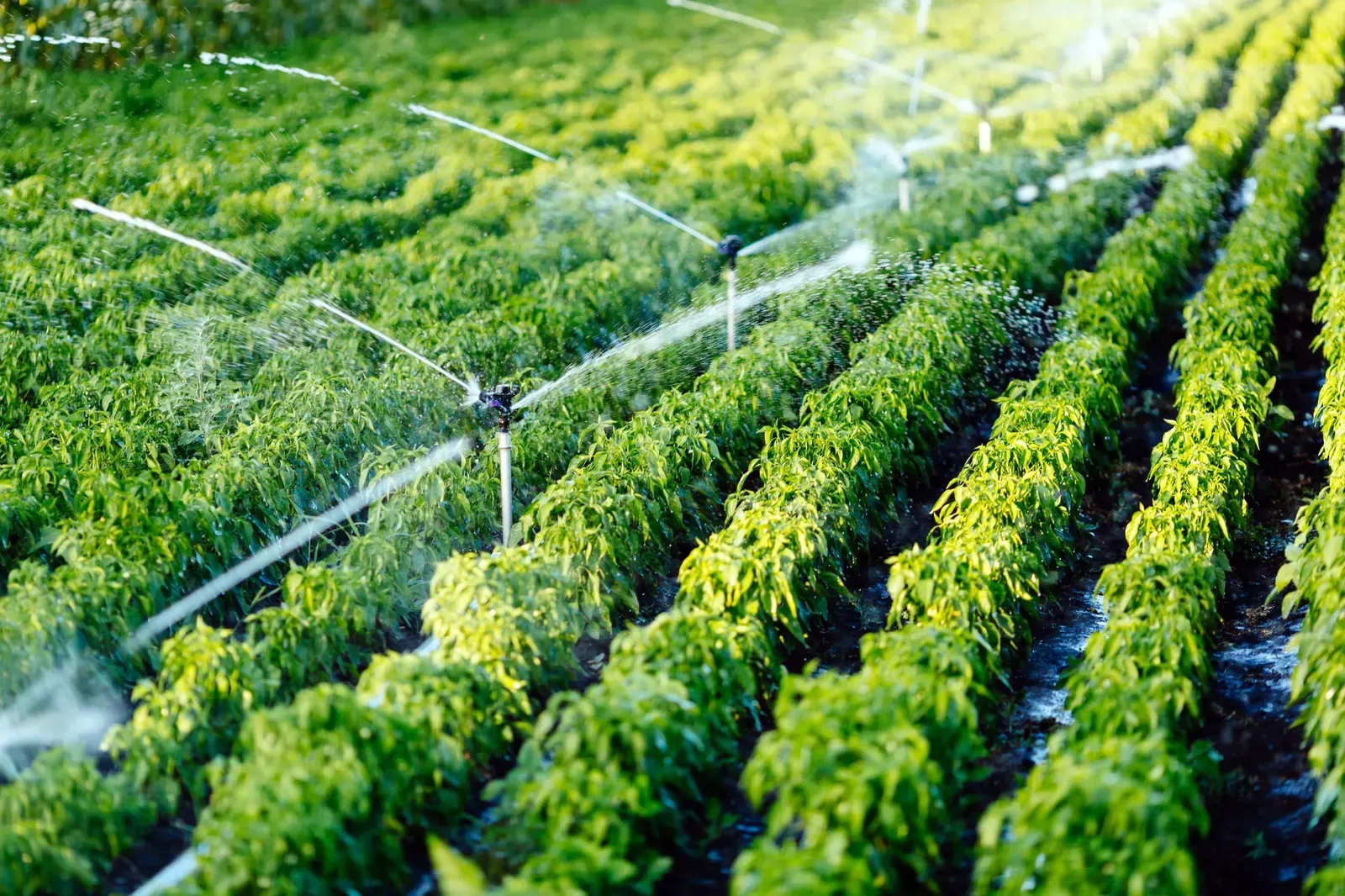
There is growing recognition that adaptation investments, water infrastructure, resilient agriculture and ecosystem restoration are economic stabilisers rather than environmental luxuries.
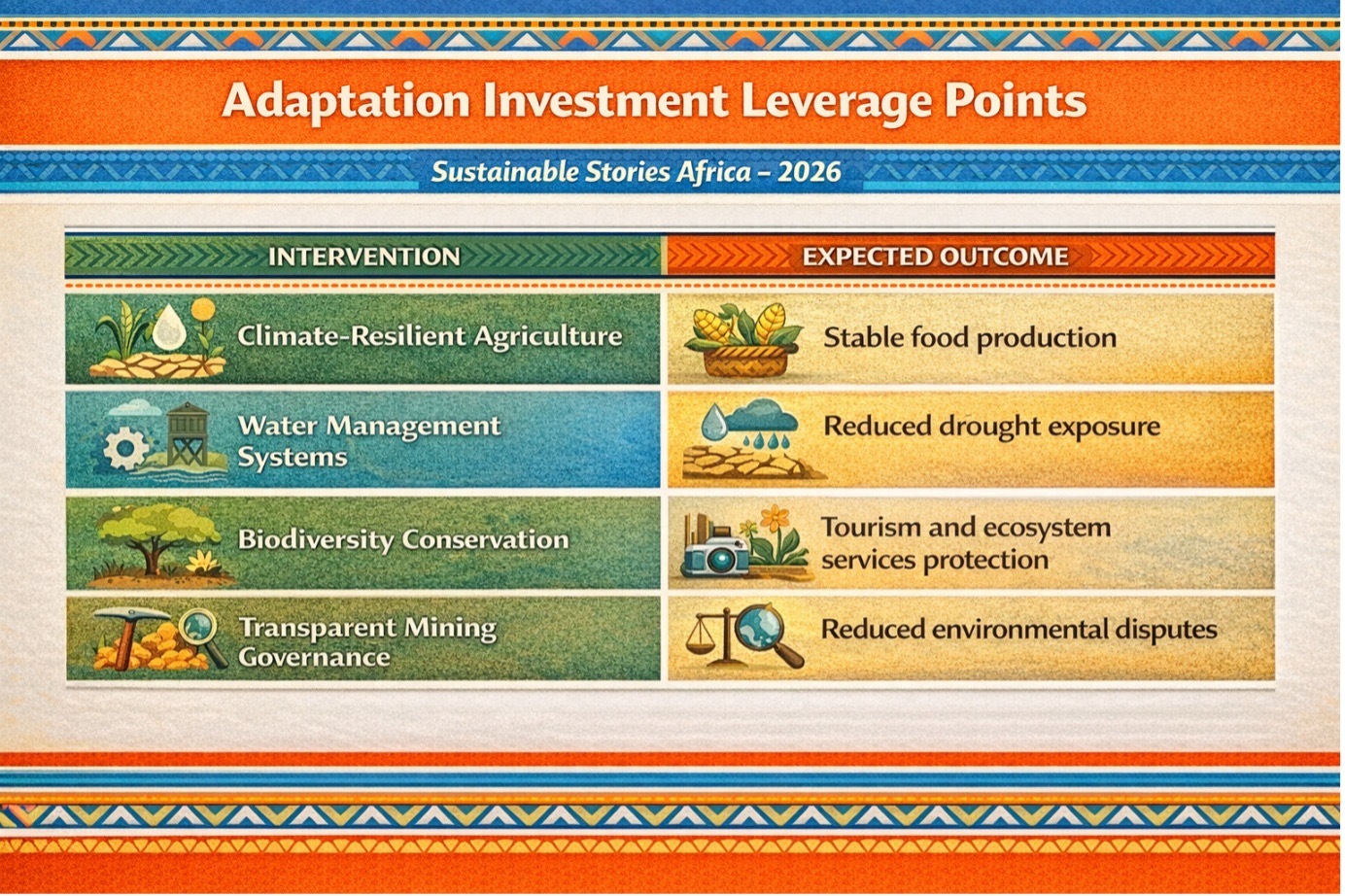
Adaptation Investment Leverage Points
Intervention | Expected Outcome |
|---|---|
Climate-Resilient Agriculture | Stable food production |
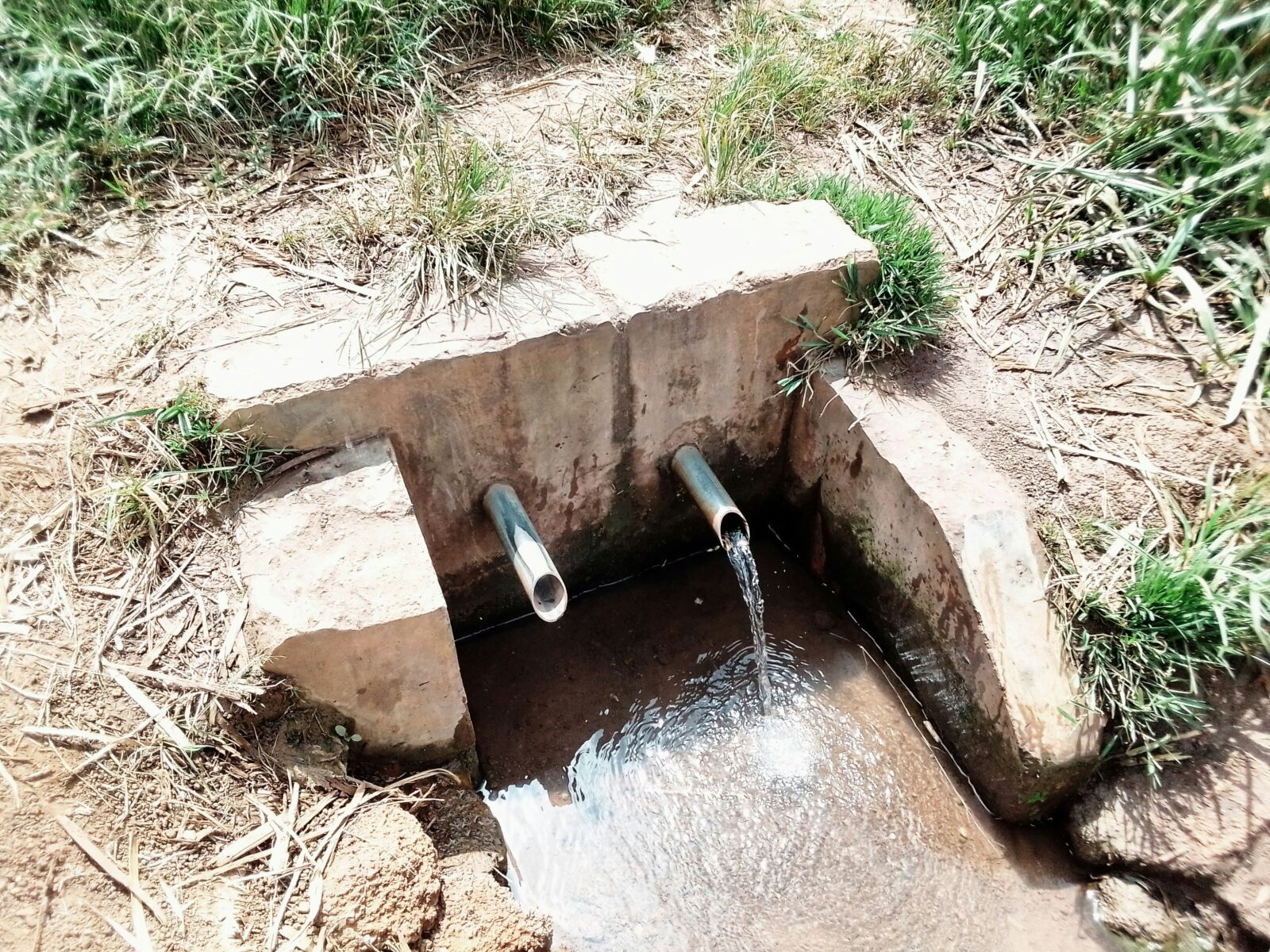
Water Management Systems | Reduced drought exposure |
Biodiversity Conservation | Tourism and ecosystem services protection |
Transparent Mining Governance | Reduced environmental disputes |
Investment in these areas can lower long-term fiscal risk while supporting livelihoods. For countries dependent on climate-sensitive sectors, resilience planning becomes synonymous with macroeconomic management.
However, financing gaps persist. Many adaptation projects struggle to attract private capital due to perceived risk and uncertain revenue streams.
Strengthening Institutions and Financing Mechanisms
Policy analysts increasingly argue that institutional reform is as critical as infrastructure investment. Clear environmental regulations, enforceable standards and credible monitoring systems enhance investor confidence while safeguarding ecosystems.
Multilateral finance, blended capital structures and domestic green finance frameworks are emerging as tools to bridge funding gaps.
The path forward requires integration, aligning environmental planning with fiscal frameworks, trade strategies and social policy.
For Africa, the challenge is not a lack of awareness, but more of its capacity to execute.
Path Forward – Integrating Adaptation Into Core Planning
Governments are embedding climate resilience into national development strategies, prioritising water security and transparent resource governance. Financing frameworks are gradually aligning to support adaptation at scale.
If institutional reforms and investment flows converge, Africa’s environmental stress could become a catalyst for resilient, inclusive growth rather than a constraint on development.
Culled From: https://www.downtoearth.org.in/africa