Africa’s climate and sustainable development outlook for 2026 reveals a defining paradox: the continent faces rising climate risks even as its green growth potential accelerates.
Economic expansion, urbanisation, and energy demand are increasing climate exposure, while renewable resources and carbon markets offer transformative opportunities.
The decisive factor will be Africa’s ability to mobilise climate finance, strengthen institutions, and convert sustainability ambition into measurable economic resilience.
Climate Risks And Growth Opportunities Converge
Africa’s Climate and Sustainable Development Outlook 2026 highlights a critical turning point: the continent faces intensifying climate risks even as it emerges as one of the world’s most promising regions for green economic growth.
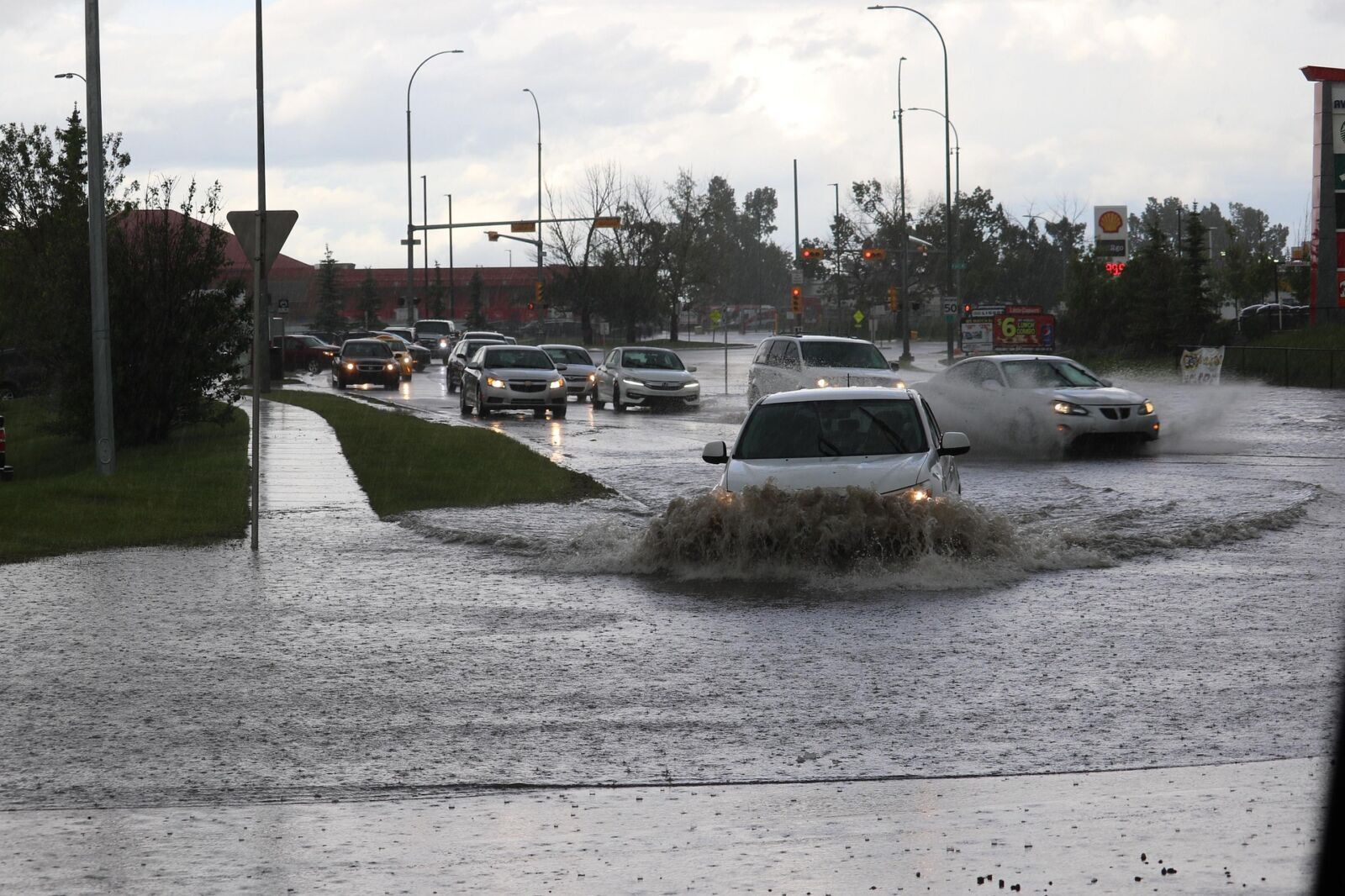
Climate change is increasing exposure to droughts, floods, and economic disruption, threatening infrastructure, agriculture, and fiscal stability.
However, Africa holds significant potential for renewable energy, carbon sequestration capacity, and climate investment opportunities.
This dual reality positions climate action not as a constraint, but as a central driver of economic transformation.
Climate Exposure Accelerates Economic Vulnerability Risks
Africa’s rapid population growth, urban expansion, and economic development are increasing exposure to climate-related risks.
Climate-sensitive sectors, including agriculture, water systems, and infrastructure, face growing pressure.
At the same time, the continent’s renewable energy potential and natural carbon sinks offer pathways to sustainable economic expansion.
Climate Risk Factor | Economic Exposure | Strategic Opportunity |
|---|---|---|
Agricultural climate sensitivity | Food security vulnerability | Climate-resilient farming innovation |
Urban infrastructure exposure | Increased disaster recovery costs | Climate-resilient infrastructure investment |
Energy access deficits | Industrial growth constraints | Renewable energy expansion |
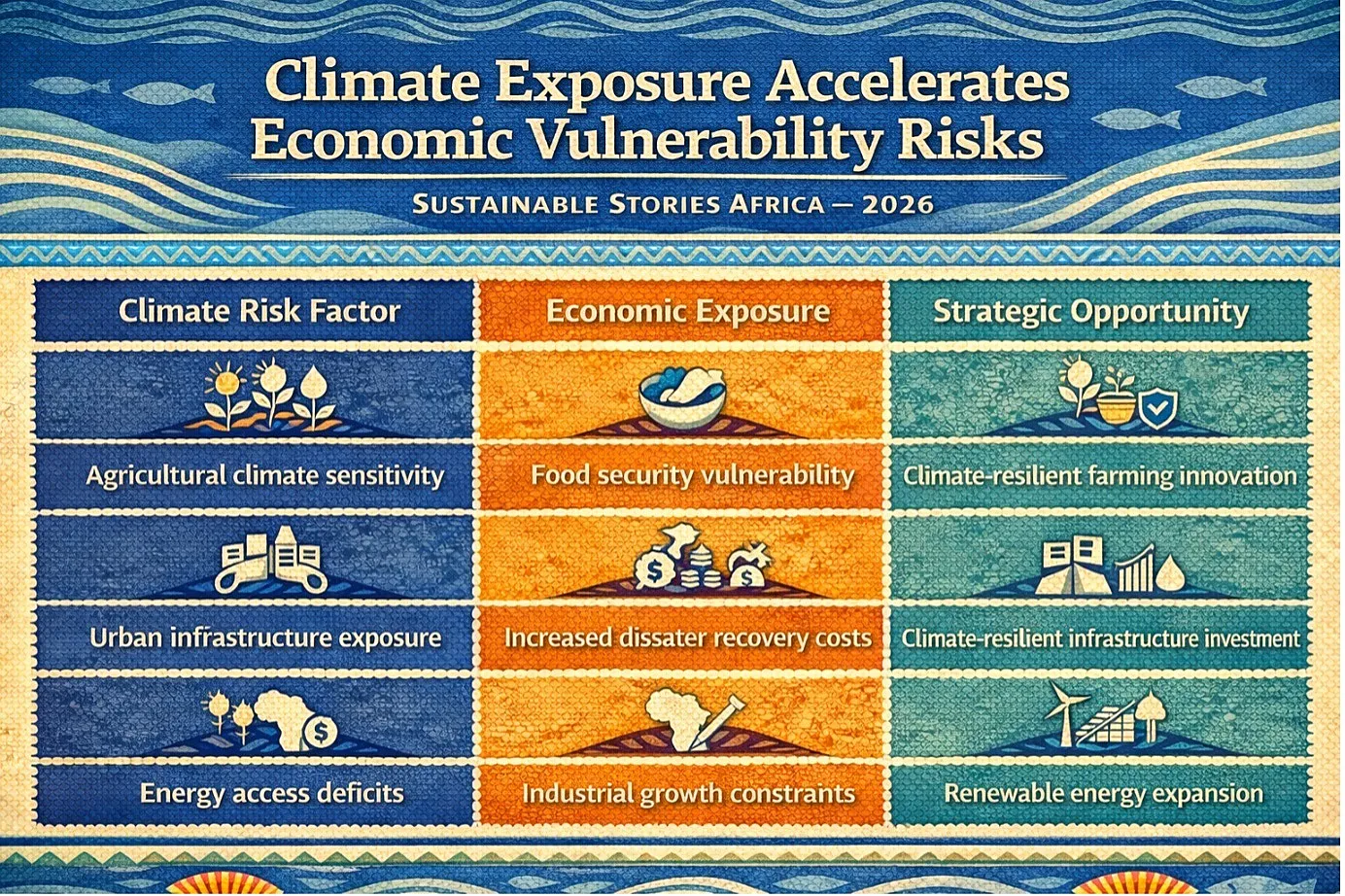
This convergence of risks and opportunities is reshaping Africa’s development trajectory.
Climate Investment Unlocks Sustainable Economic Growth
Climate investment offers a potential opportunity to enhance economic resilience while supporting sustainable growth. Renewable energy deployment can expand electricity access, reduce emissions, and improve industrial competitiveness.
Carbon markets and climate finance mechanisms offer additional revenue opportunities, enabling countries to monetise climate assets and attract global investment.
Climate-aligned infrastructure investment can enhance productivity, strengthen fiscal stability, and accelerate economic transformation.
Climate Investment Priority | Economic Benefit | ESG Outcome |
|---|---|---|
Renewable energy deployment | Improved energy security | Reduced emissions intensity |
Climate-resilient infrastructure | Economic stability | Reduced climate vulnerability |
Carbon market participation | New revenue streams | Global climate integration |
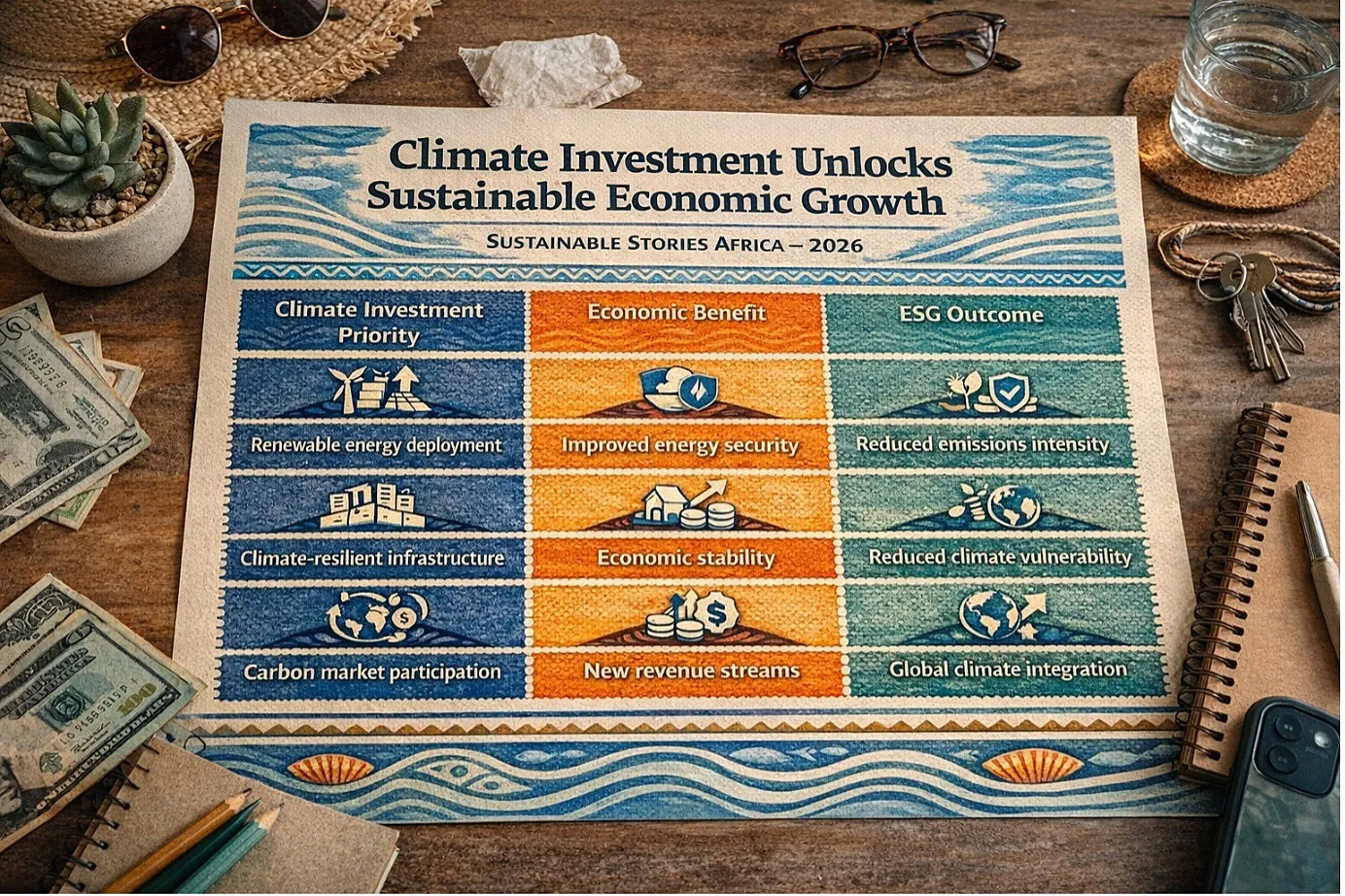
Countries able to mobilise climate finance effectively will gain competitive economic advantages.
Policy Execution Determines Climate Transformation Success
Africa’s climate outlook emphasises the importance of governance, institutional capacity, and policy execution in translating climate ambition into economic outcomes.
Strengthening regulatory frameworks, mobilising private investment, and improving access to climate finance will be critical to accelerating sustainable development.
Governments, development institutions, and private sector actors must align climate strategies with economic priorities to ensure sustainable growth.
Africa’s climate trajectory will be determined not by resource availability but by the effectiveness of implementation.
Path Forward – Climate Finance Mobilisation Anchors Sustainable Growth
African countries are prioritising renewable energy deployment, climate finance mobilisation, and institutional strengthening to accelerate sustainable economic development.
Successful climate transformation will depend on governance reforms, investment mobilisation, and coordinated policy implementation to convert climate ambition into long-term economic resilience.
Culled From: Africa Climate & Sustainable Development Outlook 2026 - AfriCGE