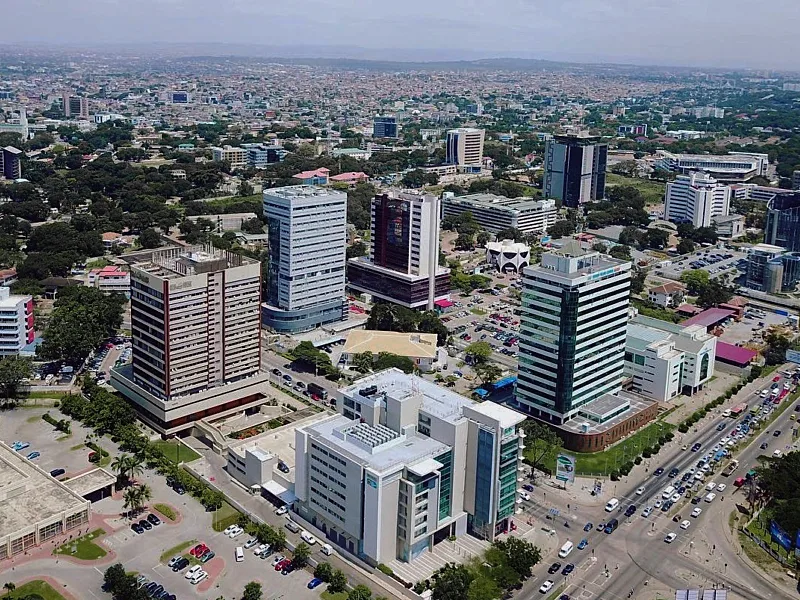
Nairobi has launched an ambitious citywide clean-up programme, signalling a decisive shift toward modern waste management and energy recovery.
The initiative reflects growing recognition that waste is no longer just an environmental liability but a strategic energy and economic resource.
As waste-to-energy investments accelerate, Nairobi is positioning itself at the forefront of Africa’s circular economy transformation and climate-resilient urban development.
Nairobi Clean-Up Marks Strategic Urban Shift
Nairobi’s launch of a major citywide clean-up programme marks a pivotal transition from traditional waste disposal toward a circular economy model anchored in waste-to-energy development and sustainable urban management.
City authorities are repositioning waste as an economic and climate asset rather than a public health burden, reflecting broader ESG shifts across African cities that confront rapid urbanisation and infrastructure constraints.
The initiative signals Nairobi’s ambition to align environmental sustainability with energy security and economic resilience.
Waste Burden Now Drives Energy Opportunity
Rapid population growth and urban expansion have intensified Nairobi’s waste management challenges, placing pressure on landfill capacity, environmental health, and urban infrastructure.
The city’s clean-up initiative is designed not only to improve sanitation but also to unlock the economic and energy potential embedded in municipal waste streams.
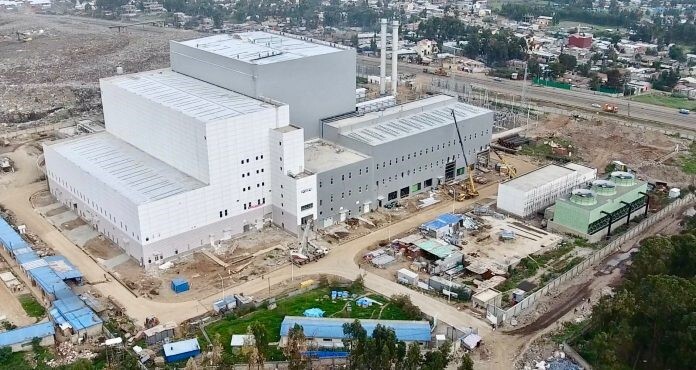
Waste-to-energy systems convert solid waste into electricity and usable energy, reducing the dependence on landfills while contributing to energy diversification.
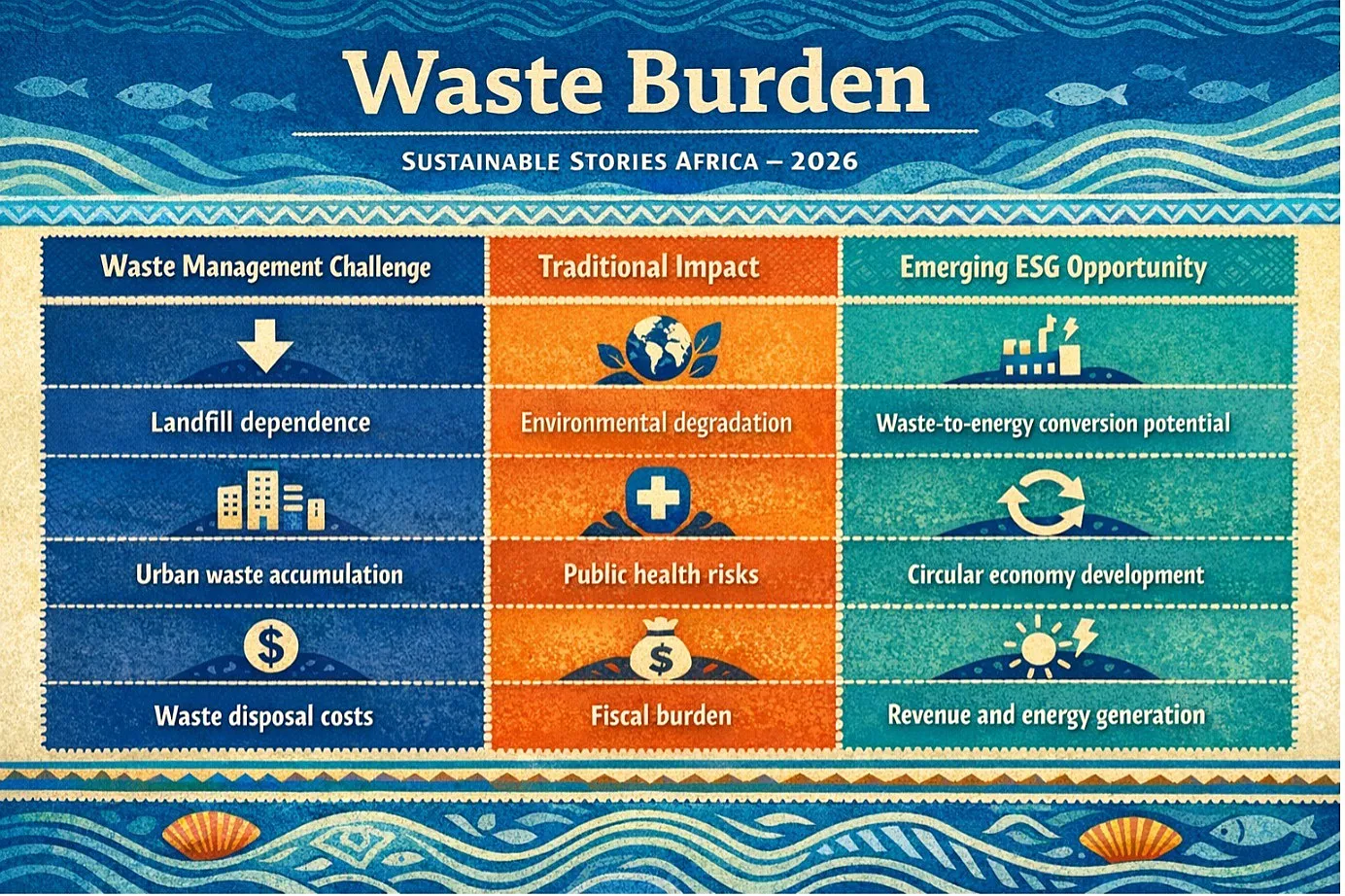
Waste Management Challenge | Traditional Impact | Emerging ESG Opportunity |
|---|---|---|
Landfill dependence | Environmental degradation | Waste-to-energy conversion potential |
Urban waste accumulation | Public health risks | Circular economy development |
Waste disposal costs | Fiscal burden | Revenue and energy generation |
This transition reflects a structural shift in how cities view waste as infrastructure rather than liability.
Circular Economy Strengthens Urban Climate Resilience
Waste-to-energy systems offer multiple economic and environmental benefits, strengthening both urban resilience and climate mitigation capacity.
Energy generated from waste reduces reliance on fossil fuels, improves energy security, and supports decarbonisation goals. At the same time, improved waste management enhances public health and urban livability.
The circular economy model also creates employment opportunities across waste collection, processing, and energy generation value chains.
Circular Economy Outcome | Economic Benefit | ESG Impact |
|---|---|---|
Energy generation from waste | Reduced energy supply risk | Lower emissions and fossil fuel dependence |
Improved waste management | Reduced sanitation costs | Enhanced environmental protection |
Waste processing industries | Job creation | Inclusive economic development |
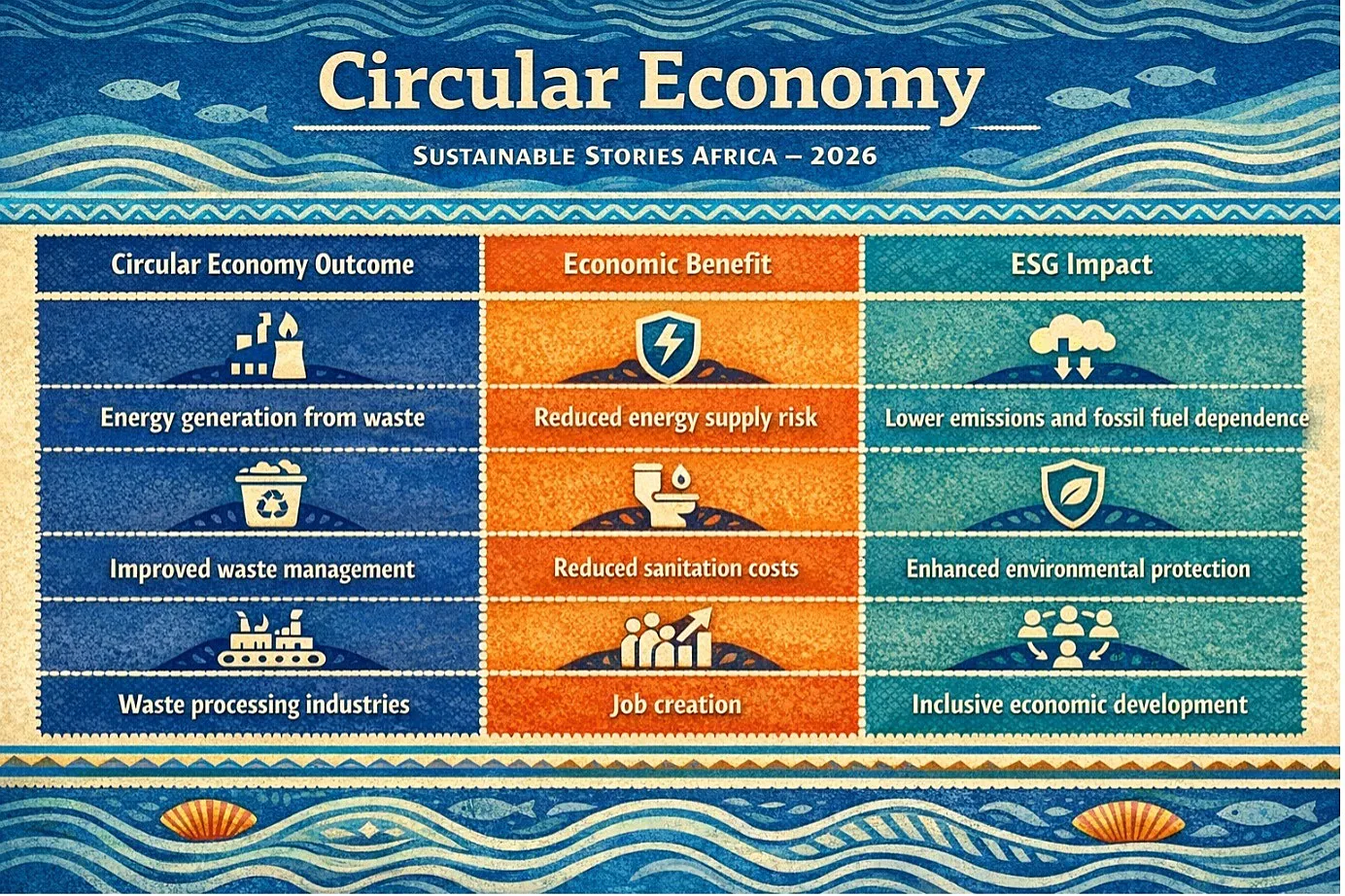
These benefits align sustainability objectives with economic development priorities.
Infrastructure Investment Will Determine Long-Term Success
Nairobi’s waste-to-energy transition will depend on sustained investment in infrastructure, regulatory support, and private sector participation.
Successful implementation requires modern waste collection systems, processing facilities, and reliable energy integration frameworks.
Policy alignment, financing access, and institutional coordination will determine whether Nairobi can effectively scale its circular economy model.
The city’s strategy reflects a broader continental shift as African cities increasingly integrate climate action into urban development planning.
Waste management is emerging as a key ESG frontier in Africa’s urban transformation.
Path Forward – Waste Infrastructure Anchors Sustainable Urban Growth
Nairobi is prioritising waste-to-energy infrastructure development, regulatory reforms, and circular economy integration to strengthen urban sustainability and energy resilience.
Successful implementation will depend on the mobilisation of investment, governance capacity, and public-private partnerships to scale sustainable waste management systems across growing African cities.