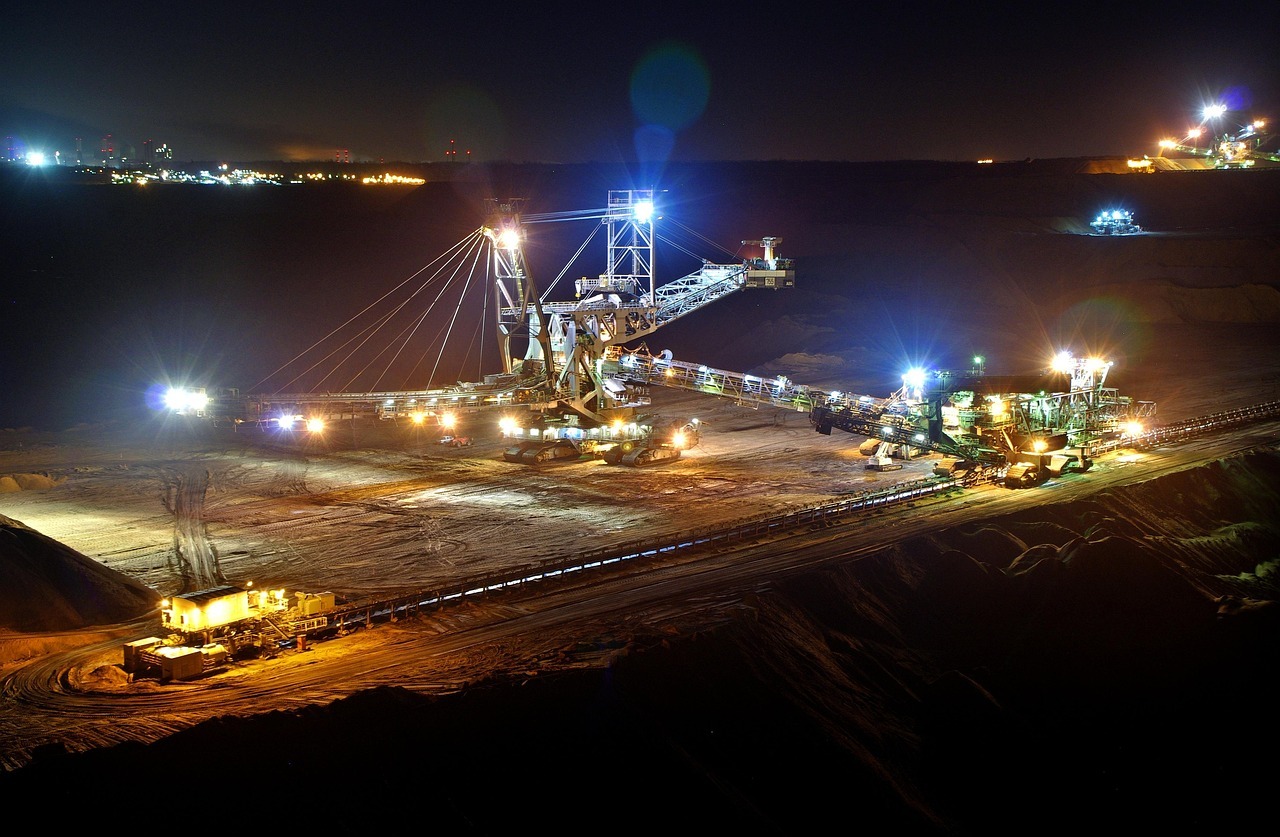
A new global ESG standard targeting mining operations has ignited intense debate across Africa, raising concerns over fairness, sovereignty and access to capital.
Supporters argue that the framework improves environmental and governance accountability in mineral supply chains critical to the energy transition.
Critics warn that the standard risks excluding African producers, reinforcing structural inequities, while shifting decision-making power toward international regulators and investors.
New Mining ESG Standard Sparks Global Investment And Sovereignty Debate
A proposed global ESG standard designed to govern mining operations has emerged as a flashpoint in Africa’s resource sector, exposing tensions between sustainability ambitions and development realities.
The framework seeks to impose stricter environmental, governance and social compliance requirements across mineral supply chains, particularly those critical to clean energy technologies.
While advocates view it as essential to ensuring ethical sourcing and investor confidence, governments and industry leaders across Africa warn it could restrict capital access, undermine national sovereignty and slow resource-led development.
The controversy highlights a deeper structural challenge: aligning global sustainability standards with local economic priorities in resource-dependent economies.
Global ESG Mining Rules Reshape Resource Access
Mining has become central to the global energy transition, with minerals such as lithium, cobalt and copper being essential for batteries, renewable energy infrastructure and electrification. Africa holds some of the world’s largest reserves, positioning the continent as a strategic supplier.
However, the proposed ESG framework would require stricter compliance across environmental management, labour practices, governance transparency and community engagement.
These requirements could influence investment flows, determining which countries and projects qualify for international capital and supply chain integration.
Compliance Requirements Create Investment Access Risks
Supporters argue that stronger ESG standards improve accountability and reduce environmental and governance risks. They also help investors identify responsible operators, strengthening project viability in the long term.
However, critics warn that uniform global standards may disproportionately affect African producers, who often face infrastructure constraints, regulatory capacity gaps and higher compliance costs.
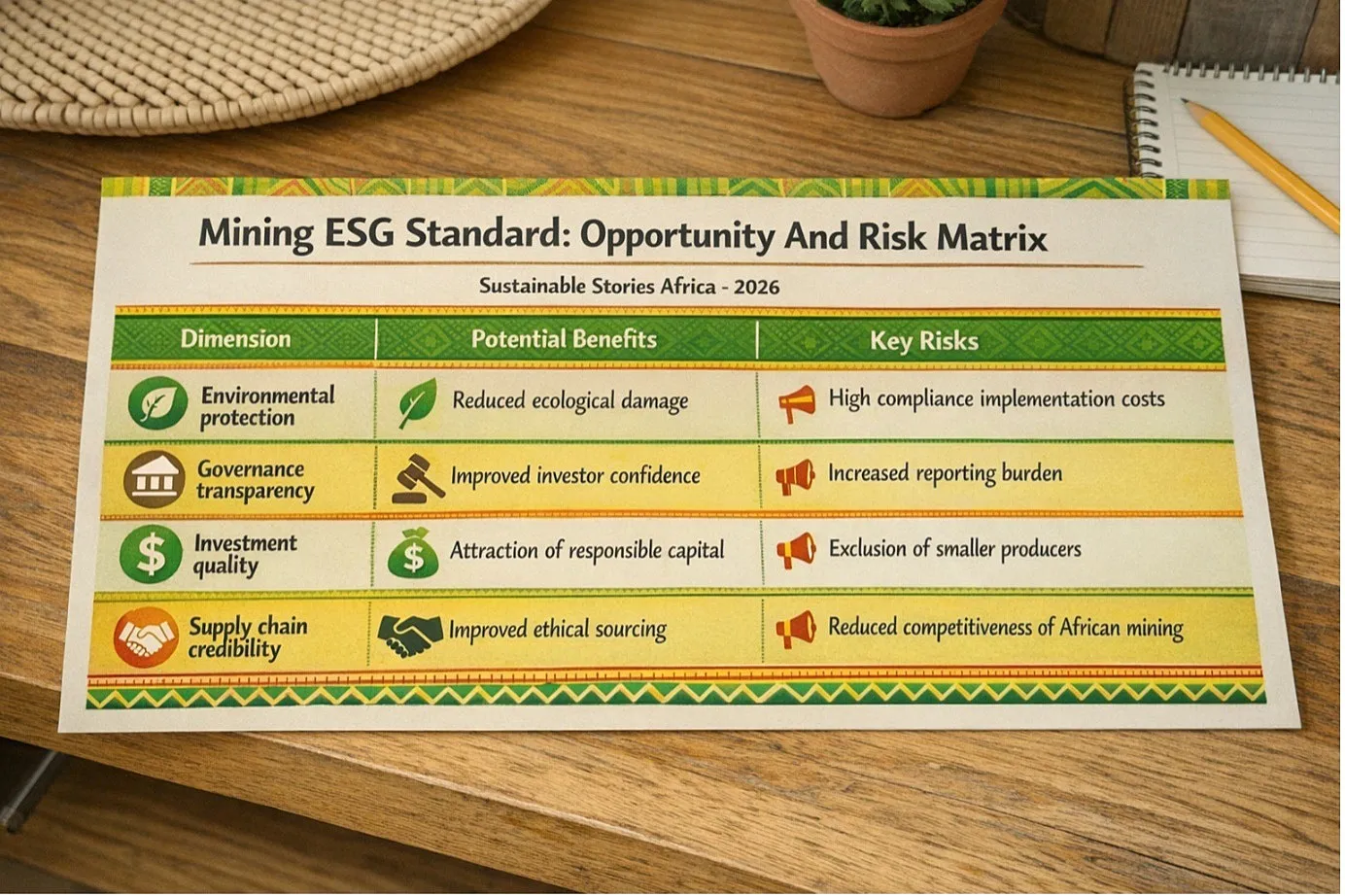
Mining ESG Standard: Opportunity And Risk Matrix
Dimension | Potential Benefits | Key Risks |
|---|---|---|
Environmental protection | Reduced ecological damage | High compliance implementation costs |
Governance transparency | Improved investor confidence | Increased reporting burden |
Investment quality | Attraction of responsible capital | Exclusion of smaller producers |
Supply chain credibility | Improved ethical sourcing | Reduced the competitiveness of African mining |
Governments worry the framework could effectively shift decision-making authority away from producing countries toward international standard-setters and institutional investors.
Strong ESG Compliance Can Unlock Sustainable Investment Growth
Despite the controversy, many policymakers recognise that credible ESG frameworks can strengthen long-term competitiveness. Investors increasingly prioritise sustainability performance when allocating capital, particularly in energy transition minerals.
Countries that successfully align with ESG expectations can benefit from improved investment stability, enhanced market access and stronger industrial development opportunities.
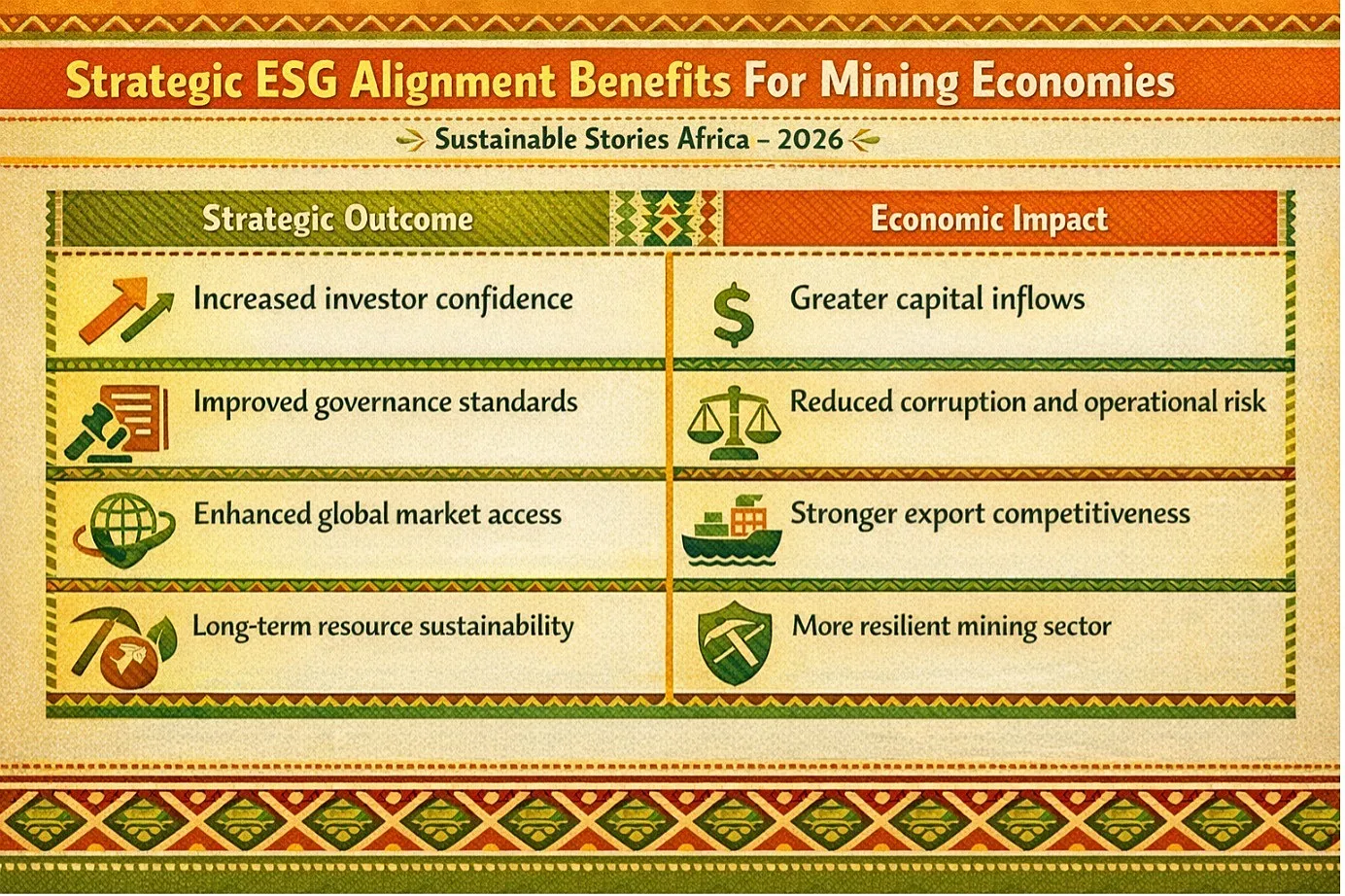
Strategic ESG Alignment Benefits For Mining Economies
Strategic Outcome | Economic Impact |
|---|---|
Increased investor confidence | Greater capital inflows |
Improved governance standards | Reduced corruption and operational risk |
Enhanced global market access | Stronger export competitiveness |
Long-term resource sustainability | More resilient mining sector |
Effective ESG integration can transform mining from a short-term extraction activity into a sustainable driver of economic growth.
African Governments Push For Balanced ESG Frameworks
African governments and industry leaders are advocating for ESG standards that reflect regional realities, development priorities and capacity constraints. They emphasise the importance of inclusive frameworks that enable improvement rather than exclusion.
There are growing calls for collaborative ESG implementation models that support capacity building, infrastructure development and regulatory strengthening.
Policymakers argue that ESG frameworks must balance sustainability objectives along with economic inclusion, ensuring resource-rich countries can participate fully in global energy transition supply chains.
The debate highlights a broader shift: ESG standards are no longer purely environmental tools, but strategic instruments shaping global economic participation.
Path Forward – Inclusive ESG Frameworks Will Shape Mining
Global mining ESG standards will increasingly influence access to investment, competitiveness and resource governance.
African governments are advocating for frameworks that strengthen accountability while preserving development sovereignty and economic participation.
The outcome will determine whether ESG becomes a barrier or enabler of Africa’s mining-led growth.
Balanced implementation could unlock sustainable investment while strengthening governance, environmental protection and long-term economic resilience.
Culled From: https://table.media/en/africa/feature/mining-why-a-new-esg-standard-is-controversial