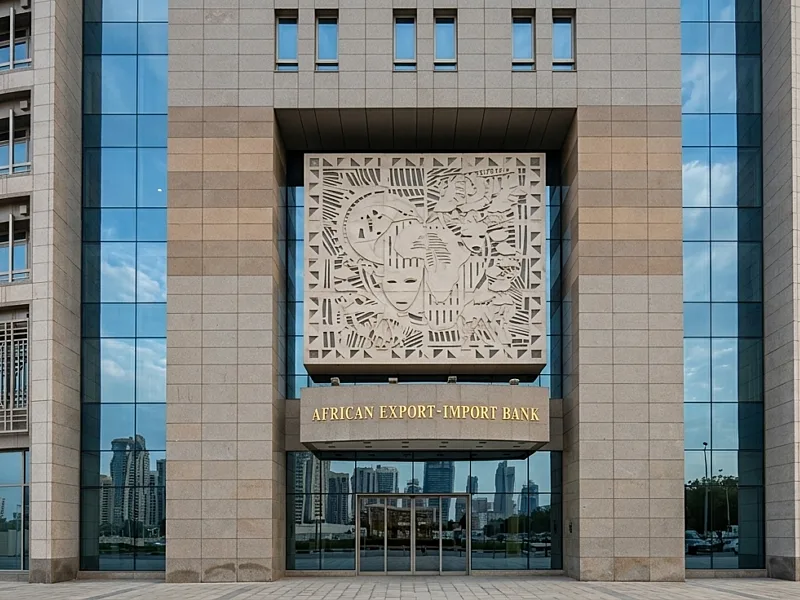
Afreximbank projects Zimbabwe’s real growth at 5% in 2026 and 3.9% in 2027. Gold earnings and agriculture support the outlook, while softer gold prices and fuel costs pose risks.
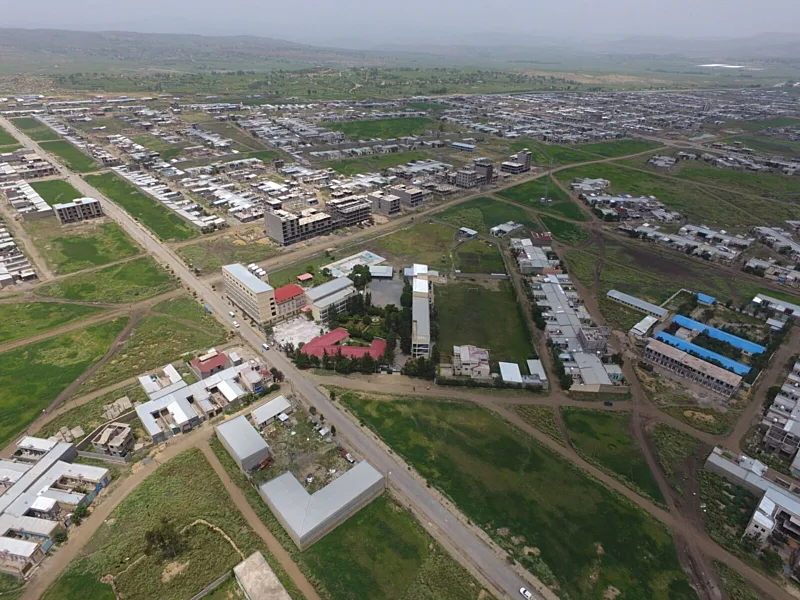
A Geoforum study examines 24 land governance cases in sub-Saharan Africa. It finds that governments can use investments, corridors, protected areas and land records to extend or consolidate authority.
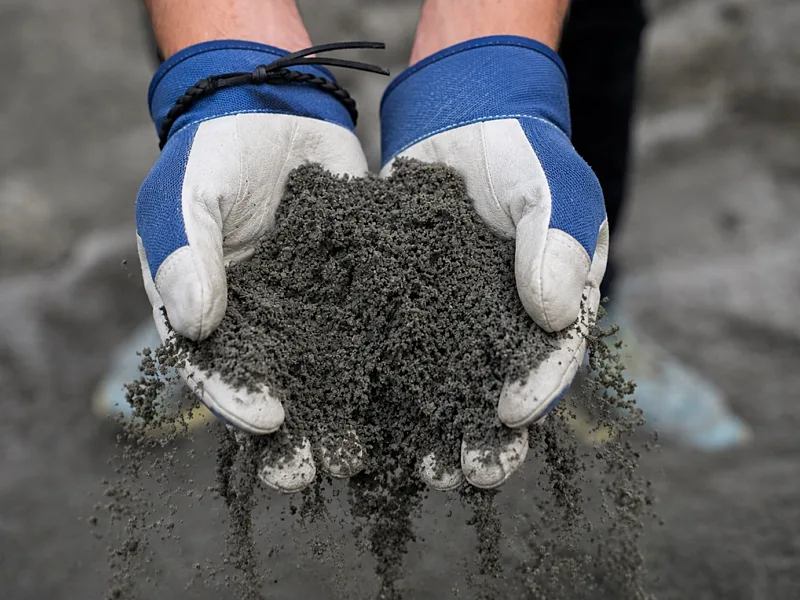
Bali Lee, Tom Bearpark and colleagues propose a way to estimate shortfalls in contracted carbon removal. Their forest and geological storage simulations show how risk changes with site conditions and the time horizon.
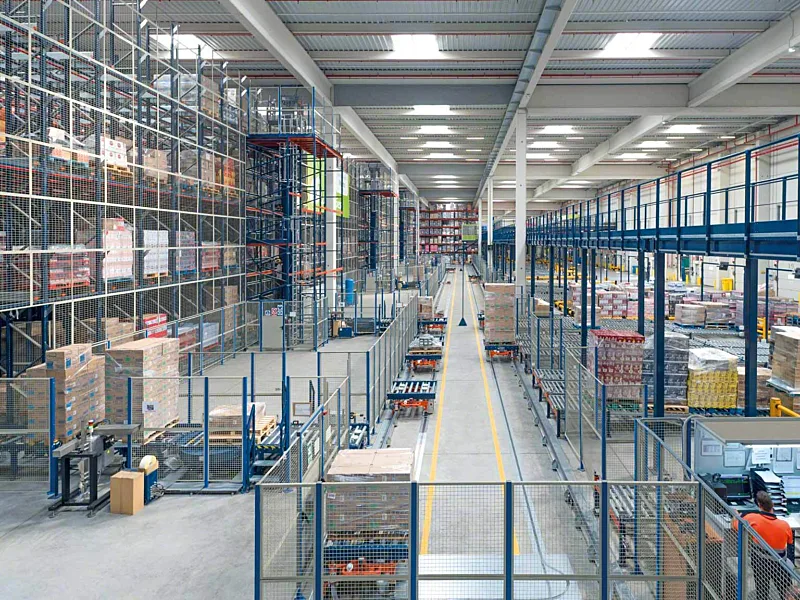
Margherita Feleppa’s study examines how European and Australian reforms deal with early product obsolescence. It argues that narrow definitions leave some reasons for premature replacement outside the policy response.

A study of 22 exceptional heatwaves finds future events could exceed several recent records. In higher-warming scenarios, some modelled events cover larger areas and last much longer.
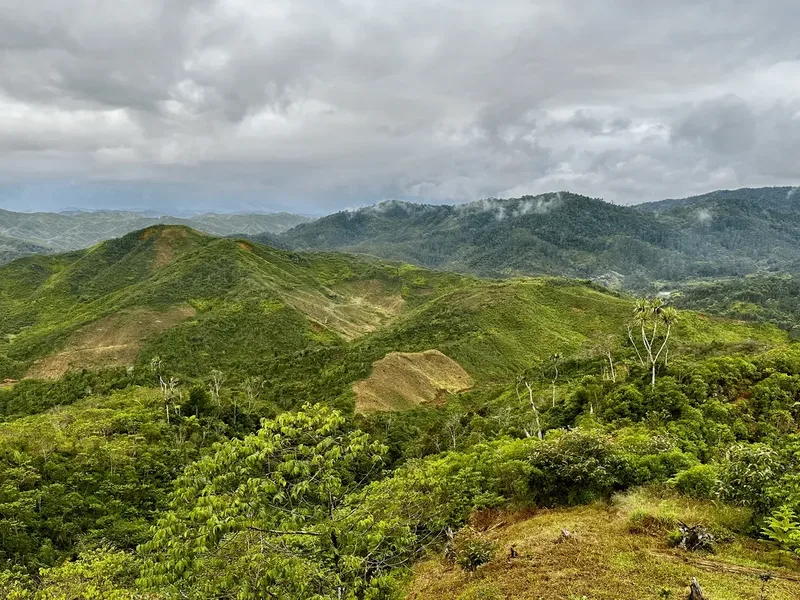
A UNDP BIOFIN dialogue compares biodiversity finance in Madagascar, Senegal and Morocco. The countries are at different stages, from preparing finance plans to applying new budget and funding tools.
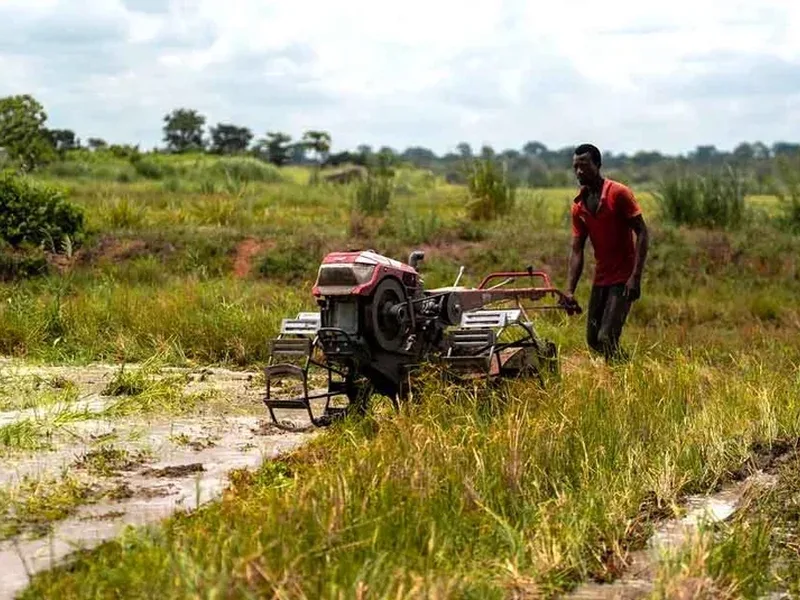
The African Development Bank Group has approved a $60 million sovereign loan to Tanzania. The money will strengthen the state agricultural lender under a $120 million initiative.

UN Climate Change says national climate plans increasingly cover entire economies. Its assessment puts projected 2035 emissions cuts well below what science requires.
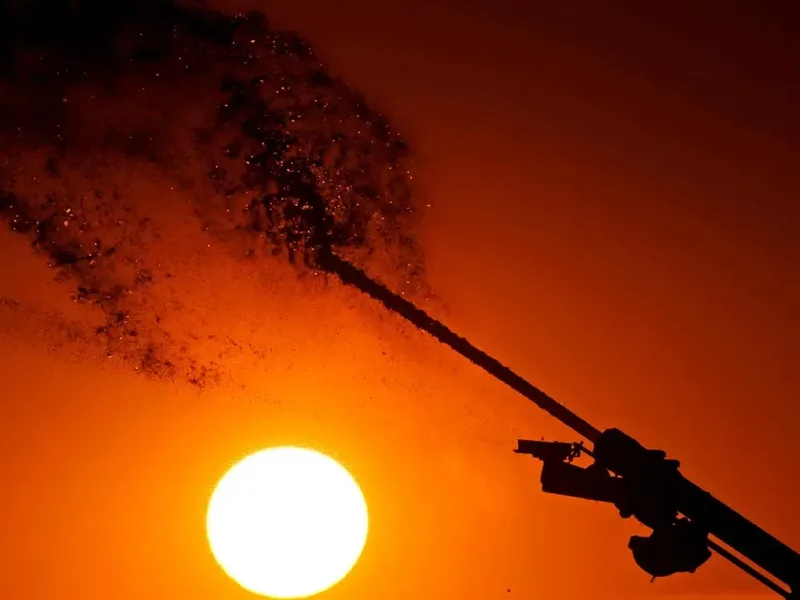
Copernicus puts the chance that 2026 ranks second for global warmth at about 80%. An unusually strong El Niño has added to human-caused warming.
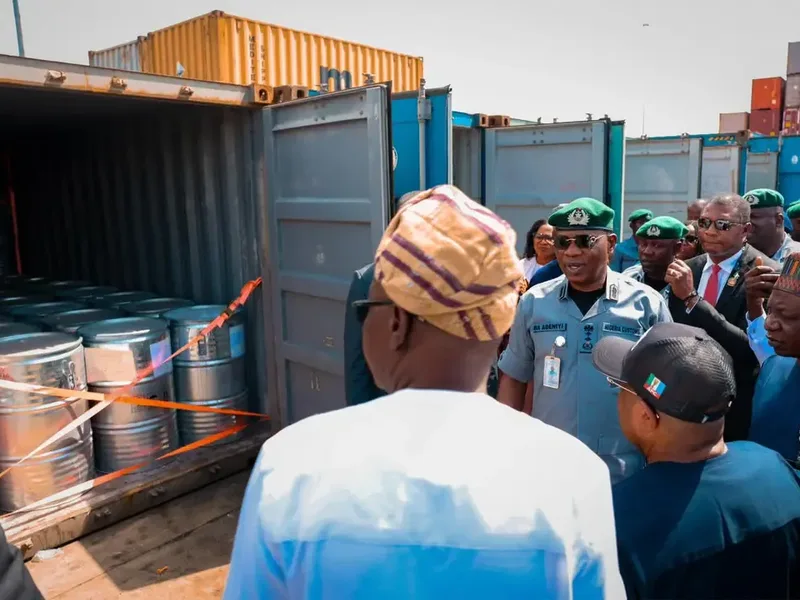
Customs has begun evacuating an initial batch of 98 containers of transmission equipment from Nigerian ports. Some consignments had been stranded for up to two decades.
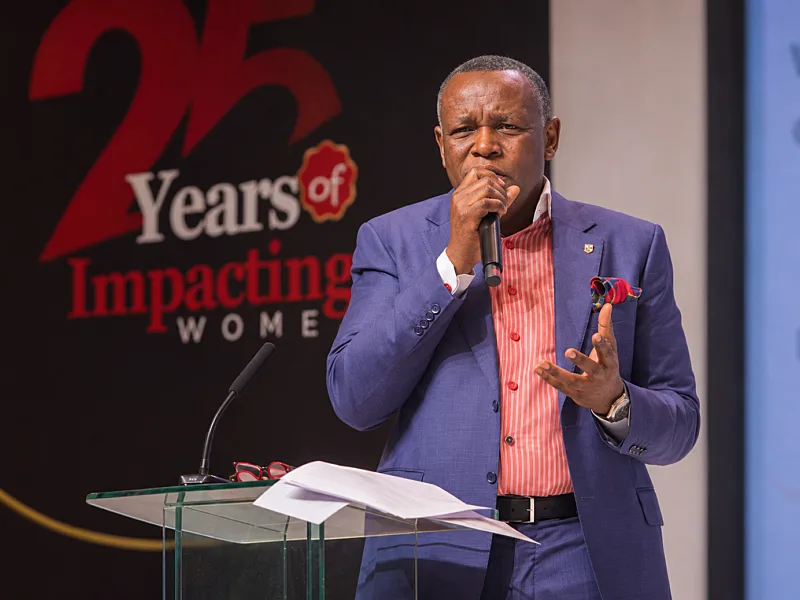
Sahara Group says its PRAISE framework has guided three decades of expansion across markets and businesses. Executive Director Temitope Shonubi cited investments in Nigerian power infrastructure, including Egbin Power and First Independent Power Limited.
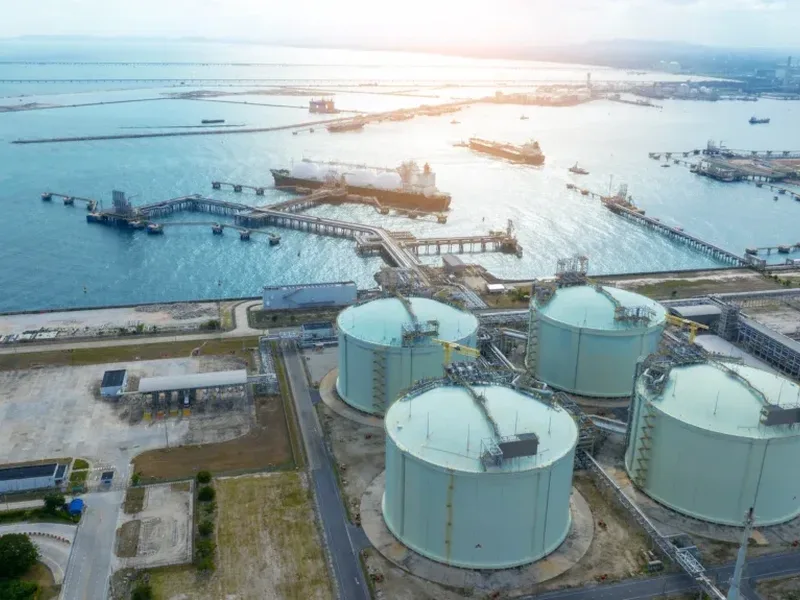
Tanzania and its partners are still working towards binding agreements for a proposed liquefied natural gas project in Lindi.

Gabon’s near-term growth recovery offers breathing space, but not a durable escape from commodity dependence.
Britain has finalised its regulatory framework for ESG ratings providers, setting a June 2028 start date for the main regime.
Côte d’Ivoire’s investment ambitions remain substantial, but cocoa exposure and rising external financing pressures complicate its growth outlook.

Africa’s creators are attracting attention, but visibility is not translating evenly into dependable income. The Africa Creator Economy Report 2.0, 2026 finds that about six in ten survey respondents earn less than $100 monthly from their creative work.

Open data can widen access to knowledge without giving the people behind that knowledge any meaningful control.

The World Bank projects that sub-Saharan Africa will add about 748 million urban residents between 2025 and 2050, with 71% of that growth beyond today’s city boundaries.
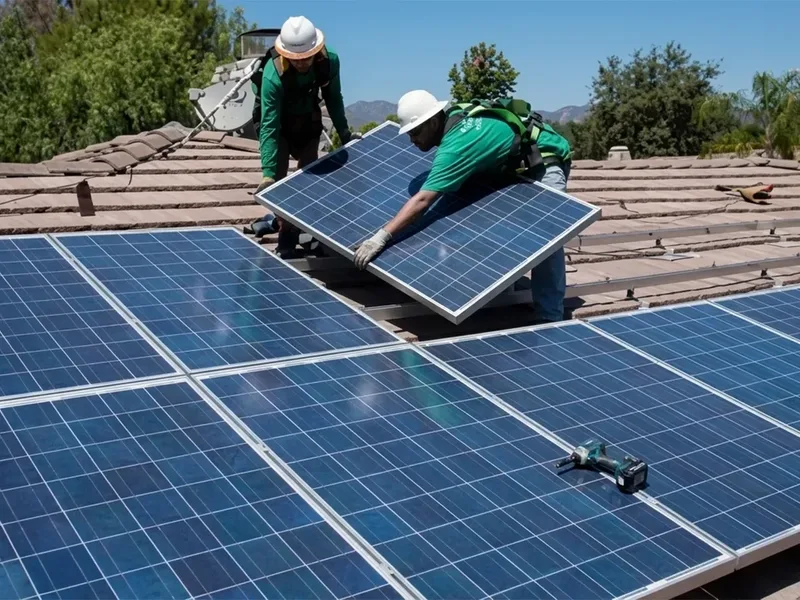
Off-grid solar products sold by companies that report to GOGLA served 149 million people in 2025.
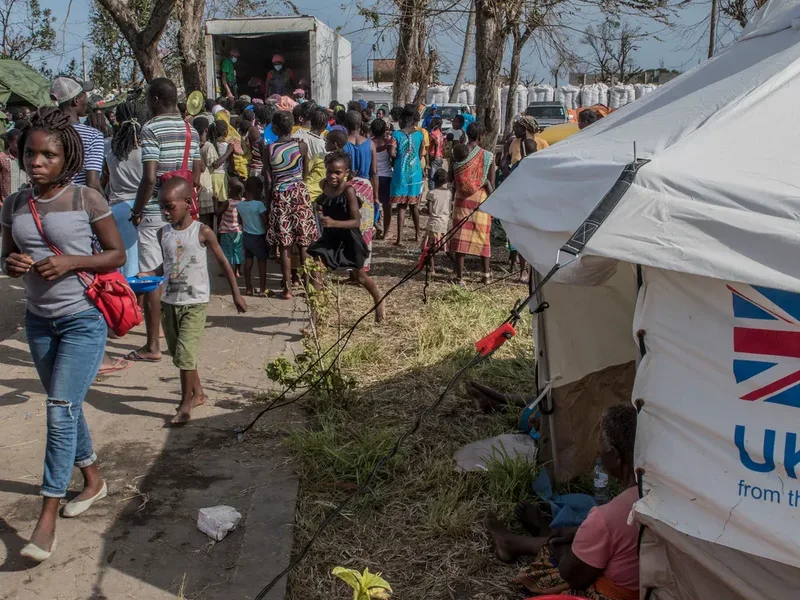
The OECD projects a 6.9% fall in net official development assistance in 2026 and an 11.6% drop in bilateral aid to sub-Saharan Africa.
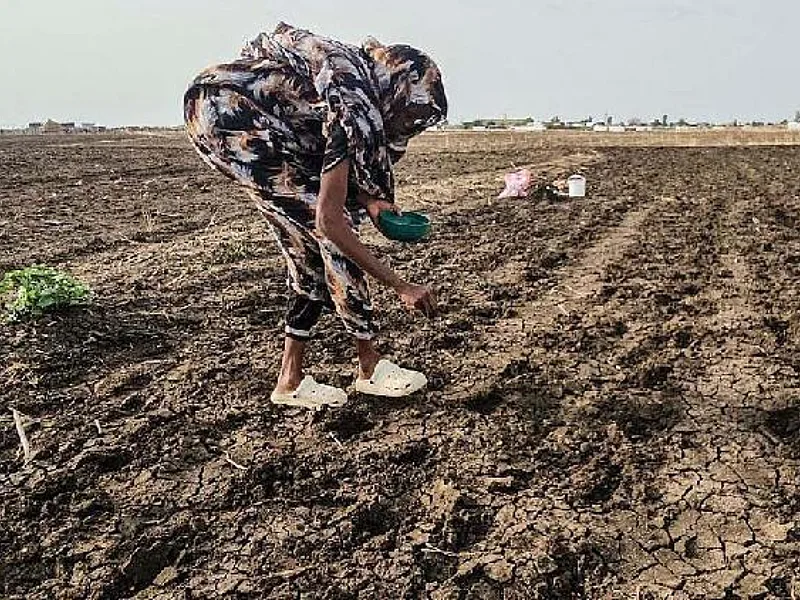
FAO and WFP’s joint appeal seeks $202 million to help 8.8 million people act ahead of El Niño impacts across 22 priority countries.
The World Bank expects global commodity prices to rise 23.1% in 2026. Energy leads the surge, while food prices are projected to keep rising even as oil eases in 2027.
A World Bank study spanning North Africa and neighbouring economies finds that 42% of the region’s population cannot afford a nutritious diet.
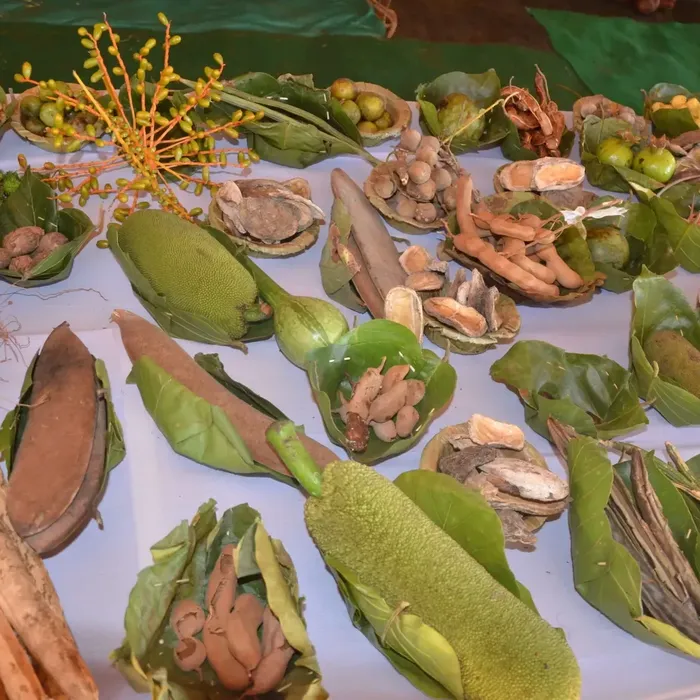
Food lost between farms and markets, or discarded in shops, restaurants and homes, carries a cost far beyond the meal.
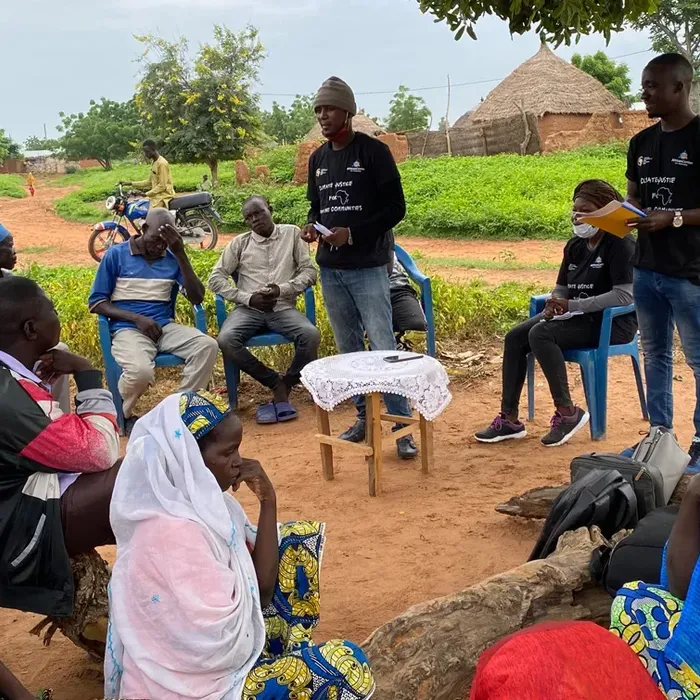
Africa’s climate response needs sustained investment in independent local journalism. Communities require reporting that explains risks, tests solutions and follows public promises beyond disasters and diplomatic meetings.
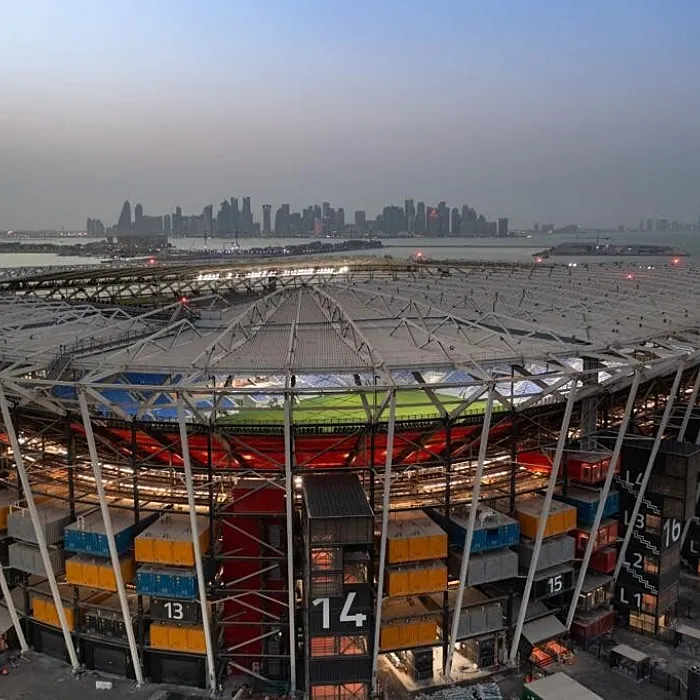
The Sustainable Stories Africa editorial team and board review of Daré Awoyinfa’s paper: one conclusion stands out: Qatar 2022 accelerated national development, but it also deepened reliance on state-led mega-events.
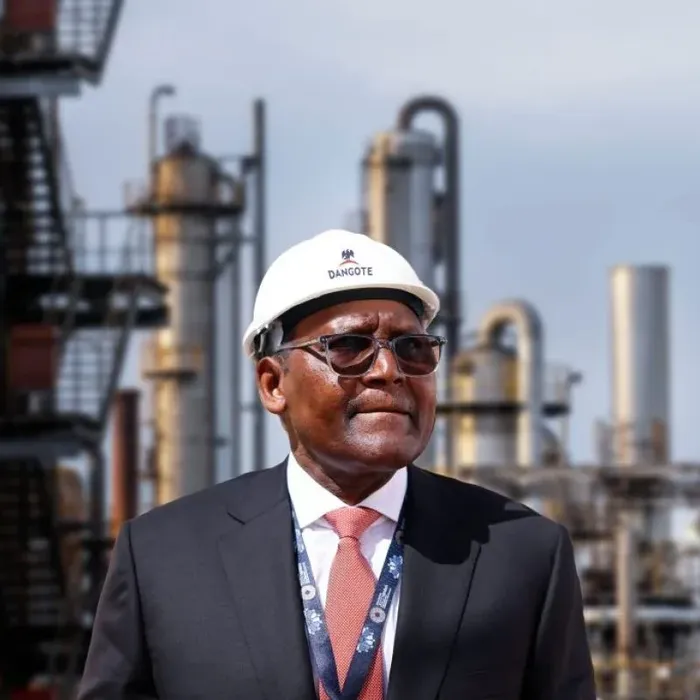
At N525 a share, the Dangote Petroleum Refinery offer opens public ownership in a strategically important African industrial asset. It also asks investors to accept a valuation shaped by unusually strong recent margins, concentrated control and a vast expansion still to be funded.

Nigeria knows how to count buildings, debt, production and investment. It is less practised at counting the forests, wetlands, soils, watersheds and biodiversity that make economic activity possible.
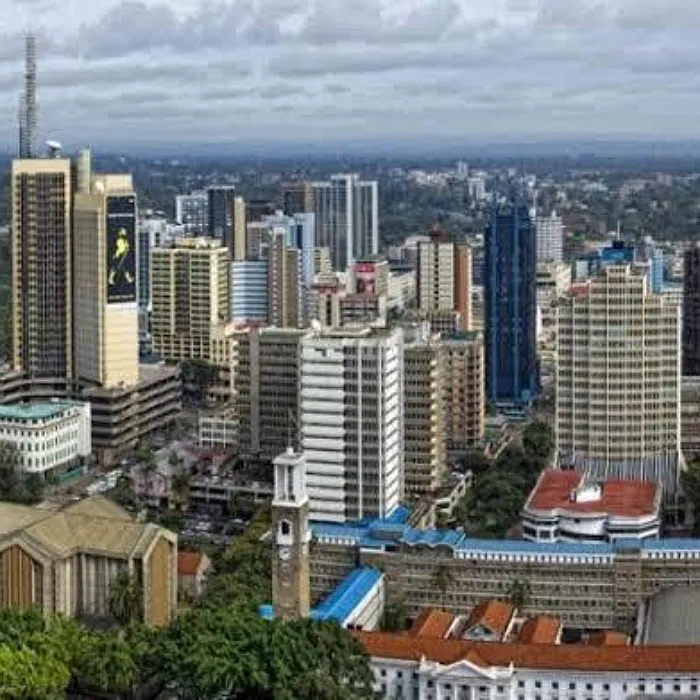
Nigeria’s financial-sector recapitalisation has created a rare abundance of capital across banking, pensions and insurance. However, capital raised is not the same as capital productively deployed.

The Future Action Summit (FAS) Thailand 2025, organized by the global youth-led organization Echo Change, is a four-day international summit distinct from the UN's "Summit of the Future" that convened in September 2024. FAS Thailand is specifically designed as a launchpad for youth-led action, driving tangible progress towards the United Nations Sustainable Development Goals (SDGs).
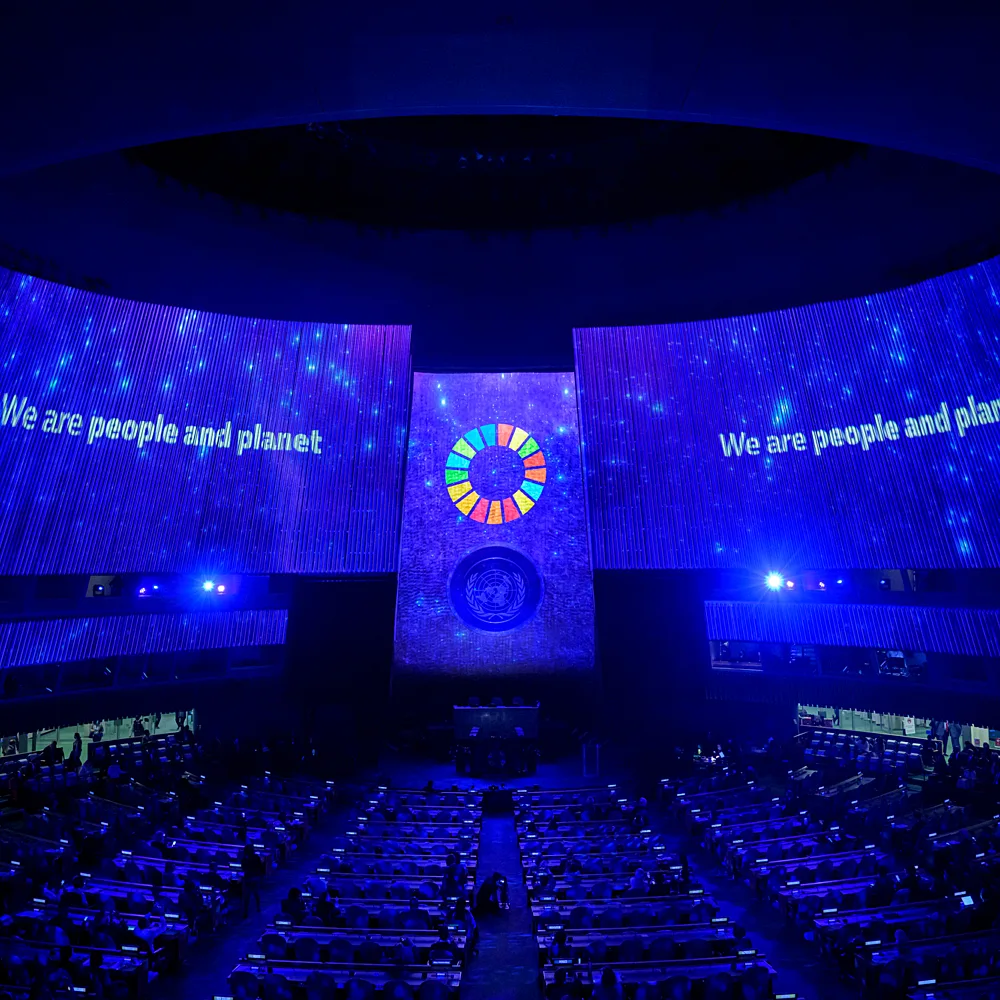
New York City hosts the UNGA High-Level Week and Global Goals Week, bringing together world leaders, civil society, business, academia, and youth with a unified focus on accelerating progress towards the Sustainable Development Goals (SDGs) and fostering a more sustainable future.

ICSD 2025 brings together global experts to align research, policy, and practice around key SDGs. Focused on interdisciplinary solutions, with emphasis on education and capacity and building for sustainable progress by 2030.
The largest global climate convening of the year, aligning with UNGA 80 and Global Goals Week to accelerate climate solutions through over 900 events; with an am of shifting climate discourse from problem awareness to practical implementation, emphasising economic opportunity, innovation, and cross-sector collaboration.
A quadrennial global gathering of conservation leaders, policy‑makers, Indigenous Peoples, and innovators, convening to shape the global nature agenda through bold themes, science, equity, and collective action.
A premier annual gathering in Berlin, bringing together global leaders across politics, science, business, and civil society to shape the future of health under the theme “Taking Responsibility for Health in a Fragmenting World.”

A dynamic one-day festival uniting global innovators and leaders in Vienna to showcase and accelerate climate‑tech solutions—from startups to researchers—culminating in the Climate Launchpad 2025 Global Grand Final.
Bringing together Africa’s sustainability ecosystem. This hybrid gathering is tailored for policymakers, investors, corporate leaders, and NGOs, focusing on ESG frameworks, climate finance, and sustainable innovation to drive Africa’s green transition.
Summary and evidence-based insights into corporate, government, and organisational sustainability disclosures across Africa, highlighting achievements, uncovering gaps, and spotlight opportunities for progress.